
What Are the Best Fruit Varieties for Hydroponic Systems?
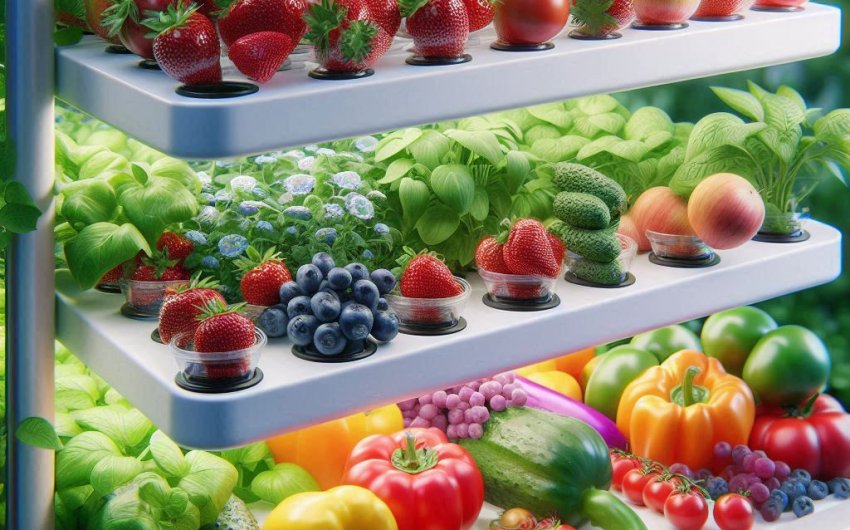
Growing fruit in hydroponic systems offers a fascinating and efficient way to enjoy fresh produce, often with faster growth rates and higher yields than traditional soil gardening. When considering which fruits to cultivate in a soilless environment, it's important to select varieties that are well-suited to the unique conditions of hydroponics, thriving on nutrient-rich water instead of conventional soil.
What Makes a Fruit Good for Hydroponics?
Not all fruits are created equal when it comes to hydroponic growing. Several key characteristics make a particular fruit variety more successful in a soilless system. Understanding these factors is crucial for choosing the right plants and ensuring a bountiful harvest.
What Plant Size and Growth Habits Work Best?
The size and growth habit of a fruit plant are critical considerations for hydroponic systems, especially in indoor or limited-space setups.
Compact or Bush Varieties: Fruits that naturally grow into a compact bush or dwarf size are generally ideal for hydroponics. They take up less space, making them suitable for vertical farms, shelves, or smaller home setups. Examples include bush varieties of tomatoes (determinate types), dwarf cucumbers, and compact strawberries. Their contained growth also simplifies management and harvesting.
Vining Plants (with Management): While large vining plants like watermelons or pumpkins can technically be grown hydroponically, they require significant support structures, aggressive pruning, and ample vertical or horizontal space. For most home growers, smaller vining plants that can be easily trellised or trained are more manageable. Hydroponic indeterminate tomatoes and vining cucumbers fall into this category but demand regular pruning and a sturdy trellis netting or plant clips.
Avoid Large Root Systems: Plants with very extensive or deep taproot systems, like fruit trees, are generally impractical for standard hydroponic setups. They require massive reservoirs and specialized systems that are beyond the scope of most home or even small-scale commercial hydroponics.
AdvertisementManageable Foliage: Fruits that don't produce overly dense or sprawling foliage are also preferred. Excessive foliage can lead to humidity issues, hinder air circulation, and make it difficult to manage light penetration and pest control. Regular pruning helps manage foliage density.
What Are the Ideal Water and Nutrient Needs?
The success of hydroponic fruit cultivation hinges on providing the precise water and nutrient requirements, which vary significantly between different plant types.
Consistent Water Availability: In hydroponics, roots are constantly or regularly exposed to water. Fruits that tolerate this consistent moisture without succumbing to root rot are best. This means varieties that prefer slightly drier conditions in soil might struggle. The specific hydroponic system chosen (e.g., Deep Water Culture, Nutrient Film Technique, Drip Systems) also influences how consistently water is available and whether the roots are submerged or just constantly wet.
Nutrient Solution pH and EC: All hydroponic fruits require a carefully balanced nutrient solution. The pH (acidity/alkalinity) of the solution directly affects how well plants can absorb nutrients. Most fruits prefer a slightly acidic to neutral pH, typically between (5.5) and (6.5). The EC (Electrical Conductivity) measures the strength of the nutrient solution. Different fruits have different optimal EC ranges; some are "light feeders" needing lower EC, while "heavy feeders" require higher EC. Using a pH meter and an EC meter is essential for monitoring.
Specific Micronutrient Needs: While most general hydroponic nutrient solutions provide macro and micronutrients, some fruits have specific, higher demands for certain elements. For example, fruiting plants often need more phosphorus and potassium during their flowering and fruiting stages than during vegetative growth. Selecting a hydroponic nutrient solution specifically formulated for fruiting plants is beneficial.
Tolerance to Recirculation: Many hydroponic systems are recirculating, meaning the nutrient solution is reused. Fruits that don't rapidly deplete specific nutrients, or those whose nutrient uptake profile is relatively stable, make recirculating systems easier to manage. Non-recirculating (drain-to-waste) systems offer more control but use more water and nutrients.
How Important is Pollination in Hydroponics?
Pollination is a crucial step for almost all fruiting plants, and in the controlled environment of a hydroponic system, natural pollination by wind or insects is often absent, meaning human intervention is usually necessary.
Self-Pollinating Varieties: Fruits that are naturally self-pollinating are significantly easier to grow hydroponically. This means they have both male and female reproductive parts on the same flower and can fertilize themselves. Tomatoes and peppers are prime examples. For these, a gentle shake of the plant or flower clusters daily (to release pollen) or using an electric pollinator often suffices.
Monoecious Plants (Separate Male and Female Flowers on Same Plant): Some plants, like cucumbers and squash, produce separate male and female flowers on the same plant (monoecious). You will need to manually transfer pollen from a male flower to a female flower using a small brush or cotton swab. Identifying male (often with a thin stalk behind the flower) and female (with a small fruit swelling behind the flower) blooms is important.
Dioecious Plants (Separate Male and Female Plants): Fruits that require separate male and female plants (e.g., kiwifruit, some varieties of strawberries) are more complex for hydroponics as you need to dedicate space for both sexes and ensure proper manual pollination. While possible, they are generally less common for home hydroponics.
Parthenocarpic Varieties: A special class of fruits are parthenocarpic, meaning they can set fruit without pollination. Many seedless cucumber varieties are parthenocarpic and are therefore ideal for hydroponics as they eliminate the need for manual pollination. Always check if a specific variety is parthenocarpic when selecting for hydroponics.
Attracting Pollinators (Indoor vs. Outdoor): If your hydroponic system is outdoors, natural pollinators might help. However, for indoor systems, manual pollination or selecting self-pollinating or parthenocarpic varieties is a must. If you choose to manually pollinate, ensure you do it at the right time of day (often morning when pollen is freshest).
Air Movement: Even for self-pollinating plants, good air movement from an oscillating fan can help to gently shake pollen around, assisting in the pollination process.
Which Fruits Are Easiest to Grow Hydroponically?
When starting out with hydroponics, it's wise to begin with fruits that are known for their relative ease of cultivation in soilless systems. These varieties are often more forgiving and provide a higher chance of success for beginners.
Why Are Strawberries a Top Choice?
Strawberries are often considered one of the absolute best and easiest fruits to grow in hydroponic systems, making them an excellent choice for beginners and experienced growers alike.
Compact Size: Strawberry plants are naturally compact, making them perfectly suited for various hydroponic setups, including vertical towers, nutrient film technique (NFT) channels, or even simple deep water culture (DWC) systems. Their small footprint allows for high-density planting.
Ever-bearing Varieties: Choosing ever-bearing strawberry varieties (like 'Albion', 'Seascape', or 'Tribute') is key. These varieties produce fruit continuously throughout the growing season, rather than having one large flush like June-bearing types. This means a constant supply of fresh berries in your hydroponic garden.
Consistent Water Needs: Strawberries thrive with consistent moisture, which hydroponic systems excel at providing. They don't like to dry out completely, nor do they enjoy soggy soil, so the precise control of water in hydroponics suits them perfectly.
Relatively Low Nutrient Requirements: While they need a balanced nutrient solution, strawberries aren't exceptionally heavy feeders compared to some other fruiting plants. A general-purpose hydroponic nutrient formula often works well, perhaps with a slight adjustment for flowering and fruiting stages.
Easy Pollination: Strawberry flowers are self-pollinating. For indoor setups, a gentle shake of the plant daily, or a small electric pollinator, is usually enough to ensure good fruit set. Outdoors, bees and other pollinators will do the work.
High Yields and Fast Growth: Under optimal hydroponic conditions, strawberries grow quickly and can produce abundant harvests. The controlled environment often leads to larger, healthier berries with excellent flavor.
Pest and Disease Control: Growing hydroponically often reduces soil-borne pests and diseases. While strawberries can still get issues like powdery mildew or spider mites, they are generally easier to manage than in soil, especially with good air circulation from an oscillating fan.
Aesthetically Pleasing: The vibrant green foliage and bright red berries of strawberries also make them a beautiful and appealing addition to any indoor growing space.
What About Tomatoes and Peppers?
Tomatoes and peppers are incredibly popular choices for hydroponic cultivation, offering bountiful yields and the ability to grow year-round, but they do require a bit more attention than strawberries.
Tomatoes:
- Determinate (Bush) Varieties for Beginners: For most home hydroponic setups, especially those with limited space, determinate tomato varieties are highly recommended. These are "bush" types that grow to a certain height, produce all their fruit at once (or over a short period), and then stop. They require less pruning and support than indeterminate types. Look for varieties labeled "bush," "patio," or "dwarf."
- Indeterminate (Vining) Varieties for Experienced Growers: Indeterminate tomatoes continue to grow and produce fruit throughout the season. While they can yield more, they require significant vertical space, aggressive pruning ("suckering"), and robust trellis support (e.g., using tomato cages or string training).
- Pollination: Tomatoes are self-pollinating. In an indoor hydroponic system, you'll need to manually pollinate by gently shaking the plants daily or using an electric pollinator to release pollen.
- Nutrient Needs: Tomatoes are heavy feeders, especially during flowering and fruiting. They require a balanced hydroponic nutrient solution with elevated phosphorus and potassium levels during their reproductive phase.
- Light Requirements: They demand strong, consistent light, typically (12-16) hours a day from powerful grow lights.
Peppers (Bell, Chili, etc.):
- Compact Bush Habit: Most pepper varieties naturally have a bush-like growth habit, making them very suitable for hydroponic systems. Bell peppers, jalapeños, and other chili peppers adapt well.
- Support: While generally more compact than indeterminate tomatoes, larger pepper plants with heavy fruit loads can still benefit from some form of support, such as small tomato stakes or plant clips.
- Pollination: Peppers are also self-pollinating. Similar to tomatoes, a gentle shake or use of a small brush for manual pollination is needed for indoor setups.
- Nutrient Needs: Peppers are moderate to heavy feeders. They need a consistent supply of nutrients, with increased levels of phosphorus and potassium during flowering and fruiting. A hydroponic nutrient solution for peppers designed for fruiting plants works well.
- Temperature and Light: Peppers love warmth and plenty of light. Maintaining consistent temperatures and providing (12-16) hours of strong grow lights will ensure good fruit production.
Both tomatoes and peppers are highly productive in hydroponics, offering faster growth and disease resistance compared to soil, making the extra effort in pollination and nutrient management well worth it.
Are Cucumbers Suitable for Hydroponic Growing?
Cucumbers are another excellent choice for hydroponic systems, especially certain varieties that are well-suited to the controlled environment. They are fast-growing and highly productive.
Bush vs. Vining Varieties:
- Bush Cucumbers: For smaller hydroponic setups or vertical farms, bush cucumber varieties (like 'Bush Crop' or 'Spacemaster') are ideal. They have a compact, non-vining habit and require less support, making them very manageable.
- Vining Cucumbers: Most traditional cucumber varieties are vining. While they can be grown hydroponically, they require robust trellis netting or strings to support their rapid growth and heavy fruit. Regular pruning to manage side shoots and direct growth is essential.
Parthenocarpic Varieties (Highly Recommended): This is where cucumbers shine in hydroponics. Many seedless cucumber varieties are parthenocarpic, meaning they produce fruit without the need for pollination. This eliminates the need for manual pollination in indoor hydroponic systems, making cultivation much simpler. Look for varieties labeled "parthenocarpic" or "seedless." If you choose non-parthenocarpic varieties, you will need to manually pollinate male and female flowers.
Fast Growers: Cucumbers are known for their rapid growth. Under optimal hydroponic conditions, you can often harvest cucumbers within a few weeks of flowering.
Heavy Feeders: Cucumbers are relatively heavy feeders and need a consistent supply of nutrients, especially during their fruiting phase. A hydroponic nutrient solution balanced for fruiting plants is recommended.
Water Needs: They have high water demands, which hydroponic systems can readily provide. Consistent moisture is key to preventing bitter fruits.
Temperature and Humidity: Cucumbers prefer warm temperatures (above (65^\circ\text{F}) or (18^\circ\text{C})) and can tolerate relatively high humidity, though good air circulation from an oscillating fan is still important to prevent fungal issues.
Pest and Disease Management: While soil-borne issues are reduced, cucumbers can still be susceptible to powdery mildew or spider mites. Regular inspection and good sanitation are important.
Overall, cucumbers, especially the parthenocarpic varieties, are highly rewarding for hydroponic growers, offering a quick turnaround and abundant harvests.
What Other Fruits Can Be Grown Hydroponically?
Beyond the most popular and easiest choices, a variety of other fruits can also be successfully grown in hydroponic systems with the right approach and a bit more attention to their specific needs.
Can Melons Be Grown Hydroponically?
Yes, melons can be grown hydroponically, but they present more challenges than smaller fruits due to their size, vining habit, and significant nutrient demands. They are generally better suited for more experienced hydroponic growers.
Compact Varieties are Key: For hydroponics, focus on compact or "icebox" varieties of watermelons (e.g., 'Sugar Baby') and cantaloupes or muskmelons (e.g., 'Ambrosia' or 'Minnesota Midget'). These smaller melons mature faster and have more manageable vine lengths.
Significant Space and Support: Melons are vigorous vining plants that require a lot of horizontal or vertical space. Robust trellis netting or strong wires are essential to support the heavy fruit. You may even need to create slings for individual developing melons using old pantyhose or fabric strips to prevent them from breaking off the vine.
Pollination is Critical: Most melon varieties are monoecious (separate male and female flowers on the same plant) and require hand pollination for fruit set in indoor systems. You'll need to carefully transfer pollen from male flowers to female flowers using a small brush. Female flowers are identifiable by the miniature fruit swelling behind the bloom.
Heavy Feeders: Melons are very heavy feeders and require a strong, consistent nutrient solution, especially once fruits begin to develop. They need ample phosphorus and potassium. Regular monitoring of EC and pH is essential.
Warmth and Light: Melons thrive in warm conditions and require intense, full-spectrum grow lights for at least (12-14) hours a day.
Hydroponic System Choice: Drip systems or deep water culture (DWC) can work for melons, but ensure the reservoir is large enough to handle their rapid water uptake.
Growing melons hydroponically can be incredibly rewarding, offering sweet, homegrown fruit, but be prepared for the extra effort in managing their size and pollination.
What About Blueberries and Other Berries?
Blueberries and other berry plants (besides strawberries) are less common in general hydroponic setups but can be grown with specialized considerations.
Blueberries:
- Acidic pH Requirement: This is the main challenge for hydroponic blueberries. They are acid-loving plants and require a very specific, consistently low pH range (typically (4.5) to (5.5)) in the nutrient solution. Most standard hydroponic nutrients are formulated for a higher pH, so you'll need specialized acidic nutrient solutions or consistent pH adjustment with pH down solutions.
- Chilling Requirement: Many blueberry varieties also require a period of cold dormancy (chilling hours) to produce fruit. This makes them less ideal for year-round indoor hydroponics unless you can provide a simulated winter period. Some low-chill varieties exist but may still need some temperature fluctuation.
- Size: Even dwarf blueberry varieties are larger than strawberries and require significant space and potentially larger growing media (e.g., coco coir or rockwool cubes).
- Pollination: Some blueberry varieties are self-pollinating, while others benefit from cross-pollination from a different variety to produce larger yields. Manual pollination may be required indoors.
Raspberries and Blackberries:
- Canes and Pruning: These are cane fruits that produce new canes annually. While possible in large hydroponic setups, they require significant structural support for their canes and a clear understanding of their specific pruning requirements for primocane (fall-bearing) or floricane (summer-bearing) fruiting.
- Thorns: Many varieties have thorns, making handling challenging.
- Chilling Requirement: Like blueberries, most raspberries and blackberries also need chilling hours for optimal fruit production, limiting year-round indoor growing.
- Space: They can become quite large and sprawling, requiring substantial vertical and horizontal space.
Grapes:
- Vining and Pruning: Growing grapes hydroponically is highly advanced. They are extremely vigorous vining plants that need extensive trellising, aggressive pruning for fruit production, and a very long growing season.
- Space and Support: Requires substantial dedicated space and very robust support structures.
- Chilling Requirement: Many common grape varieties also have chilling requirements.
In summary, while fascinating, growing blueberries, raspberries, blackberries, or grapes hydroponically typically requires a more advanced understanding of plant physiology, specialized setups, and commitment to detailed management, making them less suitable for beginners.
What About Dwarf Citrus Fruits?
Dwarf citrus trees can indeed be grown in hydroponic systems, offering the unique possibility of enjoying fresh lemons, limes, or even small oranges indoors. However, they are a more advanced hydroponic project requiring patience and specific care.
Dwarf Varieties are Essential: Only dwarf or compact citrus varieties are suitable for hydroponics, as even these can reach a few feet tall. Look for 'Meyer Lemon', 'Key Lime', or 'Calamondin Orange' which are smaller and more amenable to container (and thus hydroponic) growth.
Long-Term Commitment: Unlike fast-growing annual fruits, citrus trees are perennial and can take several years to mature and produce significant fruit. This is a long-term commitment.
Lighting Requirements: Citrus trees need very high light intensity and long hours (at least (12-16) hours, preferably (18) hours) from powerful, full-spectrum LED grow lights to flower and fruit successfully indoors. Without sufficient light, they will struggle.
Nutrient Needs: They require a specialized hydroponic nutrient solution for citrus that accounts for their specific needs, particularly micronutrients like iron and zinc. Monitoring pH (ideally (5.5-6.5)) and EC regularly is crucial.
Pollination: Most indoor citrus trees will require manual pollination for fruit set. Use a small brush to transfer pollen from flower to flower. This should be done daily when flowers are open.
Pruning and Training: Regular pruning is necessary to maintain a manageable size and shape, encourage branching, and promote fruiting.
Temperature and Humidity: Citrus prefers warm, stable temperatures and moderate humidity. Good air circulation is vital.
Hydroponic System Choice: Deep Water Culture (DWC) or a drip system are often used for dwarf citrus. A large reservoir is necessary to accommodate their long-term growth.
Pest Control: Citrus can be susceptible to common indoor plant pests like scale, mealybugs, and spider mites. Regular inspection and integrated pest management strategies are essential.
While growing dwarf citrus hydroponically can be a fulfilling endeavor, it's a project for the dedicated grower who understands the specific environmental and nutritional demands of these unique fruit trees.
By selecting fruit varieties that align with the principles of hydroponic growing – such as compact size, manageable nutrient needs, and easy pollination – you can significantly increase your chances of a successful and bountiful harvest in your soilless garden.