
How to Propagate Berry Bushes from Cuttings?
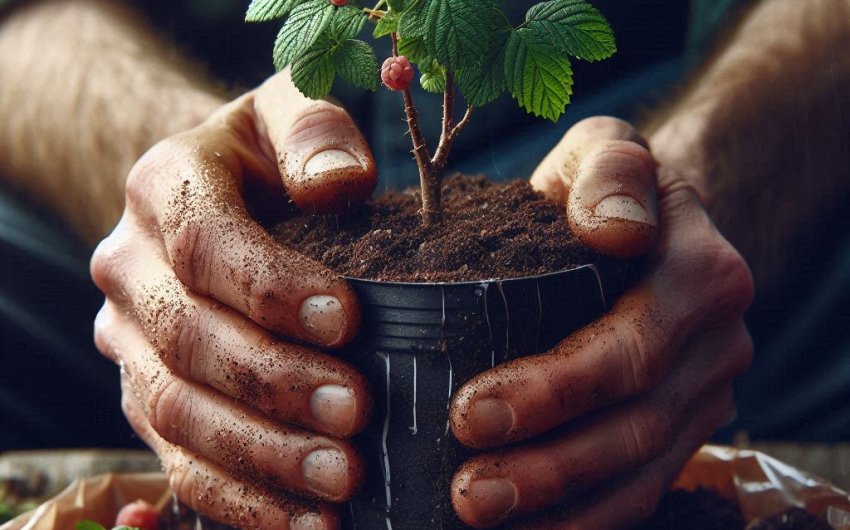
Expanding your berry patch or sharing your favorite fruiting varieties with friends doesn't always require purchasing new plants. For many popular berry bushes, propagation through cuttings offers an incredibly cost-effective and rewarding way to create exact genetic copies of your existing plants. This method allows you to quickly multiply your harvests, ensuring an abundant supply of delicious, homegrown fruit year after year. Understanding the nuances of how to propagate berry bushes from cuttings, including the different types of cuttings and their specific timing, is key to successfully growing your berry collection.
Why Propagate Berry Bushes from Cuttings?
Propagating berry bushes from cuttings is a time-honored horticultural practice with numerous benefits for the home gardener. It's an efficient way to expand your edible landscape, preserve favorite varieties, and share the bounty with others.
What Are the Benefits of Growing from Cuttings?
Choosing to grow berry bushes from cuttings offers several compelling advantages:
- Cost Savings: Instead of buying new plants, you can get free plants from your existing bushes or from a friend's established patch. This can save a significant amount of money, especially if you're planning a large expansion.
- True to Type: Cuttings are clones of the parent plant. This means the new plants will have the exact same characteristics (flavor, disease resistance, growth habit, yield) as the berry bush you took the cutting from. Growing from seed, on the other hand, can result in variations due to genetic recombination.
- Faster Fruiting: Plants grown from cuttings typically mature and begin fruiting much faster than those grown from seed, often producing berries within 1-2 years.
- Genetic Preservation: If you have a particularly productive or resilient berry bush, taking cuttings ensures you preserve those desirable genetics for future generations of plants.
- Enjoyment of the Process: There's a deep satisfaction in growing a new plant from a simple twig, nurturing it, and watching it thrive.
Which Berry Bushes Can Be Propagated from Cuttings?
Many popular berry bushes can be successfully propagated from cuttings. The method and timing might vary, but the principle is the same. Common examples include:
- Blueberries: Primarily through hardwood or semi-hardwood cuttings.
- Raspberries: Often from softwood cuttings, suckers, or root cuttings.
- Blackberries: Similar to raspberries, from softwood or root cuttings.
- Currants (Red, Black, White): Very easy from hardwood cuttings.
- Gooseberries: Also quite easy from hardwood cuttings.
- Grapes: Hardwood cuttings are a common method. Some berries, like strawberries, are typically propagated by runners, which is a natural form of cloning.
What is the Success Rate?
The success rate of propagating berry bushes from cuttings varies depending on the berry type, the specific method used, and the care provided.
- Easy to Root: Some berries, like currants and gooseberries, are notoriously easy to root, often having a high success rate even for beginners.
- Moderate Difficulty: Blueberries and raspberries can be a bit more challenging, requiring more specific conditions like higher humidity or rooting hormones.
- General Tips for Success: Always take more cuttings than you think you need, as not all will root. Provide optimal conditions (moisture, warmth, indirect light) and practice patience. A good propagation guide can offer detailed species-specific advice.
What Are the Different Types of Cuttings and Their Timing?
The type of cutting you take from a berry bush depends on the time of year and the maturity of the stem. Each type requires slightly different handling for optimal rooting.
What Are Hardwood Cuttings?
Hardwood cuttings are taken from mature, dormant stems, typically in late fall or winter after the leaves have dropped, or in early spring before new growth begins.
- Characteristics: These stems are woody, firm, and have no leaves. They are tougher and less prone to wilting than softwood cuttings.
- Ideal for: Currants, gooseberries, blueberries (some varieties), and grapes.
- Preparation:
- Choose healthy, 1-year-old stems that are about pencil-thick.
- Cut sections 6-12 inches long, making the top cut just above a bud and the bottom cut just below a bud (often at an angle to distinguish the bottom).
- Remove any remaining leaves or soft growth.
- Rooting: Hardwood cuttings are often inserted directly into prepared garden beds, cold frames, or pots outdoors. They take longer to root (several months), often rooting by spring or early summer.
How About Softwood Cuttings?
Softwood cuttings are taken from new, flexible, non-woody growth that has just matured, typically in late spring or early summer.
- Characteristics: These stems are still green and pliable, but firm enough to snap when bent. They will have leaves.
- Ideal for: Raspberries, blackberries, some blueberries, and occasionally grapes.
- Preparation:
- Choose vigorous, non-flowering shoots.
- Cut sections 4-6 inches long.
- Remove lower leaves, leaving 2-4 leaves at the top.
- Consider dipping the cut end in rooting hormone.
- Rooting: Softwood cuttings root relatively quickly (a few weeks to a few months) and require high humidity and consistent moisture. They are usually rooted indoors or in a sheltered outdoor location under a propagation dome or plastic bag.
What Are Semi-Hardwood Cuttings?
Semi-hardwood cuttings are taken in late summer or early fall from stems that have started to mature and harden but are not yet fully woody and dormant.
- Characteristics: These stems are firmer than softwood but still somewhat flexible. They will have leaves.
- Ideal for: Blueberries (most common method for them), and some grapes.
- Preparation:
- Choose stems that have grown during the current season.
- Cut sections 4-8 inches long.
- Remove lower leaves, leaving 2-4 leaves at the top.
- Dipping in rooting hormone is highly recommended.
- Rooting: Similar to softwood, they need consistent moisture and humidity. They may take longer to root than softwood but are less prone to wilting.
Should I Use Root Cuttings or Suckers for Raspberries/Blackberries?
For raspberries and blackberries, in addition to softwood cuttings, root cuttings and suckers are also very effective propagation methods.
- Suckers: These are new shoots that emerge from the roots of the parent plant some distance away. Simply dig up a healthy suckers with some roots attached in spring or fall and transplant it. This is a very easy and high-success method for these plants.
- Root Cuttings: In late fall or early spring, carefully dig up some pencil-thick roots from a healthy plant. Cut them into 4-6 inch pieces. You can lay them horizontally (about 1-2 inches deep) in a tray of sandy potting mix, or insert them vertically with the end closest to the parent plant pointing upwards. Keep moist until sprouts appear.
How Do I Prepare and Plant Cuttings for Rooting?
Proper preparation of your cuttings and the rooting medium are essential steps for maximizing success, regardless of the cutting type you choose.
What is Rooting Hormone and Why Use It?
Rooting hormone is a substance that contains synthetic auxins, plant hormones that stimulate root development.
- Purpose: While not strictly necessary for easily rooted plants like mint or currants, it significantly increases the success rate for more challenging plants like blueberries, and can speed up rooting for all types.
- Forms: Available as powders, gels, or liquids.
- Application: Simply dip the cut end of your prepared cutting into the rooting hormone according to the product instructions before planting. A rooting hormone powder is a worthwhile investment for serious propagators.
What is the Best Rooting Medium?
The ideal rooting medium for cuttings needs to be sterile, well-draining, and retain some moisture. Avoid using regular garden soil, which can harbor pathogens and compact easily.
- Common Choices:
- Perlite: Excellent drainage and aeration.
- Vermiculite: Retains moisture well while providing good aeration.
- Coir (Coco Coir): A sustainable alternative to peat, offering good water retention and drainage.
- Sand: Coarse builder's sand (not play sand) provides excellent drainage.
- Mixes: A popular mix is 50/50 perlite and peat moss, or 50/50 perlite and coco coir.
- Sterility: Sterilizing your medium (baking it in an oven or using boiling water) can help prevent fungal diseases, especially for delicate cuttings.
How Should I Plant Cuttings in Pots?
Once you have your prepared cuttings and rooting medium, planting them properly sets them up for success.
- Moisten Medium: Lightly moisten your rooting medium before planting. It should be damp but not soggy.
- Prepare Containers: Use clean pots or trays with drainage holes. Small pots (2-4 inches) are ideal for individual cuttings.
- Make Holes: Use a pencil or dibber to make a hole in the rooting medium for each cutting. This prevents rubbing off the rooting hormone or damaging the delicate stem.
- Insert Cuttings: Gently insert the prepared cutting into the hole, ensuring at least one or two nodes are buried beneath the surface.
- Firm Gently: Lightly firm the medium around the base of the cutting to ensure good contact. Do not press too hard.
- Label: Immediately label your pots with the berry type and date.
How Do I Provide High Humidity?
High humidity is often critical for softwood and semi-hardwood cuttings because they have leaves that transpire (lose water). Without roots to absorb water, they can quickly dry out.
- Propagation Dome: Use a clear plastic propagation dome over your trays or pots.
- Plastic Bag: For individual pots, you can place the pot inside a clear plastic bag, inflated slightly, and sealed with a rubber band.
- Misting: Mist the leaves regularly (several times a day) if not using a dome or bag.
- Pebble Tray: Place pots on a tray filled with pebbles and water. Ensure there's some ventilation to prevent fungal buildup. A humidity dome and tray set is very useful.
What is the Ongoing Care for Rooting Cuttings?
Once planted, your berry bush cuttings need consistent monitoring and care to encourage successful rooting and healthy new growth. This period requires patience and attention to environmental conditions.
What Light and Temperature Conditions Are Best?
- Light: Provide bright, indirect light. Avoid direct, intense sunlight, especially for leafy cuttings, as it can cause them to dry out and stress. A bright windowsill or under a grow light (set slightly further away than for established plants) is ideal.
- Temperature: Maintain consistent warm temperatures, typically between 65-75°F (18-24°C). This promotes root growth. Avoid cold drafts or extreme temperature fluctuations. A seedling heating mat can provide bottom heat for faster rooting, especially for hardwood cuttings indoors.
How Do I Keep the Rooting Medium Moist?
Consistent moisture in the rooting medium is critical. It should be damp like a wrung-out sponge, never soggy or bone dry.
- Check Daily: Check the moisture level daily by feeling the medium.
- Water Gently: Water from the bottom or very gently from the top to avoid disturbing the cuttings.
- Humidity Maintenance: Continue to ensure high humidity, as this reduces water loss from leaves and helps the cuttings stay hydrated while roots form.
How Do I Know When Cuttings Have Rooted?
Knowing when your cuttings have rooted requires patience and observation.
- New Growth: The most obvious sign is the appearance of new leaf growth at the top of the cutting. This indicates that the cutting has established roots and is now able to take up water and nutrients to support new foliage.
- Resistance to Gentle Tug: If rooting in soil, gently tug on the cutting. If you feel resistance, it means roots have formed and are anchoring it.
- Visible Roots: If rooting in clear containers (for water propagation), you can visually see the roots emerging. Do not rush the process. Wait until the roots are well-established before moving to the next stage.
When Should I Acclimate and Transplant Young Plants?
Once your cuttings have a healthy root system and show new growth, they need to be acclimated to lower humidity and then transplanted.
- Acclimation (Hardening Off): Gradually reduce humidity over a week or two. If using a dome or bag, slowly open it more each day, or remove it for increasing periods. This prepares the plant for less humid conditions.
- Transplanting to Larger Pots: Once acclimated, transplant the rooted cuttings into individual, slightly larger pots (4-6 inches) filled with a good quality, well-draining general potting mix.
- Outdoor Acclimation: If you plan to plant them outdoors, you'll need to harden them off gradually by exposing them to outdoor conditions for increasing periods over 1-2 weeks before planting them permanently in the garden bed. This prevents shock.
What Is the Ongoing Care for Young Berry Bushes?
Once your young berry bushes are rooted and established in their first pots, they need nurturing to grow into productive, fruit-bearing plants.
How Much Light and Water Do Young Berry Bushes Need?
- Light: Young berry bushes generally need bright light, ideally 6+ hours of direct sunlight once they are hardened off and planted outdoors. If kept indoors, maintain bright indirect light, transitioning to more direct sun as they grow.
- Watering: Keep the soil consistently moist, especially during their first growing season. They are still establishing their root systems and are more susceptible to drying out. Avoid waterlogging.
What is the Best Fertilizing Schedule?
- First Season: Fertilize lightly during the first growing season. Use a balanced, slow-release fertilizer or a diluted liquid fertilizer every 2-4 weeks. Avoid over-fertilizing, which can burn young roots.
- Established Plants: Once established, fertilize according to the specific needs of your berry bush type (e.g., blueberries prefer acidic fertilizer). Fall and early spring are common times for fertilization.
When Can I Plant Them Outdoors?
You can plant your young berry bushes outdoors once they are well-rooted, have new growth, and have been thoroughly hardened off (acclimated to outdoor conditions).
- Timing:
- Spring: After the last frost date, once soil temperatures have warmed.
- Fall: In regions with mild winters, planting in early fall allows roots to establish before cold weather.
- Site Preparation: Prepare the planting site with good drainage and appropriate soil amendments for your specific berry type (e.g., acidic soil for blueberries).
- Spacing: Follow recommended spacing for mature berry bushes to ensure good air circulation and allow for full growth.
How Do I Prune and Train Young Berry Bushes?
Pruning and training are essential for shaping your berry bushes, encouraging strong growth, and maximizing fruit production.
- Initial Pruning: For many berry bushes, the first year is about establishing a strong root system and basic framework. Remove any weak or damaged stems.
- Specific Berry Pruning: Learn the specific pruning requirements for your berry type. For example:
- Raspberries/Blackberries: Prune out canes that have fruited, usually after harvest.
- Blueberries: Prune out older, less productive canes annually after a few years to encourage new growth.
- Currants/Gooseberries: Prune to maintain an open, productive bush. Proper pruning improves air circulation, reduces disease risk, and directs the plant's energy into fruit production. A good berry bush pruning guide is invaluable.