
What Is the Best Method for Growing Fruit on a Rooftop Garden?
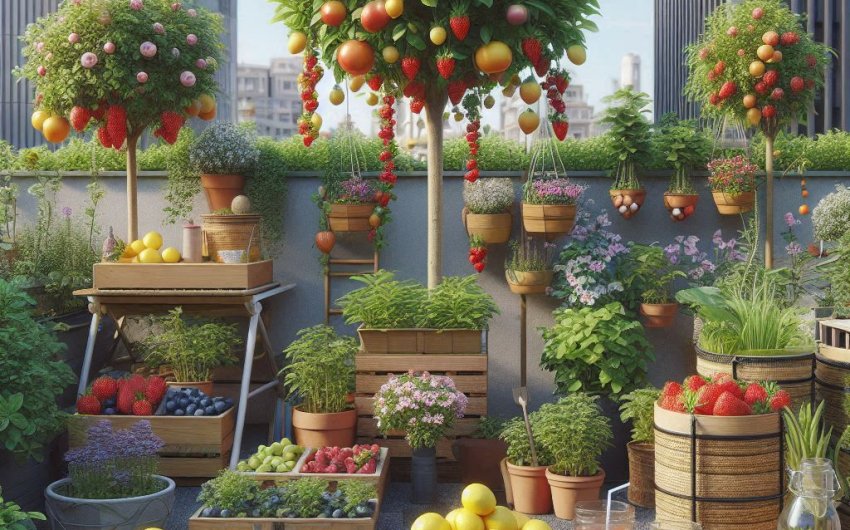
Dreaming of fresh berries, juicy tomatoes, or even a dwarf citrus tree, all grown right on your urban rooftop? Growing fruit on a rooftop garden might seem like a challenge, but with the right planning and techniques, it's entirely possible to cultivate a productive edible oasis high above the city streets. Rooftops offer abundant sunlight and often a unique microclimate, but they also come with specific limitations like weight capacity, wind exposure, and watering needs. The best method for rooftop fruit gardening involves a strategic combination of container choice, soil selection, clever watering solutions, and choosing the right fruit varieties. This guide will delve into the essential considerations and practical steps to transform your rooftop into a fruitful paradise, helping you enjoy delicious, home-grown produce from your elevated haven.
What Are the Key Challenges of Growing Fruit on a Rooftop?
Before you start hauling soil bags upstairs, it's crucial to understand the unique obstacles a rooftop garden presents, especially when growing fruit, which can be more demanding than leafy greens.
The Unique Hurdles of Elevated Gardening:
- Weight Capacity: This is the most critical factor. Soil, water, pots, and plants are heavy. You absolutely must consult a structural engineer or your building's management to determine the rooftop's maximum load-bearing capacity. Overloading a roof can lead to serious structural damage.
- Considerations: One cubic foot of saturated soil can weigh 80-120 pounds. Factor in the weight of containers, plants, and the weight of water after irrigation.
- Wind Exposure: Rooftops are often very windy. Strong winds can dehydrate plants quickly, physically damage branches and leaves, blow over pots, and even dislodge light structures.
- Mitigation: Choose wind-resistant containers, build windbreaks, and select sturdy plant varieties.
- Sunlight Intensity: While abundant sun is generally good for fruit, rooftop sun can be incredibly intense, leading to sunburn on leaves and rapid soil drying.
- Mitigation: Select heat-tolerant plants, use light-colored pots to reduce heat absorption, and consider shade cloth during peak summer.
- Temperature Extremes: Rooftops experience wider temperature swings. They can be much hotter during the day (due to heat radiating from the roof surface) and colder at night than ground-level gardens. This can stress plants.
- Mitigation: Good insulation in pots, appropriate plant selection, and thoughtful placement.
- Watering: Containers dry out much faster than in-ground gardens. Access to a water source and efficient irrigation are paramount. Carrying water up multiple flights of stairs is not sustainable.
- Mitigation: Automated irrigation systems are almost a necessity.
- Container Limitations: Root space is limited, impacting plant size and overall yield.
- Mitigation: Choose dwarf varieties, focus on compact fruit, and use large containers.
- Accessibility: Getting large bags of soil, pots, and plants up to the rooftop can be a major logistical challenge.
- Building Regulations and Leaks: Be aware of any building codes, homeowner association rules, or landlord restrictions. Ensure proper waterproofing of the rooftop to prevent leaks into the building below. Use root barriers and drainage mats.
What is the Best Way to Choose Containers for Rooftop Fruit?
Container choice is not just about aesthetics; it's about optimizing growing conditions for your fruit plants on a rooftop. Size, material, and drainage are paramount.
Key Factors for Container Selection:
- Size (Volume): This is perhaps the most important factor for fruit. Fruit plants, especially shrubs and trees, need significant root space.
- Minimums:
- Small Berries (strawberries): 5-gallon equivalent.
- Bush Berries (blueberries, raspberries): 15-25 gallon equivalent.
- Dwarf Fruit Trees (citrus, fig, dwarf apple): 25-50 gallon equivalent or larger.
- Vining Fruit (grape, passionfruit): Needs large, deep containers.
- Benefits of Larger Pots: More soil volume means more moisture and nutrient retention, leading to healthier roots, larger plants, and less frequent watering.
- Minimums:
- Material:
- Fabric Grow Bags: Smart Pots or similar fabric bags are excellent for rooftops.
- Pros: Lightweight (when empty), promote "air pruning" of roots (preventing root circling), good drainage, good aeration for roots, relatively inexpensive. They also help keep roots cooler than dark plastic pots.
- Cons: Dry out faster than other materials, less aesthetically refined (though can be hidden in decorative outer pots), may degrade over many years in intense sun.
- Plastic (UV-Stabilized): Standard black nursery pots or decorative plastic planters.
- Pros: Lightweight, affordable, retain moisture well. Choose UV-stabilized plastic to prevent degradation.
- Cons: Dark colors absorb heat (can overheat roots), can crack in extreme temperatures, roots can become root-bound if air pruning isn't present. Use lighter colors for fruit.
- Terracotta/Ceramic:
- Pros: Aesthetically pleasing, porous nature allows for good air exchange.
- Cons: Very heavy (especially when filled with wet soil), fragile, dry out very quickly, can draw salts to the surface, and expensive. Generally not recommended for large fruit trees on rooftops due to weight.
- Wood (Treated/Rot-Resistant): Raised garden beds or large wooden planters.
- Pros: Natural look, good insulation (keep roots cooler/warmer), can be custom-built to large sizes.
- Cons: Can be very heavy, rot over time unless properly treated (use food-safe treatment for edibles), can be expensive.
- Fabric Grow Bags: Smart Pots or similar fabric bags are excellent for rooftops.
- Drainage: Every container MUST have adequate drainage holes. Elevate pots slightly off the roof surface to ensure water can drain freely and prevent standing water under pots, which can damage the roof membrane. Use pot feet or pavers.
What is the Best Potting Mix for Rooftop Fruit?
The soil in a container is the sole source of nutrients and moisture for your plant's roots, so choosing the right potting mix is paramount, especially for heavy feeders like fruit.
Key Qualities of Ideal Potting Mix for Fruit:
- Lightweight: Essential for rooftops due to weight restrictions. Avoid heavy garden soil.
- Well-Draining: Prevents waterlogging and root rot.
- Moisture-Retentive: Holds enough water between waterings, but doesn't stay soggy.
- Nutrient-Rich (Initially): Provides a good starting supply of nutrients.
- Aerated: Allows oxygen to reach roots.
Components of a Good Rooftop Fruit Potting Mix:
- Peat Moss or Coco Coir (Base): Provides good moisture retention and aeration. Coco coir bricks are lightweight and expand significantly when hydrated.
- Perlite or Pumice (Aeration/Drainage): Essential for improving drainage and preventing compaction. Use a generous amount, at least 20-30% of the mix.
- Compost (Nutrients/Organic Matter): Provides essential nutrients, beneficial microbes, and improves soil structure. Use high-quality, finished organic compost.
- Worm Castings (Nutrient Boost): A fantastic natural fertilizer and soil conditioner. A small amount goes a long way.
- Slow-Release Fertilizer (Optional, but Recommended): A good quality slow-release granular fertilizer can provide continuous nutrients throughout the season, reducing the need for frequent liquid feeding.
Never Use Garden Soil!
Garden soil is too heavy, compacts easily in pots, and can introduce pests and diseases. Always use a high-quality, lightweight potting mix specifically formulated for containers.
How Do I Manage Watering for Rooftop Fruit?
Given the intense sun and wind exposure, rooftop fruit gardens dry out quickly. Effective watering is critical, and manual watering can quickly become a chore.
Essential Watering Strategies:
- Automated Drip Irrigation: This is by far the most efficient and practical method for a rooftop garden.
- Benefits: Delivers water directly to the root zone, minimizes waste from evaporation, ensures consistent watering even when you're away, and saves immense effort.
- Setup: You'll need an outdoor faucet, a drip irrigation kit for containers, and a water timer (digital hose timer or even a smart water timer).
- Execution: Emitters are placed near the base of each plant, delivering water slowly over time.
- Self-Watering Planters: Some larger self-watering planters have a reservoir at the bottom, reducing watering frequency. They can be good for some fruit, but ensure they provide enough root space.
- Monitor Moisture Daily: Especially during hot, windy periods, check soil moisture daily (or even twice daily for smaller pots). Stick your finger a few inches into the soil.
- Deep Watering: When you water, water thoroughly until water drains from the bottom of the pot. This encourages deeper root growth.
- Mulch: Apply a 1-2 inch layer of organic mulch (like shredded leaves or straw) on top of the soil to reduce evaporation, keep roots cooler, and suppress weeds.
- Rainwater Harvesting: If feasible, a rain barrel collection system can provide a sustainable water source, though the weight of full barrels needs to be considered.
Which Fruit Varieties Grow Best on a Rooftop?
Choosing the right fruit plants is crucial for success, favoring those that are compact, productive in containers, and tolerant of rooftop conditions.
Top Fruit Choices for Rooftops:
- Strawberries:
- Why they're great: Compact, shallow roots, produce quickly, excellent in hanging baskets or tiered planters. Everbearing varieties produce all season.
- Considerations: Need consistent moisture. A strawberry tower planter can maximize space.
- Blueberries:
- Why they're great: Compact bush, beautiful foliage, delicious fruit.
- Considerations: Require very acidic soil (pH 4.5-5.5). Use a specific acid-loving plant potting mix and fertilize with an acid-forming fertilizer. Need cross-pollination for best yield, so plant at least two different varieties.
- Raspberries/Blackberries (Dwarf/Thornless):
- Why they're great: Can be trained, some dwarf varieties are suitable for large containers.
- Considerations: May need trellising or support. Choose thornless varieties for ease of harvesting in a confined space.
- Figs:
- Why they're great: Very tolerant of container growing, can produce abundantly, some varieties are more cold-hardy and self-pollinating.
- Considerations: Need very large pots (25+ gallons), protect from extreme winter cold (wrap or bring indoors if climate dictates).
- Citrus (Dwarf Varieties):
- Why they're great: Beautiful, fragrant, can be very productive. Dwarf lemons, limes, and kumquats are popular.
- Considerations: Not cold-hardy; must be brought indoors if temperatures drop below freezing. Need specific citrus fertilizer and bright light indoors.
- Tomatoes (Technically a Fruit!):
- Why they're great: High yield for space, many compact or determinate varieties.
- Considerations: Heavy feeders, need strong support/staking. A large tomato grow bag is perfect.
- Peppers (Also Technically Fruits):
- Why they're great: Bushy, productive, wide variety of heat and sweetness.
- Considerations: Need full sun and consistent watering.
- Dwarf Fruit Trees (Apple, Pear, Peach, Cherry):
- Why they're great: Can yield full-sized fruit, compact growth habit.
- Considerations: Require very large containers (30-50 gallons+), specific chill hours (check variety for your climate), and often need cross-pollination (plant two different varieties or find self-fertile ones). Pruning is essential to maintain size and shape.
- Passion Fruit:
- Why they're great: Exotic, delicious, vigorous vine that needs trellising.
- Considerations: Not cold-hardy, need protection or bringing indoors in winter.
What About Pollination on a Rooftop Garden?
Pollination is critical for fruit production. On a rooftop, you might have fewer natural pollinators than at ground level.
Ensuring Successful Pollination:
- Attract Pollinators: Plant pollinator-friendly flowers (marigolds, cosmos, zinnias) around your fruit plants to attract bees and other insects. Avoid using pesticides.
- Self-Pollinating Varieties: Whenever possible, choose fruit varieties that are self-fertile (do not require another plant for pollination) or self-pollinating (can be pollinated by their own pollen).
- Hand-Pollination: For some fruit (especially tomatoes, peppers, and some tree fruits if no pollinators visit), you may need to hand-pollinate.
- Technique: Use a small, soft paintbrush or cotton swab to gently transfer pollen from one flower to another, or simply gently shake the flower clusters of tomatoes.
- Plant Multiple Varieties (for cross-pollination): For fruits like blueberries, some apple varieties, and some stone fruits, planting at least two different compatible varieties is necessary for successful cross-pollination and better fruit set.
How Do I Protect Rooftop Fruit from Wind and Extreme Temperatures?
Rooftop conditions are harsh. Protecting your plants from the elements is crucial for their survival and productivity.
Strategies for Environmental Protection:
- Windbreaks:
- Solid Barriers (with caution): Low walls, fences, or trellises can offer protection. Ensure they are securely anchored and consider their impact on wind patterns over the entire roof. Too solid a barrier can create turbulent eddies.
- Permeable Barriers: A better option is a screen or trellis covered with a wind-resistant vine. This breaks up the wind rather than creating a solid wall, reducing its force more effectively. Privacy screen fencing can double as a windbreak.
- Plant Placement: Group pots together to create a sheltered microclimate. Place taller, more wind-tolerant plants on the windward side.
- Anchoring Pots: Heavy winds can blow over pots.
- Weight: Use heavier containers if the roof can support it.
- Secure: Anchor larger pots to railings or sturdy structures with chains or cables.
- Clustering: Grouping pots makes them more stable.
- Temperature Management:
- Shade Cloth: During intense summer heat, drape a shade cloth for plants over heat-sensitive plants during the hottest part of the day to prevent sunburn and reduce water stress.
- Insulation for Pots: In winter, roots in containers are more vulnerable to freezing than in-ground roots.
- Wrap pots with burlap, bubble wrap, or blankets.
- Group pots together and fill gaps with straw or leaves.
- Elevate pots to prevent direct contact with cold roof surfaces.
- For non-hardy plants, move them indoors to a sunny window or protected garage if possible.
- Light-Colored Pots: Use white or light-colored pots to reflect heat, especially for plants sensitive to root overheating.
What Are Other Important Considerations for Rooftop Fruit Growing?
Beyond the basics, a few other elements contribute to a successful and sustainable rooftop fruit garden.
Additional Tips for Success:
- Fertilization: Fruit plants are heavy feeders. Supplement your initial nutrient-rich potting mix with regular feeding during the growing season using a balanced liquid fertilizer or slow-release granular fertilizer, adjusting the NPK ratio based on the plant's growth stage (e.g., higher P and K for flowering/fruiting).
- Pruning: Crucial for managing plant size, encouraging fruit production, and maintaining plant health in containers. Learn the specific pruning needs for each fruit type.
- Pest and Disease Management: Monitor plants regularly for signs of pests or diseases. Address issues promptly using organic methods (neem oil, insecticidal soap, hand-picking) to protect edibles. A neem oil spray for plants is a good organic option.
- Cleanliness: Keep the rooftop garden clean to deter pests and diseases. Remove fallen leaves and fruit promptly.
- Access to Utilities: Ensure you have easy access to water (preferably a tap) and possibly electricity for irrigation pumps or lighting.
- Tools and Supplies: Keep essential gardening tools, such as pruning shears, a small trowel, and gardening gloves, on the rooftop if possible to avoid constant trips up and down.
- Enjoy the Process: Growing fruit on a rooftop is an incredible journey. Embrace the learning curve, celebrate your harvests, and enjoy the unique urban gardening experience.
Growing fruit on a rooftop garden is an ambitious yet incredibly rewarding endeavor. By carefully planning for weight, mastering container selection and watering, choosing appropriate fruit varieties, and providing essential protection from the elements, you can create a thriving, productive edible landscape high above the bustling city, bringing fresh, delicious harvests right to your urban doorstep.