
How to Grow Kiwifruit in Temperate Climates?
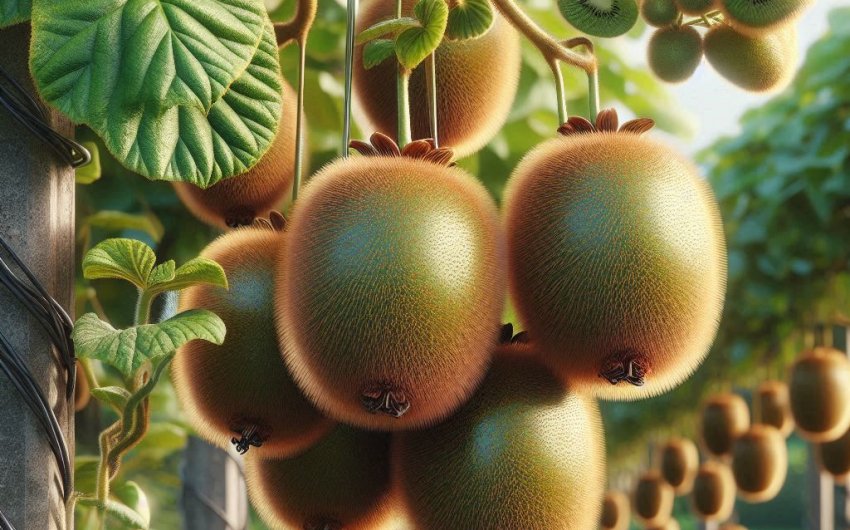
Learning how to grow kiwifruit in temperate climates is an exciting endeavor for home gardeners eager to cultivate this delicious, nutrient-rich fruit. While often associated with warmer regions, several hardy varieties thrive in areas with distinct seasons, including cold winters. With careful planning for proper pollination, support, and pruning, you can successfully establish a productive kiwifruit vine and enjoy your own homegrown harvest.
What Are the Best Kiwifruit Varieties for Temperate Climates?
Choosing the right kiwifruit variety is the first critical step for success in temperate climates. Not all kiwifruit can handle cold winters. There are two main types to consider, each with specific chilling requirements and hardiness levels.
Actinidia deliciosa (Fuzzy Kiwifruit)
These are the most common kiwifruit found in grocery stores, known for their fuzzy brown skin and vibrant green flesh. They require a significant amount of "chilling hours" (hours below 45°F or 7°C but above 32°F or 0°C) during winter to set fruit properly.
- Chilling Requirement: Typically 600-800 chilling hours.
- Hardiness: Generally hardy to about 10°F (-12°C), some varieties slightly colder. They are more susceptible to late spring frosts damaging new shoots.
- Popular Varieties for Temperate Zones (within their hardiness limits):
- 'Hayward': The most common commercial variety, large fruit, excellent flavor. Requires long growing season and high chilling. Often needs a compatible male pollinator like ‘Tomuri’ kiwifruit.
- 'Blake': A self-fertile variety that can produce fruit without a male, though a male pollinator will increase yield. It's still a fuzzy kiwi.
- ‘Saanichton 12’ (also known as ‘Saanichton’): A large-fruited fuzzy kiwi developed in Canada, known for being relatively hardy for a deliciosa type, but still requires significant chilling.
Actinidia arguta (Hardy Kiwifruit or Kiwi Berry)
These are smaller, smooth-skinned kiwifruit (about grape-sized) that can be eaten whole. They are significantly more cold-hardy than fuzzy kiwis and require fewer chilling hours, making them ideal for truly temperate and even colder climates.
- Chilling Requirement: Typically 200-400 chilling hours.
- Hardiness: Extremely hardy, down to -25°F to -30°F (-32°C to -34°C). This makes them a much safer bet for areas with harsh winters.
- Popular Varieties:
- ‘Ananasnaya’ (also known as ‘Anna’): One of the most popular green-fruited varieties, known for its sweet, pineapple-like flavor. Needs a male pollinator like ‘Meader’ male kiwi or ‘Hardy Male’.
- ‘Issai’: A partially self-fertile variety that produces small, very sweet fruit. While it can produce some fruit without a male, yield is significantly improved with a compatible male pollinator. Good for smaller spaces.
- ‘Ken’s Red’: Produces attractive red-skinned, red-fleshed fruit with excellent flavor. Needs a male pollinator.
- ‘Meader’: A common male pollinator that can pollinate 'Ananasnaya', 'Issai', and other female hardy kiwi varieties. It does not produce fruit itself.
- ‘Hardy Male’: Another good all-purpose male pollinator for many arguta females.
Important Considerations for Variety Selection:
- Pollination: Most kiwifruit varieties are dioecious, meaning male and female flowers are on separate plants. You must plant at least one male vine for every 5-9 female vines for fruit production. Self-fertile varieties like ‘Issai’ will produce some fruit on their own, but yields are much higher with a male pollinator nearby.
- Ripening Time: Consider the length of your growing season. Some varieties ripen earlier than others.
- Space: Fuzzy kiwis grow larger and more vigorously than hardy kiwis, so factor in the available space.
What Are the Site and Soil Requirements for Kiwifruit?
Establishing your kiwifruit in the right location with appropriate soil is crucial for healthy growth and abundant fruit production. These vigorous vines have specific needs for sunlight, drainage, and soil composition.
Sunlight Needs
- Full Sun: Kiwifruit vines thrive in full sun, meaning at least 6-8 hours of direct sunlight per day. More sun generally leads to better fruit production and sweeter fruit.
- Protection from Extreme Heat: In very hot climates, some afternoon shade can be beneficial to prevent scorching, but in most temperate zones, full sun is preferred.
- Morning Sun is Key: Morning sun helps to dry dew from the leaves, which can reduce the risk of fungal diseases.
Soil Requirements
Kiwifruit prefer a well-draining, slightly acidic soil that is rich in organic matter.
Drainage: This is paramount. Kiwifruit vines hate "wet feet" (soggy roots) and are highly susceptible to root rot in poorly draining soil.
- Test Drainage: Dig a hole about 1 foot deep and 1 foot wide. Fill it with water. If the water takes longer than 2-4 hours to drain, your soil has poor drainage.
- Improve Drainage: If drainage is poor, amend the soil significantly with organic matter like compost, peat moss, or well-rotted pine bark. Alternatively, consider planting on a raised mound or in a raised garden bed to ensure adequate drainage.
Soil pH:
- Slightly Acidic: Kiwifruit prefer a soil pH between 5.5 and 6.5.
- Test pH: Use a soil pH testing kit to determine your soil's current pH.
- Adjust pH:
- To Lower pH (make more acidic): Add elemental sulfur or acidifying fertilizer.
- To Raise pH (make more alkaline): Add agricultural lime.
- Make adjustments gradually over time, as large changes can stress plants.
Nutrient Content:
- Rich in Organic Matter: Amend your soil generously with well-rotted compost before planting. This improves soil structure, drainage, and provides a slow release of nutrients.
- Avoid Fresh Manure: Do not use fresh manure as it can burn roots.
Site Selection Considerations
- Shelter from Wind: Kiwifruit vines, especially young ones, are susceptible to wind damage. Choose a location that offers some protection from strong winds, such as near a building, fence, or hedge. Strong winds can also strip flowers, impacting pollination.
- Late Frost Protection: In areas prone to late spring frosts, avoid planting in frost pockets (low-lying areas where cold air settles). A slight slope can help cold air drain away. Young shoots are very tender and can be damaged by late frosts, which impacts that year's crop.
- Support System: Kiwifruit are vigorous vines and require a strong support system. Plan for this before planting. We will cover this in detail in the next section.
- Pollinator Proximity: If planting dioecious varieties (separate male and female plants), ensure the male plant is within 20-50 feet of the female plants for effective wind and bee pollination.
By carefully preparing your site and soil, you lay the groundwork for healthy, productive kiwifruit vines that will thrive in your temperate climate.
What Kind of Support System Do Kiwifruit Vines Need?
Kiwifruit vines are incredibly vigorous growers that require a strong and durable support system from the moment they are planted. Without proper support, their sprawling nature will lead to a tangled mess, poor fruit production, and difficulty in maintenance.
Why Support is Essential
- Vigorous Growth: Kiwifruit vines can grow many feet in a single season.
- Fruit Load: The weight of mature vines combined with a heavy fruit load can easily break branches or collapse flimsy supports.
- Air Circulation and Light: Training vines on a support system ensures good air circulation, reducing disease, and allows all parts of the plant to receive adequate sunlight for fruit ripening.
- Ease of Management: Makes pruning, thinning, and harvesting much simpler.
Common Support System Types
T-Bar Trellis System:
- Description: This is the most common and often recommended support system for commercial and home kiwifruit growers. It consists of sturdy posts (4x4 or larger, minimum 8-10 feet tall, with 2-3 feet buried) spaced 15-20 feet apart, connected by strong wires (9-12 gauge) running horizontally. A cross-arm (T-bar) typically 4-6 feet wide is attached to the top of each post to support multiple wires.
- Construction:
- Set strong end posts with braces to withstand tension.
- Run 3-5 high-tensile wires horizontally across the tops of the posts, with the main trunk tied to the central wire. Side branches are trained along the outer wires.
- Pros: Provides excellent support for heavy yields, allows for easy management and uniform sun exposure.
- Cons: Requires significant upfront construction and material cost.
- Best for: Most long-term kiwifruit plantings, especially fuzzy kiwis or multiple hardy kiwi plants.
Pergola or Arbor:
- Description: A sturdy overhead structure that allows vines to grow up and over, providing shade and an attractive feature.
- Pros: Creates a beautiful living canopy, excellent for providing shade over a patio. Can support very large vines.
- Cons: Can make harvesting and pruning more challenging as fruit and foliage are overhead. Requires very strong construction.
- Best for: Decorative purposes where some fruit production is desired, or where space allows for a very large, sprawling vine.
Strong Fences or Walls with Wires:
- Description: Training vines along an existing sturdy fence or wall, using horizontal wires (or even vertical wires) spaced 1-2 feet apart.
- Pros: Utilizes existing structures, can be a space-saving method. Benefits from radiant heat from a wall in cooler climates.
- Cons: Limited in size by the fence/wall dimensions. May not provide optimal airflow if too dense against a solid surface.
- Best for: Single vines in smaller gardens where a dedicated trellis isn't feasible. Ensure the fence is strong enough to support mature vines.
Heavy-Duty Garden Trellises:
- Description: For very small-scale plantings or when just starting out, a very sturdy metal or wooden garden trellis can work.
- Pros: Simpler to install than a T-bar system.
- Cons: Most standard garden trellises are too flimsy for mature kiwifruit vines. Needs to be exceptionally robust, like a heavy-duty metal garden trellis. Will likely not support a full yield.
- Best for: A single hardy kiwi vine in its early years, but plan to upgrade to a more robust system.
Key Considerations for Building a Support System
- Strength: Whatever system you choose, ensure it is exceptionally strong. Think about the weight of a mature vine full of fruit, plus the force of wind. Use galvanized steel wire or similar sturdy material.
- Height: The main support wires should be at least 6-7 feet off the ground for ease of management and to allow vines to hang freely.
- Anchoring: Posts must be well-anchored in the ground, preferably with concrete, especially end posts that bear tension.
- Training: As the vine grows, gently tie the main stem to the central support wire. Train permanent side branches (cordons) along the lateral wires. Use soft ties like garden Velcro ties or old cloth strips to avoid girdling the stem.
How Do You Plant Kiwifruit Vines?
Properly planting your kiwifruit vines is a critical step in their establishment and long-term success. Careful attention to detail during planting ensures strong root development and a healthy start.
When to Plant
- Spring: The best time to plant kiwifruit vines is in early spring, after the danger of the last hard frost has passed and before new growth begins vigorously. This allows the roots to establish in warming soil before the heat of summer.
- Fall (in milder climates): In very mild temperate climates, fall planting can also be an option, but ensure there's enough time for roots to establish before winter. Spring is generally safer for most temperate zones.
Steps for Planting
Prepare the Hole:
- Size: Dig a planting hole that is at least twice as wide as the root ball and just as deep as the root ball. For poor soils, make the hole even wider to accommodate significant amendments.
- Amend Soil: As discussed, amend the excavated soil with plenty of well-rotted compost or other organic matter to improve drainage and fertility. Mix it thoroughly.
Set Up Support:
- Prioritize Support: Install your chosen support system (T-bar, pergola, or sturdy trellis) before you plant the vine. It's much easier to do this without a delicate plant in the way, and the vine needs immediate support.
Prepare the Plant:
- Water Well: Water the potted kiwifruit plant thoroughly a few hours before planting to ensure the root ball is moist.
- Remove from Pot: Gently remove the plant from its nursery pot. If the roots are circling the pot (root-bound), gently tease them apart or make a few vertical cuts down the root ball with a clean knife to encourage outward growth.
Place the Plant:
- Depth: Place the kiwifruit plant in the center of the prepared hole so that the top of the root ball is at the same level as the surrounding ground. Do not plant too deep.
- Orientation: If you have a specific training plan, orient the plant so that its main stem can easily be tied to the central support.
Backfill and Water:
- Fill the Hole: Carefully backfill the hole with the amended soil, gently firming it around the root ball to remove any large air pockets.
- Create a Berm: Create a small soil berm or ridge around the edge of the planting hole to help retain water.
- Water Deeply: Water the newly planted vine deeply and thoroughly. This helps settle the soil around the roots.
Mulch:
- Apply Mulch: Apply a 2-4 inch layer of organic mulch (such as shredded bark, wood chips, or straw) around the base of the plant. Keep the mulch a few inches away from the main stem to prevent rot.
- Benefits: Mulch helps retain soil moisture, suppress weeds, and regulate soil temperature.
Initial Training and Pruning:
- Tie to Support: Immediately after planting, gently tie the main stem of the young vine to your chosen support system using soft ties like garden tape.
- Pruning (Initial):
- If your plant has multiple shoots, select the strongest one to be your main leader and gently prune off weaker side shoots to encourage vertical growth.
- For some varieties, you may cut the top of the leader back to a strong bud to encourage branching if it's a very short plant, but generally, allow the main leader to grow upwards to the support wires.
Key Considerations After Planting:
- Patience: Kiwifruit vines typically take 3-5 years to start producing significant fruit, although some hardy varieties may fruit sooner.
- Labeling: Clearly label male and female plants to avoid confusion later.
- Watering: Consistent watering is crucial during the first year of establishment. Keep the soil consistently moist but never soggy.
What Are the Watering and Fertilizing Needs of Kiwifruit?
Providing adequate watering and fertilizing is essential for healthy growth and abundant fruit production in kiwifruit vines, especially given their vigorous nature. They are relatively heavy feeders and drinkers.
Watering Kiwifruit
Consistent moisture is vital for kiwifruit, particularly during the growing season and fruit development.
Establishment Phase (First Year):
- Frequency: Young vines need consistent moisture to establish a strong root system. Water deeply every few days, ensuring the soil remains moist but not waterlogged.
- Check Soil: Always check the soil moisture before watering by sticking your finger a few inches deep. If it feels dry, water.
Mature Vines:
- Regular Deep Watering: Mature kiwifruit vines need regular deep watering, especially during dry spells, flowering, and fruit development. In hot, dry weather, this might mean watering deeply 2-3 times a week.
- Amount: Aim to provide enough water to soak the root zone thoroughly, which can be several gallons per watering for a mature vine.
- Avoid Stress: Inconsistent watering (alternating between very wet and very dry) can stress the plant and lead to problems like small fruit, fruit drop, or blossom end rot in some plants (though less common in kiwi than tomatoes).
- Mulch: A 2-4 inch layer of organic mulch around the base of the vine (keeping it away from the trunk) is highly recommended. It helps retain soil moisture, suppresses weeds, and moderates soil temperature, reducing the need for frequent watering.
- Drip Irrigation: For multiple vines, installing a drip irrigation system is an efficient way to provide consistent deep watering.
Fertilizing Kiwifruit
Kiwifruit vines are heavy feeders and benefit from regular fertilization. The exact requirements will depend on your soil test results.
Soil Testing:
- Before planting, and every 2-3 years thereafter, conduct a soil test through your local cooperative extension office. This will give you precise recommendations for your soil's nutrient deficiencies and pH. A home soil test kit can give you a general idea.
First Year (Establishment):
- Minimal Nitrogen: During the first year, go easy on nitrogen. Too much nitrogen encourages leafy growth at the expense of root development.
- Balanced or Starter Fertilizer: If your soil is poor, apply a light application of a balanced starter fertilizer or a slow-release granular fertilizer formulated for trees and shrubs.
- Compost: Incorporating compost at planting is often sufficient for the first year.
Mature Vines (Year 2 Onwards):
- Nitrogen: Kiwifruit need a good amount of nitrogen for vigorous vine growth. However, excessive nitrogen can lead to too much vegetative growth and reduced fruit set.
- Potassium and Phosphorus: Adequate potassium and phosphorus are important for flowering and fruit development.
- Magnesium: Kiwifruit can also be sensitive to magnesium deficiency, which can cause yellowing between leaf veins (chlorosis).
- General Recommendation: A common recommendation is a balanced fertilizer like a 5-10-10 or 10-10-10, or organic options like blood meal (for nitrogen), bone meal (for phosphorus), and greensand or potash (for potassium).
- Timing:
- Spring: Apply fertilizer in early spring, just as new growth begins. This provides nutrients for the flush of growth and flowering.
- Early Summer: A second lighter application can be made in early summer, especially if growth is slow or fruit set is heavy. Avoid fertilizing too late in the season, as this can encourage new growth that is vulnerable to winter cold.
- Application: Apply granular fertilizers evenly around the drip line of the vine (the area directly beneath the outer edge of the branches) and gently scratch into the soil, then water thoroughly. Always follow product label instructions for rates.
- Organic Amendments: Regular additions of well-rotted compost and alfalfa meal can slowly build soil fertility and improve structure.
Signs of Nutrient Deficiency
- Yellowing Leaves: Can indicate nitrogen or iron deficiency.
- Stunted Growth: Overall lack of vigor, often related to general nutrient deficiency.
- Poor Fruit Set: Can be due to a lack of phosphorus or potassium.
- Yellowing Between Leaf Veins (Green Veins): Often a sign of magnesium or iron deficiency.
Address any deficiency promptly with targeted amendments after confirming with a soil test.
How Do You Prune Kiwifruit Vines for Fruit Production?
Pruning kiwifruit vines is one of the most critical practices for maximizing fruit production and maintaining plant health. Without proper pruning, vines become overgrown, tangled, and produce fewer, smaller fruits. Kiwifruit fruit primarily on new growth that originates from one-year-old wood.
Understanding Kiwifruit Growth Habits
- Permanent Framework: Establish a main trunk and permanent cordon arms (horizontal branches) that extend along your trellis or support wires.
- Fruiting Wood: Fruit is produced on new shoots (current season's growth) that emerge from last year's wood (one-year-old wood).
- Vegetative Shoots: These are non-fruiting shoots that primarily produce leaves.
- Suckers: Growth emerging from the base of the plant or below the graft union.
Pruning Times
Kiwifruit require both dormant (winter) and summer pruning.
Dormant (Winter) Pruning:
- When: Late winter, typically January to early March, after the coldest weather has passed but before new growth begins. The plant is leafless, making cuts easier to see.
- Purpose: Establishes the framework, removes old fruiting wood, and sets up the vine for the upcoming season's production.
- Steps:
- Establish a Main Trunk: Select one strong, straight stem to be your permanent main trunk. Remove all other stems arising from the ground.
- Form Cordons (Permanent Arms): Train one or two strong lateral shoots (cordons) horizontally along your main support wires. These will be the permanent arms from which fruiting wood emerges.
- Remove Old Fruiting Canes: Identify branches that fruited the previous season. These will be thicker, woodier, and have remnants of fruit stems. Cut these back to 2-3 buds from the permanent cordon, or back to a strong new side shoot.
- Select New Fruiting Canes: Identify strong, healthy, one-year-old canes (medium thickness, lighter brown color) that grew last season. These are your potential fruiting canes for the upcoming year. Leave enough of these (spaced about 1 foot apart) along the cordons.
- Remove Dead/Damaged Wood: Cut out any dead, diseased, or crossing branches.
- Control Vigor: Cut back excessively long or crowded new canes to a manageable length (e.g., 6-10 feet) to prevent tangling.
Summer Pruning:
- When: Several times during the growing season, typically from late spring (after fruit set) through mid-summer.
- Purpose: Manages vigorous growth, improves air circulation, ensures light penetration to fruit, and controls the overall size of the vine.
- Steps:
- Remove Excess Vegetative Growth: Prune back vigorous, non-fruiting shoots (water sprouts) that are shading fruit or creating a dense canopy. Aim for a balance between leaves (for photosynthesis) and light penetration.
- Tip Back Fruiting Laterals: After fruit has set on the new shoots (which emerge from the one-year-old wood), count 4-6 leaves beyond the last fruit cluster on these shoots and prune off the tip. This directs the plant's energy into fruit development rather than continued shoot growth.
- Remove Suckers: Continuously remove any suckers growing from the base of the vine or below the graft union throughout the season.
- Maintain Clear Zone: Keep the area around the main trunk clear of new growth to promote good airflow.
Key Pruning Tools
- Hand Pruners: For smaller cuts up to 3/4 inch. Keep them sharp and clean. Bypass pruners are generally preferred for cleaner cuts.
- Loppers: For thicker branches (up to 1.5-2 inches). Bypass loppers provide better cuts.
- Pruning Saw: For very thick, woody branches that cannot be cut with loppers.
- Sterilizing Solution: Clean your tools with rubbing alcohol or a bleach solution between plants or after cutting diseased wood to prevent disease spread.
Long-Term Pruning Strategy
- Patience: The first few years are about establishing the framework (trunk and cordons). Minimal fruit may be produced during this time.
- Renewal: As your permanent cordons age (after 5-7 years), they may become less productive. Plan to gradually replace old cordons with strong new shoots that emerge from the main trunk, retraining them along the wires. This renewal pruning keeps the vine productive.
Consistent and thoughtful pruning is what transforms a sprawling kiwifruit vine into a highly productive fruiting machine, making it a manageable and rewarding plant to grow kiwifruit in temperate climates.
When and How Do You Harvest Kiwifruit?
Knowing when and how to harvest kiwifruit is crucial for enjoying delicious, ripe fruit from your garden. Unlike many fruits, kiwifruit are often harvested before they are fully soft and ripe on the vine, especially fuzzy varieties.
When to Harvest
The exact harvest time depends on your specific kiwifruit variety and your climate zone, but there are key indicators to look for.
Fuzzy Kiwifruit (Actinidia deliciosa):
- Timing: Typically late fall, before the first hard frost. In many temperate climates, this means late September through November.
- Key Indicators:
- Seeds Turn Black: This is the most reliable indicator. Cut open a sample fruit. If the seeds are black, the fruit is physiologically mature and can be harvested. If they are still green or white, the fruit is too immature.
- Taste Test (Optional, from sample): A mature fruit will have a slightly sweet taste, even if firm. Immature fruit will be very tart.
- Hardiness to Frost: While fuzzy kiwis prefer to ripen off the vine, they can withstand a light frost (down to about 28°F or -2°C) without significant damage. However, a hard freeze (below 25°F or -4°C) will damage them. It's best to harvest before a prolonged hard freeze is predicted.
Hardy Kiwifruit (Actinidia arguta or Kiwi Berries):
- Timing: Generally earlier than fuzzy kiwis, often late summer to early fall (August to October) depending on the variety and climate.
- Key Indicators:
- Softening: Unlike fuzzy kiwis, hardy kiwis should be allowed to soften on the vine for optimal flavor, or at least show signs of softening.
- Color Change: Some varieties will show a slight color change, e.g., 'Ananasnaya' might develop a reddish blush.
- Taste Test: The best indicator is a taste test. Pick a few and let them ripen on the counter for a day or two. When they are sweet and juicy, they are ready to pick from the vine (or close to it).
- Easy Separation: Ripe hardy kiwis will easily detach from the stem with a gentle tug.
- Skin Condition: The skin will be smooth and unblemished.
How to Harvest
Technique:
- Fuzzy Kiwifruit: Grasp the fruit and gently twist it off the vine, leaving the stem attachment (pedicel) on the vine. Avoid pulling, which can damage the cane. Place fruits gently in a bucket or basket to avoid bruising.
- Hardy Kiwifruit: Simply pluck the individual berries from the vine when they are ready. They should separate easily with a slight tug.
Tools:
- For fuzzy kiwis, you might find small fruit snips helpful, but often a gentle twist is enough.
- For hardy kiwis, no special tools are needed.
Ripening and Storage
- Fuzzy Kiwifruit (Post-Harvest Ripening):
- Firm Harvest: Fuzzy kiwis are harvested when firm and mature (seeds black), but not yet ripe.
- Ripening Process: To ripen, place them in a bowl with apples or bananas. These fruits release ethylene gas, which triggers ripening. Check daily for softness.
- Storage: Store firm, unripened kiwis in the refrigerator for several weeks to months (they store very well). Once ripe, store them in the refrigerator for about a week.
- Hardy Kiwifruit (Immediate Consumption):
- Ready to Eat: Hardy kiwis are usually eaten shortly after harvest when they are soft and sweet.
- Short Storage: They have a shorter shelf life than fuzzy kiwis. Store ripe hardy kiwis in the refrigerator for a few days to a week. For slightly unripe ones, you can also use the ethylene method to hasten ripening.
- Freezing: Hardy kiwis freeze well whole for later use in smoothies or desserts.
What Are Common Pests and Diseases of Kiwifruit and How to Manage Them?
While generally robust, kiwifruit vines can encounter certain pests and diseases, especially in temperate climates. Proactive monitoring and appropriate management are key to keeping your vines healthy and productive.
Common Pests
Leafrollers:
- Description: Small caterpillars that roll themselves up in leaves, feeding from within. They can damage foliage and sometimes fruit.
- Symptoms: Rolled or folded leaves, small holes in leaves.
- Management:
- Hand-picking: For light infestations, physically remove and destroy rolled leaves and caterpillars.
- Beneficial Insects: Encourage natural predators like parasitic wasps.
- Organic Sprays: For heavier infestations, use Bacillus thuringiensis (Bt), an organic spray that targets caterpillars and is safe for beneficial insects.
Scale Insects:
- Description: Small, motionless insects that attach to stems and leaves, feeding on plant sap. They appear as small bumps (often brown or white). Can lead to sticky honeydew and sooty mold.
- Symptoms: Yellowing leaves, stunted growth, sticky residue, black sooty mold.
- Management:
- Pruning: Prune out heavily infested branches during dormant season.
- Horticultural Oil: Apply horticultural oil (neem oil also works) during the dormant season to smother overwintering scales. Spot treat live scales with oil or insecticidal soap during the growing season.
- Beneficial Insects: Ladybugs and parasitic wasps prey on scale.
Spider Mites:
- Description: Tiny arachnids that suck plant juices, causing stippling (tiny dots) on leaves and sometimes fine webbing. Thrive in hot, dry conditions.
- Symptoms: Yellow or bronze stippling on leaves, premature leaf drop, fine webbing on undersides of leaves or between branches.
- Management:
- Strong Water Spray: A forceful spray of water can dislodge mites.
- Insecticidal Soap/Neem Oil: Apply insecticidal soap or neem oil spray to both top and bottom surfaces of leaves.
- Predatory Mites: Introduce beneficial predatory mites.
Japanese Beetles (Region-Specific):
- Description: Shiny green and copper beetles that skeletonize leaves (eat tissue between veins).
- Symptoms: Leaves look lacy, chewed.
- Management:
- Hand-picking: Pick beetles off by hand (especially in the morning) and drop into soapy water.
- Traps (Use with Caution): Japanese beetle traps can attract more beetles than they catch, so place them far away from your vines.
- Neem Oil: Can deter feeding.
Gophers/Voles (Root Damage):
- Description: Rodents that can chew on roots, potentially girdling and killing young vines.
- Symptoms: Sudden wilting and death of an otherwise healthy vine, often with no apparent above-ground cause.
- Management:
- Root Baskets: Plant young vines in gopher baskets made of hardware cloth.
- Trapping: Set appropriate traps.
Common Diseases
Kiwifruit are generally robust, but some fungal diseases can occur, especially in humid conditions or with poor air circulation.
Phytophthora Root Rot:
- Description: A water mold that attacks roots in overly wet, poorly draining soils.
- Symptoms: Yellowing, wilting, stunted growth, premature leaf drop, and eventual death of the vine. Roots will appear dark and mushy.
- Management:
- Prevention is Key: Ensure excellent soil drainage. This is the single most important factor. Avoid overwatering.
- Planting Location: Do not plant in known low spots or areas with standing water.
- Raised Beds: Consider planting in raised garden beds if drainage is a persistent issue.
Botrytis Gray Mold (Fruit Rot):
- Description: A fungal disease that can affect flowers (causing them to drop) and ripening fruit, especially in cool, humid conditions.
- Symptoms: Brown, soft spots on fruit, often with a fuzzy gray mold.
- Management:
- Good Air Circulation: Prune vines to ensure good air movement through the canopy.
- Sanitation: Remove and dispose of any affected fruit or plant debris promptly.
- Avoid Overhead Watering: Water the base of the plant to keep foliage dry.
Armillaria Root Rot (Oak Root Fungus):
- Description: A serious fungal disease that attacks the roots of many woody plants. Common in areas where oak trees previously grew.
- Symptoms: Decline of the vine, yellowing leaves, eventual death. A mushroom growth may appear at the base of the trunk in fall.
- Management:
- Avoid Planting: Do not plant kiwifruit in areas where infected trees previously grew.
- Resistant Rootstock: If available, choose plants grafted onto resistant rootstock.
- No Chemical Cure: Once established, there is no effective chemical cure.
General Disease and Pest Prevention
- Site Selection: Choose a site with good air circulation and full sun.
- Proper Pruning: Maintain an open canopy through regular dormant and summer pruning to improve airflow and light penetration.
- Good Soil Drainage: Absolutely critical to prevent root rot.
- Sanitation: Remove fallen leaves, fruit, and any diseased plant material promptly.
- Healthy Plants: Well-watered and properly fertilized plants are more resistant to pests and diseases.
- Monitor Regularly: Inspect your vines frequently for early signs of trouble. Early detection can make management much easier.
By proactively managing these potential issues, your journey to grow kiwifruit in temperate climates will be much smoother and more rewarding.