
How to Successfully Grow Pomegranates in Containers?
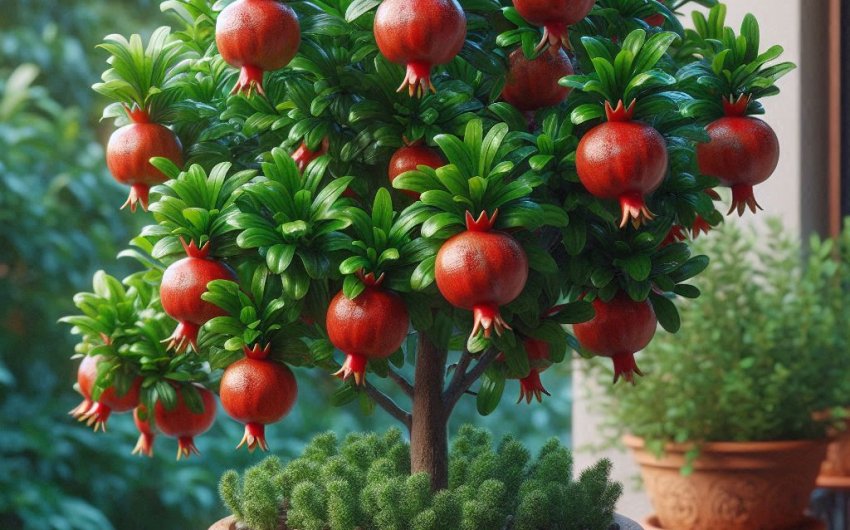
The allure of fresh, homegrown fruit is undeniable, and for many, the exotic beauty and delicious arils of pomegranates are particularly appealing. While these ancient fruits traditionally thrive in warm, sunny climates, modern gardening techniques have opened up possibilities for cultivating them even in colder regions. If you're eager to learn how to successfully grow pomegranates in containers, you're in the right place. This comprehensive guide will cover everything from selecting the right dwarf varieties to providing optimal care, ensuring you can enjoy the satisfaction of harvesting your own vibrant pomegranates, no matter your climate zone.
Why grow pomegranates in containers?
Growing pomegranates in containers offers numerous advantages, particularly for gardeners who don't live in traditionally warm climates or have limited yard space.
What are the main benefits of container growing?
- Climate Flexibility: This is the most significant advantage. Pomegranates are hardy to USDA Zones 7-10, meaning they can only stay outdoors year-round in these warmer areas. Container growing allows you to move the plant indoors during winter, protecting it from freezing temperatures and expanding its viable growing range.
- Space Saving: Ideal for small yards, patios, balconies, or even rooftops where in-ground planting isn't feasible. Dwarf and semi-dwarf varieties are particularly well-suited for pots.
- Soil Control: You have complete control over the potting mix, ensuring perfect drainage and nutrient content, which can be challenging with native garden soil.
- Pest and Disease Management: Containerized plants can sometimes be easier to monitor and treat for pests and diseases, and isolation is simpler if an issue arises.
- Aesthetics: Pomegranate trees are beautiful ornamental plants with attractive foliage, vibrant flowers, and striking fruit, adding a touch of the exotic to any patio.
What are the challenges of growing pomegranates in containers?
While beneficial, container growing does come with its own set of challenges.
- Frequent Watering: Container plants dry out much faster than in-ground plants, requiring more diligent and frequent watering, especially during hot weather.
- Nutrient Depletion: Nutrients leach out of the potting mix more quickly, necessitating a consistent fertilization schedule.
- Temperature Fluctuations: Containers can heat up quickly in direct sun, potentially stressing roots.
- Root Bound: Plants can become root-bound faster, requiring regular repotting.
- Weight: Large containers with soil can be very heavy, making them difficult to move. Consider plant caddies with wheels.
What are the best pomegranate varieties for containers?
Not all pomegranates are created equal for container life. Choosing the right variety, particularly dwarf pomegranate types, is crucial for success.
What makes a pomegranate good for containers?
- Dwarf or Semi-Dwarf Size: These varieties are naturally smaller, typically growing 3-6 feet tall, making them manageable in pots.
- Compact Growth Habit: Bushier, less sprawling growth is preferred.
- Fruiting Potential: Some dwarf varieties are primarily ornamental, while others are specifically bred for fruit production even at a smaller size.
- Self-Pollinating: Most pomegranates are self-pollinating, but confirming this ensures fruit even with a single plant.
What are popular dwarf pomegranate varieties for fruit production?
- 'Nana': This is probably the most common and truly dwarf variety, often growing only 2-3 feet tall. It produces small, ornamental flowers and very small fruits (about golf-ball size) that are edible but mostly used for juice or garnish. Primarily grown for its ornamental value and ease of care.
- 'Wonderful' (Dwarf/Compact versions): While 'Wonderful' is a standard large commercial variety, there are compact or semi-dwarf versions available from nurseries that can be managed in large containers. It's known for its large, sweet, juicy fruit. Always confirm you are getting a compact cultivar for container growing.
- 'Eversweet': Known for its virtually seedless arils and sweet flavor. It's a larger semi-dwarf (8-10 ft if unrestricted) that can be pruned to remain manageable in a large container.
- 'Pink Ice': Another sweet, soft-seeded variety that can be grown in containers.
- 'Salavatski': A cold-hardy and highly productive variety that can be kept smaller through pruning.
When purchasing, look specifically for varieties labeled "dwarf," "compact," or suitable for container growing. You can often find dwarf pomegranate trees for sale from reputable online nurseries.
What is the ideal pot and potting mix for pomegranates?
The foundation of successful container growing lies in selecting the right pot and providing an optimal growing medium.
What type and size of pot should I use?
- Material:
- Terracotta/Clay: Good for drainage and aeration, but dry out quickly. Can be heavy.
- Plastic/Resin: Lighter, retain moisture better, but can overheat in direct sun.
- Fabric Grow Bags: Excellent for air pruning roots, preventing root circling, and promoting fibrous root growth. They also offer good drainage and temperature regulation. A large fabric grow bag for fruit trees is a great option.
- Drainage: Absolutely essential! Ensure the pot has ample drainage holes. You can even add extra holes if needed.
- Size: Start with a pot that is at least 15-20 gallons (60-75 liters) for a young dwarf pomegranate. As the plant grows, you will need to gradually move it into larger pots.
- Initial: 10-15 gallon pot for a young plant.
- Mature: Eventually, a mature dwarf pomegranate will need a pot of at least 25-30 gallons (95-115 liters) or even larger. The bigger the pot, the more stable the moisture and nutrients, and less frequent repotting will be needed.
What is the best potting mix for pomegranates in containers?
Pomegranates need a well-draining, slightly acidic to neutral potting mix.
- Characteristics:
- Excellent Drainage: Prevents waterlogging and root rot.
- Good Aeration: Allows oxygen to reach roots.
- Moisture Retention: Holds enough moisture between waterings.
- Components for a DIY mix:
- High-quality potting mix (50-60%): A good base, ensuring it's not too heavy.
- Perlite or Pumice (20-30%): Essential for drainage and aeration. Use horticultural perlite.
- Composted Pine Bark or Coco Coir Chunks (10-20%): Adds structure, drainage, and long-term organic matter. Composted pine bark for plants works well.
- Small amount of Compost (optional): For initial nutrients, but don't overdo it.
Avoid using heavy garden soil, as it compacts easily in pots and leads to poor drainage.
How much sun and water do container pomegranates need?
Providing optimal light and mastering watering are paramount for successful pomegranates in containers.
How much sun is ideal for container pomegranates?
Pomegranates love sun! They are sun-worshippers and need as much direct sunlight as possible to flower and fruit profusely.
- Minimum: At least 6-8 hours of full, direct sun per day.
- Ideal: 8+ hours of full sun.
- Placement: Place your potted pomegranate in the sunniest spot on your patio, deck, or balcony. South or west-facing locations are often best.
Insufficient sun will lead to leggy growth, few flowers, and little to no fruit.
What is the proper watering schedule for container pomegranates?
Container pomegranates need consistent moisture, but hate soggy conditions.
- Check soil moisture: The most reliable method is to check the soil moisture. Stick your finger 2-3 inches into the potting mix. If it feels dry, it's time to water. You can also use a plant moisture meter.
- Thorough watering: When you water, water deeply until water drains out of the bottom of the pot. This ensures the entire root ball is moistened.
- Empty saucer: Never let the pot sit in standing water in a saucer, as this can lead to root rot.
- Frequency: Watering frequency will vary greatly with pot size, temperature, sun exposure, and wind.
- Summer/Fruiting: Daily or every other day may be necessary during hot weather or when the plant is actively fruiting.
- Spring/Fall: Less frequent.
- Winter (dormant): Very infrequent, just enough to keep the soil from completely drying out.
- Consistency: Avoid extreme fluctuations between bone dry and soaking wet. Consistent moisture promotes fruit quality and prevents fruit splitting.
How do you fertilize and prune container pomegranates?
Proper nutrition and strategic pruning are key to maintaining a healthy, productive pomegranate in a container.
What fertilizer should I use and how often?
Pomegranates are moderate feeders, but container plants need more regular fertilization than in-ground plants because nutrients leach out with watering.
- Type: Use a balanced slow-release granular fertilizer for fruit trees in spring, or a liquid fertilizer, such as a 5-1-3 or similar ratio. As the plant begins to flower and fruit, you might switch to a fertilizer slightly higher in phosphorus and potassium. Avoid excessive nitrogen, which can promote leafy growth at the expense of fruit.
- Application:
- Slow-release: Apply according to package directions in early spring.
- Liquid: Apply every 2-4 weeks during the active growing season (spring and summer), diluting to half or quarter strength to avoid over-fertilization.
- Avoid in dormancy: Do not fertilize in fall or winter when the plant is dormant or growth has slowed.
How do you prune a container pomegranate?
Pruning is essential for managing size, encouraging branching, and promoting fruit production on a pomegranate in a container. Pomegranates fruit on new wood, typically 2-year-old wood.
- When to prune: The best time for major pruning is during late winter or early spring when the plant is dormant, before new growth begins. Light maintenance pruning can be done during the growing season.
- Formative pruning (for young plants): Decide whether you want a multi-stemmed bush or a single-trunk tree.
- Bush: Allow multiple suckers to grow from the base.
- Tree: Select 1-3 strong central leaders and remove all other suckers.
- Maintenance pruning:
- Remove suckers: Regularly remove suckers that grow from the base of the plant or below the graft union (if grafted).
- Remove dead/diseased/damaged branches: Cut these out whenever you see them.
- Thin out crowded branches: Improve air circulation and light penetration by removing crossing or weak branches.
- Shape: Prune to maintain a manageable size and shape suitable for your container. Aim for an open structure.
- Encourage fruiting wood: Pomegranates produce fruit on mature wood from the previous year's growth. Avoid over-pruning all new wood.
How do you overwinter container pomegranates in cold climates?
For gardeners outside of USDA Zones 7-10, successful overwintering is the most critical step in how to successfully grow pomegranates in containers long-term.
When should I bring my pomegranate indoors?
- Before first hard frost: Bring your potted pomegranate indoors when nighttime temperatures consistently drop below 40°F (4°C) or before the first hard frost. Pomegranates can tolerate a light frost but are not hardy to freezing temperatures for prolonged periods.
- Dormancy: Many pomegranates are deciduous and will naturally drop their leaves in fall as they enter dormancy. This is normal and a sign they are ready for winter rest.
What are the best overwintering conditions?
- Cool, dormant storage: The ideal overwintering spot is a cool, dark, and frost-free location.
- Temperatures: Maintain temperatures between 35-50°F (1.5-10°C).
- Examples: An unheated garage, basement, shed, or cool utility room.
- Watering during dormancy:
- Very infrequent: Water very sparingly during dormancy, just enough to keep the potting mix from becoming completely bone dry. Overwatering during dormancy is a common killer. Check the soil every 3-4 weeks.
- No fertilizer: Do not fertilize a dormant plant.
- Light (if no dormancy): If you are keeping an evergreen dwarf variety or prefer to keep your deciduous tree in a slightly active state (e.g., in a bright sunroom), it will need abundant light, even indoors. A south-facing window or supplemental LED grow lights for indoor fruit trees would be necessary, and you would water a bit more frequently.
When should I move my pomegranate back outside?
- After last frost: Once all danger of frost has passed in spring and outdoor temperatures are consistently above 45-50°F (7-10°C) at night.
- Harden off: Gradually reintroduce the plant to outdoor conditions over 1-2 weeks. Start by placing it in a shady spot for a few hours a day, gradually increasing its exposure to sun and wind. This prevents leaf scorch.
How do you address common problems with container pomegranates?
Even with the best care, you might encounter issues when growing pomegranates in containers. Knowing how to troubleshoot can save your harvest.
Why isn't my pomegranate flowering or fruiting?
- Lack of sun: The most common reason. Pomegranates need ample direct sunlight (8+ hours) to flower and fruit.
- Immaturity: Young trees (especially from seed) may take a few years to mature enough to flower.
- Too much nitrogen: Excessive nitrogen fertilizer promotes leafy growth at the expense of flowers and fruit. Use a balanced fertilizer.
- Improper watering: Stress from inconsistent watering (too dry or too wet) can inhibit flowering.
- Winter chill (for some varieties): Some varieties may require a certain number of chill hours (temperatures below 45°F) to fruit well.
- Over-pruning: Pruning off the wood that produces flowers (usually 2-year-old wood).
What causes fruit splitting?
Fruit splitting is a common issue with pomegranates and is almost always related to inconsistent watering.
- Inconsistent moisture: When fruit develops during a dry period, the rind becomes firm. If the plant then receives a sudden rush of water (e.g., heavy rain or excessive watering), the arils swell faster than the rind can expand, causing it to split.
- Solution: Maintain consistent soil moisture, especially when fruits are maturing. Implement a drip irrigation system for container plants if possible.
What pests commonly affect pomegranates?
- Aphids, Mealybugs, Whiteflies: Common sap-sucking pests.
- Treatment: Spray with a strong stream of water or use insecticidal soap for fruit trees or neem oil for plants.
- Scale: Small, immobile bumps on stems.
- Treatment: Scrape off or use neem oil/horticultural oil.
- Pomegranate butterfly/fruit borer: Can tunnel into fruits. This is more of an outdoor orchard issue. For container plants, diligent inspection and removal of affected fruit is key.
- Prevention: Consider bagging individual fruits if practical for small container plants.
What diseases can affect container pomegranates?
- Root Rot: Caused by overwatering and poor drainage.
- Prevention: Use well-draining potting mix and ensure excellent drainage.
- Treatment: Repot, prune rotted roots (as described for Alocasia stems).
- Leaf Spot: Fungal diseases that cause spots on leaves.
- Prevention: Good air circulation, avoid overhead watering.
- Treatment: Remove affected leaves, use a copper fungicide for fruit trees if severe.
Embarking on the journey of how to successfully grow pomegranates in containers is a rewarding endeavor that connects you with an ancient and beautiful fruit. By carefully selecting dwarf varieties, providing the perfect potting environment, diligently managing light and water, and mastering strategic pruning and overwintering, you can enjoy the satisfaction of plucking your very own vibrant pomegranates, even from a small patio or balcony.