
Can I Grow Honeyberry Plants in Containers?
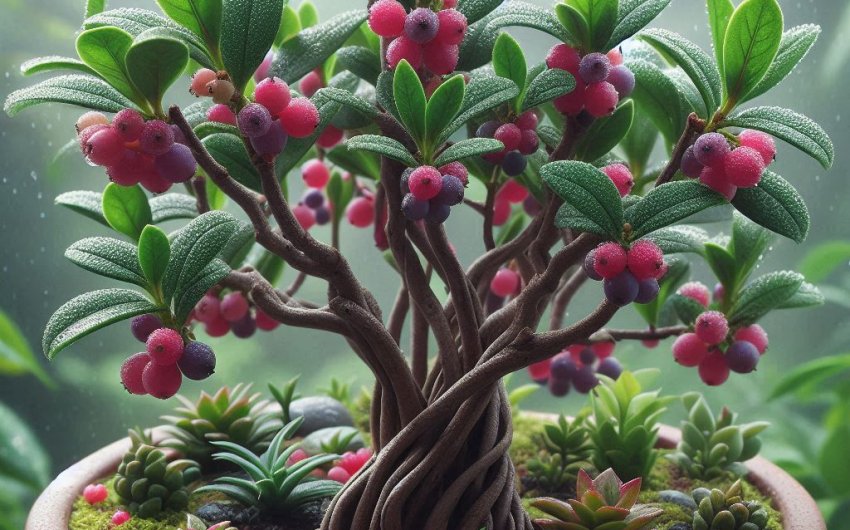
Yes, you can grow honeyberry plants in containers, making them an excellent choice for patios, balconies, or small gardens where in-ground planting isn't feasible. Success hinges on selecting appropriately sized pots, ensuring excellent drainage, and providing consistent care to compensate for the limitations of container growing.
Why Grow Honeyberry Plants in Containers?
Growing honeyberry plants in containers offers several distinct advantages, making them a versatile option for many gardeners.
- Limited Space: Ideal for urban dwellers, apartment residents, or anyone with small patios, balconies, or rooftops where traditional garden beds aren't an option.
- Portability: Containers allow you to move your honeyberry plants to optimize sunlight exposure throughout the day, protect them from harsh weather (like late frosts after blooming or scorching summer heat), or even bring them into a sheltered area for winter.
- Soil Control: You have complete control over the potting mix, ensuring the ideal pH and drainage for honeyberries, especially if your native garden soil is unsuitable.
- Drainage Management: Containers naturally offer excellent drainage (if equipped with holes), which is crucial for honeyberries that dislike "wet feet."
- Pest and Disease Management: Potted plants can sometimes be easier to monitor for pests and diseases, and an affected plant can be isolated to prevent spread.
- Aesthetic Appeal: Honeyberry bushes, with their interesting form and early berries, can be attractive ornamental additions to your outdoor living spaces.
What Are the Best Container Choices for Honeyberry Plants?
Selecting the right container is paramount to successfully growing honeyberry plants in containers. Size, material, and drainage are the most important considerations.
1. Container Size
- Start Big, or Pot Up: While you can start a young honeyberry in a 5-gallon pot, for long-term growth and fruit production, you'll need larger containers.
- Minimum Size: Aim for a container that is at least 15-20 gallons (equivalent to roughly 18-20 inches in diameter and depth) for a mature honeyberry bush. Honeyberries can grow quite large (3-6 feet tall and wide), so adequate root space is vital.
- Consider a Half Whiskey Barrel: These often work well due to their volume.
- Why Size Matters: Larger containers hold more soil, which means:
- More nutrients for the roots.
- Better moisture retention, reducing how often you need to water.
- More insulation for the roots against temperature fluctuations.
- More stable against tipping in wind.
2. Drainage
- Absolutely Essential: Your chosen container must have adequate drainage holes at the bottom. Honeyberries cannot tolerate soggy conditions, which lead to root rot.
- Avoid Saucers (or Empty Immediately): If you use a saucer underneath, ensure it doesn't hold standing water. Empty it within 30 minutes after watering.
- No Drainage Layer: Do not add a layer of gravel or broken pot pieces at the bottom of the pot. This actually hinders drainage by creating a perched water table, which keeps the root zone too wet.
3. Container Material
- Plastic (Darker Colors): Lightweight, affordable, and retains moisture well. Darker colors absorb heat, which can be beneficial in cooler climates for warming the root zone in spring, but can overheat roots in very hot, direct sun.
- Fabric Grow Bags: Excellent for aeration and drainage, preventing root circling (air-pruning roots). They keep roots cooler in hot climates. They do dry out faster than plastic pots. A Fabric Grow Bag is a great choice.
- Terracotta/Unglazed Clay: Porous, allows soil to breathe and excess moisture to evaporate. Can be heavy and breakable. Dries out faster, requiring more frequent watering, but good for root health.
- Wood (e.g., Whiskey Barrels): Provides good insulation against temperature swings. Can be heavy and will eventually rot over time. Ensure they are untreated or food-safe if treating.
What is the Best Potting Mix for Honeyberries in Containers?
The right potting mix is crucial for success when growing honeyberry plants in containers, as it needs to provide proper drainage, aeration, and nutrient retention.
High-Quality Potting Mix: Do NOT use native garden soil, as it compacts in containers and suffocates roots. Use a high-quality, lightweight, and well-draining potting mix specifically formulated for containers.
Acidic Mix (Ideal pH): Honeyberries prefer a slightly acidic to neutral pH (6.0-7.0). Look for potting mixes that cater to acid-loving plants, or amend your mix accordingly.
AdvertisementExcellent Drainage: This is paramount. The mix should be chunky and allow water to flow through freely.
Recommended Components for a DIY Mix:
- Coir or Peat Moss: Provides good moisture retention and slight acidity. Peat Moss for Plants is often a key ingredient.
- Perlite or Pumice: Essential for aeration and drainage. Add generously. A bag of Perlite for Plants is a must-have.
- Compost or Worm Castings: Adds nutrients and beneficial microbes. Use a good quality Organic Compost.
- Pine Bark Fines (Optional): Helps with drainage and provides some acidity.
Example Mix Ratio (Approximate):
- 2 parts high-quality potting mix
- 1 part perlite or pumice
- 1 part compost or well-rotted pine bark fines
How Do You Plant Honeyberry Bushes in Containers?
Proper planting ensures a strong start for your honeyberry plants in containers.
- Prepare the Container: Ensure your chosen container is clean and has ample drainage holes.
- Add Potting Mix: Fill the bottom of the container with a few inches of your prepared potting mix.
- Remove from Nursery Pot: Gently remove the honeyberry plant from its nursery pot. If it's root-bound (roots circling at the bottom), gently tease them apart.
- Position the Plant: Place the honeyberry bush in the center of the container. Ensure the top of the root ball is at the same level as it was in the nursery pot, or slightly below, leaving about 1-2 inches of space from the rim of the new container for watering.
- Fill with Soil: Backfill around the root ball with more potting mix, gently firming it down to remove large air pockets. Do not pack too tightly.
- Water Thoroughly: Water the newly potted honeyberry generously until water drains from the bottom. This settles the soil around the roots.
- Mulch: Apply a 1-2 inch layer of organic mulch (like pine bark chips or shredded leaves) on top of the soil, keeping it away from the base of the stems. This helps retain moisture and regulate temperature.
What Are the Key Care Tips for Container-Grown Honeyberries?
Growing honeyberry plants in containers requires more diligent care than in-ground plants due to the limited soil volume.
1. Watering
- Increased Frequency: Container plants dry out much faster than those in the ground. You will likely need to water container honeyberries daily in hot, dry weather, and every 2-3 days in cooler weather.
- Check Soil Moisture: Always check the soil moisture by sticking your finger 2-3 inches deep. Water when the top few inches feel dry. A Soil Moisture Meter can also be very helpful.
- Thorough Watering: Water deeply until water drains from the bottom of the pot. Discard any standing water in the saucer.
- Consistent Moisture: Avoid extreme wet-dry cycles, as this stresses the plant and impacts fruit production.
2. Sunlight
- Full Sun is Best: Place your container honeyberries in a location that receives at least 6-8 hours of direct sunlight per day for optimal fruit production.
- Portability Advantage: Use the portability of containers to your advantage. Move them to follow the sun or to provide afternoon shade in excessively hot climates.
3. Fertilizing
- More Frequent Than In-Ground: Nutrients leach out of container soil faster than in garden beds.
- Type: Use a slow-release granular fertilizer formulated for berries or acid-loving plants, applied per package directions. Alternatively, use a diluted liquid fertilizer (like fish emulsion or a balanced organic liquid feed) every 2-4 weeks during the growing season. A Slow-Release Berry Fertilizer is a good option.
- Reduced Nitrogen: Ensure the fertilizer is not excessively high in nitrogen, which promotes leafy growth at the expense of fruit.
- Stop in Fall: Cease fertilizing in late summer/early fall to allow the plant to harden off for winter.
4. Pollination (Crucial!)
- Plant Two Varieties: Just like in-ground honeyberries, container-grown plants require cross-pollination. You MUST grow at least two different, compatible honeyberry varieties in separate containers to get fruit.
- Ensure Concurrent Bloom: Select varieties that are known to bloom at the same time.
- Pollinator Activity: Place pots where they can be easily visited by bees. If indoor or on a high balcony, consider hand-pollinating using a small brush if you see flowers.
5. Pruning
- Similar to In-Ground: Pruning principles are the same for container plants. Prune after harvest to encourage new, fruit-producing wood for the following year. Remove dead, diseased, or crossing branches.
- Size Management: Pruning is even more important in containers to manage the bush's size and prevent it from becoming root-bound too quickly.
6. Repotting
- Frequency: Plan to repot your honeyberry bush every 2-3 years, or when it becomes root-bound.
- Refresh Soil: When repotting, either move to a slightly larger container or, if staying in the same size, carefully remove some of the old, depleted soil from the root ball and replace with fresh potting mix.
How Do You Overwinter Honeyberry Plants in Containers?
Overwintering is a critical consideration when growing honeyberry plants in containers, especially in colder climates, as their roots are more exposed than in-ground plants.
- Hardiness: Honeyberries are extremely cold hardy in the ground (down to USDA Zone 2). However, in containers, their roots are more vulnerable to freezing and thawing cycles.
- Root Vulnerability: Roots in pots are exposed to air temperatures. The soil can freeze solid, potentially damaging or killing the roots.
- Overwintering Strategies (USDA Zone 6 and Colder):
- Insulate the Pot: Move the container to a sheltered, unheated location, like an unheated garage, shed, or cold cellar. The temperature should ideally stay consistently cold but above freezing (e.g., 20-40°F or -7 to 4°C).
- Bury the Pot: Dig a trench and bury the entire pot in the ground. This insulates the roots with soil.
- Group Pots: Cluster pots together and wrap them in burlap or bubble wrap for extra insulation. Place them against a warm wall of your house.
- Unheated Greenhouse/Cold Frame: If you have one, this is an ideal spot.
- Watering in Winter: Even when dormant, roots still need a tiny bit of moisture. Check the soil every few weeks and water sparingly if it feels completely dry. Do not let the pot freeze solid when completely dry.
- Dormancy Needs: Honeyberries need a period of cold dormancy (chilling hours) to produce fruit. Do not bring them into a warm indoor living space for winter, as this will prevent fruiting.
What Are the Benefits of Container-Grown Honeyberries?
Embracing growing honeyberry plants in containers opens up delicious possibilities for many gardeners.
- Early Fruit: Honeyberries are among the first fruits to ripen in spring, providing a welcome early harvest.
- Nutrient-Dense: They are packed with antioxidants, vitamins, and minerals.
- Unique Flavor: Their flavor is often described as a mix of blueberry, raspberry, and blackcurrant – tart and sweet.
- Pest Resistance: Generally more pest and disease resistant than many other common berries.
- Decorative: An attractive bush that can add beauty to your patio or deck.
Potential Challenges of Growing Honeyberries in Containers
While feasible, there are considerations when growing honeyberry plants in containers that you should be aware of.
- Increased Watering: This is the biggest challenge. They need significantly more water than in-ground plants, especially in summer.
- Nutrient Depletion: Container soil depletes nutrients faster, requiring more regular fertilization.
- Root Temperature Fluctuations: Roots in containers are more exposed to heat in summer and cold in winter, making proper container material and overwintering strategies crucial.
- Size Limitation: While they can produce, container-grown plants typically won't reach the same size or yield as well-established in-ground bushes.
- Pollination Reliance: The absolute necessity of having two compatible varieties, which means dedicating space for two large containers.
By carefully considering container size and material, preparing the right potting mix, providing consistent water and nutrients, ensuring proper pollination, and implementing a smart overwintering strategy, you can successfully grow honeyberry plants in containers and enjoy their unique, early-season fruit right from your patio or balcony.