
What Type of Soil is Best for Growing Huckleberry Plants?
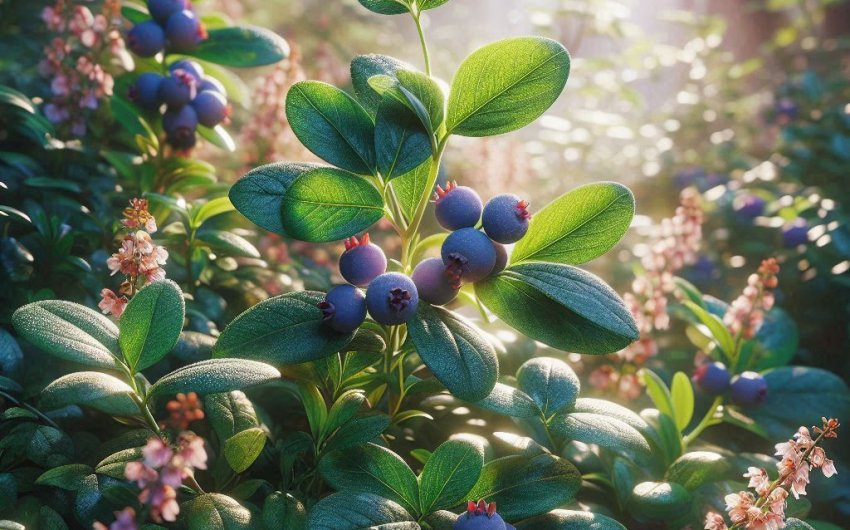
Huckleberry plants are a prized addition to many gardens and wild landscapes, known for their vibrant berries that are not only delicious but also packed with antioxidants and nutrients. Native to North America, huckleberries thrive in specific environments, and ensuring that you provide the right type of soil is essential to cultivating healthy, fruitful plants. Whether you’re growing huckleberries in your backyard garden or on a larger farm, understanding their soil requirements is critical to maximizing their growth and fruit production.
In this article, we will delve into the best soil types for huckleberry plants, discussing factors such as texture, pH balance, drainage, and nutrient content. We will also cover how to amend your soil if necessary and provide tips on maintaining optimal soil health to ensure a successful huckleberry harvest.
1. Ideal Soil Texture for Huckleberry Plants
Soil texture is one of the most important considerations when planting huckleberry plants. These wild berries prefer well-drained, loamy soil that offers a balance between water retention and drainage. The ideal soil for huckleberries should allow the roots to access moisture without becoming waterlogged.
Loamy Soil
Loamy soil is the best option for growing huckleberries because it is a combination of sand, silt, and clay. This mix ensures that the soil retains moisture while still allowing for proper drainage, which is essential for preventing root rot and other moisture-related issues. Loamy soil also tends to be rich in organic matter, which provides the nutrients necessary for strong growth and fruit production.
If your soil isn’t naturally loamy, you can amend it by adding Organic Compost or Peat Moss to improve its structure and water retention capabilities. Mixing in compost not only helps retain moisture but also enhances the nutrient content of the soil.
Sandy Soil
While huckleberries prefer loamy soil, they can tolerate sandy soil if it is well-amended with organic materials. Sandy soil drains too quickly, which can cause the plants to dry out, especially during hot, dry weather. To compensate for this, you should regularly add organic matter, such as Composted Manure, to help the soil retain moisture.
Incorporating Coconut Coir is another effective way to improve sandy soil. This natural, sustainable material enhances moisture retention and helps regulate the soil's water balance, ensuring that huckleberries receive enough hydration.
Clay Soil
Huckleberries can struggle in clay soil, which tends to hold onto water and has poor drainage. Excess water in the soil can lead to root rot, which can be detrimental to huckleberry plants. However, if you have clay soil, it is still possible to grow huckleberries successfully by improving the soil’s structure.
To improve drainage in clay soil, you can mix in sand, Perlite, or compost. These amendments will break up the dense clay particles, allowing for better water flow and aeration. Raised beds are also an excellent option for growing huckleberries in clay soils, as they elevate the roots above the dense, compacted soil, improving drainage and root health.
2. Proper Soil Drainage for Huckleberries
Huckleberry plants require well-drained soil to thrive. Although they need consistent moisture, they are highly sensitive to waterlogged conditions, which can lead to root diseases and poor growth. Ensuring proper soil drainage is key to maintaining the health of your huckleberry plants.
Testing Soil Drainage
To test your soil’s drainage capabilities, dig a hole about 12 inches deep and fill it with water. If the water drains within an hour, your soil has good drainage. However, if the water sits in the hole for longer, it indicates that the soil has poor drainage and needs to be amended.
Using a Soil Drainage Test Kit can help you accurately determine how well your soil drains. This will help you decide if you need to improve the soil’s structure to support huckleberry growth.
Improving Soil Drainage
If your soil has poor drainage, you can improve it by adding organic matter such as Peat Moss, Compost, or Coarse Sand. These materials help create more space between soil particles, improving water flow and preventing water from pooling around the roots.
For areas with particularly poor drainage, consider planting huckleberries in raised beds. Using Raised Bed Kits provides a controlled environment where you can manage soil composition and drainage, ensuring the plants have the optimal growing conditions.
3. Soil pH for Huckleberry Plants
The pH level of the soil is another critical factor for growing healthy huckleberry plants. Huckleberries prefer acidic soil, with an ideal pH range of 4.5 to 5.5. Maintaining this level of acidity ensures that the plants can absorb essential nutrients from the soil, leading to robust growth and abundant berry production.
Testing Soil pH
To ensure that your soil’s pH is within the desired range for huckleberries, you can use a Soil pH Meter. Testing the soil before planting is essential, as pH levels that are too high or too low can interfere with nutrient uptake and stunt plant growth.
Adjusting Soil pH
If your soil’s pH is too high (above 5.5), you can lower it by adding acidic organic materials such as Peat Moss, Pine Needles, or Soil Sulfur. These materials naturally acidify the soil over time, helping to create the perfect environment for huckleberries.
If your soil is too acidic (below 4.5), you can raise the pH by incorporating Garden Lime. Lime neutralizes the acidity in the soil, bringing the pH closer to the optimal range for huckleberries.
Maintaining the correct soil pH is essential for nutrient absorption and overall plant health. Regularly testing your soil and making adjustments as needed will help your huckleberry plants thrive.
4. Nutrient Requirements for Huckleberry Plants
Huckleberry plants, like all fruiting plants, need nutrient-rich soil to produce healthy foliage and bountiful berries. The key nutrients that huckleberries require are nitrogen (N), phosphorus (P), and potassium (K), as well as trace elements such as calcium and magnesium.
Nitrogen
Nitrogen is essential for the healthy growth of leaves and stems in huckleberry plants. A lack of nitrogen can result in slow growth and yellowing leaves. To ensure your plants have adequate nitrogen, consider applying a Nitrogen-Rich Fertilizer during the early stages of plant development.
Phosphorus
Phosphorus is crucial for strong root development and fruit production. A phosphorus deficiency can lead to weak root systems and poor berry yields. Bone Meal is a natural source of phosphorus that can be added to the soil when planting huckleberries to promote healthy roots and encourage fruiting.
Potassium
Potassium is vital for regulating water balance in the plant and improving fruit quality. Applying a Potassium-Rich Fertilizer during the growing season will support the plant’s ability to produce large, flavorful berries.
In addition to these macronutrients, huckleberries also benefit from the presence of micronutrients such as calcium, magnesium, and iron. Regularly amending the soil with Organic Compost will provide the necessary nutrients to maintain soil fertility and support strong, healthy plants.
5. Soil Moisture and Watering for Huckleberry Plants
Huckleberry plants prefer soil that is consistently moist but not waterlogged. Maintaining the right balance between soil moisture and drainage is critical to the plants’ health, especially during the growing season when they require more water to support fruit development.
Mulching for Moisture Retention
One of the best ways to maintain consistent soil moisture is by applying mulch around the base of the huckleberry plants. Mulching helps to reduce evaporation, suppress weeds, and keep the soil cool. Organic mulch, such as Wood Chips or Straw Mulch, also adds nutrients to the soil as it breaks down, improving overall soil fertility.
Watering Huckleberry Plants
Huckleberry plants need regular watering, especially during dry periods or in regions with hot summers. Deep watering is essential to ensure that the roots have access to adequate moisture. Using a Soaker Hose is an efficient way to deliver water directly to the root zone without over-saturating the soil.
For best results, water huckleberries early in the morning to minimize evaporation and reduce the risk of fungal diseases. Be mindful not to let the soil dry out completely, as this can stress the plants and reduce berry yields.
6. Common Soil Problems and Solutions for Huckleberries
Even with careful planning, certain soil problems can arise that may affect the growth of your huckleberry plants. Below are some common issues and practical solutions to help you manage them.
Compacted Soil
Compacted soil can restrict root growth and limit water and nutrient absorption. To address this issue, use a Garden Fork to aerate the soil around your plants. Incorporating organic matter such as compost or Perlite will also help improve soil structure and encourage root development.
Poor Drainage
If your soil has poor drainage, it can lead to waterlogged conditions and root rot. To improve drainage, amend the soil with Coarse Sand, compost, or perlite. Raised beds are also a great solution for managing drainage problems.
Nutrient Deficiency
A nutrient deficiency in the soil can result in poor growth and low fruit production. Testing your soil with a Soil Test Kit will help you identify any deficiencies in nitrogen, phosphorus, potassium, or micronutrients. You can then amend the soil with fertilizers or organic matter to restore nutrient levels.
7. Preparing the Soil for Planting Huckleberries
To give your huckleberry plants the best possible start, it’s essential to prepare the soil properly before planting. Follow these steps for optimal soil preparation:
- Loosen the Soil: Use a garden fork or tiller to loosen the soil to a depth of 12 to 18 inches. This will help improve aeration and root penetration.
- Incorporate Organic Matter: Mix in Organic Compost or aged manure to enrich the soil and improve its texture.
- Adjust the pH: Based on your soil test results, adjust the pH by adding lime to raise it or sulfur to lower it.
- Mulch: After planting, apply a thick layer of mulch around the base of the plants to retain moisture, suppress weeds, and regulate soil temperature.
By following these steps and ensuring that your soil meets the specific needs of huckleberries, you can enjoy a healthy, productive crop of berries. For more information on growing huckleberries and their uses, check out our guide on Huckleberry Heaven: A Wild and Wonderful Berry to learn more about this versatile fruit and its benefits.