
What Type of Soil is Best for Growing Boysenberry Plants?
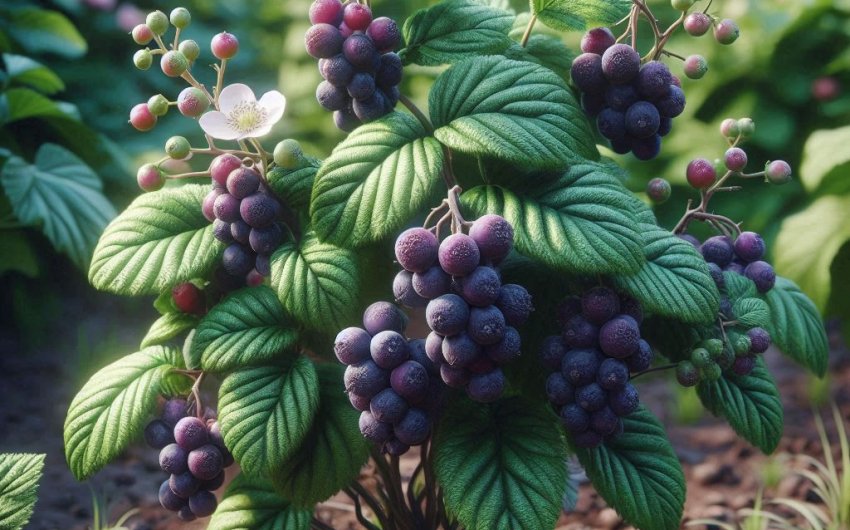
Boysenberry plants are a delicious and nutritious addition to any garden, providing sweet, tangy fruit that can be enjoyed fresh or used in jams, desserts, and smoothies. A hybrid between a blackberry, raspberry, and loganberry, boysenberries require specific growing conditions to thrive, with soil quality being a key factor. Providing the right type of soil for boysenberries will not only improve plant health but also ensure a bountiful harvest.
In this comprehensive guide, we will explore the best soil types and conditions for growing boysenberry plants, including tips on drainage, pH balance, and nutrient content. We’ll also offer advice on soil amendments and how to maintain optimal soil health to ensure your boysenberry plants flourish.
1. Ideal Soil Texture for Boysenberry Plants
The texture of the soil plays an important role in supporting the healthy growth of boysenberry plants. Like most berry plants, boysenberries thrive in well-drained loamy soil, which provides the right balance between moisture retention and drainage.
Loamy Soil
Loamy soil is considered ideal for growing boysenberries because it is composed of a balance of sand, silt, and clay. This mixture allows the soil to retain enough moisture for the roots while draining excess water, preventing root rot and other moisture-related issues. Loamy soil also tends to be rich in nutrients, which is essential for supporting vigorous plant growth and fruit production.
If your garden soil isn’t naturally loamy, you can amend it by adding organic matter like compost or manure to improve its structure and nutrient content. Using Organic Compost can significantly enhance the quality of your soil, making it more suitable for boysenberry plants.
Sandy Soil
Boysenberries can tolerate sandy soil as long as it is regularly amended with organic material to improve moisture retention. Sandy soil drains too quickly and may leave the plants without sufficient water during hot and dry periods. Adding organic compost, Peat Moss, or other moisture-retentive materials can help improve the soil’s ability to hold water and support healthy plant growth.
Clay Soil
Clay soil, on the other hand, tends to retain too much water, leading to poor drainage and the potential for root rot. However, boysenberries can still be grown in clay soils if you amend it properly. Incorporating sand, organic matter, and Perlite can help break up compacted clay, improve aeration, and enhance drainage, making the soil more suitable for boysenberry plants.
Using raised beds is another solution for growing boysenberries in areas with heavy clay soil. This elevates the root zone and improves drainage, preventing water from pooling around the roots.
2. Importance of Proper Drainage for Boysenberry Plants
Good drainage is one of the most important factors in growing healthy boysenberry plants. While boysenberries need consistent moisture to thrive, they are also sensitive to waterlogged soil, which can lead to diseases such as root rot.
Testing Soil Drainage
Before planting your boysenberries, it's important to test the soil’s drainage. A simple test involves digging a small hole about 12 inches deep and filling it with water. If the water drains away within 1-2 hours, your soil has good drainage. If it takes longer to drain, you may need to amend the soil or consider other options such as raised beds.
Using a Soil Drainage Test Kit will provide accurate measurements of your soil's drainage capability, helping you determine if amendments are necessary.
Improving Drainage
If your soil has poor drainage, there are several ways to improve it:
- Add organic matter: Materials like compost, aged manure, and Coarse Sand can improve the structure of the soil and promote better water movement.
- Raised beds: Planting boysenberries in Raised Bed Kits allows you to control the soil environment and ensure proper drainage, especially in areas prone to waterlogging.
- Mulching: Applying a layer of organic Mulch around the base of the plants helps retain moisture in well-drained soils while preventing water from pooling around the roots in heavier soils.
3. Soil pH for Boysenberry Plants
The pH level of the soil is another critical factor that affects the growth of boysenberry plants. Most berry plants, including boysenberries, prefer slightly acidic soil with a pH between 5.5 and 6.5. Maintaining this range ensures that nutrients are available to the plants, allowing them to absorb the essential elements they need for growth and fruit production.
Testing Soil pH
You can easily test your soil's pH using a Soil pH Meter. Testing your soil’s pH before planting your boysenberry bushes is crucial, as soil that is too acidic or too alkaline can inhibit nutrient uptake, leading to stunted growth and poor fruit yields.
Adjusting Soil pH
If your soil is outside the ideal pH range, you can adjust it by:
- Raising pH (Reducing Acidity): If your soil is too acidic (pH below 5.5), you can raise the pH by incorporating Garden Lime. Lime is commonly used to neutralize acidic soils, making it more hospitable to boysenberries.
- Lowering pH (Increasing Acidity): If your soil is too alkaline (pH above 6.5), you can lower the pH by adding Soil Sulfur or organic matter such as peat moss or pine needles. These materials gradually acidify the soil, bringing the pH closer to the ideal range for boysenberries.
Maintaining the proper pH ensures that your boysenberry plants can efficiently absorb nutrients from the soil, leading to healthy growth and high fruit yields.
4. Nutrient-Rich Soil for Boysenberry Plants
Boysenberries thrive in soil that is rich in nutrients, particularly nitrogen (N), phosphorus (P), and potassium (K). These nutrients are vital for the plants’ overall health, root development, and fruit production.
Nitrogen
Nitrogen is essential for promoting healthy leaf and stem growth in boysenberry plants. Nitrogen deficiencies can lead to stunted growth and pale, yellowing leaves. To ensure that your plants receive sufficient nitrogen, apply Nitrogen-Rich Fertilizers during the growing season, especially in the early stages of plant development.
Phosphorus
Phosphorus plays a key role in root development and flowering, which is critical for boysenberry plants to produce high yields of fruit. Bone Meal is an excellent organic source of phosphorus that can be added to the soil at planting time to encourage strong root systems and improve flowering.
Potassium
Potassium is necessary for water regulation and overall plant health, helping boysenberries produce large, flavorful fruit. Applying a Potassium-Rich Fertilizer during the growing season will ensure that your boysenberry plants get the nutrients they need to thrive.
In addition to these primary nutrients, boysenberry plants also benefit from trace elements such as calcium and magnesium. Incorporating organic matter into your soil will not only improve its texture but also provide a steady supply of micronutrients to support plant health.
5. Maintaining Soil Moisture for Boysenberries
Boysenberry plants prefer soil that remains consistently moist but not waterlogged. Ensuring that the soil retains adequate moisture is critical for optimal growth and fruit production, especially during hot summer months when plants can dry out quickly.
Mulching for Moisture Retention
Applying a layer of mulch around the base of boysenberry plants helps maintain consistent soil moisture, suppress weeds, and regulate soil temperature. Organic mulches, such as Straw Mulch, Wood Chips, or leaves, also gradually break down and add nutrients to the soil, improving its fertility over time.
Watering Boysenberry Plants
Boysenberries need regular watering, especially during their first year of growth and throughout the fruiting season. However, overwatering can lead to soggy soil, which can damage the roots and cause fungal diseases. Deep watering ensures that the soil stays moist, while good drainage prevents water from pooling.
Using a Soaker Hose is an efficient way to provide water directly to the root zone of your boysenberry plants, minimizing evaporation and keeping the soil evenly moist.
6. Common Soil Problems and Solutions for Boysenberry Plants
Even with careful planning, some soils may present challenges when growing boysenberries. Here are some common soil problems and how to fix them:
Compacted Soil
Compacted soil can restrict root growth and limit water and nutrient absorption. To loosen compacted soil, you can use a Garden Fork to aerate the area around your plants. Incorporating organic matter, such as compost or Perlite, will also help improve soil structure and encourage better root development.
Poor Drainage
If your soil has poor drainage, you may notice that water pools around the base of your plants, which can lead to root rot. To improve drainage, you can amend the soil with Coarse Sand or plant boysenberries in raised beds for better water management. Raised beds not only improve drainage but also allow you to control the soil composition more easily.
Nutrient Deficiency
Nutrient deficiencies in the soil will result in poor plant growth and low fruit yields. Regularly testing your soil with a Soil Test Kit will help you identify any deficiencies in nitrogen, phosphorus, potassium, or trace elements. You can then amend the soil with organic fertilizers or compost to address the deficiencies.
7. Preparing the Soil for Boysenberry Planting
Before planting boysenberry plants, it’s essential to properly prepare the soil to create the best possible growing conditions. Here’s how to do it:
- Loosen the Soil: Till the soil to a depth of about 12 to 18 inches to improve aeration and allow the roots to establish themselves. You can use a Garden Tiller for this task.
- Incorporate Organic Matter: Mix in compost, manure, or other organic materials to improve the soil’s fertility and structure. Adding Composted Manure will provide essential nutrients for your plants.
- Adjust Soil pH: Based on your soil test results, adjust the pH by adding lime to raise the pH or sulfur to lower it, ensuring that the soil falls within the ideal pH range for boysenberries.
- Mulch: Apply a thick layer of mulch around the base of the plants after planting to retain moisture, prevent weeds, and regulate soil temperature.
By following these steps and ensuring the right soil conditions, you can look forward to a healthy, productive boysenberry crop that yields delicious, nutrient-packed fruit. For more information on growing boysenberries and their health benefits, check out our detailed guide on Boysenberry Bliss: A Delicious and Nutritious Hybrid Fruit to discover how this unique berry can enhance your garden and your diet.