
What Type of Soil is Best for Growing Elderberry Plants?
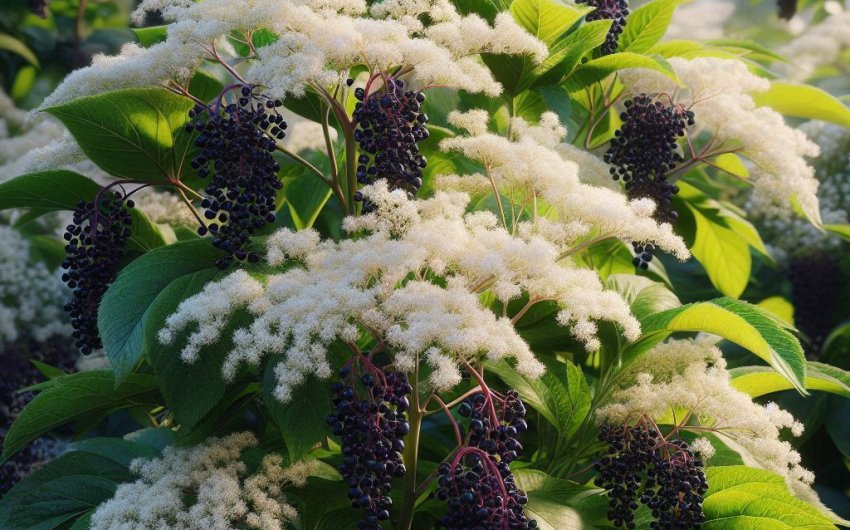
Elderberry plants are not only prized for their flavorful berries, but they have also gained popularity due to their medicinal properties and health benefits. Known for their ability to boost the immune system, elderberries are used in syrups, tinctures, and teas, making them a versatile addition to any home garden or farm. However, to grow strong, healthy elderberry plants that produce an abundant harvest, it’s important to understand the type of soil that best supports their growth.
In this comprehensive guide, we’ll explore the characteristics of the ideal soil for elderberries, how to test and amend your soil for optimal conditions, and practical tips for maintaining soil health to ensure a thriving elderberry crop.
1. Ideal Soil Texture for Elderberry Plants
The texture of the soil significantly affects how well your elderberry plants will grow. Elderberries prefer well-drained loamy soil, which is a mix of sand, silt, and clay. This soil type provides a balance between water retention and drainage, ensuring that the roots of elderberry plants have access to moisture without becoming waterlogged.
Loamy Soil
Loamy soil is the gold standard for growing elderberries due to its balanced structure. It retains enough moisture to support the plants' water needs while also allowing for proper aeration and drainage. This type of soil also tends to be nutrient-rich, which supports the vigorous growth of elderberry shrubs.
If your soil doesn’t naturally have a loamy texture, you can amend it by incorporating organic matter such as compost or manure. Adding Organic Compost will improve the soil’s texture and increase its ability to hold moisture, which is especially important in sandy or clay-heavy soils.
Sandy Soil
Elderberries can tolerate sandy soil, but this type of soil tends to drain too quickly, potentially leaving the plants thirsty. If you have sandy soil, it’s essential to regularly add organic matter to increase the soil’s ability to retain moisture. Mixing in Composted Manure or other soil amendments can improve both water retention and nutrient content.
Clay Soil
Clay soil can pose challenges for growing elderberries, as it holds water too well, leading to poor drainage and the risk of root rot. However, elderberries can still thrive in clay soil if it is properly amended. Incorporating organic matter, such as Peat Moss or sand, can help break up the clay and improve drainage. Raised beds are another solution for growing elderberries in areas with heavy clay soil, as they elevate the plants’ roots above the waterlogged ground.
2. Importance of Soil Drainage for Elderberries
Proper drainage is essential for growing healthy elderberry plants. While elderberries like their soil to be consistently moist, waterlogged conditions can lead to root diseases that stunt the plants' growth or kill them outright.
Testing Your Soil’s Drainage
To test the drainage of your soil, dig a small hole about 12 inches deep and fill it with water. If the water drains within one to two hours, your soil has adequate drainage for elderberries. However, if the water takes longer to drain, you may need to improve the soil or consider other planting options.
Consider using a Soil Drainage Test Kit to accurately measure how well your soil absorbs and drains water.
Improving Soil Drainage
If your soil has poor drainage, you can improve it by adding organic matter. Materials such as compost, peat moss, or aged manure will enhance the structure of the soil, making it more porous and increasing its drainage capacity. Adding Perlite or Coarse Sand to the soil mix can also help improve drainage.
For areas prone to waterlogging, planting elderberries in raised beds is a great option. Using Raised Bed Kits allows you to control the soil environment and drainage, providing optimal growing conditions for your elderberry plants.
3. Soil pH for Elderberry Plants
Soil pH is an important factor that affects nutrient availability in the soil and the overall health of your elderberry plants. Most elderberries thrive in soil with a pH range of 5.5 to 6.5, which is slightly acidic.
Testing Soil pH
To determine your soil’s pH level, you can use a Soil pH Tester. Testing your soil before planting is essential, as elderberries may struggle to absorb nutrients in soil that is too acidic or too alkaline.
Adjusting Soil pH
- Lowering pH (Acidifying Soil): If your soil is too alkaline (pH above 6.5), you can lower the pH by adding Soil Sulfur or organic matter such as pine needles or peat moss. These materials will gradually make the soil more acidic, providing a more favorable environment for elderberries.
- Raising pH (Reducing Acidity): If your soil is too acidic (pH below 5.5), you can raise the pH by incorporating Agricultural Lime into the soil. Lime neutralizes acidity and helps bring the pH closer to the optimal range for elderberry growth.
Maintaining the proper pH ensures that your elderberry plants can access essential nutrients, leading to healthier growth and higher berry yields.
4. Nutrient-Rich Soil for Elderberry Plants
Elderberries require a nutrient-rich soil to support their growth, flowering, and fruit production. Like most fruit-bearing plants, elderberries thrive in soils that contain ample amounts of nitrogen (N), phosphorus (P), and potassium (K), as well as essential micronutrients like calcium and magnesium.
Nitrogen
Nitrogen is crucial for the development of healthy leaves and stems in elderberry plants. A nitrogen deficiency can cause stunted growth and yellowing leaves. To ensure that your elderberry plants receive sufficient nitrogen, apply a balanced fertilizer or add Composted Manure to the soil.
Phosphorus
Phosphorus promotes strong root development and improves flower and fruit production in elderberries. Bone Meal is a great organic source of phosphorus that can be added to the soil at planting time to support root growth and berry production.
Potassium
Potassium helps regulate water and nutrient transport within the plant, ensuring that elderberries can produce abundant and high-quality fruit. Potash or other potassium-rich fertilizers can be applied during the growing season to boost fruit yields and overall plant health.
Organic Matter
In addition to these key nutrients, elderberry plants benefit greatly from the incorporation of organic matter into the soil. Organic materials such as compost, aged manure, or leaf mold improve soil fertility, structure, and moisture retention. Regularly adding Organic Compost to the soil helps maintain a nutrient-rich environment that supports vigorous elderberry growth.
5. Maintaining Moisture for Elderberry Plants
Elderberry plants thrive in moist soil, but it's important to strike the right balance between moisture retention and drainage. While elderberries prefer consistent moisture, they do not tolerate standing water, which can lead to root rot and other fungal diseases.
Mulching for Moisture Retention
To help maintain consistent soil moisture, it’s a good idea to apply a thick layer of mulch around the base of your elderberry plants. Mulch helps reduce evaporation, suppress weeds, and keep the soil temperature stable. Organic mulch, such as Wood Chips or straw, breaks down over time and adds nutrients to the soil while retaining moisture.
Watering Elderberries
During the first few years of growth, elderberry plants require regular watering to establish strong root systems. Deep watering is recommended to ensure that the soil stays consistently moist but not waterlogged. Using a Soaker Hose for watering elderberry plants ensures that water is delivered directly to the root zone without causing surface runoff.
Once established, elderberries become more drought-tolerant but should still be watered during extended dry periods to support fruit production.
6. Common Soil Problems for Elderberries and How to Fix Them
Even with the best preparation, some soils may present challenges when growing elderberries. Below are some common soil problems and practical solutions.
Compacted Soil
Compacted soil restricts root growth and limits the availability of water and nutrients to the plant. If your soil is compacted, consider aerating it using a Soil Aerator to break up dense areas and improve airflow and water infiltration.
Poor Drainage
If your soil has poor drainage, you may notice water pooling around the base of your elderberry plants, which can lead to root rot. To improve drainage, amend the soil with organic matter such as Peat Moss or Perlite, or consider planting elderberries in raised beds.
Nutrient Deficiency
A nutrient deficiency in the soil will result in poor growth and low berry yields. Regularly testing your soil with a Soil Test Kit can help you identify any deficiencies in nitrogen, phosphorus, or potassium. Based on the results, you can apply the appropriate fertilizer or organic amendment to restore nutrient levels.
7. Preparing the Soil for Planting Elderberries
Proper soil preparation is key to establishing a successful elderberry plantation. Before planting, test your soil to determine its texture, pH, and nutrient content. Amend the soil as necessary to create an ideal environment for elderberry plants.
- Loosen the Soil: Use a garden fork or tiller to loosen the soil to a depth of about 12 to 18 inches. This will help promote good root penetration and drainage.
- Add Organic Matter: Mix in compost, aged manure, or other organic materials to improve soil structure and fertility.
- Adjust the pH: If needed, adjust the soil’s pH by incorporating lime to raise it or sulfur to lower it, depending on the test results.
- Mulch: After planting, apply a thick layer of organic mulch around the base of the plants to retain moisture and suppress weeds.
By following these steps and ensuring that the soil meets the specific needs of elderberry plants, you can look forward to a bountiful harvest of nutrient-rich berries. For more information on growing elderberries and their health benefits, explore our in-depth guide on Elderberry Elixir: A Natural Remedy for Health and Wellness to discover how elderberries can be used to support your well-being.