
What Type of Soil Is Best for Growing Mulberry Plants?
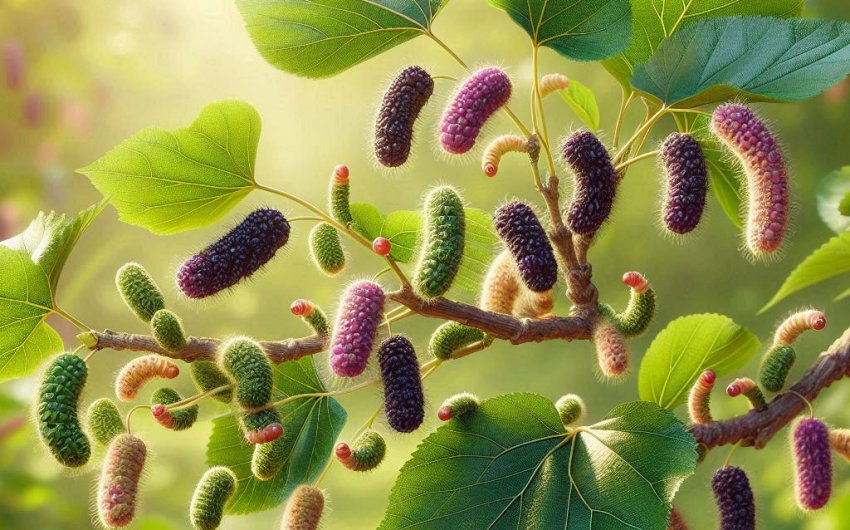
Growing mulberry plants can be a rewarding experience for gardeners and farmers alike. These fruit-bearing trees produce sweet, juicy berries that can be eaten fresh, dried, or used in a variety of culinary dishes. However, to ensure your mulberry plants thrive and produce high yields, it is essential to provide them with the right growing conditions, particularly when it comes to the soil.
In this article, we will explore the best types of soil for mulberry plants, discussing key characteristics such as texture, drainage, pH balance, and nutrient content. We'll also provide tips on how to amend your soil to create the ideal environment for mulberry trees to grow vigorously and produce delicious fruit.
1. Ideal Soil Texture for Mulberry Plants
The texture of the soil plays a vital role in how well mulberry plants can establish their root systems and access water and nutrients. Mulberry trees prefer well-drained, loamy soil, which is a mix of sand, silt, and clay. Loamy soil offers the perfect balance between moisture retention and drainage, allowing the plant roots to receive adequate hydration without becoming waterlogged.
Loamy Soil
Loamy soil is considered ideal for most fruit trees, including mulberries, because it holds moisture well but also drains excess water, preventing root rot. This type of soil is easy to work with and encourages deep root growth, which is essential for mulberry trees as they grow large and need strong root systems to support their growth.
You can check your soil's texture using a Soil Texture Kit. If your soil is too sandy, adding organic matter or compost can help improve its structure. Conversely, if your soil is heavy in clay, incorporating sand and organic matter will enhance its drainage.
Sandy Soil
While loamy soil is preferred, mulberry trees can tolerate sandy soil as long as it is amended with organic material to improve moisture retention. Sandy soil drains very quickly, which can cause the tree to dry out, especially in hot or windy climates. To grow mulberries successfully in sandy soil, you'll need to add compost, manure, or other organic matter to enrich the soil and help it hold onto moisture for longer periods.
Consider using Organic Compost to amend sandy soil and improve its water-holding capacity.
Clay Soil
Mulberries can also grow in clay soil, but it requires proper preparation. Clay soil is dense and can hold onto water, potentially leading to waterlogging, which causes root rot in many plants, including mulberries. If you have clay soil, it's important to break it up with organic matter, sand, or gypsum to improve drainage and aeration.
Using Gypsum Soil Conditioner can help to loosen compacted clay soil and allow for better root penetration and water movement.
2. Proper Drainage for Mulberry Trees
Mulberry trees require well-drained soil to thrive. Poor drainage can lead to waterlogged roots, which may cause diseases such as root rot and other fungal infections. Waterlogged conditions can also suffocate the roots, depriving them of oxygen and leading to poor growth or even death of the plant.
Assessing Drainage
To ensure proper drainage, it's important to evaluate your soil and the surrounding environment. Check for areas where water tends to pool after rainfall, as these spots may indicate poor drainage. You can improve drainage by adding organic matter or creating raised beds if necessary.
A simple way to assess your soil's drainage is by digging a hole about 12 inches deep and filling it with water. If the water drains within a few hours, your soil has good drainage. However, if the water takes longer than 12 hours to drain, you may need to amend the soil.
For larger planting areas, consider using Soil Drainage Test Kits to determine how well your soil drains and whether any improvements are necessary.
Improving Drainage with Raised Beds
If your soil has poor drainage, one solution is to plant your mulberry trees in raised beds. Raised beds lift the root zone above ground level, promoting better drainage and preventing water from pooling around the roots. This method is particularly effective in areas with heavy clay soils or regions prone to heavy rainfall.
Use Raised Bed Kits to create raised planting areas for mulberry trees, ensuring optimal drainage and root health.
3. Soil pH for Growing Mulberries
The pH level of your soil significantly impacts the availability of nutrients to your mulberry plants. Most mulberry varieties thrive in soil with a pH between 5.5 and 7.0, which is slightly acidic to neutral. Maintaining this pH range ensures that your plants can absorb essential nutrients such as nitrogen, phosphorus, and potassium.
Testing Soil pH
It is important to test your soil's pH before planting mulberry trees, as soil that is too acidic or too alkaline can inhibit nutrient uptake and stunt plant growth. You can test your soil using a Soil pH Tester to determine whether adjustments need to be made.
Adjusting pH Levels
- Raising pH (Reducing Acidity): If your soil is too acidic (pH below 5.5), you can raise the pH by adding Garden Lime. Lime helps neutralize the acidity and brings the pH closer to neutral, allowing mulberry plants to access necessary nutrients.
- Lowering pH (Reducing Alkalinity): If your soil is too alkaline (pH above 7.0), you can lower the pH by incorporating Soil Sulfur or organic materials like peat moss. This helps create a more acidic environment that mulberry trees favor.
By maintaining the appropriate pH level, you can ensure that your mulberry plants grow healthily and produce high yields of fruit.
4. Nutrient Requirements for Mulberry Trees
Healthy soil rich in nutrients is key to supporting vigorous mulberry growth. Like most fruit trees, mulberries require a balanced supply of nitrogen (N), phosphorus (P), and potassium (K), as well as trace elements such as calcium, magnesium, and iron. These nutrients are crucial for overall plant health, root development, and fruit production.
Nitrogen
Nitrogen is essential for promoting leaf and shoot growth in mulberry trees. Without enough nitrogen, the leaves may turn yellow, and growth may slow. To ensure your mulberry plants get sufficient nitrogen, consider applying Organic Fertilizers that are rich in this nutrient.
Phosphorus
Phosphorus supports root development and flowering in mulberry plants. Adding Bone Meal Fertilizer can provide the phosphorus needed to encourage healthy root systems and promote fruit production.
Potassium
Potassium helps regulate water and nutrient transport within the plant, making it an essential nutrient for fruit production. Potassium-Rich Fertilizers are beneficial for ensuring your mulberry trees bear large, juicy fruit.
Organic Matter and Mulching
In addition to fertilizers, incorporating organic matter into your soil can significantly improve nutrient content and overall soil health. Mulching around the base of mulberry trees with Organic Mulch helps retain moisture, suppress weeds, and slowly release nutrients into the soil as it breaks down.
Regularly amending your soil with compost, manure, or other organic materials will keep your mulberry trees well-nourished and productive throughout the growing season.
5. Soil Moisture Retention for Mulberries
While mulberry trees are relatively drought-tolerant once established, young trees require consistent moisture to develop strong root systems. Mulberries prefer soil that retains moisture without becoming waterlogged, so it's important to strike a balance between adequate hydration and proper drainage.
Organic Mulch for Moisture Retention
One effective way to maintain soil moisture is by using mulch. Mulching the area around the base of your mulberry tree helps to conserve moisture, regulate soil temperature, and prevent weeds from competing for water. Apply a thick layer of Mulch around the tree but avoid piling it directly against the trunk, as this can encourage rot.
Watering Practices
For newly planted mulberry trees, consistent watering is essential. The goal is to keep the soil evenly moist, especially during the first year of growth. As the tree matures, it will become more drought-resistant, but it’s still important to water deeply during periods of extended dry weather.
Consider installing a Soaker Hose to deliver water directly to the root zone of your mulberry trees, ensuring that moisture is absorbed evenly without excess runoff.
6. Common Soil Problems and Solutions for Mulberry Plants
Even with the best preparation, some soils may present challenges that need to be addressed to ensure the successful growth of mulberry plants. Below are common soil problems and their solutions.
Compacted Soil
Compacted soil restricts root growth and prevents water and air from reaching the plant's roots. This issue is common in heavy clay soils. To solve this problem, you can aerate the soil using a Soil Aerator, which helps break up compacted areas and improve root penetration.
Saline Soil
Excess salt in the soil can damage mulberry plants by interfering with nutrient uptake. If your soil has high salinity, leaching the soil with plenty of water can help flush out excess salts. You can also add organic matter or gypsum to improve the soil structure and reduce salt buildup.
For regions where saline soil is a concern, using a Soil Salinity Test Kit can help you monitor salt levels and take corrective action if necessary.
Nutrient Deficiency
A nutrient-deficient soil will lead to poor growth and low fruit yields. Regularly testing your soil with a Soil Test Kit will help you identify any deficiencies in nitrogen, phosphorus, potassium, or micronutrients. Addressing these deficiencies with targeted fertilizers or soil amendments will support healthy mulberry growth.
7. Preparing the Soil for Mulberry Planting
To give your mulberry trees the best start, it’s important to prepare the soil before planting. Begin by testing the soil to check its pH, nutrient content, and drainage capabilities. Amend the soil as needed to meet the requirements of mulberries, incorporating organic matter, adjusting the pH, and ensuring proper drainage.
Once your soil is ready, dig a hole that is twice as wide and just as deep as the root ball of your mulberry tree. Mix the native soil with compost or other organic materials, such as Composted Manure, to provide the tree with a nutrient-rich environment. Water thoroughly after planting and mulch around the base of the tree to conserve moisture.
By understanding the specific soil needs of mulberry plants and taking the necessary steps to prepare the soil, you can enjoy a thriving, productive mulberry tree that bears delicious fruit year after year. For more tips on growing mulberries and other fruit trees, check out our guide on Mulberry Magic: A Sweet, Juicy Summer Treat for in-depth information on mulberry care and harvest.