
Can I Grow Papaya Plants in Containers or Pots?
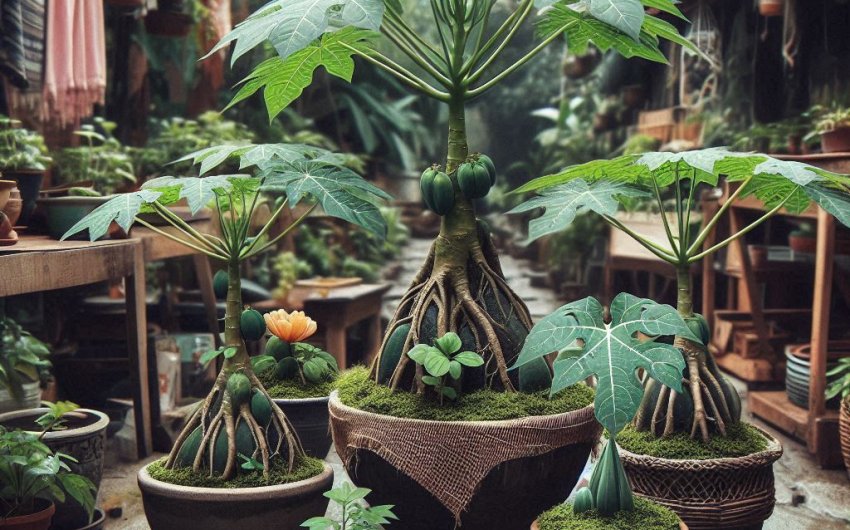
Papaya plants, known for their fast-growing nature and tropical fruit, can indeed be grown in containers or pots. Growing papaya in containers is a fantastic option for those with limited space, or for gardeners in cooler climates who want to enjoy the benefits of this delicious and nutrient-packed fruit indoors or on patios. While papaya plants are typically grown in tropical and subtropical regions, with the right care and conditions, you can cultivate them successfully in pots.
In this comprehensive guide, we will explore the best practices for growing papaya plants in containers, including pot selection, soil requirements, watering schedules, and fertilization tips. By following these guidelines, you'll soon enjoy fresh, homegrown papayas no matter where you live.
1. Choosing the Right Papaya Variety for Containers
One of the first things to consider when growing papaya plants in containers is selecting the appropriate variety. Not all papaya varieties are well-suited for container gardening, as some can grow up to 30 feet tall in optimal conditions. However, there are dwarf varieties and specific types that adapt well to confined spaces and pots.
Dwarf Papaya Varieties
Dwarf papaya varieties are ideal for growing in containers because they stay compact, reach a manageable height, and produce fruit more quickly than their taller counterparts. Some of the best dwarf papayas for container growing include:
- Dwarf Papaya Tainung: This variety is known for its compact size and sweet, orange-fleshed fruit. Dwarf Papaya Tainung can start fruiting within six months of planting, making it a popular choice for indoor or container gardening.
- Red Lady Papaya: This semi-dwarf variety grows well in containers, producing medium-sized fruits with rich, orange flesh. Red Lady papayas are known for their early fruiting, often within a year of planting.
- Hawaiian Solo Papaya: Another great choice for container gardening, Hawaiian Solo Papayas are smaller and produce sweet, flavorful fruits. This variety is more manageable indoors, reaching a height of around 8 feet.
If you're unsure which variety to choose, you can start with papaya seeds of a dwarf type that suits your growing conditions.
2. Choosing the Right Pot and Container for Papaya Plants
Once you've selected your papaya variety, the next step is to choose the right container or pot. Growing papaya plants in containers requires sufficient space for the plant’s roots to expand while ensuring good drainage to prevent waterlogging, which can cause root rot.
Pot Size
For successful growth, papaya plants need a container with plenty of room for their roots. Start by selecting a large container that is at least 18-24 inches in diameter and 12-18 inches deep. This will provide enough space for the papaya to grow strong roots and support the tree’s height and eventual fruit production.
If you’re starting with a small seedling or sapling, you can begin with a smaller container, but plan to transplant the papaya plant into a larger pot as it grows. A 20-gallon pot or larger is ideal for a fully mature papaya tree grown in a container.
Drainage
Papaya plants are sensitive to standing water, so it's important that your container has adequate drainage holes. Make sure the pot you choose has several drainage holes to prevent excess water from accumulating in the soil.
You can improve drainage by placing a layer of pebbles or gravel at the bottom of the container, which will allow water to flow freely out of the pot.
Pot Material
When choosing a pot for papaya plants, consider the material as well. Plastic pots are lightweight and retain moisture, which can be beneficial for papaya plants. However, if you live in a particularly hot climate, terracotta or clay pots can help regulate soil temperature by allowing better airflow and cooling through the pot’s porous surface.
3. Best Soil for Papaya Plants in Containers
Papaya plants thrive in well-draining, fertile soil that is rich in organic matter. Since papayas have shallow root systems, the soil must provide sufficient aeration and drainage to prevent water from pooling around the roots.
Ideal Soil Mix for Papaya Plants
A high-quality potting mix that contains a blend of organic materials and perlite is the best option for growing papayas in containers. Look for a soil mix that is lightweight and designed for fruit-bearing plants or tropical plants. A well-draining soil mix should contain components like:
- Perlite: This volcanic rock helps improve drainage while keeping the soil aerated.
- Coconut coir or peat moss: These materials retain moisture while allowing excess water to drain, preventing root rot.
- Compost: Rich in nutrients, compost feeds the plant over time and improves soil structure.
Mixing organic compost into your potting soil provides your papaya plant with a steady supply of nutrients while improving water retention and aeration.
Soil pH
Papaya plants prefer slightly acidic to neutral soil, with a pH level between 5.5 and 7.0. You can test your soil using a pH tester, and if the pH is too low or too high, you can adjust it using appropriate amendments. Adding garden lime can raise the pH, while sulfur can lower it.
4. Watering and Fertilizing Papaya Plants in Containers
Papaya plants are water-loving but require careful attention to watering schedules to avoid waterlogging or drought stress. Fertilizing is also essential for container-grown papayas to ensure they receive the nutrients they need to grow and produce fruit.
Watering Papaya Plants
Consistent moisture is key for papaya plants in containers. The soil should be kept evenly moist but not soggy. It’s important to avoid overwatering, as this can lead to root rot. On the other hand, letting the soil dry out completely can cause leaf drop and stunt growth.
Water your papaya plant deeply, ensuring that water reaches the root zone. Allow the top inch of soil to dry out before watering again. Using a moisture meter can help you monitor soil moisture levels and prevent over- or under-watering.
If you're growing papaya plants indoors, be mindful of the humidity levels, especially during winter months when indoor air tends to be drier. Using a humidifier or placing a tray of water near the plant can help maintain adequate humidity.
Fertilizing Papaya Plants
Since container-grown papaya plants have limited access to nutrients compared to those grown in the ground, regular fertilization is essential for healthy growth and fruit production.
Use a balanced fertilizer that contains nitrogen, phosphorus, and potassium (N-P-K), such as a 10-10-10 or 14-14-14 formula. Fertilize your papaya plant every two weeks during the growing season, which typically lasts from spring through summer. Papayas are heavy feeders, so providing a steady supply of nutrients helps them thrive.
For organic options, you can use fish emulsion or compost tea to provide a slow-release source of nutrients.
5. Providing Optimal Light and Temperature for Papaya Plants
Papaya plants need full sun and warm temperatures to thrive. These tropical plants are sensitive to cold and do best in environments that mimic their natural habitat.
Sunlight Requirements
For optimal growth, your papaya plant should receive at least six to eight hours of direct sunlight each day. If you're growing papayas indoors, place the container near a south-facing window or use grow lights to supplement natural light.
If growing papayas on a patio or balcony, ensure they are positioned in a sunny location with full exposure to sunlight.
Temperature Requirements
Papaya plants thrive in warm temperatures between 70°F and 90°F. These tropical plants are highly sensitive to frost and cold, so it’s important to protect them from temperatures below 60°F. If you live in a cooler climate, growing papaya plants in containers allows you to bring them indoors during colder months to protect them from the cold.
If your home or outdoor area tends to get cool at night, consider using a heat mat or moving the plant indoors temporarily to maintain a stable environment.
6. Pruning and Supporting Papaya Plants in Containers
Pruning and supporting your papaya plant are important aspects of container gardening, as these practices encourage healthy growth and help manage the plant's height.
Pruning Papaya Plants
While papayas do not require extensive pruning, you can remove dead or damaged leaves to promote airflow and reduce the risk of pests. Regular pruning helps the plant focus its energy on fruit production rather than maintaining unnecessary growth.
You can use pruning shears to cut back any weak or leggy branches. Be cautious when pruning, as papayas are sensitive to excessive trimming.
Supporting Papaya Plants
Because papayas are tall and fast-growing, they may require support to prevent the plant from tipping over in its container. Use a plant stake or trellis to support the plant’s central trunk and keep it upright as it grows. Tying the trunk to the stake with soft plant ties ensures that the plant remains stable, especially in windy conditions.
7. Harvesting Papayas from Container Plants
One of the most exciting aspects of growing papaya plants in containers is harvesting your own fruit. Most papaya varieties grown in containers will begin fruiting within six to 12 months, depending on the growing conditions and care provided.
When to Harvest Papayas
The best time to harvest papayas is when they begin to turn yellow or orange, signaling that the fruit is ripening. The skin should be slightly soft to the touch, indicating that the fruit is ready to be picked. Use pruning shears to carefully cut the fruit from the plant to avoid damaging the tree.
For more tips on cultivating papaya plants and enjoying their nutrient-packed benefits, check out our guide on Papaya Paradise: Tropical Fruit Packed with Nutrients. Growing papayas in containers is a rewarding experience that allows you to enjoy fresh, homegrown tropical fruit no matter where you live!