
Growing Roses in Containers on a Balcony: Essential Tips
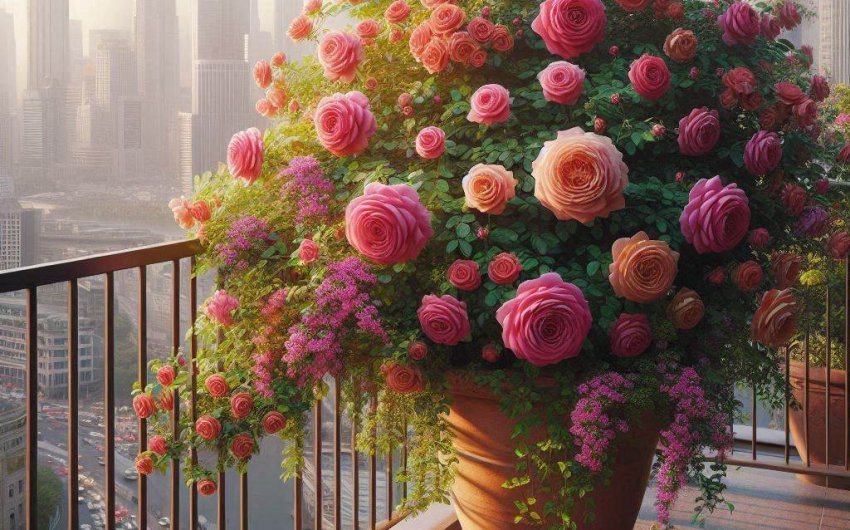
Growing roses in containers on a balcony is entirely achievable by selecting compact rose varieties, choosing appropriately sized pots with excellent drainage, and providing consistent care for their specific light, water, and nutrient needs. With attention to detail, you can enjoy beautiful blooms in a limited space.
Why Grow Roses in Containers on a Balcony?
The allure of roses is undeniable, with their exquisite blooms and captivating fragrances. For urban dwellers, apartment residents, or anyone with limited garden space, the dream of growing roses might seem out of reach. However, cultivating roses in containers on a balcony is a surprisingly viable and rewarding option, opening up a world of floral beauty where ground planting isn't possible.
Advantages of Balcony Container Roses
- Space Optimization: This is the most obvious benefit. Balconies, patios, and small terraces can become vibrant rose gardens without needing traditional garden beds. Container growing allows you to maximize every square foot of outdoor living space.
- Mobility and Flexibility: Plants in containers can be moved! This is incredibly advantageous for roses:
- Optimizing Sunlight: You can move your rose to follow the sun's path throughout the day or as seasons change, ensuring it gets its required light.
- Protection from Elements: Easily move pots to shelter plants from strong winds, heavy rain, or unexpected cold snaps.
- Winter Protection: For growers in colder climates, container roses can be brought indoors or into a garage for winter dormancy, protecting them from harsh freezes.
- Precise Control: Container growing allows for much greater control over soil conditions, watering, and fertilization. This can be a huge benefit for roses, which can be somewhat particular.
- Soil Quality: You can ensure the exact soil type and drainage roses prefer.
- Watering: Easier to monitor and adjust water levels directly.
- Nutrients: Targeted fertilization is straightforward.
- Pest and Disease Management: Container roses can sometimes be easier to inspect and treat for pests and diseases as they are at eye level and more isolated from ground-dwelling issues.
- Aesthetic Appeal: Roses in decorative pots add an undeniable touch of elegance and charm to any balcony or outdoor living space.
Challenges of Balcony Container Roses
While rewarding, there are unique challenges to growing roses in containers on a balcony:
- Rapid Drying: Containers, especially terra cotta, dry out much faster than garden beds, requiring more frequent watering.
- Nutrient Depletion: Soil in pots has limited nutrients that are quickly used by plants or washed out by watering, necessitating regular feeding.
- Winter Hardiness: Roses in pots are more vulnerable to cold than those in the ground, as their roots are exposed to ambient air temperatures.
- Size and Weight: Large pots filled with soil can be heavy, a consideration for balcony weight limits.
What Rose Varieties Are Best for Containers on a Balcony?
Choosing the right rose variety is perhaps the most crucial decision for successful container cultivation on a balcony. Not all roses are suited for pots; you need compact, floriferous types that thrive in confined spaces.
Ideal Rose Types for Containers
- Miniature Roses:
- Description: These are naturally small, compact roses, typically growing 6 inches to 2 feet tall. They come in a wide range of colors and forms, mimicking their larger cousins.
- Pros: Perfect for small balconies, fit well in smaller pots, often continuous bloomers.
- Cons: Can be delicate, some varieties may struggle with humidity.
- Examples: 'Baby Love', 'Petite de Hollande', 'Sweet Fairy'.
- Patio Roses (Mini-Floras):
- Description: Slightly larger than miniatures, reaching 2-3 feet tall, but still very compact and floriferous. Bred specifically for container growing.
- Pros: Excellent bloom production, good disease resistance, sturdy plants in smaller footprints.
- Cons: May require slightly larger pots than miniatures.
- Examples: 'Summer Romance', many varieties marketed as 'Patio Hit' series.
- Dwarf Floribunda Roses:
- Description: Floribundas produce clusters of flowers. Dwarf varieties maintain a more compact size (3-4 feet tall) while retaining the prolific blooming of their larger counterparts.
- Pros: Abundant clusters of flowers, good for a fuller display.
- Cons: Require larger pots than miniatures or patio roses.
- Examples: 'Iceberg' (dwarf forms), 'Lavender Lassie' (compact shrub).
- Dwarf Shrub Roses:
- Description: Generally hardy and robust, many modern shrub roses have compact forms suitable for containers.
- Pros: Excellent disease resistance, low maintenance, continuous blooming, often very cold-hardy for a shrub.
- Cons: Can still get quite wide, requiring a substantial pot.
- Examples: Many varieties from the 'Knock Out' family, 'Drift Roses' (especially the groundcover types if allowed to spill over).
- Some Groundcover or Trailing Roses:
- Description: Varieties designed to spread horizontally. When grown in containers, they will cascade beautifully over the edges.
- Pros: Stunning spilling effect, good for adding softness to balcony edges.
- Cons: Can take up more horizontal space on the balcony floor.
- Examples: 'Flower Carpet' series, some 'Drift Roses'.
What to Look For When Choosing a Variety
- Compact Growth Habit: The most critical factor.
- Disease Resistance: Look for varieties known for their resistance to black spot and powdery mildew, especially important in potentially humid balcony environments.
- Repeated Blooming: Choose "re-blooming" or "ever-blooming" varieties for continuous flowers throughout the season.
- Mature Size: Double-check the mature height and spread on the plant tag, ensuring it fits your space and pot size.
What Kind of Pot and Soil is Best for Balcony Roses?
The container and the potting mix are just as important as the rose variety itself. Roses are particular about their root environment, and getting this right is crucial for success in a confined space.
Choosing the Right Pot
- Size: This is paramount. Roses need ample root space.
- Miniature Roses: Start with an 8-10 inch diameter pot.
- Patio, Dwarf Floribunda, Dwarf Shrub Roses: Begin with a 15-gallon container (around 18-20 inches in diameter and depth) for juvenile plants. A mature plant will likely need a 20-25 gallon pot (at least 20-24 inches in diameter and depth) to thrive for several years without constant repotting. Larger is generally better.
- Drainage Holes: This is non-negotiable. Roses absolutely require excellent drainage. Your pot must have drainage holes. Adding a layer of gravel at the bottom does not improve drainage; it actually raises the water table in the pot.
- Material:
- Terra Cotta/Clay: Porous, allowing good airflow to roots and promoting evaporation, which can help prevent root rot. However, they dry out very quickly, requiring more frequent watering. Can be heavy.
- Plastic/Resin: Lightweight, retain moisture well (reducing watering frequency), durable, come in many styles. Can sometimes overheat roots in full sun in dark colors.
- Glazed Ceramic: Similar to plastic in moisture retention, often decorative, but very heavy.
- Wood: Attractive, insulative, but can eventually rot. Use rot-resistant wood like cedar or redwood, or line with plastic.
- Weight Considerations: Always check your balcony's weight capacity before investing in large, heavy pots, especially if using ceramic or terra cotta. Fabric grow bags can be a lighter alternative, though they dry out very quickly. A Large Resin Planter with Drainage offers a good balance of size and manageable weight.
Choosing the Right Potting Mix
- Not Garden Soil: Never use garden soil in containers. It compacts too easily, leading to poor drainage and aeration, which suffocates rose roots.
- High-Quality Potting Mix: Choose a premium, well-draining potting mix specifically formulated for containers or roses.
- Amendments for Drainage and Nutrients:
- Perlite or Pumice: Add extra perlite or pumice to enhance drainage and aeration, especially if your mix feels too heavy.
- Compost or Aged Manure: Incorporate a generous amount of well-rotted compost or aged manure to provide a slow-release source of nutrients and improve moisture retention without impeding drainage.
- Peat Moss or Coco Coir: These help with moisture retention while keeping the mix light.
- pH Level: Roses prefer a slightly acidic to neutral soil pH, ideally between 6.0 and 6.5. Most good quality potting mixes are in this range.
What are the Essential Care Tips for Balcony Container Roses?
Once your roses are planted, consistent and diligent care is the key to encouraging prolific blooming and maintaining plant health in the unique environment of a balcony.
1. Sunlight (Non-Negotiable)
- Minimum 6 Hours Direct Sun: Roses are sun worshippers. They need at least 6-8 hours of direct sunlight per day to produce abundant blooms. Anything less will result in leggy growth and sparse flowering.
- South-Facing is Best: A south-facing balcony usually offers the best light. East or west-facing balconies can also work, but north-facing ones are generally unsuitable for roses.
- Rotate Pots: If sunlight comes from one direction, periodically rotate your pots to ensure even growth and light exposure on all sides.
2. Watering (Frequent and Thorough)
Container roses dry out very quickly. This is where most container rose growers make mistakes.
- Check Daily: Check the soil moisture daily, especially during hot, sunny, or windy weather. Stick your finger 2 inches into the soil. If it feels dry, it's time to water.
- Thorough Watering: When you water, do so deeply and thoroughly until water drains from the bottom of the pot. Don't just give a quick sprinkle.
- Avoid Overwatering: While frequent, ensure the pot drains well and doesn't sit in standing water, which can lead to root rot.
- Signs of Underwatering: Wilting leaves, crispy edges.
- Signs of Overwatering: Yellowing leaves, mushy stems, soil always soggy.
3. Fertilization (Regular and Balanced)
Roses are heavy feeders, and the limited soil volume in containers means nutrients are quickly depleted.
- Start After New Growth: Begin fertilizing when new growth appears in spring.
- Frequency: Fertilize every 2-4 weeks during the active growing season (spring through late summer). Reduce or stop feeding during fall and winter dormancy.
- Type of Fertilizer: Use a balanced rose-specific fertilizer (e.g., 5-10-5 or 10-10-10) or a "bloom booster" that is slightly higher in phosphorus (the middle number) and potassium (the third number) to encourage flowers.
- Application: Always apply fertilizer to moist soil to prevent root burn. Follow package directions carefully; it's better to under-fertilize slightly than to over-fertilize. A Rose-Specific Liquid Fertilizer works well.
4. Pruning and Deadheading
- Deadheading: Regularly remove spent blooms by cutting the flower stalk just above the first set of five leaves. This encourages the plant to produce more flowers instead of putting energy into seed production.
- Light Pruning: Throughout the season, remove any crossing branches, weak stems, or suckers (growth from below the graft union, if applicable).
- Dormant Pruning (Annual): In late winter or early spring (before new growth begins), prune your rose back to shape it and encourage vigorous new growth. This involves removing dead, diseased, or damaged wood, and reducing overall size by about one-third. Use sharp, clean Bypass Pruning Shears.
5. Pest and Disease Management
Roses are susceptible to various pests and diseases. Regular inspection is key.
- Common Pests:
- Aphids: Small, soft-bodied insects. Blast off with water or use insecticidal soap.
- Spider Mites: Tiny, causing stippling on leaves and fine webbing. Increase humidity, use insecticidal soap.
- Thrips: Tiny, slender insects causing distorted blooms and streaking.
- Common Diseases:
- Black Spot: Black spots with yellow halos on leaves. Remove affected leaves, ensure good air circulation, and consider fungicides.
- Powdery Mildew: White, powdery coating on leaves. Ensure good air circulation, water appropriately.
- Prevention: Good air circulation, proper watering (avoiding wet foliage overnight), and overall plant health are your best defenses. Inspect plants regularly.
- Treatment: For serious issues, use organic options like Neem Oil or appropriate fungicides/pesticides, following instructions carefully. A Neem Oil for Roses is a good multi-purpose organic solution.
How Do I Prepare My Balcony Roses for Winter?
Winter protection is crucial for container-grown roses, especially in colder climates, as their roots are far more exposed to freezing temperatures than in-ground roses.
Determining Your Zone and Rose Hardiness
- USDA Hardiness Zones: Know your hardiness zone. Most roses are hardy in zones 5-9. However, roses in containers will be approximately two zones less hardy than if planted in the ground. For example, a rose hardy to Zone 5 might only be hardy to Zone 7 when grown in a pot.
- Species Specifics: Some roses (e.g., shrub roses, rugosas) are naturally hardier than others (e.g., hybrid teas).
Winter Protection Strategies
- Stop Fertilizing: In late summer/early fall, cease all fertilization. This signals the plant to slow down growth and prepare for dormancy.
- Reduce Watering: As temperatures drop and growth slows, gradually reduce watering. The soil should be kept on the drier side but not completely bone-dry during dormancy.
- Dormant Pruning: After a few hard frosts have caused the leaves to drop, perform your main dormant pruning. Remove dead, diseased, or crossing canes, and reduce the height to a manageable size for winterization.
- Protect the Roots: This is the most critical step.
- Bring Indoors (Unheated Space): The best option for colder zones (below 7 or 8) is to move the potted roses into an unheated garage, shed, basement, or cold frame. The temperature should ideally stay between 30-45°F (-1 to 7°C).
- Place pots on insulating material (styrofoam, wood).
- Water sparingly (once a month or less) to prevent the roots from completely drying out.
- Insulate Outdoors: If bringing indoors isn't an option:
- Clump Pots Together: Group pots closely against a warm wall (like your building) to create a microclimate.
- Wrap Pots: Wrap the pots (not the canes) with burlap, bubble wrap, insulation blankets, or old blankets. You can also place pots inside larger, insulated containers, filling the space with straw or shredded leaves.
- Mulch the Top: Apply a thick layer of straw, shredded leaves, or wood chips (6-12 inches) over the top of the soil in the pot to insulate the crown.
- Bury the Pot (Garden Option): If you have a garden bed, you can dig a hole and bury the entire pot in the ground for winter, providing excellent insulation. Remember to retrieve it in spring.
- Bring Indoors (Unheated Space): The best option for colder zones (below 7 or 8) is to move the potted roses into an unheated garage, shed, basement, or cold frame. The temperature should ideally stay between 30-45°F (-1 to 7°C).
Spring Emergence
- Gradual Acclimation: In spring, as temperatures consistently rise above freezing, gradually bring indoor roses back outside. Start in a shady spot for a few days, then move to partial sun, and finally to full sun. This "hardening off" prevents shock.
- Remove Winter Protection: Unwrap outdoor pots and remove heavy mulch layers once the danger of hard frost has passed.
- Resume Care: Begin regular watering and fertilization as new growth appears.
Growing roses in containers on a balcony is a delightful way to experience the charm of these classic flowers, even with limited space. By carefully selecting varieties, providing adequate root room, and committing to consistent care and proper winterization, you can cultivate a thriving rose garden that brings beauty and fragrance to your outdoor living area for many years.