
Home Garden Ideas That Will Inspire You
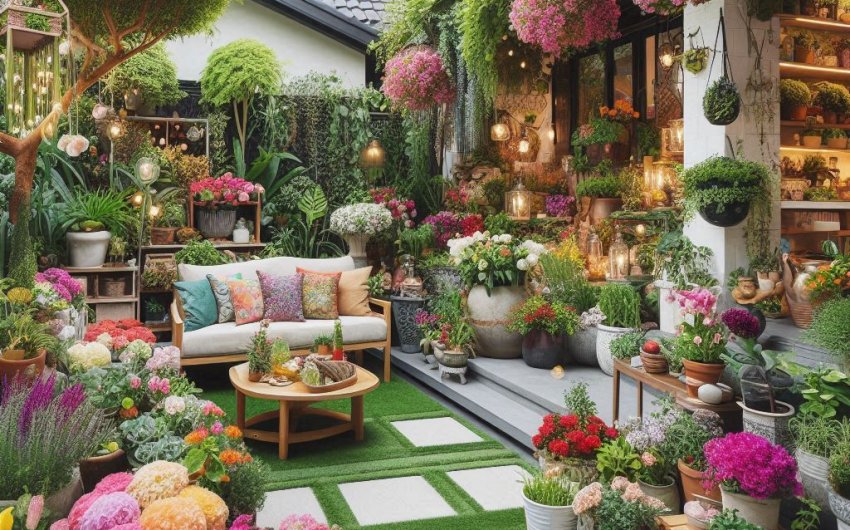
Do you dream of stepping outside into a beautiful, thriving space that brings you joy, fresh food, or a peaceful escape? Your home garden is so much more than just a patch of dirt; it's a living canvas, a source of sustenance, and a personal sanctuary. Whether you're a seasoned green thumb or just starting out, there's always something new to learn and create in the world of gardening.
This guide is packed with diverse home garden ideas designed to spark your imagination and help you transform your outdoor space. We'll explore various styles, smart solutions for small spaces, ways to add personality, and tips for making your garden both beautiful and functional. Get ready to be inspired and cultivate the garden you've always dreamed of, no matter its size or your experience level!
Why Should You Cultivate a Home Garden?
Gardening offers a wealth of benefits that extend far beyond just aesthetics. It's an enriching hobby with tangible rewards.
Does Gardening Improve Well-being?
Absolutely! Spending time in a home garden has profound positive effects on your mental and physical health.
- Stress Reduction: The act of gardening is meditative and can significantly lower stress levels.
- Physical Activity: It provides a gentle workout, improving strength, flexibility, and endurance.
- Mood Booster: Exposure to sunlight (and Vitamin D) and the satisfaction of nurturing life can boost your mood and combat feelings of anxiety or depression.
- Connection to Nature: It allows you to slow down, observe the natural world, and reconnect with the cycles of growth.
Can a Home Garden Provide Fresh Food?
Yes! One of the most rewarding aspects of a home garden is the ability to grow your own fresh, organic produce.
- Healthier Eating: You control what goes into your food, avoiding pesticides and chemicals.
- Better Taste: Homegrown fruits, vegetables, and herbs often taste superior to store-bought produce.
- Cost Savings: While there's an initial investment, a productive edible garden can save you money on groceries in the long run.
- Food Security: It gives you a direct connection to your food source.
Does a Garden Enhance Home Value and Curb Appeal?
Definitely! A well-designed and maintained home garden significantly enhances your property's curb appeal and can increase its overall value. It shows that you care for your home and create an inviting atmosphere. Lush landscaping, vibrant blooms, and thoughtful garden features are highly attractive to potential buyers.
Is Gardening a Creative Outlet?
For many, a home garden is a living art form. It's a place where you can experiment with colors, textures, shapes, and arrangements. You get to play designer, artist, and scientist all at once, creating a unique space that reflects your personality and evolves with the seasons. It's a truly hands-on creative pursuit.
Inspiring Home Garden Styles to Consider
Before you dig in, think about the overall vibe you want to create. Here are some popular home garden ideas to inspire your design aesthetic.
1. The Cottage Garden (Romantic & Abundant)
- Vibe: Romantic, informal, overflowing with blooms, a bit wild and charming.
- Key Features: Dense planting, layers of flowers (perennials, annuals, self-seeders), climbing roses, fragrant herbs, winding paths. Uses a mix of heights and textures. Often includes old-fashioned flowers like hollyhocks, delphiniums, foxgloves, and lavender.
- Perfect for: Those who love a whimsical, natural look and don't mind a little glorious chaos. Attracts pollinators.
- Inspiration: Think English countryside gardens.
2. The Modern Minimalist Garden (Sleek & Serene)
- Vibe: Clean lines, simple forms, curated plants, calm and uncluttered.
- Key Features: Limited plant palette (often repeating a few plant types), geometric shapes, hardscaping (concrete, metal, smooth stone), focus on texture over color, often uses ornamental grasses, succulents, or architectural plants. Minimal decor.
- Perfect for: Those who prefer a sophisticated, low-maintenance look and a tranquil atmosphere.
- Inspiration: Contemporary urban landscapes, Zen gardens.
3. The Edible Garden Oasis (Productive & Practical)
- Vibe: Functional, fresh, and rewarding, centered around growing food.
- Key Features: Raised garden beds (for easy access and soil control), trellises for climbing vegetables (tomatoes, cucumbers, beans), a mix of fruits, vegetables, and herbs. Can integrate companion planting. Often includes a composting system or rain barrel.
- Perfect for: Anyone passionate about fresh, homegrown food and sustainability. Can be designed to be very aesthetically pleasing.
- Inspiration: Farm-to-table concepts, urban homesteading.
4. The Pollinator Paradise (Eco-Friendly & Lively)
- Vibe: Buzzing with life, vibrant, beneficial to the local ecosystem.
- Key Features: Native plants, diverse flowering plants with staggered bloom times (to provide nectar/pollen all season), plants with different flower shapes (for various pollinator types), a shallow bird bath or water source. Avoids pesticides.
- Perfect for: Nature lovers, those wanting to support local wildlife, and anyone seeking a dynamic, lively garden.
- Inspiration: Wildflower meadows, ecological landscaping.
5. The Container Garden Haven (Flexible & Versatile)
- Vibe: Portable, adaptable, perfect for small spaces or renters.
- Key Features: Diverse plant pots of various sizes, shapes, and materials arranged creatively. Can include edibles, flowers, herbs, and even small shrubs or trees. Vertical gardening elements (like hanging planters).
- Perfect for: Balconies, small patios, urban spaces, or those who like to rearrange their garden frequently.
- Inspiration: Urban farming, patio makeovers.
Smart Solutions for Small Home Gardens
Don't let limited space stop your gardening dreams! Many home garden ideas are perfect for compact areas.
1. Go Vertical!
Maximizing vertical space is key in a small garden.
- Vertical Planters: Install vertical wall planters on a fence or wall.
- Trellises: Grow climbing plants like beans, cucumbers, peas, or flowering vines up a garden trellis.
- Hanging Baskets: Utilize overhead space with hanging flower baskets or edible hanging gardens.
- Tiered Planters: Use tiered plant stands or stackable planters to grow more in a small footprint.
2. Raised Garden Beds
These are fantastic for small spaces, especially for edibles.
- Benefits: Easier to manage soil quality, better drainage, reduce weeding, and make gardening more accessible.
- Material Options: Wooden raised beds, metal, composite, or even stone. Many modular kits are available.
3. Smart Container Groupings
Don't just line up pots. Group them creatively!
- Vary Heights: Use plant stands or stack pots on top of overturned empty pots to create different levels.
- "Thrillers, Fillers, Spillers": When planting containers, use a tall "thriller" plant for height, a "filler" plant to add bulk, and a "spiller" plant that cascades over the edges.
- Repurpose Creatively: Turn old tires, metal buckets, or even old boots into quirky container planters.
4. Optimize Pathways and Seating
- Narrow Paths: Keep pathways narrow but functional. Consider stepping stones or mulch paths instead of wider paving.
- Built-in Seating: If building a small deck or patio, integrate built-in benches for seating that doesn't take up extra floor space.
- Foldable Furniture: Use foldable bistro sets or chairs that can be tucked away when not in use.
Adding Personality and Charm to Your Home Garden
Beyond plants, decorative elements are what truly make a garden yours.
1. Creative Garden Art
- Painted Rocks: Turn ordinary stones into colorful creatures, inspirational messages, or fun markers. (See garden rock art ideas!).
- Whimsical Totems: Stack old pottery, dishes, or glass bottles to create unique garden totems that add height and charm.
- Repurposed Items: An old bicycle painted brightly with a basket full of flowers, a vintage birdcage turned planter, or colorful glass bottles hanging from a tree branch.
- Mirrors: Hang an outdoor mirror on a fence or wall to reflect light and make a small space feel larger.
2. Lighting for Ambiance
- String Lights: Drape outdoor string lights (bistro lights) across seating areas, pergolas, or through trees for a magical evening glow.
- Solar Lights: Install solar path lights along pathways or accent plants.
- Lanterns: Place decorative lanterns on tables or hang them from hooks.
- Fairy Lights: Weave tiny fairy lights into bushes or around potted plants.
3. Water Features
The sound of water is incredibly soothing and adds a sensory element.
- Small Fountains: A compact tabletop fountain or a self-contained tier fountain can fit almost anywhere.
- Bird Baths: Attract birds with a simple or decorative bird bath.
4. Colorful Textiles and Furniture
Bring indoor comfort outdoors with vibrant fabrics.
- Outdoor Rugs: An outdoor rug can define a seating area and add a pop of color.
- Pillows and Throws: Load up your patio furniture with weather-resistant outdoor pillows and throws.
- Bright Furniture: Paint old chairs or benches in bold, cheerful colors.
Practical Tips for Getting Started with Your Home Garden
Feeling inspired? Here are some actionable tips to help you begin your gardening journey.
1. Start Small
- Don't Overwhelm Yourself: If you're new to gardening, begin with a small project: a few herb pots on a windowsill, a single raised bed, or a small flower border.
- Learn as You Grow: Each small success will build your confidence and knowledge for bigger projects.
2. Know Your Zone and Sunlight
- Hardiness Zone: Understand your USDA plant hardiness zone to choose plants that will thrive in your climate.
- Sunlight Assessment: Observe your garden throughout the day to map out areas of full sun (6+ hours), partial sun/shade (3-6 hours), and full shade (less than 3 hours). This is crucial for plant success.
3. Assess Your Soil
- Soil Test: For in-ground gardens, consider a soil test kit or send a sample to your local extension office. This tells you your soil's pH and nutrient levels, guiding your amendments.
- Amend with Organic Matter: Most gardens benefit from adding organic compost to improve soil structure and fertility.
4. Choose the Right Plants
- Research: Look up plants suitable for your zone, sun conditions, and soil type.
- Water Needs: Group plants with similar water requirements together to simplify irrigation.
- Local Nurseries: Visit local nurseries; their staff can offer tailored advice for your area.
5. Plan for Watering
- Consistency: Most plants need consistent watering, especially when establishing.
- Tools: Invest in a good quality garden hose or consider drip irrigation for efficiency.
6. Embrace the Process
- Patience: Gardening is about patience. Plants grow at their own pace.
- Learning Curve: Don't be discouraged by setbacks. Every dead plant or failed crop is a learning opportunity.
- Enjoy the Journey: Savor the moments of planting, nurturing, observing, and harvesting. The joy is in the process as much as the outcome.
With these diverse home garden ideas and practical tips, you're well-equipped to start creating a beautiful, inspiring, and rewarding outdoor space that truly feels like your own. Happy gardening!