
How to Design a Free-Spirited Hippie Garden?
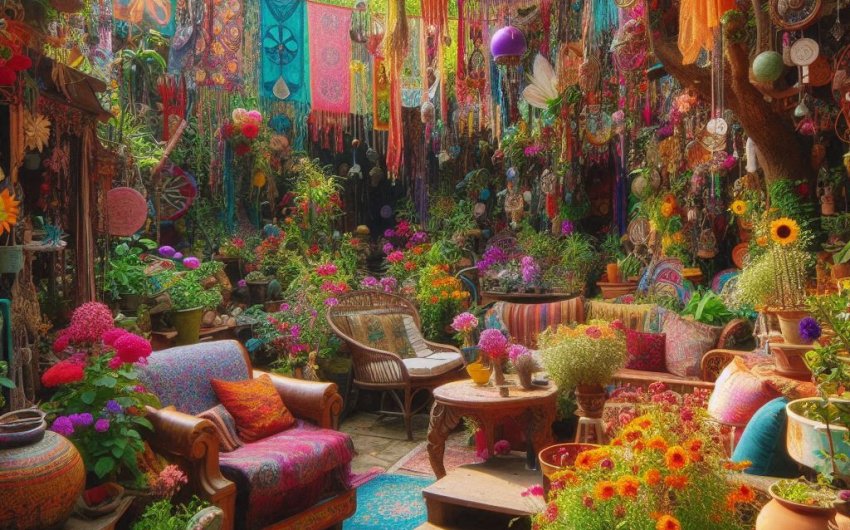
Tired of stiff, formal landscapes and perfectly manicured lawns? Do you dream of an outdoor space that feels wild, whimsical, and truly your own? Then it's time to learn how to design a free-spirited hippie garden! A hippie garden isn't about rigid rules or expensive trends; it's about embracing natural beauty, sustainability, vibrant colors, artistic expression, and a laid-back vibe. It's a place where every plant, every repurposed item, and every splash of color contributes to a feeling of peace, love, and connection with nature.
This guide will take you on a journey to create your own unique free-spirited hippie garden. We'll explore core principles like natural growth, unconventional decor, cozy seating, and vibrant colors. Whether you have a sprawling yard or a tiny balcony, you can infuse it with bohemian charm and create an outdoor sanctuary that perfectly reflects your soul. Get ready to ditch the conformity and let your garden groove!
What Makes a Garden "Hippie" or Free-Spirited?
Before we dig in, let's understand the heart of a hippie garden. It's more than just planting flowers; it's a philosophy.
Is it About Embracing Natural Growth?
Absolutely! A key element of a free-spirited hippie garden is letting nature lead. This means:
- Less Formal, More Wild: Ditch the perfectly straight lines and geometric shapes. Embrace organic curves, overflowing beds, and a more "wild" or "cottage garden" aesthetic.
- Pollinator-Friendly: A deep respect for nature means welcoming bees, butterflies, and other beneficial insects. Plant native species and pollinator favorites.
- Sustainable Practices: Think about composting, rainwater harvesting, and minimizing chemical use. It’s about working with nature, not against it.
Does it Feature Repurposed and Upcycled Decor?
Yes, this is a hallmark of the hippie garden! Instead of buying new, mass-produced items, the free spirit seeks out unique, pre-loved treasures.
- Unique Finds: Thrift stores, yard sales, flea markets, and even curbside finds become decor gold.
- Creative Reuse: Old tires become planters, broken pottery becomes mosaic art, and vintage furniture gets a new life outdoors. It’s about seeing the potential in forgotten items.
Is Color and Eclecticism Important?
Vibrancy is key! A hippie garden is a feast for the eyes, filled with a riot of colors and textures that might not traditionally "match."
- Bold Colors: Embrace bright blues, sunny yellows, deep purples, fiery oranges, and passionate reds.
- Mix and Match: Don't worry about perfect coordination. Combine different styles, eras, and origins for an eclectic, lived-in feel. Every item has a story.
Does it Emphasize Comfort and Relaxation?
A free-spirited garden is a place for unwinding, meditation, and connection.
- Cozy Seating: Comfortable, informal seating areas are essential – think hammocks, floor cushions, or repurposed sofas.
- Sensory Experience: Beyond sight, engage other senses with fragrant plants, the sound of wind chimes, and the feel of natural textures.
Core Elements of a Free-Spirited Hippie Garden Design
Ready to start digging? Here are the fundamental components to weave into your hippie garden.
1. The Plants: Wild, Wonderful, and Welcoming
The soul of any garden, and especially a hippie garden, lies in its plants.
- Flowering Abundance: Go for an abundance of flowers, not just a few strategically placed ones. Think cottage garden style with plants spilling over edges.
- Bright Colors: Sunflowers, zinnias, cosmos, marigolds, nasturtiums, and hollyhocks are great for splashes of vibrant color.
- Fragrant Blooms: Lavender, jasmine, honeysuckle, and roses add sensory delight.
- Herbs and Edibles: Integrate useful plants for cooking, medicinal purposes, or just their lovely scents.
- Pollinator Magnets: Attract bees, butterflies, and hummingbirds.
- Coneflowers (Echinacea), bee balm, milkweed, butterfly bush, and salvia are excellent choices.
- Vines and Climbers: Let plants ramble and climb for a wild, romantic feel.
- Morning glories, climbing roses, clematis, and passion flower add vertical interest and natural screens.
- Naturalistic Planting: Avoid strict rows. Let plants self-seed and spread where they want to (within reason!).
2. Upcycled and Repurposed Decor
This is where your creativity truly shines and keeps your hippie garden budget-friendly.
- Containers:
- Old Tires: Painted brightly and stacked for vertical planters.
- Bathtubs/Sinks: Repurpose old plumbing fixtures as unique planters.
- Old Boots/Shoes: For small, quirky succulent or herb planters.
- Vintage Crates/Drawers: Line with landscape fabric and fill with soil for rustic planters.
- Art & Whimsy:
- Painted Rocks: Turn ordinary stones into colorful creatures, inspirational messages, or psychedelic patterns. (Learn more about garden rock art).
- Bottle Trees: Stack colorful glass bottles on rebar or branches for sparkling, light-catching art.
- Mosaic Art: Use broken pottery, tiles, or glass to create mosaics on pathways, planters, or garden walls.
- Wind Chimes: Hang an assortment of wind chimes made from bamboo, metal, shells, or even old keys for soothing sounds.
- Lighting:
- Mason Jar Lanterns: Fill mason jars with battery-operated fairy lights or solar tea lights and hang them.
- String Lights: Drape outdoor string lights (cafe lights) across seating areas or through trees for a warm glow.
- Repurposed Lamps: Weatherproof old lamps or chandeliers for outdoor lighting fixtures.
3. Cozy and Inviting Seating Areas
A hippie garden is meant for lounging and connecting.
- Hammocks: A classic symbol of relaxation. Hang a colorful hammock between two trees or on a stand.
- Floor Cushions/Poufs: Scatter large, comfortable outdoor floor cushions or poufs on a patio or grassy area for low-slung seating.
- Repurposed Furniture: An old sofa or armchair given an outdoor makeover with bright paint and weather-resistant outdoor pillows can be surprisingly comfortable.
- Tree Swings: A simple rope tree swing adds a playful touch.
- Patchwork or Patterned Textiles: Throw vibrant outdoor rugs and blankets over seating areas.
4. Pathways and Boundaries with a Natural Flow
Forget rigid borders; a hippie garden embraces organic shapes.
- Winding Paths: Create meandering pathways using natural materials like pea gravel, wood chips, or irregularly shaped flagstone stepping stones (learn how to make them pop!).
- Soft Edges: Let plants spill over path edges and bed borders for a more natural, informal look.
- Living Fences: Instead of traditional fences, consider planting dense shrubs or climbing vines on a simple wire trellis for natural privacy and greenery.
5. Water Features for Serenity
The sound of trickling water adds immense calm to any garden.
- Small Fountains: A simple tabletop fountain or a small, self-contained garden fountain can be a lovely addition.
- DIY Pond: A small container pond with water lilies and a few aquatic plants creates a mini ecosystem.
- Bird Baths: A decorative bird bath not only adds a water element but also attracts feathered friends.
How to Get the "Free-Spirited" Vibe Just Right
It’s not just about what you put in, but how you put it together.
Embrace Imperfection and Asymmetry
- Organic Flow: The essence of a hippie garden is its relaxed, unforced vibe. Don't strive for perfect symmetry or pristine neatness.
- Varied Textures: Mix rough textures (like reclaimed wood or natural stone) with soft textures (like flowing grasses or lush fabrics).
Layer Your Decor and Plants
- Depth and Interest: Create visual depth by layering plants of different heights and textures. Place decor at various levels – hanging from trees, nestled among plants, or standing tall.
- Hidden Gems: Include little surprises or "hidden gems" like painted rocks or small statues that visitors discover as they explore.
Incorporate Sound and Scent
- Auditory Elements: The gentle chime of wind chimes, the buzz of bees, the trickle of water – these sounds enhance the calming atmosphere.
- Aromatic Plants: Choose fragrant herbs and flowers that release their scents when brushed against or warmed by the sun.
Let Your Personality Shine Through
- Personal Collection: Display items that are meaningful to you – souvenirs from travels, inherited pieces, or sentimental DIY projects.
- No Rules: The most important rule for a free-spirited hippie garden is that there are no rules. If you love it, it belongs!
Maintaining Your Free-Spirited Hippie Garden
A hippie garden embraces nature, but it still needs some care to stay beautiful and healthy.
Embrace Conscious Pruning
- Guide, Don't Control: Instead of harsh pruning for neatness, focus on guiding growth to keep paths clear, encourage flowering, and remove dead or diseased branches.
- Let Some Go Wild: Allow certain plants to self-seed and naturalize, adding to the garden's organic feel.
Practice Sustainable Watering
- Rainwater Harvesting: Install a rain barrel to collect rainwater for your plants. It's eco-friendly and saves on water bills.
- Mulch: Use organic mulch (like wood chips or straw) to retain soil moisture, reduce watering needs, and suppress weeds.
Natural Pest Control
- Companion Planting: Plant herbs and flowers that naturally deter pests (e.g., marigolds or basil).
- Beneficial Insects: Encourage beneficial insects by providing diverse plants and avoiding harsh pesticides.
- DIY Remedies: Use natural sprays for occasional pest issues. (Check out DIY gnat trap ideas for inspiration!).
Mindful Weeding
- Balance: While a hippie garden is relaxed, it's not neglected. Keep aggressive weeds from taking over, but embrace some charming "volunteers" (plants that sprout on their own).
- Hand Weeding: Prioritize hand weeding over chemical herbicides to maintain a natural environment.
By focusing on these principles and allowing your creativity to flourish, you can truly design a free-spirited hippie garden that offers a peaceful, vibrant, and unique escape right in your own backyard. Peace, love, and happy gardening!