
Best Grill Pad Options for Off-Patio Cooking
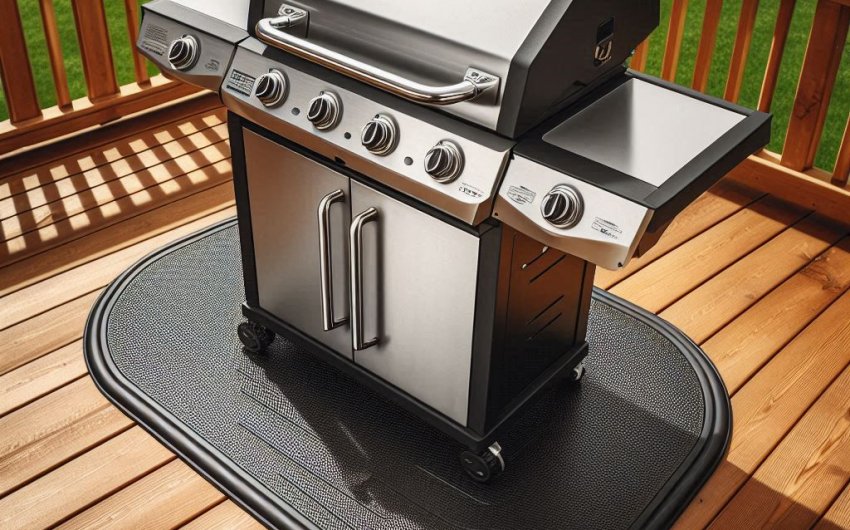
Grilling is a quintessential outdoor activity. There's nothing quite like the sizzle of burgers, the aroma of barbecue, and the joy of cooking outdoors. While a patio or concrete slab is often the go-to spot for your grill, sometimes you want to place it somewhere else – maybe on a wooden deck, a grassy lawn, or even directly on a gravel area. But this brings up an important question: how do you protect the surface underneath from grease spills, hot coals, and intense heat?
The answer is a grill pad! A good grill pad (also known as a deck protector, grill mat, or grill deck pad) creates a barrier that shields your surfaces from damage. It's an essential accessory for off-patio cooking, providing peace of mind and keeping your outdoor spaces looking great. This guide will explore the best grill pad options available, focusing on their materials, benefits, and how to choose the perfect one for your grilling needs. Get ready to grill anywhere with confidence!
Why Do You Need a Grill Pad for Off-Patio Cooking?
You might think a small drip pan is enough, but a dedicated grill pad offers crucial protection that goes beyond just catching grease.
Does a Grill Pad Prevent Grease Stains?
Absolutely! This is one of the primary reasons to use a grill pad. Grilling, whether with charcoal or gas, inevitably produces grease. Without a pad, that grease can drip onto your wooden deck, concrete patio, or even stain your lawn. These stains are often incredibly difficult, if not impossible, to remove. A grill pad creates a non-porous barrier that collects all drips, protecting your surfaces from unsightly and permanent grease stains.
Can a Grill Pad Protect Against Heat Damage?
Yes, a good grill pad acts as a thermal barrier, protecting the surface below from intense heat. While most gas grills have a heat shield, continuous high heat can still damage wood, melt composite decking, or scorch grass. For charcoal grills, especially if hot embers or coals accidentally fall, a grill pad is critical for preventing burn marks, charring, or even starting a fire. It provides a layer of insulation that safeguards your valuable outdoor surfaces.
Does It Help with Fire Safety?
Definitely. For any type of grill, especially charcoal grills or smokers, there's always a risk of stray embers, ash, or hot coals falling. On combustible surfaces like wood decks or dry grass, this presents a significant fire hazard. A fire-resistant grill pad provides a crucial line of defense, catching these hot materials and preventing them from igniting the surface below. It's a small investment that offers a large measure of safety and peace of mind.
Can a Grill Pad Improve Cleanliness?
Beyond preventing stains, a grill pad makes cleanup much easier. Instead of scrubbing your deck or patio, you simply clean the pad itself. Many grill pads are designed to be easily wiped down or hosed off, collecting all the messy drips and keeping your grilling area much tidier. This simplifies post-grill cleanup, allowing you more time to enjoy your food and company.
Best Materials for Grill Pads
The material of your grill pad is the most important factor, as it determines its durability, heat resistance, and ease of cleaning.
1. PVC/Vinyl Grill Pads (Affordable & Easy to Clean)
These are common, often black or gray, and look like a flexible mat.
- Pros: Very affordable, lightweight, easy to roll up and store, simple to clean (just wipe or hose off). They are great at preventing grease stains. You can find many PVC grill mats.
- Cons: Not highly heat-resistant. While they protect against grease, they typically offer limited protection against direct contact with hot coals or prolonged intense heat, especially on wooden decks. Some may melt if exposed to high heat or open flames.
- Best for: Gas grills on concrete patios or durable surfaces, where grease stains are the main concern. Less ideal for wood decks or charcoal grills.
2. Composite/Rubber Grill Pads (Durable & Good All-Around)
These pads are often made from blends of recycled rubber, composite materials, or durable plastics.
- Pros: Good balance of durability, grease resistance, and moderate heat resistance. Often non-slip. Can be cut to size. More robust than basic vinyl. Many are designed to be recycled rubber grill mats.
- Cons: Can be heavier than vinyl. Heat resistance varies by specific material blend; always check product specifications for temperature limits.
- Best for: General use under gas grills on most surfaces, including wooden decks. A step up in protection from basic vinyl.
3. Fiberglass with Silicone/PTFE Coating (High Heat & Fire Resistant)
These grill pads are designed specifically for high-heat applications, often featuring layers of fiberglass coated with silicone, PTFE (Teflon), or similar materials.
- Pros: Excellent heat resistance and often fire-resistant. They can withstand high temperatures and will not typically melt from embers. Very effective at preventing stains. Durable and easy to clean. You'll often find these labeled as fire pit mats or heavy duty grill pads.
- Cons: Generally more expensive than PVC or basic rubber pads. Can be stiff.
- Best for: All types of grills, especially charcoal grills, pellet smokers, and fire pits on wood decks, composite decking, or grassy areas where fire safety is a top priority.
4. Aluminum Grill Pads (Rigid & Heavy Duty)
These are solid or perforated sheets of aluminum.
- Pros: Very durable, rigid, excellent heat reflection and dispersion. Easy to clean. Offer a sleek, modern look.
- Cons: Can be heavy. More expensive than most flexible mats. Can scratch some surfaces if not handled carefully.
- Best for: Permanent grill stations, or situations where you want a very robust, long-lasting solution on concrete or pavers. Less common for wood decks due to potential for heat buildup under the rigid pad without airflow.
5. Concrete Grill Pads (Permanent & Ultimate Protection)
While not a "pad" you buy off the shelf, pouring a small concrete slab specifically for your grill is the ultimate permanent solution.
- Pros: Ultimate fire and stain protection, extremely durable, can be custom-sized and shaped.
- Cons: Permanent installation, requires significant DIY effort or professional help. Not portable.
- Best for: Dedicated grilling zones where you always place your grill in the same spot, especially for heavy, permanent grills or outdoor kitchens.
Top Grill Pad Options for Different Off-Patio Surfaces
The best grill pad for you depends heavily on the surface you're trying to protect.
1. For Wooden Decks and Composite Decks
These surfaces are highly vulnerable to heat, embers, and grease.
- Best Options:
- Fiberglass with Silicone/PTFE Coating: This is the top choice for wood and composite decks due to its superior heat and fire resistance. It will protect against stray embers and intense radiant heat, minimizing the risk of damage or fire. Look for products specifically rated for high temperatures and under-deck use.
- Heavy Duty Rubber/Composite Mats: Ensure they are rated for high heat and outdoor use. While good for grease, double-check their thermal barrier properties for prolonged direct heat.
- What to Avoid: Basic PVC/vinyl mats are generally not recommended for wood or composite decks with charcoal grills or intense gas grilling, as they can melt or offer insufficient heat protection.
2. For Grass and Lawn Areas
Grilling on grass can lead to scorched patches and fire hazards from embers.
- Best Options:
- Fiberglass with Silicone/PTFE Coating: Again, this material is excellent for grass. It creates a complete barrier, protecting the lawn from heat, grease, and embers. Look for a size that extends beyond the grill's footprint.
- Heavy Duty Rubber Mats: Some thick rubber mats can offer decent protection, but ensure they are dense enough to prevent heat transfer that could still scorch grass over time.
- What to Avoid: Thin, lightweight mats that can easily shift or don't offer sufficient thermal insulation.
3. For Pavers, Stone, and Concrete Patios
While these surfaces are more resistant to heat and fire, they are still susceptible to stubborn grease stains.
- Best Options:
- PVC/Vinyl Mats: These are perfectly suitable as the primary concern here is grease stains, not significant heat damage. They are affordable and easy to clean.
- Composite/Rubber Mats: Also a great choice, offering more durability and grip.
- Aluminum Pads: Provide excellent grease containment and a sleek look on these hard surfaces.
- What to Avoid: No particular materials to avoid here, but overspending on extreme heat resistance might be unnecessary if fire risk is minimal.
4. For Gravel or Dirt Areas
These areas typically don't show heat or stain damage as easily, but a pad still improves cleanliness and stability.
- Best Options:
- Any Grill Mat: Most grill mats will work here. The primary benefit is catching grease and keeping the area tidy.
- Rubber Mats: Offer good stability on uneven gravel.
- Consider a Paver Base: For a more stable and clean setup, laying a few patio pavers under the grill can be an effective and inexpensive base, which you can then clean directly or place a smaller mat on.
Key Features to Look For When Buying a Grill Pad
Beyond just the material, consider these features to choose the best grill pad for your needs.
1. Size and Shape
- Bigger is Better: Always choose a grill pad that is larger than the footprint of your grill, extending out a few inches on all sides. This accounts for drips that might miss the immediate area under the grill.
- Common Shapes: Most come in standard rectangular or circular shapes. Measure your grill and your space before buying.
2. Heat Resistance Rating
- Crucial for Wood/Composite/Grass: If grilling on a combustible surface, this is non-negotiable. Look for explicit temperature ratings (e.g., "up to 600°F continuous heat" or "fire-resistant"). Don't guess!
- UL Rating: For maximum safety, look for products that have been tested and certified by reputable organizations.
3. Non-Slip Surface
- Safety First: A grill pad that stays in place is safer. Look for pads with a textured or rubberized backing that prevents it from sliding around, especially if placed on a smooth patio or deck.
4. Ease of Cleaning
- Wipe Down/Hose Off: Most good grill pads are designed for easy cleaning. Make sure the material is non-porous and can be simply wiped with a damp cloth or hosed down.
- Rollability/Foldability: If you plan to store your pad, check if it can be easily rolled or folded.
5. Durability and Longevity
- UV Resistance: For outdoor use, the pad should be resistant to UV rays to prevent fading and material breakdown over time.
- Weatherproof: It should withstand rain, snow, and temperature changes without degrading.
Tips for Using and Maintaining Your Grill Pad
Once you've chosen your grill pad, proper use and maintenance will ensure it performs well and lasts long.
1. Proper Placement
- Centering: Always center your grill on the pad, ensuring maximum coverage on all sides.
- Flat Surface: Place the pad on a flat, even surface to prevent buckling or uneven heat distribution.
2. Regular Cleaning
- After Each Use: It's best to wipe down or clean your grill pad after each grilling session, especially after greasy cooks. This prevents old grease from accumulating and potentially hardening.
- Deep Clean: Periodically give your pad a deeper clean with warm, soapy water and a scrub brush. Hose it off thoroughly.
3. Storage
- Dry Place: Store your grill pad in a dry place when not in use, especially during off-seasons.
- Flat or Rolled: Store it flat or rolled (if it's designed to be rolled) to prevent creases or damage. Avoid folding it sharply if it's not meant to be folded.
4. Inspect for Wear
- Check Regularly: Before each grilling session, quickly inspect your grill pad for any signs of wear, tears, burn marks, or degradation. A damaged pad may not offer adequate protection.
- Replace if Damaged: If your pad is significantly damaged, it's time to replace it. A compromised pad won't provide the safety or stain protection you need.
By investing in one of the best grill pad options and following these simple usage and maintenance tips, you can confidently enjoy off-patio cooking anywhere in your backyard, knowing your valuable surfaces are well-protected. Happy grilling!