
DIY Gnat Trap Ideas That Work Fast
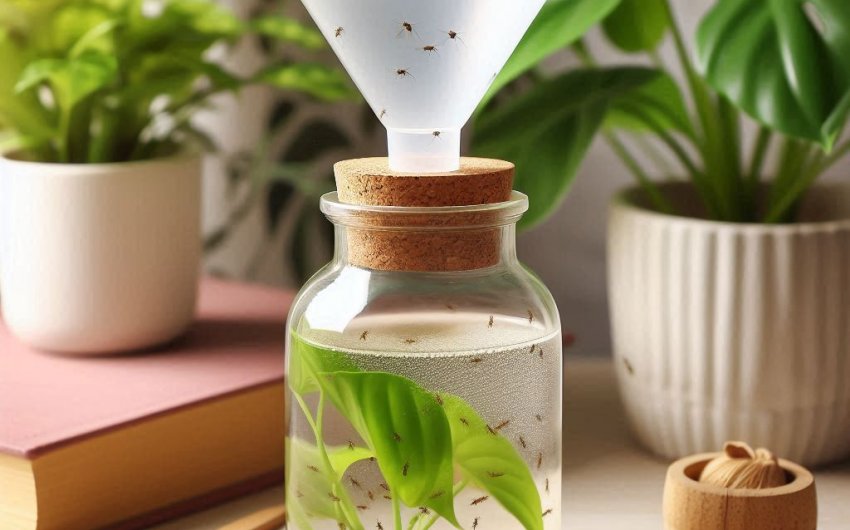
Gnawing at your nerves, tiny, flying annoyances – that’s the reality when gnats invade your home or garden. Whether they’re fungus gnats buzzing around your beloved houseplants, or fruit flies congregating in your kitchen, these little pests can multiply quickly and become a major nuisance. While store-bought solutions exist, they can be pricey, contain chemicals you might want to avoid, or simply not work as effectively as you hope.
The good news is, you can fight back! This guide is packed with DIY gnat trap ideas that work fast, using simple, inexpensive ingredients you likely already have. We'll focus on methods that effectively attract and trap gnats, helping you reclaim your space quickly. Say goodbye to those irritating swarms and hello to a gnat-free environment with these easy, cheap, and highly effective homemade gnat traps!
Why Opt for DIY Gnat Traps?
Choosing to make your own gnat traps offers several practical benefits over commercial options.
Are DIY Gnat Traps Safer?
Many DIY gnat trap ideas rely on natural, non-toxic ingredients like fruit, vinegar, or dish soap. This is a huge advantage, especially when dealing with gnats in your kitchen, near food, or around pets and children. You avoid introducing harsh pesticides or chemical odors into your living space, making it a safer environment for everyone.
Are DIY Gnat Traps Cheaper?
Absolutely! The ingredients for homemade gnat traps are incredibly cheap – often just pennies per trap. You're likely to already have most of them in your pantry. Compared to buying specialized gnat sprays, sticky traps, or electronic zappers, DIY gnat traps offer a significantly more budget-friendly solution for effective gnat control.
Do They Actually Work Fast?
Yes! Many of the DIY gnat trap methods we'll discuss work by attracting gnats with scents they love (like fermenting fruit or vinegar) and then trapping them. Once set up, you can often see gnats being caught within minutes or hours. While large infestations might require persistent use and addressing the source, these traps are designed for rapid results in reducing visible gnat populations.
Are They Easy to Make?
Most DIY gnat trap ideas are incredibly simple to put together, often requiring just a few common household items and no special tools or skills. This makes them accessible to anyone looking for a quick and effective solution.
Top DIY Gnat Trap Ideas That Work Fast (Kitchen Gnats/Fruit Flies)
These traps are specifically designed to attract and capture fruit flies and other kitchen gnats that are drawn to fermenting organic matter.
1. The Apple Cider Vinegar & Dish Soap Trap (The Classic & Most Effective)
This is hands down the most popular and often the most effective DIY gnat trap for fruit flies.
- How it works: Fruit flies are powerfully attracted to the sweet, fermenting smell of apple cider vinegar. The dish soap breaks the surface tension of the liquid, so when gnats land on it, they sink and drown instead of being able to fly away.
- Ingredients:
- 1/2 cup apple cider vinegar
- 1-2 drops liquid dish soap
- Optional: a pinch of sugar or a piece of overripe fruit for extra attraction.
- How to make it:
- Pour the apple cider vinegar into a small bowl, jar, or shallow glass.
- Add the dish soap and stir gently. Avoid creating too many suds, as this can deter flies.
- If using, add a pinch of sugar or a small piece of overripe fruit.
- Place the trap near areas where fruit flies are a problem (e.g., fruit bowl, sink, garbage can).
- Tip: Replace the solution every 2-3 days for maximum effectiveness, or more often if it fills up quickly.
2. The Funnel Trap (For Better Containment)
This is an extension of the vinegar and dish soap trap, adding a funnel to make it harder for gnats to escape once they're in.
- How it works: Gnats are drawn into the jar by the attractant but struggle to find their way back out through the narrow opening of the funnel.
- Ingredients: Same as above (apple cider vinegar, dish soap, optional attractants), plus a glass jar and a piece of paper or plastic wrap.
- How to make it:
- Prepare the liquid attractant (vinegar, dish soap, etc.) in the bottom of the jar.
- Paper Funnel: Roll a piece of paper into a cone shape with a small opening at the bottom. Secure it with tape. Insert the narrow end into the jar, ensuring it doesn't touch the liquid.
- Plastic Wrap Funnel: Cover the top of the jar tightly with plastic wrap. Poke several small holes (about 1/8 inch wide) in the plastic wrap with a toothpick or pen. The holes act as tiny funnels.
- Tip: This trap is excellent for situations where gnats are very persistent. Place it strategically.
3. Stale Beer or Wine Trap (Alcoholic Attraction)
Gnats, especially fruit flies, are big fans of fermented beverages.
- How it works: The yeast and alcohol in stale beer or wine act as a powerful attractant. Add soap to trap them.
- Ingredients: Small amount of stale beer or old red wine, 1-2 drops dish soap.
- How to make it:
- Pour a small amount of stale beer or old red wine into a shallow bowl or jar.
- Add a few drops of dish soap and gently swirl.
- Tip: This works particularly well if you have some leftover drinks that are a bit past their prime.
4. Fruit & Soap Trap (Sweet & Simple)
If you don't have vinegar, a piece of fruit can be a good attractant.
- How it works: The scent of ripening or fermenting fruit attracts gnats. Dish soap traps them.
- Ingredients: Small piece of very ripe or slightly overripe fruit (banana, apple, peach), water, 1-2 drops dish soap.
- How to make it:
- Place the fruit piece in a small bowl or jar.
- Add just enough water to barely cover the bottom of the fruit.
- Add the dish soap.
- Tip: This is great for quick, visible results. Make sure to change the fruit frequently as it decays further.
Top DIY Gnat Trap Ideas That Work Fast (Fungus Gnats/Houseplant Gnats)
Fungus gnats are often a sign of overwatering houseplants, as they breed in moist soil. These traps target them specifically.
1. Yellow Sticky Traps (Visual & Adhesive)
While you can buy these, you can also easily DIY them. Fungus gnats are strongly attracted to the color yellow.
- How it works: Gnats are lured by the yellow color and get stuck to the sticky surface.
- Ingredients: Yellow cardstock or bright yellow sturdy paper, petroleum jelly or a thin layer of Tanglefoot.
- How to make it:
- Cut yellow paper or cardstock into small strips or shapes (e.g., squares, butterflies).
- Spread a thin, even layer of petroleum jelly or Tanglefoot on both sides of the yellow paper.
- Attach these sticky traps to small sticks or skewers and insert them into the soil of infested houseplants, just above the soil surface. You can also hang them if preferred.
- Tip: This trap is highly effective for adult gnats, but doesn't address larvae in the soil. Replace when covered with gnats.
2. Potato Slices (Larvae Trap)
This method specifically targets the larval stage of fungus gnats, which live in the soil.
- How it works: Fungus gnat larvae feed on fungi and organic matter in the soil. Raw potato provides an irresistible food source, drawing the larvae out of the soil.
- Ingredients: Thin slices of raw potato.
- How to make it:
- Place thin slices of raw potato directly on the surface of the infested plant's soil.
- How to use it: Leave the potato slices on the soil for a few hours or overnight. When you lift them, you should see tiny gnat larvae clinging to the underside. Discard the slices (and the larvae) immediately. Repeat until no more larvae are found.
- Tip: This is a great indicator of how severe your fungus gnat problem is in the soil.
3. Sand Topping (Drying Out Larvae)
This isn't a trap, but a crucial preventive and control measure for fungus gnats.
- How it works: Fungus gnats lay their eggs and larvae live in the top layer of moist soil. A thick layer of sand on top of the soil dries out too quickly for larvae to survive and prevents adults from laying new eggs.
- Ingredients: 1-2 inches of coarse sand or play sand.
- How to use it: After watering your plant, add a 1-2 inch layer of sand to the top of the potting mix.
- Tip: Make sure to water your plants from the bottom or ensure the top layer of sand dries out quickly between waterings.
General Gnat Control Best Practices (Crucial for Long-Term Success)
While DIY gnat traps work fast to reduce adult populations, long-term control depends on addressing the source and eliminating breeding grounds.
1. Manage Moisture Levels
- Avoid Overwatering: This is the #1 cause of fungus gnats. Allow the top 1-2 inches of soil to dry out completely between waterings for houseplants.
- Improve Drainage: Ensure your plant pots have drainage holes and that water isn't sitting in saucers. Consider adding perlite or coarse sand to your potting mix for better drainage.
2. Remove Food Sources
- Clean Kitchens: Keep kitchen surfaces clean and free of crumbs and food spills.
- Store Produce Properly: Store ripe fruits and vegetables in the refrigerator or in sealed containers to prevent fruit flies from being attracted to them.
- Empty Trash Regularly: Take out your garbage, especially food waste, frequently. Ensure your indoor trash cans have tight-fitting lids.
- Clean Drains: Fruit flies and drain flies can breed in the organic matter that builds up in sink drains. Pour a mixture of baking soda and vinegar down drains, followed by hot water, to help clear them out. You can also use drain cleaners designed for organic matter.
3. Inspect and Isolate New Plants
- Check Before Bringing In: Always inspect new houseplants for signs of gnats (adults flying around, larvae in soil) before bringing them into your home.
- Quarantine: Isolate new plants for a few weeks to ensure they are gnat-free.
4. Improve Air Circulation
- Fans: Use small clip-on fans around houseplants to improve air circulation. This helps the soil dry out faster and makes it harder for gnats to fly.
- Good Ventilation: Ensure your kitchen and other living areas are well-ventilated, especially during warmer months.
5. Consider Beneficial Nematodes (Biological Control)
- Natural Predators: For a more comprehensive solution for fungus gnats in houseplants, consider using beneficial nematodes. These are microscopic worms that are natural predators of gnat larvae in the soil and are harmless to plants, humans, and pets. They can be added to your watering can.
By combining these DIY gnat trap ideas that work fast with diligent cleaning and moisture management, you can effectively control gnat populations and enjoy a more peaceful, gnat-free home and garden. Happy pest control!