
How to Make Giant Flowers for the Garden?
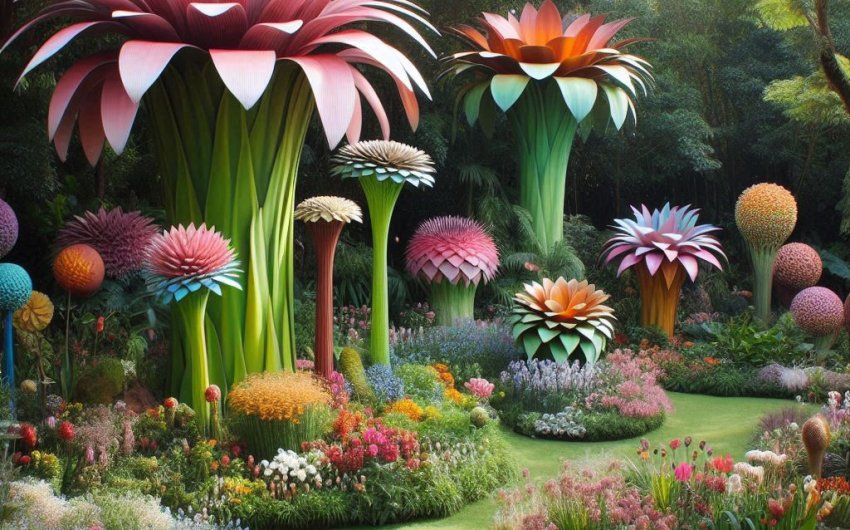
To make giant flowers for the garden, you can either cultivate naturally large varieties through optimal growing conditions and specialized care, or create oversized artificial flowers from durable, weather-resistant materials. Both methods aim to add dramatic scale and whimsical charm to your outdoor space.
Why Make Giant Flowers for the Garden?
Adding giant flowers for the garden is a fantastic way to create immediate visual impact, introduce a sense of whimsy, and craft a truly unique outdoor space that captures attention and sparks conversation.
- Dramatic Focal Point: Instantly draws the eye and creates a memorable centerpiece in any garden bed or landscape design.
- Whimsical Charm: Adds a playful, fantastical element, evoking a sense of wonder and fun, especially appealing to children and creative adults.
- Unique Aesthetic: Differentiates your garden from others, reflecting a bold and artistic personal style.
- Year-Round Color: Unlike real flowers, artificial giant flowers provide continuous color and interest regardless of season or weather.
- Low Maintenance (Artificial): Once created and installed, artificial giant flowers require minimal upkeep compared to cultivating large living plants.
- Photo Opportunities: Creates a picturesque backdrop, perfect for social media sharing and garden tours.
- Concealment: Can be strategically placed to hide unsightly utilities, bare walls, or less appealing areas of the garden.
What Are the Best Naturally Giant Flowers to Grow?
If you prefer living blooms, some plants naturally produce giant flowers for the garden or impressively large flower heads. Cultivating these requires optimal conditions and care.
1. Sunflowers (Helianthus annuus)
- Size: Can grow up to 12-15 feet tall with flower heads 1-2 feet across.
- Why they pop: Iconic, cheerful, and undeniable in their size.
- Key Varieties for Size: 'Mammoth Russian', 'American Giant', 'Skyscraper'.
- Growing Tips:
- Full Sun: Absolutely essential (6-8+ hours direct sun).
- Rich, Well-Draining Soil: Amend with plenty of compost.
- Consistent Water: Especially during germination and flowering.
- Support: Taller varieties will need a sturdy Plant Stake for Tall Plants or a trellis to prevent snapping in wind.
- Spacing: Give them plenty of room to grow.
- Find Giant Sunflower Seeds.
2. Dinnerplate Dahlias (Dahlia)
- Size: Individual blooms can reach 8-12 inches (20-30 cm) in diameter.
- Why they pop: Stunning, intricate blooms in a vast array of colors.
- Key Varieties for Size: 'Kelvin Floodlight', 'Cafe au Lait', 'Penhill Watermelon'.
- Growing Tips:
- Full Sun: Need lots of light.
- Rich, Well-Draining Soil: Incorporate plenty of compost.
- Consistent Water: Especially during dry periods and flowering.
- Staking: Absolutely essential. Stake when plants are small to support heavy blooms. Use sturdy Dahlia Stakes.
- Pinching/Disbudding: To get fewer, larger blooms, pinch off side buds, allowing the main bud to develop.
- Deadheading: Remove spent blooms to encourage more flowers.
- Find Dinnerplate Dahlia Tubers.
3. Giant Alliums (Allium giganteum and others)
- Size: Flower heads can be 6-10 inches across on stalks 3-5 feet tall.
- Why they pop: Striking spherical purple (or white) blooms on tall, stiff stems, looking like alien lollipops.
- Growing Tips:
- Full Sun: Prefer abundant light.
- Well-Draining Soil: Crucial, as bulbs can rot in wet conditions.
- Fall Planting: Plant bulbs in autumn for spring blooms.
- Low Maintenance: Generally pest and disease resistant.
- Find Giant Allium Bulbs.
4. Cardoon (Cynara cardunculus)
- Size: Can grow 5-8 feet tall and wide, with large, thistle-like purple flowers up to 6 inches across. Bold architectural foliage.
- Why they pop: Dramatic, architectural presence with unique flowers.
- Growing Tips:
- Full Sun: Needs plenty of sun.
- Well-Draining Soil: Adaptable but prefers good drainage.
- Large Space: Requires a lot of room.
- Pruning: Cut back spent flower stalks.
- Find Cardoon Seeds.
What Materials Can You Use to Make Artificial Giant Flowers?
Creating artificial giant flowers for the garden allows for endless creativity. Choose durable, weather-resistant materials for longevity.
1. Foam (EVA Foam, Craft Foam)
- Pros:
- Lightweight: Easy to handle and shape.
- Flexible: Can be bent, curled, and manipulated to create realistic petal shapes.
- Water-Resistant: Many types are waterproof once sealed.
- Easy to Cut: Can be cut with scissors or craft knives.
- Vibrant Colors: Available in a wide range of colors.
- Cons:
- UV Degradation: Can break down or fade in strong sunlight over time if not UV-protected.
- Tearing: Can tear if handled roughly.
- Tools: Scissors, craft knife, hot glue gun, heat gun (for shaping).
- Sealing: Use a clear, UV-resistant Outdoor Sealer Spray specifically for foam.
- Source: Large sheets of EVA Foam Rolls from craft stores or online.
2. Metal (Aluminum, Steel Wire, Sheet Metal)
- Pros:
- Extremely Durable: Very long-lasting and weather-resistant once properly treated.
- Strong: Can create rigid, sculptural forms.
- Modern/Industrial Aesthetic: Offers a unique look.
- Cons:
- Requires Specialized Tools: Metal snips, bending tools, welding equipment (for complex designs).
- Heavier: Can be challenging to transport and install.
- Rust (steel): Needs rust-proof paint or galvanization.
- Tools: Metal snips, pliers, welding equipment (optional), metal file.
- Sealing: Rust-resistant Outdoor Metal Paint or powder coating.
3. Fabric (Outdoor-Rated Canvas, Polyester, Ripstop Nylon)
- Pros:
- Lightweight: Easy to handle and drape.
- Vibrant Colors: Wide range of prints and colors.
- Movement: Can flutter gently in the breeze.
- Cons:
- Fading: Can fade over time in strong sunlight.
- Mildew: Can develop mildew in damp climates if not quick-drying.
- Less Rigid: May need internal supports or wire frames.
- Tools: Sewing machine, fabric scissors, fabric glue.
- Source: Outdoor fabric stores, or repurpose Outdoor Patio Umbrella Fabric.
4. Plastic (Repurposed Bottles, HDPE Sheets)
- Pros:
- Weatherproof: Highly resistant to rain and sun.
- Recycled/Repurposed: Eco-friendly option.
- Lightweight: Easy to work with.
- Cons:
- Limited Colors: Can be hard to find in desired hues.
- Less Flexible: Can be brittle.
- UV Degradation: Can become brittle over time.
- Tools: Heavy-duty scissors, utility knife, hot glue gun, heat gun.
5. Wood (Plywood, MDF, Reclaimed Wood)
- Pros:
- Natural Look: Can be painted or stained.
- Relatively Easy to Work With: Common woodworking tools.
- Sturdy: Can create robust structures.
- Cons:
- Weathering: Needs sealing and protection from rot, especially outdoors.
- Heavier: Can be cumbersome for large pieces.
- Tools: Jigsaw, drill, sander, wood glue, screws.
- Sealing: Exterior-grade Outdoor Wood Paint or Exterior Wood Sealer.
Step-by-Step: Making a Giant Foam Flower for Your Garden
This is a popular and relatively easy way to create a vibrant, lightweight giant flower for the garden.
Materials Needed
- Large sheets of EVA Foam Rolls (various colors, at least 2-3mm thick).
- Large craft paper or cardboard (for templates).
- Pencil or marker.
- Scissors or utility knife.
- Hot glue gun and plenty of Outdoor Hot Glue Sticks (look for outdoor/waterproof rated).
- Heat gun (optional, for shaping petals).
- PVC pipe or sturdy wooden dowel (for stem).
- Green spray paint (for stem).
- Clear, UV-resistant Outdoor Sealer Spray.
- Optional: Floral wire, small styrofoam ball (for center).
Steps
Design and Template:
Advertisement- Choose a Flower: Pick a simple flower type (e.g., daisy, poppy, rose).
- Sketch Petal Sizes: Draw various petal sizes on craft paper: largest for the outer layer, gradually smaller for inner layers. You'll need multiple petals of each size.
- Draw Centerpiece: Design the flower's center (e.g., a circle, fringe, or textured disc).
- Cut Templates: Cut out your paper templates.
Cut Foam Petals:
- Trace your templates onto the EVA foam sheets (use different colors for realism or whimsy).
- Carefully cut out all your foam petals and center pieces using sharp scissors or a utility knife.
Shape Petals (Optional but Enhances Realism):
- Gently heat the base or center of each petal with a heat gun (on a low setting, moving constantly to avoid melting).
- While warm, gently cup or curve the petal with your hands to give it a more natural, organic shape. Practice on a scrap piece first.
Assemble the Flower Head:
- Start with the Center: If using a styrofoam ball for the center, cover it with colored foam or glue on small foam pieces to create texture.
- Layer Petals: Begin gluing the largest petals to the back of the center piece (or directly onto a flat foam base if not using a styrofoam center). Overlap them to create fullness.
- Work Inwards: Continue adding smaller layers of petals, working inwards towards the center, overlapping and varying angles for a natural look.
- Add Centerpiece: Once petals are complete, glue your designed flower center on top.
Create the Stem:
- Cut PVC pipe or wooden dowel to your desired stem height.
- Spray paint the stem green with Outdoor Spray Paint. Let dry completely.
- Optional: Cut out leaf shapes from green foam and glue them along the stem or near the flower head.
Attach Flower Head to Stem:
- Secure Connection: Glue the finished flower head firmly to one end of the stem. For added stability, you might insert the stem into the base of the flower head (e.g., into a hole drilled into the styrofoam center) and then glue it.
- Reinforce (Optional): For very large heads, you might need to reinforce the connection with internal wire or more robust adhesive.
Seal for Outdoor Use:
- Once all glue is dry, spray the entire foam flower (petals, stem, leaves) generously with a clear, UV-resistant Outdoor Sealer Spray. Apply multiple thin coats, allowing each to dry. This protects against fading and weathering.
How Do You Install Giant Flowers in the Garden?
Proper installation ensures your giant flowers for the garden are stable, safe, and visually impactful.
1. Anchoring the Stem
- For Softer Soil/Garden Beds:
- Rebar/Sturdy Stake: Drive a piece of rebar or a sturdy metal T-Post Fence Post into the ground where you want the flower. Ensure it's deep enough for stability (1-2 feet).
- Sleeve: Slide the PVC pipe or wooden dowel stem of your flower over the rebar/stake. For a tighter fit, you can wrap the rebar with duct tape or use a smaller diameter rebar.
- For Harder Surfaces/Pots:
- Heavy Base: For a freestanding flower on a patio, attach the stem to a heavy, flat base (e.g., a metal plate, a concrete block) or set it in a large, heavy planter filled with concrete or heavy gravel.
2. Positioning for Visual Impact
- Focal Point: Place a single giant flower as a striking focal point in a garden bed.
- Grouping: Create a whimsical "bouquet" by grouping several giant flowers of different heights or colors.
- Height Variation: Vary the stem heights to add visual interest and mimic natural growth.
- Against a Backdrop: Position them against a plain fence or wall to make their shapes and colors stand out.
- Hide Unsightly Areas: Use them to draw attention away from utility boxes or bare spots.
3. Safety Considerations
- Wind: Giant flowers can be caught by strong winds. Ensure stems are securely anchored to prevent them from blowing over and causing damage or injury.
- Sharp Edges: If using metal, ensure all edges are smooth and safe.
- Electrical (if adding lights): If you plan to add any internal lighting to artificial flowers, ensure it is completely weatherproof and installed safely by a qualified person if wired. For DIY, stick to battery-operated Waterproof LED Fairy Lights.
How to Maintain Your Giant Flowers?
Whether living or artificial, a little care goes a long way in keeping your giant flowers for the garden looking their best.
For Naturally Giant Flowers (Sunflowers, Dahlias, Alliums)
- Watering: Consistent and adequate watering is crucial, especially during dry spells and peak growth/flowering.
- Fertilizing: Feed regularly with a balanced organic fertilizer to support their immense growth.
- Staking: Critical for tall, heavy plants. Inspect stakes regularly and add more support if needed, especially before strong winds.
- Pest and Disease Management: Monitor for common garden pests and diseases. Address them promptly using organic methods if preferred.
- Deadheading: Remove spent blooms to encourage more flowers (for dahlias) or to prevent self-seeding (for sunflowers if you don't want volunteers).
For Artificial Giant Flowers
- Cleaning: Periodically wipe down petals and stems with a damp cloth to remove dust and dirt. For tougher grime, a gentle scrub with mild soap and water can work.
- Sealer Reapplication: Reapply the UV-resistant Outdoor Sealer Spray annually or every two years, especially if you notice colors fading or material degradation.
- Inspect for Damage: Regularly check for any signs of wear and tear, fading, cracking, or loose connections. Repair promptly with appropriate adhesives or materials.
- Winter Storage (Optional): In harsh winter climates, you might consider bringing foam or fabric flowers indoors to prolong their life, although well-sealed ones should withstand most weather. Metal or wood flowers are usually fine outdoors year-round.
- Anchoring Check: Re-check the stability of the stem anchors, especially after strong winds or storms.
The Enduring Allure of Giant Garden Flowers
Whether through careful cultivation of nature's marvels or imaginative crafting of whimsical art, adding giant flowers for the garden creates an undeniable statement. They invite smiles, inspire awe, and transform your outdoor space into a truly memorable landscape. Embrace the grand scale and let your garden burst with larger-than-life charm.