
How do I grow cherries in a home garden?
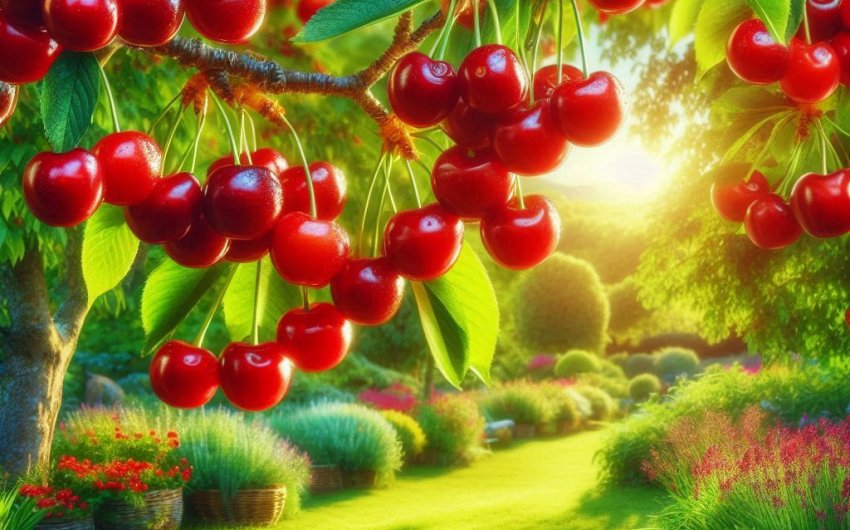
Growing cherries in your home garden can be a rewarding experience, offering delicious fruit straight from your own backyard. To successfully cultivate cherry trees, you need to consider several key factors: choosing the right variety, providing ideal growing conditions, and consistently caring for the trees. Start by selecting cherry varieties that thrive in your local climate, paying attention to their chill hour requirements. Chill hours are the number of hours a cherry tree needs to spend at temperatures between (0^\circ \text{C}) and (7^\circ \text{C}) to break dormancy and produce fruit. Sweet cherries generally need more chill hours than tart cherries.
Once you've chosen your variety, prepare your planting site. Cherry trees prefer full sun, meaning at least six to eight hours of direct sunlight per day, and well-draining soil. Well-draining soil is crucial because cherry trees do not like "wet feet," which can lead to root rot. If your soil is heavy clay, consider amending it with organic matter like compost or planting on a raised mound to improve drainage. Proper watering, especially during dry spells and the fruit development stage, is also vital. Young cherry trees need consistent moisture to establish their root systems, while mature trees need deep watering to support fruit production. Finally, regular pruning helps maintain the tree's shape, promotes good air circulation, and encourages better fruit yields.
What are the best cherry varieties for a home garden?
Choosing the right cherry variety is the first step to a successful cherry harvest. There are two main types of cherries: sweet cherries and tart cherries (also known as sour cherries or pie cherries). Each type has different uses and growing requirements.
Sweet cherries are typically eaten fresh, right off the tree. They are known for their firm texture and rich, sweet flavor. Some popular sweet cherry varieties for home gardens include 'Bing', 'Lapins', 'Rainier', and 'Stella'.
- 'Bing' is one of the most famous sweet cherry varieties, known for its large, dark red fruit and rich flavor. It needs a pollinator tree to produce fruit.
- 'Lapins' is a self-fertile sweet cherry, meaning it doesn't need another tree for pollination. It produces large, dark red fruit and is a good choice for smaller gardens where space for multiple trees is limited.
- 'Rainier' produces beautiful, yellow-red blushed fruit with a very sweet and delicate flavor. It also needs a pollinator.
- 'Stella' is another self-fertile variety, producing dark red, heart-shaped fruit. It's a reliable producer and a good option for beginners.
Tart cherries are typically used for baking, jams, and juices due to their tangy flavor. They are often more cold-hardy than sweet cherries and are usually self-fertile, making them easier for home gardeners.
- 'Montmorency' is the most widely planted tart cherry variety in North America. It is highly productive, self-fertile, and produces bright red fruit perfect for pies and preserves.
- 'North Star' is a dwarf tart cherry variety, growing to only about 8-10 feet tall. It's excellent for small spaces and produces dark red, juicy fruit.
- 'Balaton' is a newer tart cherry variety that offers a good balance of sweetness and tartness, making it suitable for both fresh eating and baking.
When selecting your cherry varieties, also consider their chill hour requirements. If you live in an area with mild winters, look for low-chill varieties. If your winters are very cold, most cherry varieties will likely meet their chill hour needs. You can find information about specific varieties and their chill hour requirements from your local agricultural extension office or a reputable nursery. For example, 'Royal Crimson' is a low-chill sweet cherry that can thrive in warmer climates, while 'Danube' is a tart-sweet variety that is more cold-hardy.
How do I prepare the soil for planting cherry trees?
Soil preparation is crucial for the long-term health and productivity of your cherry trees. Cherry trees thrive in well-draining soil with a neutral to slightly acidic pH, ideally between 6.0 and 7.0. Before planting, it's a good idea to perform a soil test. A soil test kit soil test kit can tell you your soil's pH and nutrient levels, which helps you understand what amendments might be needed. You can usually get a soil test done through your local agricultural extension office.
If your soil test reveals that your soil is too acidic (low pH), you can raise the pH by adding agricultural lime agricultural lime. If it's too alkaline (high pH), you can lower it by adding sulfur sulfur or peat moss peat moss.
The most important aspect of soil preparation for cherry trees is ensuring excellent drainage. Cherry trees are highly susceptible to root rot if their roots sit in waterlogged soil.
- For heavy clay soil: If your soil is primarily clay, it retains too much water. You'll need to improve its structure. Dig in a generous amount of organic matter such as well-rotted compost compost, aged manure aged manure, or pine bark fines pine bark fines into the top 12-18 inches of soil. This will create air pockets and improve drainage. Another effective method for clay soils is to plant on a raised mound or raised garden bed raised garden bed. Create a mound about 18-24 inches high and 4-6 feet wide, and plant your cherry tree on top of it. This lifts the root ball out of potentially wet soil.
- For sandy soil: While sandy soil drains well, it often lacks nutrients. Amend sandy soil with compost compost or other organic matter to improve its water-holding capacity and fertility.
- Digging the planting hole: Dig a planting hole that is twice as wide as the root ball and just as deep. This allows the roots to spread out easily. Do not dig the hole too deep, as planting too low can lead to root issues. When you place the tree in the hole, the root collar (where the roots meet the trunk) should be at or slightly above the soil line. Backfill the hole with the amended soil, gently tamping it down to remove large air pockets. Water thoroughly after planting.
Good soil preparation lays the foundation for healthy root development, which is essential for a productive and long-lived cherry tree.
What is the best time to plant a cherry tree?
The best time to plant a cherry tree largely depends on whether you are planting a bare-root tree or a container-grown tree, and your local climate. Generally, the ideal time to plant cherry trees is in the early spring or late fall when the trees are dormant.
- Early Spring Planting: This is often considered the best time for planting bare-root cherry trees. When planted in early spring, usually a few weeks before the last frost date, the tree has the entire growing season to establish its root system before the stress of summer heat. The soil is cool and moist, which is perfect for root development. Nurseries typically ship bare-root trees in late winter or early spring, so they arrive ready for planting.
- Late Fall Planting: Planting in late fall, after the leaves have dropped but before the ground freezes solid, is another good option, especially in areas with mild winters. This allows the tree's roots to establish somewhat before winter sets in, and the tree can then hit the ground running in the spring. However, in regions with very cold winters and deep ground freezes, late fall planting can be risky for young trees. The roots might not establish enough to withstand the cold, leading to winter damage.
- Container-Grown Trees: Container-grown cherry trees offer more flexibility. They can be planted successfully almost any time of the growing season, provided you can give them adequate water and care, especially during hot summer months. However, early spring or fall are still preferred as they offer less transplant shock and more favorable conditions for root establishment. Avoid planting during periods of extreme heat or cold.
No matter when you plant, make sure the soil is workable and not frozen or waterlogged. If you purchase a bare-root tree and can't plant it immediately, you can "heel it in" by temporarily burying its roots in a trench or a pot filled with moist soil or sawdust, keeping it in a cool, sheltered location. The sooner you plant after receiving the tree, the better its chances of success. Ensure you dig a wide enough hole and backfill properly, then water the newly planted tree thoroughly to settle the soil around the roots.
How much sunlight do cherry trees need?
Cherry trees are sun-loving plants and require a significant amount of direct sunlight to grow vigorously and produce abundant, high-quality fruit. For optimal growth and fruit production, cherry trees need at least 6 to 8 hours of direct sunlight per day. More sunlight is generally better, with 8+ hours being ideal.
Here's why ample sunlight is so important for cherry trees:
- Photosynthesis: Sunlight is essential for photosynthesis, the process by which plants convert light energy into chemical energy (sugars) for growth. More sunlight means more energy for the tree to produce leaves, branches, flowers, and most importantly, fruit.
- Fruit Production and Quality: Trees that receive insufficient sunlight will produce fewer flowers and, consequently, less fruit. The fruit that does develop may be smaller, less sweet, and have poorer color. Adequate sunlight ensures the sugars develop properly in the fruit, giving them their characteristic sweetness and flavor.
- Disease Prevention: Good air circulation and ample sunlight help to dry the leaves and fruit quickly after rain or dew, which reduces the risk of fungal diseases such as brown rot and cherry leaf spot. Shady, damp conditions are a breeding ground for these pathogens.
- Tree Health and Vigor: Trees grown in shade tend to be leggy (stretched out), weaker, and more susceptible to pests and diseases because they are stressed from lack of energy. A well-lit tree is a strong, healthy tree.
When choosing a planting site for your cherry tree, observe the sun patterns throughout the day in different seasons if possible. An area that receives full morning sun and some afternoon shade in very hot climates can sometimes be beneficial to prevent sunscald on the trunk or fruit, but generally, full sun exposure is preferred. Avoid planting near large buildings or other trees that will cast significant shade on your cherry tree as it grows. Prioritizing a sunny location will give your cherry tree the best chance to thrive and reward you with a bountiful harvest.
How do I water cherry trees properly?
Proper watering is essential for the health and productivity of cherry trees, especially during their establishment phase and fruit development. While cherry trees need consistent moisture, they are very sensitive to overwatering and waterlogged soil, which can lead to root rot. The key is to provide deep, infrequent watering.
Here’s how to water cherry trees properly:
- Immediately After Planting: After planting a new cherry tree, water it thoroughly to settle the soil around the roots and remove any air pockets.
- First Year (Establishment): During the first year after planting, young cherry trees need consistent moisture to develop a strong root system. Water deeply once or twice a week, depending on rainfall and soil type. Aim to keep the top 6-12 inches of soil consistently moist but not soggy. Check the soil moisture by sticking your finger into the soil or using a moisture meter moisture meter. If the soil feels dry, it's time to water.
- Mature Trees: Once established, mature cherry trees are more drought-tolerant but still benefit from supplemental watering during dry spells, particularly during flowering and fruit development. Water deeply once every 1-3 weeks during dry periods. Deep watering encourages roots to grow deeper, making the tree more resilient.
- How to Water Deeply:
- Slow and Steady: Avoid quick, shallow watering. Use a soaker hose soaker hose or drip irrigation system for several hours to allow water to slowly penetrate the soil to a depth of at least 18-24 inches for mature trees.
- Basin/Berm: Create a small soil berm or basin around the tree at the drip line (the outer edge of the branches) to help contain the water and direct it down to the root zone.
- Amount: The amount of water needed depends on tree size, soil type, and climate. As a general guideline, a young tree might need 5-10 gallons of water per week, while a mature tree could need 15-25 gallons during dry periods.
- Mulching: Apply a 2-4 inch layer of organic mulch organic mulch (like wood chips or shredded bark) around the base of the tree, keeping it a few inches away from the trunk. Mulch helps retain soil moisture, suppresses weeds (which compete for water), and moderates soil temperature.
- Signs of Under or Overwatering:
- Underwatering: Wilting leaves, stunted growth, dry and brittle leaves, or fruit drop.
- Overwatering: Yellowing leaves, leaves dropping, soggy soil, or general decline. These symptoms often mimic underwatering, but the key is checking the soil moisture. If the soil is wet, it’s overwatering.
Remember to adjust your watering schedule based on rainfall, temperature, and the specific needs of your tree. Consistent monitoring is key to successful cherry tree watering.
When and how should I prune a cherry tree?
Pruning cherry trees is a vital practice for maintaining tree health, encouraging fruit production, and managing tree size and shape. The timing and method of pruning depend on the type of cherry (sweet or tart) and the tree's age.
General Pruning Principles for All Cherry Trees:
- Always use sharp, clean pruning shears pruning shears, loppers loppers, or a pruning saw pruning saw. Clean tools prevent the spread of diseases.
- Remove any dead, diseased, or damaged branches immediately, regardless of the season.
- Remove branches that are rubbing against each other, as this can create wounds and entry points for pests and diseases.
- Aim to create an open canopy that allows for good air circulation and sunlight penetration. This helps prevent fungal diseases and improves fruit quality.
Pruning Sweet Cherries:
- Timing: The best time to prune sweet cherry trees is in late summer or early fall, after harvest but before the tree goes dormant. Pruning during this time minimizes the risk of bacterial canker, a common disease in cherry trees that is more prevalent when pruned in late winter or early spring.
- Formative Pruning (Young Trees): For young sweet cherry trees, the goal is to establish a strong central leader (a single main trunk) or a modified central leader system.
- Year 1 (at planting): If a bare-root tree, cut the top of the central leader back to about 30-36 inches from the ground to encourage branching. Remove any branches lower than 18 inches. Select 3-5 well-spaced scaffold branches (main lateral branches) that form wide angles with the trunk (avoid narrow angles, which are weak).
- Subsequent Years: Continue to maintain a central leader. Encourage horizontal growth by heading back vertical shoots. Remove crossing branches, suckers (shoots growing from the roots or base of the trunk), and water sprouts (fast-growing vertical shoots on branches). Aim for good spacing between branches.
- Maintenance Pruning (Mature Trees): For mature sweet cherry trees, pruning primarily involves:
- Thinning out crowded branches to improve light penetration and air circulation.
- Removing any crossing, rubbing, or downward-growing branches.
- Removing dead or diseased wood.
- Keeping the tree at a manageable height for harvesting. Sweet cherries fruit on spurs (short, stubby branches) that remain productive for several years, so avoid removing too many of these.
Pruning Tart Cherries:
- Timing: Tart cherry trees can be pruned in late winter or early spring while they are dormant, before bud break. They are less susceptible to bacterial canker than sweet cherries.
- Formative Pruning (Young Trees): Tart cherries are often pruned to an open vase shape or a modified central leader.
- Year 1: Head back the central leader and select 3-5 strong, well-spaced scaffold branches.
- Subsequent Years: Continue to encourage an open canopy. Tart cherries fruit primarily on one-year-old wood (the wood that grew last season), so pruning often involves heading back branches to encourage new growth each year.
- Maintenance Pruning (Mature Trees): For mature tart cherry trees:
- Remove dead, diseased, or crossing branches.
- Thin out older, less productive branches to encourage new fruiting wood. This is often called renewal pruning.
- Remove suckers and water sprouts.
Over-pruning can stress the tree and reduce fruit production. It's better to make a few thoughtful cuts than many small, indiscriminate ones. If you're unsure, consult a local arborist or your agricultural extension office for advice tailored to your specific tree and climate.
Do I need two cherry trees for pollination?
The need for two cherry trees for pollination depends entirely on the cherry variety you choose. This is a crucial factor for successful fruit production, especially with sweet cherries.
Self-Fertile Varieties (Self-Pollinating): Some cherry varieties are self-fertile, meaning they can pollinate themselves and produce fruit without another cherry tree nearby. These are excellent choices for home gardeners with limited space or who only want one tree. Many tart cherry varieties are self-fertile, with 'Montmorency' being a prime example. For sweet cherries, 'Lapins', 'Stella', 'Sweetheart', and 'Royal Ann' (also known as 'Napoleon') are notable self-fertile options. If you plant a self-fertile variety, you technically only need one tree. However, even self-fertile varieties often produce a larger and more consistent crop when another compatible cherry tree is planted nearby, as cross-pollination can enhance fruit set.
Self-Infertile Varieties (Require a Pollinator): Most sweet cherry varieties are self-infertile, also known as cross-pollinating. This means they cannot pollinate themselves and need pollen from a different, compatible cherry variety to produce fruit. If you plant a self-infertile sweet cherry like 'Bing' or 'Rainier' and do not have a suitable pollinator within about 50 feet, your tree will produce very little to no fruit, even if it flowers heavily.
When a pollinator is needed, consider these points:
- Compatibility: Not all cherry varieties are compatible pollinators for each other. Some varieties belong to specific pollination groups and will only pollinate varieties within that group or specific other groups. When purchasing cherry trees, the nursery or grower should provide information on compatible pollinators for the variety you choose.
- Bloom Time: The pollinator tree must have an overlapping bloom time with the tree it is pollinating. If one tree blooms much earlier or later than the other, they won't be able to exchange pollen.
- Proximity: Pollen is typically carried by bees. The pollinator tree should be planted within 50 feet of the tree it is intended to pollinate for effective transfer.
- Pollinator Tree Purpose: The pollinator tree doesn't have to be a different species, just a different compatible cherry variety. You could have two sweet cherry varieties that cross-pollinate each other.
If you are unsure whether a variety is self-fertile or needs a pollinator, always ask your nursery or check reliable horticultural resources. Choosing self-fertile varieties can simplify things for new gardeners, but if you have space, planting a pair of compatible self-infertile sweet cherries can lead to a more diverse and abundant harvest. Some newer varieties, especially on dwarf rootstocks, are bred to be more compact and self-fertile, making them more suitable for smaller home gardens.
How long does it take for a cherry tree to produce fruit?
The time it takes for a cherry tree to produce fruit varies depending on several factors, including the variety, the rootstock it's grafted onto, its age at planting, and the growing conditions.
- Sweet Cherries:
- Standard-sized sweet cherry trees on vigorous rootstocks (like Mazzard or Mahaleb) typically take 4 to 7 years to begin producing a significant crop. They might produce a few scattered cherries earlier, but a good harvest usually takes longer.
- Dwarf or semi-dwarf sweet cherry trees (often on Gisela or Krymsk rootstocks) tend to fruit much sooner, usually within 2 to 4 years after planting. These rootstocks are bred to induce earlier fruiting and keep the tree smaller, which is beneficial for home gardeners.
- Tart Cherries (Sour Cherries):
- Tart cherry trees (like 'Montmorency' or 'North Star') generally begin fruiting earlier than sweet cherries. You can often expect to see a good crop within 3 to 5 years after planting, and sometimes even a small amount in the second year. They are known for being more precocious, meaning they fruit at a younger age.
Factors Influencing Fruiting Time:
- Rootstock: As mentioned, the rootstock has a major influence. Dwarf and semi-dwarf rootstocks are popular for home gardens precisely because they promote earlier fruiting and a more manageable tree size.
- Age at Planting: If you purchase a cherry tree that is already 2 or 3 years old from the nursery, it will likely fruit sooner than a 1-year-old bare-root whip.
- Care and Growing Conditions: A well-cared-for tree that receives adequate sunlight, water, nutrients, and proper pruning will establish faster and fruit sooner than a neglected or stressed tree.
- Pollination: If you've planted a self-infertile sweet cherry and don't have a compatible pollinator, it won't produce fruit, regardless of age. Ensure proper pollination for optimal yields.
- Chill Hours: The tree needs to accumulate enough chill hours during winter to break dormancy and set fruit. If your climate doesn't provide enough chill, the tree may flower poorly or not at all.
While it requires some patience, the wait for homegrown cherries is well worth it. Providing the best possible care from day one will help your cherry tree mature and produce fruit as quickly as possible.
How do I protect cherry trees from pests and diseases?
Protecting cherry trees from pests and diseases is an ongoing part of successful cherry cultivation. A proactive approach combining cultural practices, monitoring, and targeted treatments is most effective.
Cultural Practices for Prevention:
- Choose Resistant Varieties: Whenever possible, select cherry varieties known for their resistance or tolerance to common local pests and diseases. For example, some tart cherry varieties are less susceptible to bacterial canker than sweet cherries.
- Proper Site Selection: Plant cherry trees in full sun with well-draining soil. Good air circulation (achieved through proper spacing and pruning) helps dry foliage and reduces fungal disease pressure.
- Good Sanitation:
- Promptly remove and dispose of any fallen leaves, diseased branches, or rotten fruit. This reduces the overwintering sites for many pathogens and pests.
- Sanitize pruning tools pruning tools with a 10% bleach solution or rubbing alcohol between cuts, especially when pruning diseased wood.
- Proper Watering and Nutrition: Avoid overwatering, which can lead to root rot. Ensure the tree receives adequate nutrients to maintain vigor, but don't over-fertilize with nitrogen, as this can encourage lush, susceptible growth.
- Mulching: A layer of mulch mulch helps regulate soil temperature, conserve moisture, and can suppress some soil-borne diseases.
Common Pests and Their Management:
- Cherry Fruit Fly (Spotted Wing Drosophila - SWD): This is a major pest for cherries. The flies lay eggs in ripening fruit, leading to "wormy" cherries.
- Monitoring: Use yellow sticky traps yellow sticky traps to detect their presence.
- Control: Harvest fruit promptly. For severe infestations, consider organic insecticides organic insecticides labeled for fruit flies (like spinosad) applied according to package directions, typically before fruit ripens. Exclusion netting exclusion netting with a fine mesh can be effective but can be cumbersome for large trees.
- Aphids: Small, soft-bodied insects that cluster on new growth, causing distorted leaves.
- Control: A strong spray of water can dislodge them. For heavier infestations, use insecticidal soap insecticidal soap or neem oil neem oil. Encourage natural predators like ladybugs.
- Borers: Larvae tunnel into the trunk and branches, weakening the tree.
- Control: Maintain tree vigor to help it resist borers. For existing infestations, professional intervention may be needed.
- Birds: Birds love cherries!
- Control: The most effective method is covering trees with bird netting bird netting just before the fruit begins to ripen.
Common Diseases and Their Management:
- Brown Rot (Monilinia fructicola): A fungal disease that attacks blossoms, twigs, and especially ripening fruit, causing it to rot and shrivel.
- Control: Good air circulation through pruning. Remove all mummified fruit from the tree and ground. Apply a fungicide fungicide (like Bonide Copper Fungicide Bonide Copper Fungicide) during bloom and again as fruit ripens, especially in wet conditions.
- Cherry Leaf Spot (Blumeriella jaapii): Another common fungal disease causing small purple to brown spots on leaves, which may turn yellow and drop prematurely.
- Control: Rake and destroy fallen leaves in the fall. Good air circulation. Apply fungicides fungicides specifically for leaf spot, typically starting at petal fall and continuing through the summer.
- Bacterial Canker (Pseudomonas syringae): A bacterial disease causing cankers (sunken, discolored areas) on branches and trunks, often oozing a gummy substance. Can kill branches or even the entire tree.
- Control: Prune in late summer/early fall when the tree is actively growing, as this helps wounds heal faster and reduces susceptibility. Avoid pruning in wet conditions. Remove infected branches well below the canker. No effective chemical control for established cankers.
- Powdery Mildew: White, powdery growth on leaves and sometimes fruit.
- Control: Good air circulation. Some fungicides can help.
Integrated Pest Management (IPM): Adopt an Integrated Pest Management (IPM) approach, which emphasizes prevention, monitoring, and using the least toxic control methods first. This means:
- Identify the Problem: Know what pest or disease you're dealing with.
- Monitor: Regularly inspect your trees for early signs of trouble.
- Prevent: Use cultural practices as your first line of defense.
- Intervene: If problems arise, start with non-chemical methods (like hand-picking pests or strong water sprays).
- Chemicals as a Last Resort: If necessary, use organic or low-toxicity pesticides/fungicides organic or low-toxicity pesticides/fungicides according to label instructions. Always follow safety precautions.
Regular observation is your best tool. The earlier you spot a problem, the easier it is to manage.
What are the chill hour requirements for cherry trees?
Chill hours are a critical factor in successfully growing cherry trees, especially in regions with mild winters. Chill hours (or chill units) refer to the total number of hours a fruit tree needs to spend at temperatures between (0^\circ \text{C}) and (7^\circ \text{C}) ((32^\circ \text{F}) and (45^\circ \text{F})) during its dormant period in winter. This period of cold is necessary to break dormancy and allow the tree to flower and set fruit properly in the spring.
If a cherry tree does not receive enough chill hours, it may exhibit several problems:
- Delayed bud break: Buds may open unevenly or much later than usual.
- Reduced flowering: Fewer blossoms will appear.
- Poor fruit set: Even if flowers appear, they may not develop into fruit.
- Weak growth: The tree may show overall stunted or weak growth.
Chill Hour Categories for Cherry Trees: Cherry varieties are typically categorized by their chill hour requirements:
- High-Chill Varieties: These require a significant number of chill hours, typically 1,000 to 1,500 hours or more. Many traditional sweet cherry varieties like 'Bing' and 'Rainier' fall into this category. These are suitable for regions with consistently cold winters.
- Medium-Chill Varieties: These require 600 to 1,000 chill hours. Some newer sweet cherry varieties and many tart cherry varieties like 'Montmorency' are in this range. These are suitable for areas with moderately cold winters.
- Low-Chill Varieties: These require 200 to 600 chill hours. These varieties are specifically bred for warmer climates where winters are mild. Examples include 'Minnie Royal', 'Royal Lee', and 'Royal Crimson' (sweet cherries) and some specialized tart cherries. If you live in a Southern state or a coastal region with mild winters, selecting a low-chill variety is essential.
How to Determine Your Chill Hours:
- Local Extension Office: Your local agricultural extension office or university cooperative extension often has historical chill hour data for your specific region. This is usually the most reliable source.
- Online Resources: Many online gardening and agricultural websites provide tools to estimate chill hours for a given location using zip codes or weather station data. Search for "chill hour calculator" for your region.
Before purchasing a cherry tree, always research the chill hour requirement of the specific variety and compare it to the typical chill hours in your area. Planting a high-chill variety in a low-chill climate will likely result in a very disappointing fruit harvest, no matter how well you care for the tree otherwise. Conversely, a low-chill variety in a very cold climate might bloom too early and be damaged by late frosts. Matching the cherry tree to your climate's chill hours is fundamental for success.
What is the best fertilizer for cherry trees?
The best fertilizer for cherry trees isn't a one-size-fits-all answer, as it depends on your soil test results and the tree's specific needs. However, a general approach focuses on balanced nutrition and replenishing key elements.
Importance of a Soil Test: Before applying any fertilizer, it's highly recommended to get a soil test soil test kit. This inexpensive test provides invaluable information about your soil's pH and existing nutrient levels (nitrogen, phosphorus, potassium, and micronutrients). Over-fertilizing, especially with nitrogen, can lead to excessive leafy growth at the expense of fruit production, and make the tree more susceptible to certain diseases.
General Fertilizer Recommendations: Assuming a basic soil profile and no major deficiencies:
- Balanced Fertilizer for Young Trees: For newly planted or young cherry trees (first 1-3 years), a balanced fertilizer balanced fertilizer like a 10-10-10 or 12-12-12 NPK (Nitrogen-Phosphorus-Potassium) ratio can be beneficial. Nitrogen (N) promotes leafy growth and overall vigor, Phosphorus (P) supports root development and flowering, and Potassium (K) aids in fruit quality and disease resistance.
- Application: Apply sparingly in early spring as new growth begins. For a young tree, sprinkle about 1/2 to 1 pound (approximately 1-2 cups) of a granular fertilizer fertilizer evenly around the drip line (the outer edge of the branches), keeping it several inches away from the trunk. Water it in thoroughly.
- Nitrogen for Mature Trees: Once established and producing fruit, cherry trees typically benefit most from nitrogen. Nitrogen is crucial for healthy leaf growth and good fruit size. However, too much nitrogen can lead to excessive vegetative growth and less fruit.
- Application: Apply a nitrogen fertilizer nitrogen fertilizer (such as ammonium sulfate 21-0-0 or urea 46-0-0) in early spring before bud break. The amount depends on tree size and vigor. A general guideline is about 0.1 lb of actual nitrogen per inch of trunk diameter measured 1 foot above the ground. For a mature tree, this could translate to 1-3 pounds of a 10-10-10 or similar fertilizer, or a smaller amount of a higher-nitrogen formula. Spread evenly under the canopy and water in.
- Organic Options:
- Compost: Incorporating well-rotted compost well-rotted compost around the tree's root zone annually is an excellent way to provide a slow release of nutrients and improve soil structure. It also adds beneficial microbes.
- Aged Manure: Similar to compost, aged manure aged manure can provide nutrients, but ensure it is well-composted to avoid burning roots.
- Blood Meal blood meal or Feather Meal feather meal for Nitrogen: These are good organic sources of nitrogen.
- Bone Meal bone meal for Phosphorus: A good slow-release source of phosphorus.
- Micronutrients: If your soil test indicates deficiencies in micronutrients like iron, zinc, or boron, you may need to apply specific micronutrient supplements micronutrient supplements. Boron is particularly important for cherry trees for fruit set, but too much can be toxic, so only apply if a deficiency is confirmed.
Timing:
- Most fertilization for cherry trees should occur in early spring, just as new growth begins or slightly before bud break. This gives the tree access to nutrients as it comes out of dormancy and starts its active growth phase.
- Avoid fertilizing late in the growing season (late summer or fall) as this can stimulate new growth that won't harden off before winter, making it susceptible to cold damage.
Always read and follow the instructions on any fertilizer product you use. When in doubt, a little less is usually better than too much. Observe your tree for signs of nutrient deficiency (e.g., yellowing leaves, stunted growth) or excess (e.g., burned leaf tips).
How do I harvest cherries from my tree?
Harvesting cherries is one of the most exciting parts of growing your own cherry tree. Knowing when and how to pick them properly ensures you get the best flavor and avoid damaging the tree.
When to Harvest Cherries:
- Color and Firmness: The most important indicators are color and firmness.
- Sweet Cherries: They are ready when they have reached their full, deep color (bright red, dark red, or yellow-blushed, depending on the variety) and are firm to the touch. They will also detach easily from the stem. Unlike some other fruits, cherries do not ripen further once picked, so it's crucial to harvest them when they are fully ripe on the tree.
- Tart Cherries: Tart cherries also develop full color (bright red) when ripe and will be soft but not mushy. They are often harvested a bit earlier if intended for pies or jams, as their tartness is desirable for cooking.
- Taste Test: The ultimate test is to simply taste a few. If they are sweet and flavorful (for sweet cherries) or pleasantly tart (for tart cherries), they are ready.
- Timing: The cherry harvest season typically runs from late spring to mid-summer, depending on your climate and the cherry variety. Sweet cherries usually ripen from late May to early July, while tart cherries often ripen from late June to late July. The entire crop on a single tree usually ripens over a period of 1 to 2 weeks.
How to Harvest Cherries:
- Pick with Stems (Sweet Cherries): For sweet cherries, it's generally recommended to pick them with their stems attached. This significantly prolongs their shelf life, as the stem acts as a protective barrier, preventing moisture loss and rot. Gently grasp the stem just above the fruit and twist or snap it cleanly off the branch. Avoid pulling directly on the cherry itself, as this can tear the skin or damage the spur (the short fruiting branch) for future years.
- Stem-less is Okay (Tart Cherries): Tart cherries are often picked without stems, especially if they are going directly into pies or preserves. This makes harvesting quicker. They are also less prone to rotting if picked without stems. To pick a tart cherry without a stem, gently grasp the fruit and pull it directly off the stem. It should detach easily.
- Handle Gently: Cherries are delicate. Avoid bruising them by handling them carefully. Use a shallow container like a harvesting basket harvesting basket or a shallow bucket shallow bucket rather than a deep one that could crush the bottom layers.
- Multiple Pickings: Since cherries on a tree ripen at slightly different times, you'll likely need to make several passes over a week or two to harvest all the ripe fruit.
- Reaching High Branches: For taller trees, use a fruit picker tool fruit picker tool or a sturdy ladder ladder. Be careful not to damage the branches or step on fallen fruit, which can attract pests.
- Protect from Birds: Birds are notorious for loving ripe cherries. Netting the tree as the fruit begins to color is the most effective way to prevent them from eating your entire crop.
After Harvesting:
- Do Not Wash Until Ready to Eat: Washing cherries before storage can remove their natural protective bloom and encourage spoilage. Wash them only just before you are about to eat or use them.
- Storage: Store unwashed cherries with stems attached (if sweet) in a perforated plastic bag or a shallow container in the refrigerator. They can typically last for 1-2 weeks.
- Freezing: Cherries freeze well for longer storage. Wash, pit (a cherry pitter cherry pitter is very handy!), and freeze them in a single layer on a baking sheet before transferring them to freezer bags freezer bags. They can last for several months.
Enjoy the fruits of your labor! There's nothing quite like fresh, homegrown cherries.
What are common problems when growing cherry trees?
While growing cherries can be very rewarding, cherry trees are susceptible to several common problems, including pests, diseases, and environmental issues. Being aware of these challenges can help you take preventative measures and address issues quickly if they arise.
Pests:
- Cherry Fruit Fly (Spotted Wing Drosophila - SWD): This is arguably the most troublesome cherry pest for home growers. The female flies lay eggs in ripening fruit, leading to larvae (maggots) inside the cherries. Control: Early season monitoring with sticky traps, prompt harvesting, and fine mesh netting mesh netting are key. Organic sprays like spinosad can be used.
- Aphids: Small, soft-bodied insects that feed on new growth, causing distorted leaves and sometimes a sticky residue called "honeydew." Control: Blasting with a strong stream of water, insecticidal soap insecticidal soap, or neem oil neem oil.
- Birds: Birds are very attracted to ripe cherries and can decimate a crop quickly. Control: The most effective method is covering the tree with bird netting bird netting as the fruit begins to ripen.
- Borers: Larvae of certain moths or beetles bore into the trunk or branches, weakening or killing parts of the tree. Control: Maintain tree vigor. Remove affected branches.
Diseases:
- Brown Rot (Monilinia fructicola): A fungal disease causing blossoms, twigs, and fruit to rot. Infected fruit often shrivels into "mummies." Control: Good air circulation, sanitation (removing mummified fruit and diseased wood), and fungicides applied during bloom and fruit ripening in wet conditions.
- Cherry Leaf Spot (Blumeriella jaapii): A common fungal disease that causes small purple spots on leaves, which then turn yellow and drop prematurely. Severe infections can defoliate a tree, weakening it. Control: Rake and destroy fallen leaves in the autumn. Improve air circulation. Fungicides may be needed.
- Bacterial Canker (Pseudomonas syringae): A bacterial disease leading to cankers (sunken lesions) on branches and trunks, often with gumming. Can kill branches or even the tree. Control: Prune in late summer/early fall when the tree is actively growing and conditions are dry to promote faster wound healing. Avoid pruning in wet weather. Remove infected wood.
- Powdery Mildew: White, powdery fungal growth on leaves. Control: Good air circulation and some fungicides can help.
- Root Rot: Caused by fungal pathogens in waterlogged soil. Symptoms include yellowing leaves, wilting, and overall decline. Control: Ensure excellent drainage during planting. Avoid overwatering.
Environmental & Cultural Problems:
- Lack of Pollination/Poor Fruit Set: If a sweet cherry tree is self-infertile and lacks a compatible pollinator nearby, or if there aren't enough bees during bloom, fruit set will be poor. Control: Plant compatible pollinator varieties and encourage bee activity.
- Insufficient Chill Hours: If the cherry variety you chose requires more chill hours than your climate provides, the tree may have delayed bud break, poor flowering, and low fruit production. Control: Choose cherry varieties suited to your local chill hour zone.
- Frost Damage: Late spring frosts can damage blossoms, leading to reduced or no fruit. Control: Plant in a site with good air drainage (avoid frost pockets). For small trees, row covers row covers or blankets can offer temporary protection during a frost warning.
- Poor Drainage: This is a major cause of root rot and general tree decline. Control: Ensure well-draining soil at planting; amend heavy clay or plant on a raised mound.
- Nutrient Deficiencies: Yellowing leaves, stunted growth, or poor fruit can indicate a lack of nutrients. Control: Conduct a soil test soil test test and fertilize according to recommendations.
- Cracking Fruit: Rain just before harvest, especially after a dry spell, can cause cherry fruit to crack, making them susceptible to rot. Control: Some varieties are more crack-resistant. Providing consistent moisture (drip irrigation) rather than cycles of dry/wet can help.
- Sunscald: Bark damage on the trunk from intense winter sun reflecting off snow. Control: Paint the trunk with white latex paint diluted 50/50 with water or wrap with a tree wrap tree wrap.
Regular inspection of your cherry tree is crucial for early detection of any problems. Addressing issues promptly and following good cultural practices will significantly increase your chances of a healthy tree and a bountiful harvest.