
How do I grow melons in small spaces?
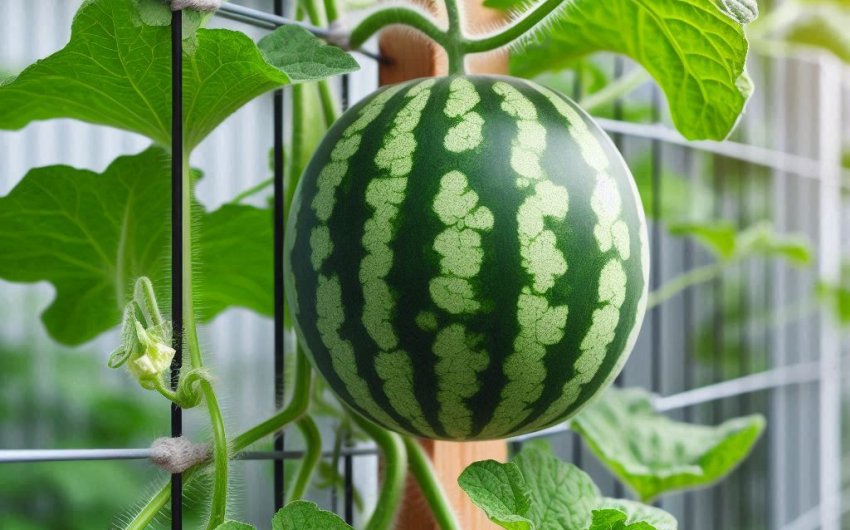
You can successfully grow melons in small spaces by choosing compact or bush varieties and utilizing vertical gardening techniques like trellising to save ground space. Providing ample sunlight, consistent watering, and rich soil in a container or raised bed are also key.
Why Grow Melons in Small Spaces?
Growing melons in small spaces might seem counterintuitive given their sprawling nature, but it's a remarkably effective way to enjoy fresh, homegrown fruit, even if you don't have a large garden plot. This approach leverages creative gardening techniques to maximize yield per square foot.
Benefits of Small-Space Melon Cultivation:
- Space Maximization: The most obvious benefit. By training vines vertically, you convert horizontal footprint into vertical growing area, making melons accessible even on patios, balconies, or in compact urban gardens.
- Increased Air Circulation: Growing melons vertically improves airflow around the foliage. This significantly reduces the risk of common fungal diseases like powdery mildew, which thrives in stagnant, humid conditions often found on ground-sprawling vines.
- Easier Harvesting and Inspection: No more stooping or searching through dense foliage on the ground. Fruit is elevated, making it easier to spot ripe melons, check for pests, and monitor plant health.
- Cleaner Fruit: Melons grown off the ground are less likely to come into contact with soil-borne pathogens or pests, and they remain cleaner, reducing the need for washing.
- Pest and Disease Management: Elevated fruit is less susceptible to ground-dwelling pests (like slugs, snails, and certain insects) and reduces the risk of fruit rot from sitting on wet soil.
- Aesthetics: A vertical melon vine, especially with ripening fruit, can be a beautiful and interesting feature in a small garden or on a patio.
- Better Sun Exposure: Vertical training can ensure that all parts of the plant, including developing fruit, receive ample sunlight, which is crucial for ripening and flavor development.
- Accessibility: For gardeners with mobility issues, vertical growing systems make tending and harvesting much more comfortable.
While it requires some strategic planning and support structures, growing melons in small spaces is a rewarding way to overcome spatial limitations and enjoy bountiful harvests of sweet, sun-ripened fruit.
What are the Best Melon Varieties for Small Spaces?
Choosing the right melon variety is the most critical step for successful small-space cultivation. Traditional, sprawling varieties are simply too vigorous. Instead, look for cultivars specifically bred for their compact growth habits or smaller fruit size.
Top Melon Varieties for Small Spaces:
- Watermelons (Bush or Mini Varieties):
- 'Sugar Baby': A classic mini watermelon, producing small (6-10 lbs), very sweet melons. Vines are shorter than traditional watermelons, making them suitable for trellising.
- 'Bush Sugar Baby': An even more compact version of 'Sugar Baby', specifically bred for bush-like growth and smaller spaces. Ideal for containers.
- 'Melopop' (or 'Mini Love'): Very small, personal-sized watermelons (3-6 lbs) on compact vines. Perfect for hanging baskets or small trellises.
- 'New Orchid': A smaller, oblong watermelon (8-12 lbs) with sweet, orange flesh, suitable for trellising.
- 'Moon and Stars' (Mini/Bush varieties if available): Some nurseries offer more compact strains of this classic, attractive watermelon.
- Cantaloupes/Muskmelons (Bush or Mini Varieties):
- 'Ambrosia' (Compact or Bush types): Known for its incredibly sweet flavor, some nurseries offer more compact versions suitable for trellising.
- 'Bush Star': Bred for compact bush growth, producing delicious, medium-sized cantaloupes. Excellent for small gardens.
- 'Minnesota Midget': A very early-maturing, small cantaloupe (1-2 lbs) that's great for northern climates and produces on short vines, making it ideal for vertical growing.
- 'Hale's Best Jumbo' (on trellis): While its vines are moderately long, its fruit size (3-5 lbs) is manageable for trellising if you provide strong support.
- Honeydew (Compact/Smaller Fruit Varieties):
- 'Honey Orange' (or similar mini honeydew): Look for mini or personal-sized honeydew varieties that produce 2-4 lb fruits on relatively shorter vines. Standard honeydews often have very long vines and heavy fruit.
- 'Earliana': An earlier maturing, smaller honeydew.
What to Look for When Choosing Seeds/Starts:
- "Bush" or "Compact" in the Name: This is a clear indicator they are bred for smaller spaces.
- "Personal" or "Mini" Fruit Size: Smaller fruits are easier to support on a trellis.
- Days to Maturity (DTM): Especially for cooler climates, choose varieties with shorter DTM to ensure they ripen before frost.
- Disease Resistance: Look for resistance to common melon diseases like powdery mildew, which can be an issue in any garden setting.
By selecting the right variety, you're setting yourself up for success, ensuring your melon plant stays within its designated small space while still providing delicious fruit.
What are the Best Vertical Support Systems for Melons?
Vertical support systems are essential for growing melons in small spaces, allowing the vines to grow upwards and maximize your growing area. The best system provides sturdy support for the heavy fruit and allows for good air circulation.
Top Vertical Support Systems:
A-Frame Trellis:
- Description: Two panels hinged at the top, forming an "A" shape, often with horizontal crossbars or netting for vines to climb.
- Pros: Very stable, provides support on both sides, and allows for planting on both sides or inside the "A" for shade. Can be folded for storage.
- Cons: Requires a bit more ground space at the base than a single vertical panel.
- Ideal for: Medium-sized melons like cantaloupe, small watermelons.
- Example: A Heavy-Duty A-Frame Trellis can work well.
Panel Trellis / Cattle Panel Trellis:
- Description: A single sturdy panel, often made from welded wire livestock panels (cattle panels or hog panels), set vertically. Can be straight or bent into an arch.
- Pros: Extremely strong and durable, can support very heavy melons, provides excellent grip for tendrils, lasts for years.
- Cons: Can be cumbersome to move, requires strong posts or stakes to secure, may be difficult to acquire/transport.
- Ideal for: All melon types, especially larger watermelons if you choose a very strong panel.
- Example: A standard 4-gauge cattle panel (not typically sold on Amazon but at farm supply stores) is ideal. For smaller scale, Wire Garden Fencing Panels can work.
Netting or Mesh Trellis:
- Description: Heavy-duty nylon or plastic netting strung between two sturdy posts or a frame.
- Pros: Lightweight, affordable, easy to install, provides many attachment points for tendrils.
- Cons: Less durable than wire panels, can sag under heavy loads, fruit may become entangled in the mesh (making harvesting difficult). Requires more frequent training and monitoring of vines.
- Ideal for: Smaller melons like mini cantaloupes and single-serving watermelons.
- Example: Heavy-Duty Trellis Netting.
Obelisk or Cage Trellis:
- Description: A conical or cylindrical structure, often used for climbing vegetables.
- Pros: Visually appealing, good for single plants, provides support on all sides.
- Cons: Can be too narrow for very vigorous melon vines, harder to harvest from the center.
- Ideal for: Single bush melon plants.
- Example: A Garden Obelisk Trellis.
Key Considerations for All Systems:
- Strength: Melons get surprisingly heavy. Your trellis must be strong enough to support the weight of multiple mature fruits plus the vine itself. Do not underestimate this!
- Anchoring: Securely anchor your trellis to the ground or to a sturdy wall/fence to prevent it from toppling over in wind or under the weight of the melons. Use rebar, strong stakes, or wall mounts.
- Material: Choose materials that can withstand outdoor elements and the weight of the plants.
- Accessibility: Ensure you can easily reach all sides of the vine for pruning, harvesting, and pest inspection.
By investing in a robust vertical support system, you provide the essential framework for your small-space melons to climb, thrive, and ultimately deliver a sweet harvest.
What are the Best Potting Mix and Container Sizes for Melons?
When growing melons in containers in small spaces, the right potting mix and container size are just as crucial as the vertical support. These elements directly impact the plant's ability to access nutrients, maintain moisture, and develop healthy roots in a confined environment.
Ideal Container Sizes:
Melons are heavy feeders and have extensive root systems, even the compact varieties. They require generous pot sizes.
- Minimum Size: For most bush or mini melon varieties, a container of at least 15-20 gallons (60-75 liters) in volume is the absolute minimum for one plant.
- Recommended Size: To achieve optimal growth and fruit production, aim for 25 gallons (95 liters) or larger per plant. The larger the container, the more stable the moisture and nutrient levels will be, reducing stress on the plant and leading to better yields.
- Dimensions: Look for pots that are both wide and deep. A pot that's at least 18-24 inches in diameter and depth is a good starting point for a single melon plant.
- Types of Containers:
- Large Grow Bags: Fabric Grow Bags (e.g., 20-30 gallon) are excellent as they promote air pruning of roots, preventing circling, and are relatively lightweight. However, they dry out quickly.
- Large Plastic Pots/Whiskey Barrels: Durable, good moisture retention. Ensure ample drainage holes.
- Half Wine Barrels: Classic, attractive, good size, but can be heavy.
Best Potting Mix:
Melons thrive in a rich, well-draining, and fertile potting mix. Avoid heavy garden soil, which compacts easily in containers and leads to poor drainage.
- Components of an Ideal Mix:
- 50-60% High-Quality Potting Mix: A sterile, general-purpose potting mix that provides a good base.
- 20-25% Perlite or Coarse Sand: Crucial for drainage and aeration, preventing the mix from becoming waterlogged and suffocating roots. Perlite is lighter.
- 20-25% Organic Matter: To provide continuous, slow-release nutrients and improve water retention. Good options include:
- Well-rotted Compost: Essential for fertility and microbial activity.
- Aged Manure: If thoroughly composted, provides a nutrient boost.
- Coco Coir (Coconut Fiber): Excellent for balancing moisture retention and aeration.
- Enrichment (Optional but Recommended):
- Slow-Release Granular Fertilizer: Mix in a balanced slow-release organic granular fertilizer (e.g., 5-5-5 or 4-6-8, focusing on balanced NPK) at planting, following package instructions. This ensures a consistent nutrient supply.
- Bone Meal: A small amount can boost phosphorus for root development and flowering.
- Mycorrhizal Fungi Inoculant: Can enhance nutrient uptake by expanding the root system's reach.
Key Potting Mix Characteristics:
- Excellent Drainage: Water must flow through freely.
- Good Aeration: Roots need oxygen to thrive.
- Nutrient-Rich: Melons are heavy feeders and need consistent access to food.
- pH: Aim for a slightly acidic to neutral pH (6.0-6.8), which most good potting mixes provide.
By providing a generously sized container filled with a high-quality, specialized potting mix, you create the optimal environment for your small-space melons to establish strong roots and produce sweet, abundant fruit.
How Do I Ensure Adequate Sunlight for Potted Melons?
Ensuring adequate sunlight is arguably the single most important factor for successfully growing melons in small spaces, especially if you aim for sweet, ripe fruit. Melons are tropical plants and absolute sun worshippers.
Sunlight Requirements:
- Full Sun is Non-Negotiable: Melons require a minimum of 6-8 hours of direct, unobstructed sunlight per day. More is better. Anything less will result in weak growth, few flowers, poor fruit set, and bland, underdeveloped fruit.
- Warmth and Intensity: The sun needs to be not just present, but also warm and intense. Melons thrive in temperatures between 70-90°F (21-32°C). Direct sunlight helps heat the soil and the plant, promoting rapid growth and sugar development in the fruit.
Strategies for Maximizing Sunlight in Small Spaces:
- Strategic Placement:
- South-Facing: Position your containers in the sunniest spot available, ideally a south-facing location (in the Northern Hemisphere) that receives direct sun from morning until late afternoon.
- Avoid Shade: Be mindful of shadows cast by buildings, fences, large trees, or other garden structures throughout the day. Even an hour or two of afternoon shade can impact fruit development.
- Reflective Surfaces: If your space is particularly shaded, consider placing white or reflective surfaces (like a white wall or reflective mulch) near the containers to bounce more light onto the plants.
- Vertical Gardening:
- Trellising: The very act of growing melons vertically on a trellis ensures that all parts of the vine and developing fruit are exposed to maximum sunlight. Sprawling vines often have fruit hidden under leaves, leading to uneven ripening.
- Prevent Overlap: When training vines, ensure they don't excessively overlap or shade each other. Thin out dense foliage if necessary to allow light to penetrate the canopy.
- Rotation (If Possible):
- If your containers are on wheels (Plant Caddy with Wheels), you can rotate them throughout the day to ensure all sides of the plant receive sun, or move them to follow the sun's path if your prime sunny spot shifts.
- Pruning for Light Penetration:
- Once fruits begin to develop, a light pruning of some non-essential or overly dense leaves can help expose developing melons to more sunlight, enhancing ripening and sweetness. Do this judiciously to avoid stressing the plant.
- Warmth Retention (If Needed):
- In cooler climates, dark-colored containers can absorb more solar heat, warming the soil for melon roots. Using dark-colored Weed Barrier Fabric or black plastic over the soil surface can also help warm the soil.
If you don't have a spot that gets at least 6-8 hours of direct sun, growing melons in small spaces (especially for ripe fruit) will be very challenging. Consider other sun-loving vegetables instead. Providing ample sunlight is the foundational requirement for sweet, juicy melons.
How Do I Prune Melon Vines for Small Spaces?
Pruning melon vines is a critical technique for growing them successfully in small spaces, as it directs the plant's energy into fruit production rather than excessive vine growth. It also helps manage the plant's size and improve air circulation.
Why Prune Melons in Small Spaces?
- Space Management: Restricts rampant vine growth, keeping the plant within its allocated small area.
- Energy Diversion: Directs the plant's energy towards producing and ripening a few high-quality fruits, rather than many small, underdeveloped ones.
- Improved Air Circulation: Reduces dense foliage, which helps prevent fungal diseases like powdery mildew.
- Easier Harvesting: Keeps the plant tidy and fruit accessible.
Pruning Steps for Trellised Melons:
- Establish the Main Vine:
- Allow your melon plant to establish its main vine and begin climbing the trellis. Once it reaches about 1-2 feet in length, you can begin pruning.
- Identify Male and Female Flowers:
- Melons produce both male and female flowers. Male flowers usually appear first, often in clusters, and have a simple stamen. Female flowers have a tiny swollen ball (the miniature fruit) at their base, located between the flower and the vine. Only female flowers can develop into fruit.
- Pinch Back Side Shoots (Laterals) – The "Main Stem" Method:
- The Goal: Focus the plant's energy into producing fruit on the main vine and a limited number of strong side shoots.
- Method: As the main vine grows, it will produce "lateral" (or "side") shoots from the leaf axils (where a leaf meets the main stem).
- Option A (Single Main Vine): For very small spaces or very heavy melons, you can opt to remove all lateral shoots as they emerge, encouraging only the main vine to grow vertically and produce fruit.
- Option B (Limited Laterals): A more common method for better yield: Allow 1-2 strong lateral shoots to develop near the base of the plant. After these laterals have set 1-2 fruits, pinch them off 2 leaves beyond the last developing fruit. Remove all other laterals as they appear.
- Limit Fruit Set:
- For most compact melon varieties in small spaces, aim for 2-4 fruits per plant (for larger types like cantaloupe) or 4-6 fruits per plant (for smaller types like mini watermelons).
- Once a female flower has been pollinated and the tiny fruit begins to swell, allow it to develop. Once you have reached your target number of fruits, remove any subsequent female flowers as they appear. This ensures the plant's energy goes into ripening the existing fruit.
- Pinch Back Main Vine Tip:
- Once your main vine reaches the top of your trellis or has set your desired number of fruits, pinch off the growing tip of the main vine. This signals the plant to stop putting energy into vertical growth and instead focus on ripening the existing fruits.
- Maintain and Airflow Pruning:
- Throughout the season, continue to remove any dead, yellowing, or diseased leaves.
- Lightly thin out excessively dense foliage to improve air circulation around the developing fruits and leaves, which helps prevent fungal diseases. Ensure you don't remove too many leaves, as they are essential for photosynthesis.
Important Considerations:
- Pollination First: Do not start aggressive pruning until you see female flowers and fruit starting to set. Without pollination, you won't have fruit.
- Sterilize Tools: Always use clean, sharp pruning shears or a knife to make clean cuts and prevent disease spread.
- Patience: Pruning takes practice. Start gently and observe how your plant responds.
By diligently pruning your melon vines, you transform them from sprawling ground cover to productive vertical growers, making juicy homegrown melons a reality in even the tightest spots.
How Do I Hand-Pollinate Melons in Small Spaces?
Hand-pollinating melons is often a crucial step for successful fruit set in small spaces, especially when natural pollinators (like bees) might be scarce or inconsistent, or if you're growing indoors or in a greenhouse. It guarantees that the female flowers receive the necessary pollen to develop into fruit.
Why Hand-Pollinate?
- Reliability: Ensures pollination even if bees are not active (e.g., cool/cloudy weather, indoor growing).
- Increased Fruit Set: Can significantly boost the number of fruits that successfully develop.
- Early Season Advantage: Helps secure fruit set early in the season when natural pollinator populations might be lower.
Steps for Hand-Pollinating Melons:
- Identify Male and Female Flowers:
- This is the most important step. Both male and female flowers bloom on the same plant, but they look different.
- Male Flowers: Typically appear first, often in clusters. They have a slender stem directly below the petals and contain only stamens (the pollen-bearing parts).
- Female Flowers: Are easily identifiable by the small, swollen mini-melon (ovary) located between the petals and the stem. They contain the pistil (the stigma, which receives pollen).
- Timing is Key:
- Melon flowers typically open in the morning and close by the afternoon. You must hand-pollinate when the flowers are fully open, usually between 7:00 AM and 11:00 AM.
- Pollinate shortly after the flowers open for the best results, as pollen viability can decrease throughout the day.
- Collect Pollen from a Male Flower:
- Gently pluck a freshly opened male flower from the vine.
- Carefully remove the petals to expose the central stamen, which will be covered in yellow, powdery pollen.
- Alternatively, you can use a small, soft artist's paintbrush or a cotton swab.
- Transfer Pollen to a Female Flower:
- Locate a freshly opened female flower on your melon plant.
- Gently rub the pollen-covered stamen from the male flower directly onto the central, sticky stigma of the female flower. Ensure good contact, seeing some pollen transfer.
- If using a paintbrush/cotton swab, gently collect pollen from the male stamen and then dab it onto the female stigma.
- Repeat as Needed:
- Repeat this process for all newly opened female flowers. One male flower can typically pollinate several female flowers.
- If you're unsure, you can pollinate the same female flower with pollen from multiple male flowers to increase the chances of successful fertilization.
- Mark Successfully Pollinated Flowers (Optional):
- You can lightly tie a piece of string or ribbon around the stem of a successfully hand-pollinated female flower. This helps you monitor its development and ensure you don't over-pollinate later on.
- Monitor for Fruit Swelling:
- Within a few days, a successfully pollinated female flower's mini-melon base will begin to swell and grow larger. If it shrivels and drops, pollination was unsuccessful, and you'll need to try again with new flowers.
Hand-pollinating is a simple yet incredibly effective technique that puts you in control of fruit set, ensuring you get the most out of your small-space melon efforts.
How Do I Support Developing Melons on a Trellis?
Supporting developing melons on a trellis is crucial for success in small-space gardening, as the fruit can become heavy and easily break the vine or fall. This ensures your hard-earned fruit develops fully and doesn't get damaged.
Why Support Trellised Melons?
- Prevents Vine Damage: Melon vines, while strong climbers, are generally not robust enough to support the weight of mature fruit without assistance.
- Protects Fruit: Keeps fruit from falling and bruising or splitting.
- Improves Air Circulation: Helps keep fruit off the main vine and leaves, preventing moisture buildup and fungal issues.
- Optimizes Ripening: Ensures even exposure to sunlight.
Best Methods for Supporting Developing Melons:
- "Hammocks" or "Slings":
- Material: Old pantyhose/tights (nylon is stretchy and breathable), mesh produce bags (like from onions or citrus), strips of old t-shirts, re-purposed plastic berry containers (with drainage holes added).
- How to Use: As the melon fruit begins to swell (when it's about the size of a tennis ball or softball), gently cup the fruit in your chosen material. Tie or clip the ends of the material to a strong part of the trellis directly above the fruit.
- Key: The sling should cradle the melon, supporting its weight from below. Avoid tying it too tightly around the stem. The stretchy nature of pantyhose makes it ideal as it expands with the growing fruit.
- Considerations: Ensure the material allows for some airflow to prevent moisture buildup around the fruit.
- Netting or Cradles:
- Material: Specialized Melon Cradles made of plastic or wire, or even macrame-style hangers.
- How to Use: Position the cradle or netting beneath the developing melon and attach it securely to the trellis.
- Considerations: Designed specifically for this purpose, they are often durable and reusable.
- Strategic Placement on Trellis (for very small fruits):
- For very small "personal-sized" watermelons or mini cantaloupes, sometimes the main trellis structure itself (especially if it has small mesh squares like a cattle panel) can provide enough support by allowing the melon to rest within a square. However, this relies on the specific mesh size and fruit size, and slings are always safer.
When to Install Support:
- Install the support system when the fruit is still small, typically when it's between the size of a golf ball and a tennis ball. This ensures you can position the support easily without damaging the vine or developing fruit.
- It's much harder (and riskier) to try to support a larger, heavier melon.
Tips for Success:
- Secure Attachment: Always attach the support directly to the sturdy trellis itself, not just to the vine, as the vine might not be strong enough.
- Check Regularly: As the melons grow, occasionally check the supports to ensure they are still secure and not cutting into the vine or fruit.
- Adjust if Needed: If the melon is growing unevenly, you might need to slightly adjust the sling or cradle to provide balanced support.
By taking the time to properly support your developing melons, you ensure they can grow to their full, sweet potential without damaging your precious vines or ending up as bruised groundfalls.
How Do I Know When Potted Melons Are Ripe?
Knowing when your potted melons are ripe is crucial for enjoying the best flavor, as picking them too early results in bland fruit, and too late can lead to overripeness and mushiness. Ripeness indicators can vary slightly between melon types.
Ripeness Indicators for Watermelons (Potted or otherwise):
- Tendril Test: This is the most reliable sign. Look at the small, curly tendril located on the vine closest to where the melon stem attaches to the main vine.
- Ripe: When this tendril turns completely brown and crispy dry, the watermelon is usually ripe.
- Not Ripe: If the tendril is still green, the melon is not ready. (Note: Some varieties have tendrils that die back earlier; use other signs to confirm).
- Bottom Spot (Ground Spot):
- Ripe: The spot where the melon rested (or the part facing away from the sun if trellised) should turn from pale green or white to a distinct creamy yellow or even orange-yellow. This indicates sugar development.
- Sound Test (Thumping):
- Ripe: Give the melon a firm thump with your knuckles. A ripe watermelon will produce a dull, hollow, low-pitched thud.
- Not Ripe: An unripe melon will have a higher-pitched, metallic "ping" sound. An overripe melon might sound flat.
- Skin Appearance:
- Ripe: The skin should lose its glossy sheen and become dull or waxy looking. The patterns (stripes or spots) will be distinct.
- Weight:
- The melon should feel heavy for its size.
Ripeness Indicators for Cantaloupes/Muskmelons (Potted or otherwise):
- "Full Slip" (Most Reliable):
- This is the best indicator. Gently lift the melon and apply slight pressure where the stem attaches to the fruit.
- Ripe: If the melon is ripe, the stem will cleanly and easily separate (or "slip") from the fruit with very little effort. It will leave a clean, round scar on the melon.
- Not Ripe: If the stem doesn't slip easily, the melon is not ready. Do not force it.
- Scent:
- Ripe: A ripe cantaloupe will emit a strong, sweet, musky, and characteristic cantaloupe fragrance from its blossom end.
- Not Ripe: Unripe melons will have little to no scent.
- Skin Color/Netting:
- Ripe: The background color of the skin (under the netting) should turn from green to a more buff, creamy yellow, or golden hue. The netting should appear well-defined and raised.
- Softness at Blossom End:
- The blossom end (opposite the stem) should give slightly to gentle pressure. If it's rock hard, it's not ripe. If it's very soft and mushy, it's overripe.
General Tips for Potted Melons:
- One Set of Fruit at a Time: Focus on ripening one or two fruits per vine (depending on variety and pot size) for the best quality. Remove later-forming fruits.
- Sunlight Exposure: Ensure developing fruits get plenty of sun exposure to help with sugar development.
- Consistent Watering: Reduce watering slightly as melons approach full ripeness, but avoid drought stress, which can lead to cracking.
Harvesting at the perfect moment ensures your small-space melon growing efforts are rewarded with juicy, flavorful fruit.