
Can I grow fruit trees from store-bought fruit?
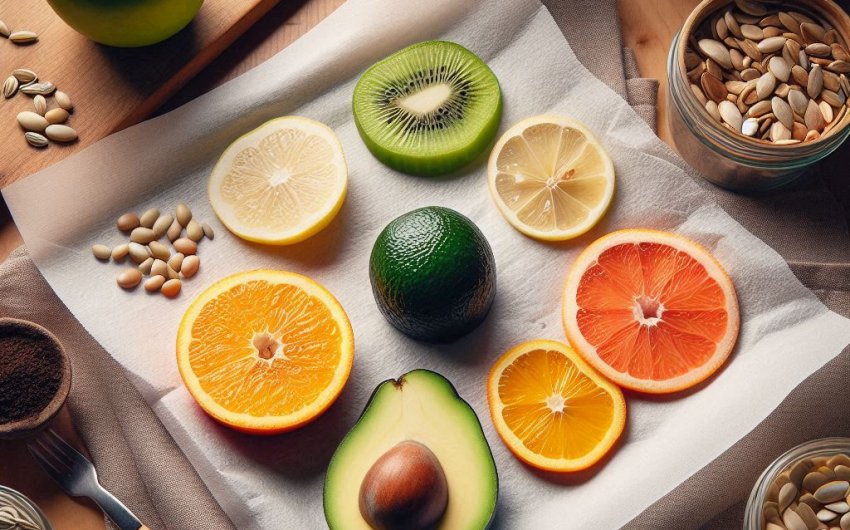
Yes, you can grow fruit trees from store-bought fruit, but it's important to understand that the resulting tree will likely not produce fruit identical to its parent, and it will take many years to bear fruit, if at all. This method is often more of a fun experiment than a reliable way to start an orchard.
Why is Growing Fruit Trees from Store-Bought Fruit Unpredictable?
Growing fruit trees from seeds collected from store-bought fruit is a fascinating experiment, but it's largely unpredictable due to the complex genetics of most commercially grown fruit. The key reason for this unpredictability lies in how these fruits are developed and propagated.
1. Hybridization and Genetic Variation:
- Most Commercial Fruits are Hybrids: The vast majority of commercially grown fruits (like apples, peaches, plums, pears, etc.) are hybrids. This means they are the result of cross-pollination between two different parent varieties, often specifically bred for desirable traits like flavor, size, disease resistance, or shelf life.
- Genetic Recombination: When you plant a seed from a hybrid fruit, you are essentially "crossing your fingers." The seed contains a unique combination of genes from both its "grandparents" (the parent trees that produced the pollen and the ovule for the fruit you ate). This genetic recombination means the seedling will inherit a mix of traits, not necessarily those of the fruit you enjoyed.
- "True to Type" vs. Genetic Lottery: Plants grown from seed are rarely "true to type" – meaning they won't produce fruit identical to the parent fruit. This is because fruit trees are heterozygous, meaning they have a lot of genetic variation within their DNA. Each seed is like a new, unique genetic individual.
2. Grafting and Rootstocks:
- Commercial Trees are Grafted: Almost all commercial fruit trees you buy from a nursery are not grown from seed. Instead, they are created through grafting. Grafting involves joining a desired fruiting variety (the "scion") onto the root system of another plant (the "rootstock").
- Why Grafting?
- True to Type: The scion wood is genetically identical to the parent tree, so the fruit it produces will be exactly the same as the fruit from the tree it came from.
- Rootstock Benefits: The rootstock influences the tree's size (dwarfing, semi-dwarfing), disease resistance, soil adaptability, and precocity (how early it bears fruit). A seed-grown tree will grow on its own root system, which won't have these carefully selected benefits.
- Unknown Rootstock in Seedling: A seed-grown tree lacks a specific rootstock, meaning its mature size, cold hardiness, and soil preferences will be largely unknown and likely different from the grafted varieties.
3. Juvenile Period (Time to Fruit):
- Trees grown from seed often have a significantly longer juvenile period (the time before they are physiologically mature enough to flower and fruit) compared to grafted trees. A seedling apple tree might take 7-15 years or even longer to bear its first fruit, whereas a grafted dwarf apple might produce in 2-4 years.
4. Seed Viability and Germination Issues:
- Many fruit seeds require specific conditions like stratification (a period of cold, moist dormancy) to break dormancy and germinate. Some seeds from store-bought fruit might also be sterile or non-viable due to processing or how the fruit was grown.
While growing from seed can be a fun project for a curious gardener, it's essential to approach it with realistic expectations: you're cultivating a unique, unknown genetic variant, not a clone of the fruit you ate.
What Fruits are Easiest to Grow from Store-Bought Seeds?
While the unpredictability of "true-to-type" fruit applies to most, some fruits are generally easier to germinate from store-bought seeds and grow into a viable seedling. These are often fruits that are not commonly grafted or where the "true-to-type" concern is less critical for a home gardener's enjoyment.
Easiest Fruits to Sprout from Store-Bought Seeds:
- Avocado (Persea americana):
- Ease of Sprouting: Very easy. Famous for sprouting the large pit.
- Outcome: Will produce a tree, but it can take 5-13 years to fruit, and the fruit quality will be highly variable and often inferior to the parent. Most commercial avocados are grafted varieties. It makes an excellent houseplant though!
- Citrus (Lemon, Lime, Orange, Grapefruit):
- Ease of Sprouting: Relatively easy. Many citrus seeds are viable.
- Outcome: Will grow into a tree. However, citrus grown from seed can take 7-15 years to fruit, and the fruit quality will vary wildly (often sour or seedy). Commercial citrus is almost always grafted. Some citrus seeds are also polyembryonic, meaning they can produce multiple seedlings from one seed, some of which are genetic clones of the mother tree (nucellar seedlings), but telling them apart is difficult.
- Mango (Mangifera indica):
- Ease of Sprouting: Quite easy, especially the "monoembryonic" types (which produce one seedling per seed). Some are "polyembryonic" (multiple seedlings, one of which might be a clone).
- Outcome: Grows into a tropical tree. Can take 5-8 years to fruit, with variable quality. Most commercial mangos are grafted for reliable fruit.
- Date Palm (Phoenix dactylifera):
- Ease of Sprouting: Very easy to germinate the large seed.
- Outcome: Grows into a date palm. However, it will take many years (often 8-15) for it to mature and fruit. Date palms are dioecious (separate male and female trees), so you'd need both a male and female plant to get fruit. Commercial dates often rely on specific male pollinators and can be propagated by offshoots.
- Passion Fruit (Passiflora edulis):
- Ease of Sprouting: Relatively easy, though germination can be slow and sporadic.
- Outcome: Grows into a vigorous vine. Often fruits within 1-3 years. The fruit quality is generally more consistent from seed than for many other tree fruits, though some variation exists.
- Pomegranate (Punica granatum):
- Ease of Sprouting: Moderately easy; stratification can improve germination rates.
- Outcome: Grows into a shrub or small tree. Can take 3-5 years to fruit. Quality can be variable, but some gardeners report decent fruit from seed-grown plants.
General Tips for Easier Sprouting:
- Fresh Seeds: Use seeds from very ripe fruit immediately after consumption.
- Clean Seeds: Remove all fruit pulp thoroughly to prevent mold.
- Stratification (for temperate fruits): Many seeds (like apples, peaches) require a period of cold, moist stratification to mimic winter conditions and break dormancy.
- Good Potting Mix: Use a well-draining seed-starting mix.
For any of these, consider it a fun project to grow a unique plant, rather than a guaranteed source of identical fruit.
What is Stratification and Why is it Necessary for Some Fruit Seeds?
Stratification is a crucial process for germinating the seeds of many temperate climate fruit trees (like apples, peaches, cherries, pears, plums, and even some berries). It's essentially a period of cold, moist treatment that mimics the natural winter conditions a seed would experience if it fell to the ground in its native habitat.
Why Stratification is Necessary:
- Breaks Dormancy: Many fruit tree seeds have a built-in protective mechanism called dormancy to prevent them from germinating prematurely in the fall (which would lead to seedlings dying in the winter frost). Stratification chemically breaks this dormancy.
- Mimics Natural Conditions: In nature, seeds fall from the tree in autumn, get covered by leaves or soil, and then experience several months of cold, moist conditions throughout winter. This cold, damp period signals to the seed that spring is coming and it's safe to sprout.
- Chemical Changes: The cold, moist conditions trigger specific biochemical changes within the seed, often involving the breakdown of germination-inhibiting compounds and the activation of growth hormones. Without this period, the seeds simply won't sprout, or their germination rate will be very low.
How to Stratify Fruit Seeds (A General Method):
The exact duration and temperature can vary slightly by species, but a common method is:
- Clean the Seeds: Thoroughly clean all fruit pulp from the seeds. Any remaining sugar can cause mold. Rinse them well.
- Prepare a Moist Medium: Use a sterile, moisture-retentive, yet well-draining medium. Good options include:
- Slightly damp (not wet!) sand
- Slightly damp peat moss
- Slightly damp vermiculite
- A mixture of these
- You can also use a slightly damp paper towel.
- Place Seeds in Medium: Mix the clean seeds with the moist medium.
- Container: Place the seed-medium mixture into a sealable plastic bag (like a Ziploc bag) or an airtight container. Label it with the fruit type and the date.
- Refrigeration: Place the sealed bag/container in the refrigerator (typically at temperatures between 34-41°F or 1-5°C). Avoid placing it near ripening fruits, as some fruits release ethylene gas, which can interfere with stratification.
- Duration: The stratification period usually lasts for 60-120 days (2-4 months), depending on the species. Check online resources or seed guides for specific fruit tree requirements.
- Monitor: Periodically check the bag/container for mold. If you see mold, air out the seeds, replace the medium, and ensure it's not too wet. If the medium dries out, add a few drops of water.
- Planting: After the required stratification period, carefully remove the seeds from the refrigerator and plant them immediately in pots with a sterile seed-starting mix. Follow planting depth guidelines (usually 2-3 times the seed's diameter).
Stratification is a critical step for many aspiring fruit tree growers, allowing nature's cues to properly prepare the seeds for successful germination.
What are the Ideal Growing Conditions for Seed-Grown Fruit Trees?
The ideal growing conditions for seed-grown fruit trees largely mirror those for their grafted counterparts, but with a few unique considerations due to their seedling nature. Providing optimal conditions from the start can significantly improve their chances of survival and eventual maturity.
1. Sunlight:
- Full Sun: Most fruit trees, whether grown from seed or grafted, require at least 6-8 hours of direct sunlight per day for healthy growth. Seedlings should be placed in the brightest possible location.
- Acclimation: If starting seeds indoors, gradually acclimate seedlings to outdoor sun over 1-2 weeks (hardening off) before moving them permanently outdoors to prevent leaf scorch.
2. Soil:
- Well-Draining: This is paramount. Fruit tree roots hate "wet feet." The soil must drain well to prevent root rot.
- Fertile: Rich in organic matter. While seedlings initially rely on nutrients in the seed, they quickly need a consistent supply from the soil.
- Loamy: An ideal soil texture is loamy, balancing good drainage with moisture retention.
- pH: The optimal soil pH for most common fruit trees is slightly acidic to neutral, generally between 6.0 and 7.0. Blueberries are a notable exception, preferring a pH of 4.5-5.5. A soil test is highly recommended.
3. Watering:
- Consistent Moisture (Young Seedlings): Keep the soil of young seedlings consistently moist, but never soggy. Water when the top inch or two of soil feels dry.
- Deep and Infrequent (Established Seedlings/Trees): As the seedling grows and its root system develops, transition to deep, infrequent watering. This encourages roots to grow downwards, making the tree more drought-tolerant. Water only when the soil feels dry several inches deep.
- Avoid Overwatering: This is the most common killer of young trees. Ensure good drainage and never let roots sit in standing water.
4. Nutrients (Fertilization):
- Light Feeding for Seedlings: Start with a well-balanced potting mix. Once seedlings develop a few true leaves, you can begin very light feeding with a diluted liquid organic fertilizer (e.g., Alaska Fish Emulsion Fertilizer) at half-strength.
- Balanced Growth for Young Trees: As the tree grows, transition to a balanced slow-release granular organic fertilizer or regular top-dressings of compost. Focus on feeding the soil, not just the plant.
- Soil Test: For trees planted in the ground, an annual or biennial soil test will provide specific nutrient recommendations.
5. Temperature and Hardiness Zone:
- Warmth for Germination: Seeds generally germinate best with consistent warmth.
- Hardiness: Once planted outdoors, the tree's survival depends on whether it can tolerate your climate's winter temperatures (your USDA Hardiness Zone). Remember that a seed-grown tree's hardiness may differ slightly from its named parent cultivar.
- Chilling Hours: Many temperate fruit trees require a specific number of "chilling hours" (hours below 45°F or 7°C but above 32°F or 0°C) during winter to break dormancy and set fruit. Seedlings will also require this.
6. Protection:
- Pest and Disease Monitoring: Young seedlings are vulnerable. Regularly inspect for pests (aphids, spider mites) and diseases. Use organic pest control methods.
- Animal Protection: Protect young trees from deer, rabbits, and voles with tree guards or fencing.
- Weed Control: Keep the area around young trees free of weeds, which compete for water and nutrients.
By providing these ideal conditions, you give your experimental, seed-grown fruit tree the best possible chance to grow into a healthy, mature specimen, even if its fruiting future remains a delightful mystery.
How Long Does it Take for Seed-Grown Fruit Trees to Bear Fruit?
The time it takes for fruit trees grown from seed to bear fruit is a significant commitment, often requiring a great deal of patience. This period, known as the juvenile phase, is generally much longer than for commercially grafted trees.
General Timelines for Seed-Grown Fruit Trees to Bear Fruit:
It's important to remember these are general estimates; individual plants can vary widely based on genetics, growing conditions, and care.
- Apples and Pears: These are among the longest to fruit from seed. Expect anywhere from 7 to 15 years, and sometimes even longer (20+ years). Grafted dwarf apple trees, in contrast, can produce fruit in 2-4 years.
- Peaches, Nectarines, Plums, Cherries (Stone Fruits): These also have a lengthy juvenile period. Typically, it takes 4 to 8 years to produce fruit from seed. Grafted varieties often fruit within 2-4 years.
- Citrus (Lemon, Lime, Orange, Grapefruit): Can take 5 to 15 years from seed. Some sources even state up to 20 years. Grafted citrus often fruits in 2-3 years.
- Mango: Depending on the variety and growing conditions, a mango tree grown from seed can take 5 to 8 years to produce its first fruit.
- Avocado: Similar to mango, expect 5 to 13 years for a seed-grown avocado to fruit.
- Pomegranate: Often considered one of the faster seed-grown fruits to bear, typically yielding fruit in 3 to 5 years.
- Fig: Figs grown from seed can take 3 to 5 years to fruit.
- Passion Fruit: One of the fastest from seed, often fruiting in 1 to 3 years, as it's a vine and naturally has a shorter lifecycle.
Why the Long Wait?
- Genetic Programming: Trees grown from seed need to reach a certain level of physiological maturity before they can shift their energy from vegetative growth (growing taller, wider, developing roots) to reproductive growth (flowering and fruiting). This is a natural, genetically programmed juvenile phase.
- No Rootstock Influence: Grafted trees benefit from the precocity (early bearing) characteristics of their rootstocks. Seedlings, growing on their own roots, don't have this advantage.
- Energy Allocation: For many years, all the energy of a seedling is directed towards building a robust root system and a strong woody framework, preparing it for the energy demands of fruit production.
Growing fruit trees from store-bought seeds is truly a test of patience, often undertaken more for the joy of nurturing a plant from its humble beginnings and the curiosity of discovering what unique fruit (if any) it will eventually produce. If your primary goal is reliable, true-to-type fruit in a shorter timeframe, purchasing a grafted tree from a reputable nursery is always the recommended path.
Can Store-Bought Fruit Seeds Carry Diseases or Pests?
Yes, store-bought fruit seeds can potentially carry diseases or pests, although the risk varies depending on the type of pathogen or pest. While the fruit itself might be processed or cleaned, the seeds and any remaining pulp can harbor issues.
Potential Risks from Store-Bought Seeds:
- Fungal Diseases:
- Seed-Borne Fungi: Fungal spores can adhere to the surface of seeds or even infect the seed coat. If the parent fruit had a fungal disease (e.g., various types of rot, scab), spores could be present.
- Mold: If seeds are not thoroughly cleaned of fruit pulp before storage or planting, residual sugars can easily lead to mold growth, which can rot the seed or infect the young seedling.
- Bacterial Diseases:
- Some bacterial pathogens can be seed-borne. If the parent tree was infected with a bacterial disease (like bacterial canker), the bacteria could potentially be present on or within the seed.
- Viral Diseases:
- This is a significant concern. Many fruit tree viruses are seed-transmissible. If the parent tree was infected with a virus, there's a risk that the seedling will also be infected. Viral diseases can lead to stunted growth, distorted leaves, reduced fruit quality, and can be incurable, potentially spreading to other fruit trees in your garden. This is one major reason commercial growers use certified disease-free grafted material.
- Insect Eggs or Larvae:
- While less common on fruit tree seeds themselves, sometimes very tiny insect eggs or larvae (especially from fruit flies or fruit moths) could be embedded in the remaining fruit pulp or the outer layers of the seed.
- This risk is higher if the fruit was overripe or already showing signs of insect damage when purchased.
How to Mitigate Risks:
- Thorough Cleaning: Always thoroughly clean fruit seeds of all pulp and sugary residue immediately after removing them from the fruit. This is crucial to prevent mold and bacterial growth. Rinse them under running water.
- Inspection: Inspect seeds for any unusual discoloration, spots, or signs of insect damage before planting. Discard any suspicious-looking seeds.
- Sterile Medium: Plant seeds in a sterile seed-starting mix, not garden soil. This reduces the risk of introducing soil-borne pathogens to vulnerable seedlings.
- Fungicide Seed Treatment (Non-organic option for some): For commercial growers, some seeds might be treated with a fungicide to prevent damping-off diseases. As a home gardener aiming for "natural," this isn't usually the goal, but awareness helps.
- Observation: Monitor young seedlings closely for any signs of disease (unusual spots, wilting, stunting, mottling that might indicate a virus) or pests. Isolate any suspicious plants.
- Source of Commercial Trees: This is why buying grafted fruit trees from reputable nurseries is recommended. They propagate from certified disease-free rootstock and scion wood, significantly reducing the risk of introducing diseases or pests to your garden.
While the risk is generally low for severe pest outbreaks from a single seed, the potential for introducing a viral disease is a valid concern. For a casual experiment, it's often overlooked, but for serious orchard planning, relying on certified nursery stock is paramount.
Should I Sterilize Seeds from Store-Bought Fruit?
Sterilizing seeds from store-bought fruit isn't typically necessary for most home gardeners, and harsh chemical sterilization methods used in commercial settings can actually harm seed viability. However, thorough cleaning is absolutely crucial, and mild treatments can help prevent common issues like mold.
Why "Sterilization" isn't a Primary Concern (and why cleaning is):
- Chemical Sterilization is Harsh: Commercial seed sterilization (e.g., using strong bleach solutions or fungicides) is done to eliminate specific pathogens for large-scale production. These methods are often too strong for delicate home-saved seeds and can reduce germination rates.
- Focus on Pulp Removal: The main source of immediate problems for home growers is not usually deep-seated seed-borne diseases (though possible, as discussed earlier, particularly for viruses), but rather mold and fungal growth fueled by sugary fruit pulp left on the seed.
- Mold Prevention: Mold can quickly take over damp seeds, preventing germination or killing young sprouts (damping-off disease).
How to "Clean" and Mildly Treat Seeds for Best Results:
- Thorough Rinsing and Rubbing: This is the most important step. Immediately after removing seeds from the fruit, vigorously rub them under running water to remove every trace of fruit pulp. Use a small brush or even a paper towel to help scrub away any sticky residue.
- Air Drying (Briefly): After rinsing, spread the seeds on a paper towel or screen in a single layer to air dry for a few hours (or overnight) until they are dry to the touch. This prevents immediate mold growth if you're stratifying or storing them.
- Hydrogen Peroxide Soak (Optional, Mild Treatment):
- Some gardeners choose a very mild soak in a diluted hydrogen peroxide solution (e.g., 1 part 3% hydrogen peroxide to 9 parts water) for 15-30 minutes.
- Purpose: This can help kill surface mold spores and somewhat sterilize the seed coat without being overly harsh.
- Follow-up: Rinse thoroughly with clean water after the soak.
- Cinnamon Dust (Optional, Anti-fungal):
- After cleaning and drying, you can lightly dust the seeds with ground cinnamon before stratification or planting. Cinnamon has natural antifungal properties that can help suppress mold.
- Use Sterile Growing Medium: Always plant your cleaned seeds into a sterile seed-starting mix, not garden soil. This eliminates many common soil-borne pathogens that cause damping-off.
By focusing on meticulous cleaning to remove all fruit residue and potentially using a mild antifungal treatment, you significantly reduce the most common issues (mold) encountered when trying to sprout seeds from store-bought fruit, giving your future fruit trees a healthier start.
What are the Limitations of Growing Fruit Trees from Seed?
While growing fruit trees from store-bought fruit seeds offers a unique and engaging gardening experiment, it comes with several significant limitations that make it impractical for serious fruit production. Understanding these drawbacks is key to managing expectations.
Major Limitations:
- Genetic Variability ("Not True to Type"):
- The Biggest Limitation: As discussed, most commercial fruit varieties are hybrids and are highly heterozygous. This means a tree grown from their seed will be a unique genetic individual, and its fruit will almost certainly not be identical to the parent fruit you ate.
- Unknown Quality: The fruit produced could be smaller, larger, sweeter, sourer, seedy, different in texture, or even inedible. You won't know the quality until years down the line.
- Lost Traits: Desirable traits of the parent (like disease resistance, specific flavor, or color) may not be passed on.
- Long Juvenile Period (Years to Fruit):
- Seed-grown trees typically take much longer to bear fruit compared to grafted trees. This "juvenile phase" can range from 3-5 years for some fruits like pomegranates or figs, to 7-15+ years for apples, pears, and many citrus.
- Patience Required: This means a decade or more of care before you even know if the fruit is worthwhile.
- Unknown Tree Characteristics:
- Size: Without a specific rootstock, a seed-grown tree will grow to its "full standard size," which can be very large (e.g., a standard apple tree can reach 30+ feet tall and wide). This is often too large for average home gardens.
- Hardiness: Its cold hardiness, heat tolerance, and disease resistance may vary unpredictably from the parent and might not be suited to your local climate.
- Precocity: As mentioned, it will take longer to begin fruiting.
- Lack of Self-Fertility Information:
- Many fruit trees require cross-pollination from a different, compatible variety to produce fruit. With a seed-grown tree, you won't know its pollination requirements or if it's a good pollinator for other trees. You might need to plant multiple seed-grown trees and hope for cross-compatibility.
- Disease and Pest Susceptibility:
- While you can mitigate risks from seeds, you don't have the assurance of certified disease-free stock that nurseries provide. The tree's inherent resistance (or lack thereof) to common local diseases and pests is unknown until it grows.
- Yield Variability:
- The quantity and consistency of fruit yield can be highly variable and often lower than that of proven, commercially cultivated varieties.
- Genetic Defects/Weakness:
- Occasionally, seeds can produce weak or genetically inferior trees that are prone to health problems or simply fail to thrive.
While the process of sprouting seeds is fun and educational, growing fruit trees from store-bought fruit is best viewed as a hobby or an experiment in plant genetics, rather than a practical method for establishing a productive home orchard with predictable, high-quality fruit. For reliable fruit production, purchasing grafted trees from a reputable nursery remains the gold standard.