
How to Choose Plants for Summer Heat Tolerance?
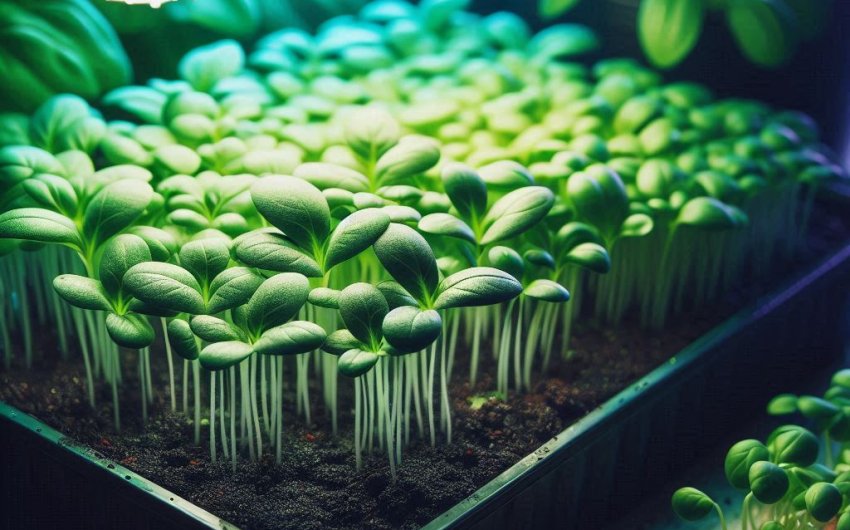
As winter's chill slowly gives way to the promise of spring, every gardener's thoughts turn to fresh produce. Getting a head start on your vegetable garden is one of the most rewarding parts of the growing season, and it often begins indoors. Starting seeds indoors allows you to extend your growing season, save money on seedlings, and cultivate a wider variety of plants. But not all vegetables are good candidates for indoor starts. Knowing the best vegetables to start indoors in early spring is crucial for ensuring healthy transplants and a bountiful harvest. This guide will walk you through the top contenders and essential tips for successful indoor seed starting.
Why Start Vegetables Indoors?
Starting seeds inside offers several compelling advantages:
1. Extends the Growing Season
- For heat-loving vegetables (like tomatoes and peppers) that need a long growing season, starting indoors gives them a crucial head start before outdoor temperatures are warm enough. This allows them to mature and produce before fall frost.
2. Saves Money
- A packet of seeds is significantly cheaper than buying individual seedlings from a nursery. You can grow dozens of plants for the price of a few store-bought ones.
3. Wider Variety Selection
- Nurseries typically offer a limited selection of common vegetable varieties. When you start from seed, you have access to hundreds of unique, heirloom, or specialty varieties that might not be available otherwise.
4. Healthier Starts
- You control the growing conditions (soil, water, light), which can result in stronger, healthier, and pest-free seedlings compared to some commercially grown starts.
5. Reduces Pest and Disease Pressure
- Starting indoors avoids early-season outdoor pests and diseases that might attack tender young seedlings.
6. Personal Satisfaction
- There's a unique joy in nurturing a tiny seed into a robust plant, knowing you've been a part of its entire life cycle.
Essential Needs for Indoor Seed Starting
To give your seedlings the best chance, set up the right environment.
1. Light: The Most Crucial Factor
- Problem: Natural winter light indoors is often too weak and short for robust vegetable seedling growth. Windowsills typically don't provide enough light, especially in early spring or on cloudy days, leading to "leggy" (stretched, weak) seedlings that struggle when transplanted outdoors.
- Solution: You will almost certainly need supplemental grow lights.
- Types: Full-spectrum LED grow lights are highly recommended. They are energy-efficient, produce little heat (so they can be placed closer to plants), and provide the right light wavelengths for strong plant development. Fluorescent shop lights (T5 or T8 bulbs) can also work. Look for a full spectrum LED grow light or a LED grow light strip.
- Placement: Position lights very close to the tops of your seedlings – typically 2-4 inches (5-10 cm) away. Adjust the light fixture upwards as the seedlings grow to maintain this distance. This intense, close light prevents legginess.
- Duration: Keep lights on for 12-16 hours per day. Consistency is key. A simple grow light timer makes this easy and reliable.
2. Temperature: Consistent Warmth for Germination
- Ideal Range: Most vegetable seeds germinate best in consistent temperatures between 70-85°F (21-29°C), though the specific ideal temperature varies by vegetable type. Warmer temperatures often lead to faster and more successful germination.
- Seedling Heat Mat: A seedling heat mat placed under your seed trays provides gentle, consistent bottom heat. This can significantly speed up germination, especially for heat-loving plants like peppers and eggplants. Once seedlings sprout, you can remove them from the mat, as they typically prefer slightly cooler temperatures for growth after germination.
- Avoid Extremes: Keep your seedling setup away from cold drafts (e.g., near leaky windows) or hot radiators that could cause temperature fluctuations.
3. Seed Starting Mix: Sterile and Fine-Textured
- Why: Do NOT use garden soil or regular potting mix for seed starting. Garden soil is too heavy, can contain weed seeds, and may harbor pathogens that cause "damping-off" disease (where seedlings suddenly collapse at the base). Regular potting mix can be too coarse and might not hold moisture consistently enough for tiny seeds.
- What: Use a high-quality, sterile seed starting mix. These mixes are finely textured, lightweight, and designed to hold moisture consistently while providing good drainage. They are typically peat-based, coir-based, or a blend of both, often with perlite or vermiculite for aeration. A bag of seed starting mix is an essential purchase.
4. Containers: Clean and Draining
- Types: You have many options:
- Plastic Seed Trays/Cell Packs: Common, reusable, and easy to find. Cell packs (with individual compartments) are great for preventing root disturbance during transplanting.
- Peat Pots or Coco Coir Pots: Biodegradable pots that can be planted directly into the garden, reducing transplant shock. Ensure they don't dry out too quickly.
- Recycled Containers: Yogurt cups, milk jugs (cut down), toilet paper rolls, egg cartons. Just make sure to add several drainage holes to the bottom of any repurposed container.
- Drainage: Every container must have drainage holes at the bottom. This is non-negotiable! Standing water leads to soggy roots and can quickly cause damping-off disease.
- Sterilize: If reusing old containers or trays, wash them thoroughly with hot, soapy water and a dilute bleach solution (1 part bleach to 9 parts water) to kill any lingering pathogens. Rinse very well.
5. Water: Gentle and Consistent
- Method: Overwatering is a common killer of seedlings. Water gently to avoid disturbing tiny seeds or delicate young seedlings.
- Spray Bottle: Ideal for misting the surface during germination.
- Bottom Watering: This is often the best method once seedlings emerge. Place seed trays or pots in a shallow pan of water for 15-30 minutes, allowing the seed starting mix to wick up water from the bottom. Remove once the top surface is visibly moist. This prevents damping off and encourages roots to grow downwards.
- Moisture: Keep the seed starting mix consistently moist (like a wrung-out sponge), but never soggy. Let the very top layer dry slightly before watering again.
6. Air Circulation: Prevent Disease
- Benefits: Good air circulation prevents stagnant, humid conditions around seedlings, which are prime breeding grounds for fungal diseases like "damping off." It also helps strengthen seedling stems.
- How: A small, oscillating fan set on a low speed, placed a few feet away from your seedlings, can provide a gentle breeze. This isn't strictly necessary for just a few pots, but it's highly beneficial for larger setups. Avoid direct, strong drafts.
Best Vegetables to Start Indoors in Early Spring (By Planting Time)
These vegetables benefit most from an indoor head start due to their long growing seasons, slow germination, or specific cold sensitivities.
Group 1: Start 8-12 Weeks Before Your Last Expected Frost Date
These are the heat-loving plants that need the longest indoor head start.
- Tomatoes (Solanum lycopersicum):
- Why Start Indoors: Tomatoes need a long, warm growing season (typically 60-80+ days to maturity from transplant). They are extremely sensitive to frost. Starting indoors gives them time to develop strong root systems and several sets of true leaves before outdoor temperatures are warm enough, leading to earlier and more abundant harvests.
- Tips: Provide strong light, consistent moisture, and warm soil (75-85°F / 24-29°C) for optimal germination. Pot up to larger containers (e.g., 4-inch pots) as they grow to prevent them from becoming root-bound. Look for various tomato seeds.
- Peppers (Capsicum annuum, etc. - Bell Peppers, Jalapeños, Hot Peppers):
- Why Start Indoors: Peppers have a very long growing season (70-100+ days to maturity from transplant) and are even more sensitive to cold than tomatoes. They are also notoriously slow germinators.
- Tips: Require consistent warmth (80-85°F / 27-29°C) for germination (a heat mat is highly recommended). Be patient, as they can take 1-3 weeks or even longer to sprout. Look for diverse pepper seeds.
- Eggplant (Solanum melongena):
- Why Start Indoors: Similar to tomatoes and peppers, eggplant needs a long growing season (70-90 days to maturity from transplant) and loves heat.
- Tips: Consistent warmth for germination (similar to peppers).
- Onions (from seed):
- Why Start Indoors: Growing onions from seed produces superior bulbs compared to sets (small bulbs) and is more economical. They have a very long growing season, often 100-150 days.
- Tips: Plant thickly in a flat, then thin to about 1/2 inch apart as seedlings grow. You can lightly trim the tops to 4-5 inches (10-12 cm) to encourage root development and prevent them from toppling over. Look for various onion seeds.
- Leeks:
- Why Start Indoors: Like onions, leeks have a very long growing season and benefit from an early start to produce good-sized shanks.
- Tips: Similar growing method to onions. They are often transplanted as bundles.
Group 2: Start 6-8 Weeks Before Your Last Expected Frost Date
These are cool-season crops that benefit from a head start before outdoor planting, allowing them to mature before summer heat.
- Broccoli, Cabbage, Cauliflower, Kale, Kohlrabi (Brassicas):
- Why Start Indoors: These crops prefer cooler temperatures for growing. Starting them indoors allows them to develop strong seedlings that can be transplanted out in early spring, maturing before summer heat causes them to "bolt" (go to seed prematurely) or get stressed.
- Tips: These prefer slightly cooler temperatures (60-70°F / 15-21°C) after germination. They can become leggy quickly if light is insufficient. Look for broccoli seeds or cabbage seeds.
- Celery:
- Why Start Indoors: Celery has a very long growing season (100+ days) and needs consistent moisture. Starting indoors is almost essential for success in most climates.
- Tips: Keep soil consistently moist. Seeds are tiny and can be slow to germinate.
- Head Lettuce / Romaine Lettuce (for transplanting):
- Why Start Indoors: Get an earlier harvest of full heads of lettuce. Starting indoors helps avoid issues with pests (like slugs) and provides a clean start.
- Tips: Keep temperatures cool (below 70°F / 21°C) to prevent bolting. Loose-leaf varieties are often better direct-sown for continuous harvest.
Group 3: Slow-Growing Herbs (Perennial and Some Annual)
- Why Start Indoors: Many perennial herbs (like rosemary, thyme, oregano, marjoram) are notoriously slow growers from seed. Starting them indoors gives them a significant head start. Some popular annual herbs (like basil) also benefit from an early indoor start in cooler climates.
- When to Start: 8-10 weeks before your last expected frost date for slow growers like rosemary; 4-6 weeks for basil.
- Tips: Rosemary can be notoriously slow and temperamental to germinate. Basil loves warmth. A herb seed starter kit might be useful.
Step-by-Step: Nurturing Your Seedlings Indoors
1. Sow Seeds
- Prepare Mix: Thoroughly moisten your seed starting mix until it's damp but not soggy. Fill your chosen containers loosely.
- Plant: Plant 2-3 seeds per cell (or according to package directions) at the recommended depth. Smaller seeds are sown shallower.
- Label: Crucial step! Label every container immediately with the plant type and date of sowing.
- Water Gently: Mist the surface gently with a spray bottle or bottom water to ensure good seed-to-soil contact.
- Cover (Optional): Use a clear plastic dome or plastic wrap over seed trays to maintain humidity for germination. Remove the cover immediately once sprouts appear to prevent damping off.
2. Provide Light Immediately Upon Germination
- As soon as the tiny seedlings emerge (the very moment you see them!), place them directly under your grow lights. This is vital to prevent them from stretching and becoming "leggy."
3. Water Consistently
- Avoid Overwatering: Let the very top layer of the seed starting mix dry slightly between waterings. Soggy conditions are a common killer of young seedlings.
- Bottom Watering: This method helps prevent damping off and encourages root development. Place trays in a shallow pan of water for 15-30 minutes, allowing the mix to wick up water. Remove once the surface is moist.
4. Thin Seedlings
- Once seedlings develop their first set of "true leaves" (the leaves that appear after the initial round, or "cotyledons"), thin them to the strongest single seedling per cell. Use small scissors to snip weaker seedlings at the soil line to avoid disturbing the roots of the keepers.
5. Pot Up (Repotting)
- When seedlings develop their second set of true leaves, appear crowded in their small cells, or show roots growing out the bottom, it's time to "pot up." Gently transplant them into larger individual pots (typically 3-4 inch / 7-10 cm size) filled with a good quality potting mix (not seed starting mix, which has fewer nutrients). Water them in well.
6. Fertilize Lightly
- Seed starting mix usually contains enough nutrients for only the first few weeks. Start feeding your seedlings with a diluted liquid fertilizer (half-strength is usually recommended for seedlings), specifically formulated for young plants.
- Frequency: Typically every 1-2 weeks, or as per product instructions. A liquid organic plant food works well.
7. Harden Off (Crucial Before Transplanting Outdoors)
- Why: Seedlings grown indoors are pampered. They need to gradually acclimate to the harsher outdoor conditions (direct sun, wind, temperature fluctuations) before being permanently transplanted into the garden. Skipping this step often results in transplant shock or even death.
- How: Begin the hardening-off process about 7-14 days before your planned transplant date.
- Day 1-2: Place seedlings in a sheltered, shady outdoor spot (e.g., under a porch, in a protected cold frame) for a few hours. Bring them in overnight.
- Day 3-4: Increase the time spent outdoors and gradually expose them to more indirect sunlight.
- Day 5-7: Leave them out all day, continuing to bring them in at night unless evening temperatures are consistently warm.
- Last Few Days: Leave them out overnight, preparing them for permanent planting.
- Avoid: Sudden exposure to full sun or cold temperatures. Gradually increase exposure.
Starting the best vegetables indoors in early spring is a fantastic way to jumpstart your garden season, save money, and enjoy a wider variety of produce. By providing ample light, consistent moisture, appropriate temperatures, and careful handling, you can nurture tiny seeds into robust seedlings, ready to thrive outdoors and provide you with a delicious, homegrown harvest throughout the growing season.