
How to Get the Most Out of a Fall Harvest Garden?
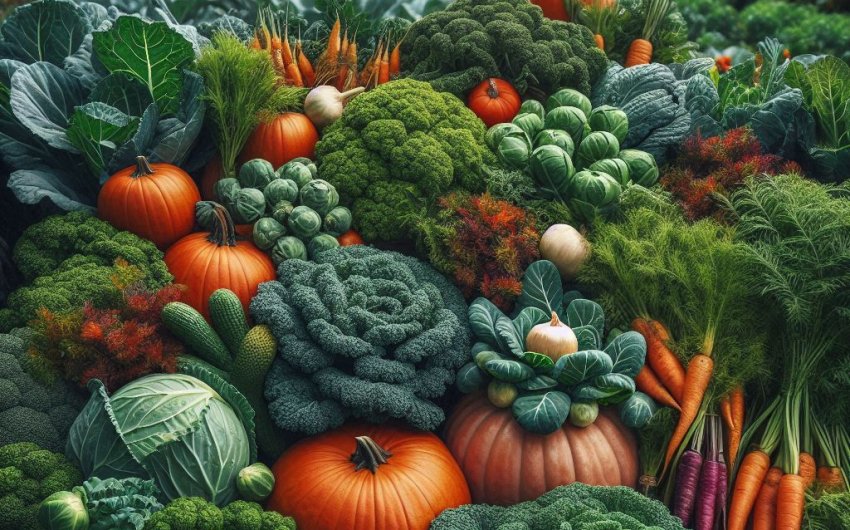
To get the most out of a fall harvest garden, focus on planting the right cool-season crops at the correct time, extending the growing season with protection, and optimizing your harvesting and preservation methods. This strategic approach ensures a bountiful yield long after summer fades.
What is a Fall Harvest Garden?
A fall harvest garden is a dedicated planting effort aimed at producing fresh vegetables and herbs that mature and are ready for picking during the cooler months of autumn, and often even into early winter. It's a strategic extension of your gardening season, capitalizing on the milder temperatures and unique light conditions of fall.
Beyond Summer's End
Many people think of gardening as a spring and summer activity. However, as the intense summer heat wanes and days gradually shorten, a new opportunity arises for a different set of crops to thrive. These are often plants that bolt (go to seed) in summer heat but flourish in the crisp, refreshing air of autumn.
Key Characteristics of a Fall Harvest Garden
- Cool-Season Crops: The garden is primarily comprised of vegetables and herbs that prefer or tolerate cooler temperatures and even light frosts. These include many leafy greens, root vegetables, and brassicas.
- Second Planting: For many regions, a fall garden means a second or even third planting of certain crops after the main summer harvest, utilizing existing garden beds.
- Timing is Crucial: Planting times for a fall garden are backward from spring. Instead of planting after the last frost, you plant for maturity before the first hard frost or prolonged freeze. This often means planting in late summer (July-August in many temperate zones).
- Milder Conditions: Fall gardening benefits from less intense sunlight, which reduces stress on leafy greens, and often more consistent moisture compared to the dry heat of mid-summer. Pest pressure can also shift, with some summer pests dying off while new cool-season ones emerge.
- Flavor Enhancement: Many fall crops, especially root vegetables and leafy greens, develop a sweeter, more nuanced flavor after being touched by a light frost. This "frost-sweetening" is a delightful benefit.
- Season Extension Potential: With simple protective measures like row covers or cold frames, a fall garden can often continue producing well into winter, sometimes even offering harvests under a blanket of snow.
Why Plant a Fall Garden?
- Extended Fresh Produce: Enjoy homegrown vegetables for a longer period of the year, reducing reliance on grocery stores.
- Reduced Spring Rush: By planting some crops in the fall, you spread out your gardening workload and get a head start on next year's growing season.
- Optimized Garden Space: Make the most of your garden beds by keeping them productive through more of the year.
- Unique Flavors: Discover the distinct, often sweeter, taste of frost-kissed fall vegetables.
A fall harvest garden isn't just an afterthought; it's a strategic and rewarding way to maximize your gardening efforts and truly get the most out of your growing space.
What Are the Best Crops for a Fall Harvest Garden?
Choosing the right plants is fundamental to getting the most out of a fall harvest garden. These are crops that thrive in cooler temperatures, can tolerate light frosts, and often improve in flavor after a touch of cold.
Leafy Greens
These are superstars of the fall garden, often growing larger and sweeter as temperatures drop.
- Spinach: Fast-growing and cold-hardy. Sow seeds every 2-3 weeks for a continuous harvest.
- Lettuce: Many varieties, especially butterhead, romaine, and loose-leaf types, do well. Avoid heading varieties that take longer to mature.
- Kale: Extremely cold-hardy, with many varieties becoming sweeter after a frost. 'Lacinato' (Dinosaur) and 'Red Russian' are popular choices.
- Swiss Chard: Similar to kale in hardiness, offering colorful stems and nutritious leaves.
- Arugula: Grows rapidly and offers a peppery kick. Can be harvested as baby greens.
- Mache (Corn Salad): Very cold-tolerant, producing small, delicate leaves with a nutty flavor.
- Asian Greens: Tatsoi, Pac Choi (Bok Choy), Mizuna, and Mustard Greens are quick-growing and frost-tolerant.
Root Vegetables
Many root crops develop excellent flavor and sweetness in the cool fall soil.
- Carrots: Frost-kissed carrots are incredibly sweet. Plant varieties that mature quickly.
- Beets: Both the roots and the greens are edible. They tolerate light frosts well.
- Radishes: Very fast-growing. Succession plant for continuous supply.
- Turnips: Harvest small for tender roots and greens.
- Parsnips: Best harvested after a hard freeze, which converts starches to sugars, enhancing sweetness. Can be left in the ground all winter in many zones.
Brassicas (Cabbage Family)
These robust plants thrive in cool conditions.
- Broccoli: Some varieties are suitable for fall planting, maturing as temperatures cool.
- Cauliflower: Requires consistent moisture and cool temperatures.
- Cabbage: Late-season varieties can produce large, firm heads.
- Kohlrabi: Fast-growing and has a mild, sweet flavor when harvested young.
- Collard Greens: Highly cold-hardy, similar to kale.
Other Cool-Season Favorites
- Peas (Shelling or Snap): Plant varieties for fall harvest, as they thrive in mild temperatures.
- Leeks: A long-season crop that can be planted in late spring/early summer for fall/winter harvest. They can overwinter in the ground in many areas.
- Garlic: Planted in fall for harvest the following summer. While not a fall harvest, it's a crucial fall planting.
- Herbs: Many herbs like cilantro, parsley, and dill prefer cooler weather and can be planted for a fall harvest. Chives and thyme are often very hardy.
Table of Fall Harvest Crops and Planting Tips
| Crop Type | Examples | Ideal Fall Planting Time (Approx.)* | Notes |
|---|---|---|---|
| Leafy Greens | Spinach, Lettuce, Kale, Chard | 8-10 weeks before first frost | Many varieties for diverse flavors. |
| Root Veg | Carrots, Beets, Radishes | 8-12 weeks before first frost | Parsnips can overwinter; taste better after frost. |
| Brassicas | Broccoli, Cabbage, Kohlrabi | 10-14 weeks before first frost | Good insect protection needed. |
| Other | Peas, Leeks, Cilantro | Varies; check days to maturity | Leeks are long season; Cilantro bolts in heat. |
*Dates are approximate and depend heavily on your specific climate and first frost date. Always count backward from your average first frost date using the "days to maturity" on seed packets.
Choosing these well-suited crops significantly increases your chances of a successful and abundant fall harvest garden.
How Do I Time Plantings for a Fall Harvest?
Timing is absolutely critical to getting the most out of a fall harvest garden. Unlike spring planting (where you plant after the last frost), fall planting means planting for maturity before the first hard frost. This requires "backward planning."
Understanding Days to Maturity (DTM)
Every seed packet or plant tag has a "Days to Maturity" (DTM) number. This tells you how long it typically takes for the plant to go from seed to harvest.
- Seed Packet DTM: This number usually refers to the time it takes in optimal, warm-season growing conditions.
- Fall Adjustment: In fall, as days shorten and temperatures cool, plant growth slows down. It's generally recommended to add 10 to 14 days to the listed DTM for fall plantings to account for this slower growth.
The Backward Planning Method
This is the most reliable way to calculate your fall planting dates:
- Find Your Average First Frost Date: This is the most important piece of information. You can find this online through local extension offices, gardening apps, or by searching for "average first frost date [your city/zip code]".
- Example: Let's say your average first frost date is October 15th.
- Determine Days to Maturity (Adjusted for Fall):
- Take the DTM from your seed packet.
- Add 10-14 days for fall slowing.
- Example: If spinach has a DTM of 30 days, for fall, consider it 40-44 days.
- Add a "Buffer" for Harvesting:
- Add an additional 2-3 weeks to the adjusted DTM. This buffer ensures your crop is fully mature and allows for a decent harvesting window before that first hard frost potentially ends the season.
- Example: For spinach (40-44 days adjusted DTM), add 2-3 weeks (14-21 days) = 54-65 days total.
- Count Backwards from First Frost Date:
- Using the total calculated days, count backward from your average first frost date.
- Example: If first frost is Oct 15th, and spinach needs 54-65 days, you should aim to plant your spinach seeds in mid-August (around August 10th-20th).
Example Planting Schedule (Hypothetical Oct 15th Frost Date)
| Crop | Seed Packet DTM | Adjusted Fall DTM (Add 10-14 days) | Harvest Buffer (Add 14-21 days) | Total Days | Target Planting Date (Count back from Oct 15) |
|---|---|---|---|---|---|
| Spinach | 30 days | 40-44 days | 14-21 days | 54-65 days | Mid-August (Aug 10-20) |
| Loose-leaf Lettuce | 45 days | 55-59 days | 14-21 days | 69-80 days | Mid-July (July 25 - Aug 5) |
| Carrots | 70 days | 80-84 days | 14-21 days | 94-105 days | Early July (July 1-10) |
| Kale | 55 days | 65-69 days | 14-21 days | 79-90 days | Late July (July 20-30) |
Tips for Fall Planting Success
- Start Seeds Indoors: For crops with longer DTMs, or if you're planting later, start seeds indoors 3-4 weeks before your target transplant date. This gives them a head start. Use a Seed Starting Kit with Grow Lights for optimal germination.
- Moisture is Key: Summer soil can be dry. Ensure your garden beds are well-watered before and after planting fall seeds or transplants.
- Shade Young Seedlings: In hotter regions, provide temporary shade for newly planted fall seedlings to protect them from intense late summer sun.
- Succession Planting: Sow small batches of quick-growing crops (like radishes, spinach, arugula) every 2-3 weeks to extend your harvest well into fall.
Accurate timing is your best friend for a thriving fall harvest garden, ensuring your plants mature and produce before the deep cold arrives.
How Can I Extend the Season of My Fall Garden?
Extending the season of your fall harvest garden allows you to enjoy fresh produce much longer, often well into winter, even after the first frosts. Simple protective measures can significantly boost your yield and gardening satisfaction.
Why Extend the Season?
- More Harvests: Continue picking fresh vegetables long after your summer garden has finished.
- Protect Frost-Tender Crops: Save plants that might succumb to a light frost, giving them more time to produce.
- Improve Flavor: Many cool-season crops actually taste better after exposure to light frost, and protection allows them to experience this without dying.
- Winter Protection: Some methods protect not just plants, but also the soil itself, preparing it for the next growing season.
Methods for Season Extension
- Mulching:
- Purpose: A thick layer of organic mulch insulates the soil, moderating soil temperature fluctuations. It helps keep the soil warmer during cold snaps and also retains moisture.
- Materials: Use straw, shredded leaves, wood chips, or pine needles.
- Application: Apply a layer of 4-6 inches around the base of your plants and over exposed soil in the raised bed. Keep mulch slightly away from plant stems to prevent rot.
- Row Covers (Floating Row Covers):
- Purpose: These lightweight fabrics provide a few degrees of frost protection (typically 2-8°F / 1-4°C of warmth), shield plants from drying winds, and deter early winter pests. They allow light, air, and water to pass through.
- Application: Lay the fabric directly over the plants (hence "floating") or support it with simple hoops. Secure the edges with rocks, soil, or garden pins to prevent wind from blowing them away.
- Consider a Floating Row Cover for Season Extension for an easy solution.
- Hoop Houses / Low Tunnels:
- Purpose: These structures create a miniature greenhouse effect over your raised beds, significantly raising internal temperatures and offering robust protection from deeper cold, wind, and snow.
- Construction: Use flexible PVC or metal hoops arched over the bed, then cover with a heavy-duty clear plastic sheeting or specialized greenhouse film. Secure the film firmly to the raised bed frame or ground.
- Ventilation: It's crucial to vent hoop houses on warmer, sunny winter days to prevent overheating and fungal issues.
- Cold Frames:
- Purpose: A bottomless box with a transparent, often hinged, lid. Cold frames trap solar heat and provide excellent protection for smaller plants or entire small raised beds.
- Construction: Can be built from wood and old windows, or purchased ready-made.
- Placement: Place directly over the plants in your raised bed.
- Ventilation: Must be vented on sunny days to prevent cooking your plants.
- Cloches (Individual Covers):
- Purpose: Individual covers for single plants or small groupings.
- Materials: Large plastic milk jugs (bottom cut off), glass cloches, or DIY structures like inverted clear plastic containers.
- Application: Place over plants during cold snaps. Remember to remove or vent on warmer days.
- Watering Smartly:
- Warm Soil: Watering the soil thoroughly during the day, before a cold night, can help release latent heat and keep the soil slightly warmer.
- Avoid Wet Foliage: Do not water in the evening, as wet foliage can lead to frost damage and fungal diseases.
By strategically using these season extension techniques, you can transform your fall harvest garden into a continuous source of fresh produce, getting the absolute most out of your growing efforts.
How Do I Optimize Harvesting and Storage for Fall Crops?
Optimizing your harvesting and storage techniques is crucial to getting the most out of a fall harvest garden. Proper timing and preservation methods ensure your hard-earned produce lasts as long as possible, providing fresh food through the colder months.
Harvesting Fall Crops
- Timing for Peak Flavor:
- Leafy Greens: Harvest outer leaves of kale, chard, and spinach. For lettuce and arugula, harvest whole heads or cut-and-come-again leaves. Many greens get sweeter after a light frost.
- Root Vegetables: Carrots and beets can remain in the ground until a hard freeze. Parsnips are traditionally harvested after the first hard freeze, which converts starches to sugars, making them incredibly sweet.
- Brussels Sprouts: Flavor improves significantly after a frost. Harvest sprouts from the bottom of the stalk up.
- Cabbage: Harvest heads when they are firm.
- Monitor Weather Forecasts: Pay close attention to upcoming freezes.
- Light Frost (28-32°F / -2°C to 0°C): Many leafy greens (kale, spinach) and root vegetables can tolerate or even benefit from a light frost.
- Hard Freeze (below 28°F / -2°C): This is usually the end for less hardy crops. Harvest everything you want to save before a hard freeze.
- Harvest in the Morning: For leafy greens, harvest in the morning after the dew has dried but before the sun gets too strong. This helps them stay crisp.
- Clean Cuts: Use clean, sharp pruners or knives to avoid damaging the plant or introducing disease.
Short-Term Storage (Refrigerator)
For immediate consumption or short-term use, most fall vegetables store well in the refrigerator.
- Leafy Greens: Wash, dry thoroughly (a salad spinner is excellent), then store in an airtight container or perforated plastic bags lined with a paper towel in the crisper drawer. Can last 1-2 weeks.
- Root Vegetables: Brush off excess soil, but don't wash. Cut off tops (greens) to prevent moisture loss from the root. Store in a cool, dark, humid place (like a root cellar) or loosely in a plastic bag in the crisper drawer. Can last several weeks to months.
- Brassicas (Broccoli, Cabbage): Store unwashed in a plastic bag in the crisper. Cabbage can last for weeks.
Long-Term Preservation Methods
To truly get the most out of your fall harvest garden, preservation is key.
- Freezing:
- Blanching: Most vegetables (broccoli, kale, spinach, chard, green beans, carrots, corn kernels) benefit from blanching (briefly boiling then plunging in ice water) before freezing. This stops enzyme action and preserves color, flavor, and nutrients.
- Preparation: After blanching, dry thoroughly, pack into freezer bags or containers, and remove as much air as possible (a Food Saver Vacuum Sealer Machine is ideal). Label with contents and date.
- Examples: Kale for smoothies, spinach for cooking, broccoli florets, shredded carrots, corn kernels.
- Canning:
- Method: Pressure canning is required for low-acid vegetables (like most garden vegetables). Water bath canning is only for high-acid foods (fruits, pickles).
- Examples: Green beans, corn, beets, carrots, mixed vegetables.
- Drying/Dehydrating:
- Method: Use a food dehydrator or an oven on its lowest setting.
- Examples: Kale chips, dried herbs (rosemary, thyme, oregano), tomato slices.
- Fermentation/Pickling:
- Method: Fermentation creates beneficial probiotics and unique flavors (e.g., sauerkraut from cabbage, kimchi). Pickling involves preserving in vinegar brine.
- Examples: Cabbage, cucumbers (if you get a late crop), carrots, beets.
- Root Cellaring/Cold Storage:
- Method: For non-freezing, high-humidity storage. A cool, dark, and humid basement or garage can work.
- Examples: Potatoes, sweet potatoes, carrots (in sand), cabbage, apples.
By combining timely harvesting with appropriate short-term storage and long-term preservation methods, you can truly maximize the bounty of your fall harvest garden, enjoying its fresh flavors well into the winter months.