
How to Create a Spring Bloom Garden Plan?
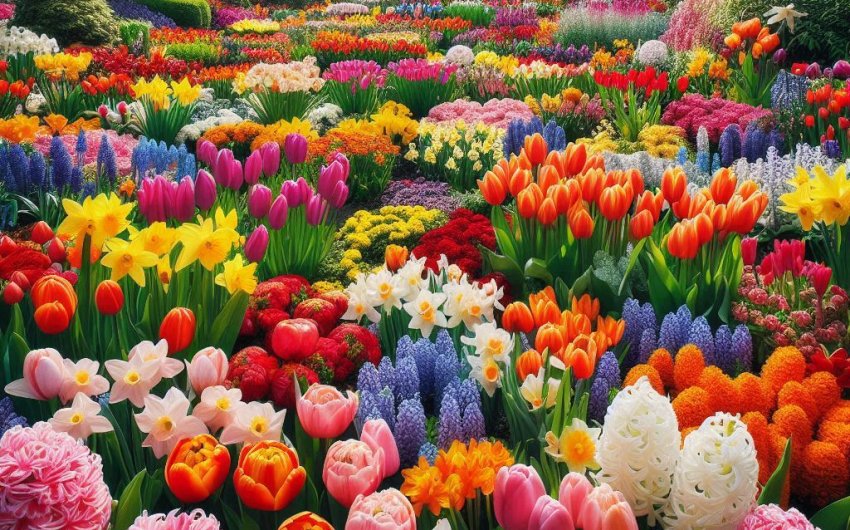
After a long, gray winter, there's nothing quite as uplifting as the first burst of color in the garden. A well-planned spring bloom garden is a spectacular welcome to the warmer months, offering a delightful show of vibrant flowers, fresh foliage, and intoxicating fragrances. But creating a continuous wave of blooms from late winter to early summer requires more than just randomly planting a few bulbs. It needs a strategic approach. Learning how to create a spring bloom garden plan involves thoughtful plant selection, understanding bloom times, and careful design. This guide will walk you through the steps to design your own breathtaking spring spectacle.
Why Plan Your Spring Bloom Garden?
A deliberate plan ensures a cohesive, long-lasting display and minimizes surprises.
1. Continuous Color and Interest
- Without a plan, you might have all your flowers bloom at once, leaving large gaps of dullness. A plan ensures a succession of blooms.
2. Maximizes Impact
- Strategic planting creates stunning visual displays, drawing the eye and making your garden feel vibrant and alive after winter.
3. Efficient Planting
- Knowing what, where, and when to plant saves time, effort, and money, preventing impulsive purchases that don't fit your design.
4. Attracts Early Pollinators
- Early spring blooms provide vital nectar for emerging bees and other beneficial insects.
5. Reduces Gaps
- A thoughtful plan considers what will fill the spaces after spring bulbs fade, ensuring continuous beauty.
Step 1: Assess Your Garden Space
Before picking a single flower, understand your canvas.
1. Sunlight Evaluation
- Crucial: Observe how much direct sunlight your chosen garden area receives throughout the spring months.
- Full Sun: 6+ hours (most bulbs and spring perennials thrive here).
- Partial Sun: 3-6 hours (many shade-tolerant perennials and some bulbs).
- Shade: Less than 3 hours (woodland spring ephemerals, specific shade perennials).
- Consider Tree Canopy: Remember that deciduous trees might be bare in early spring, allowing more light, but leaf out later, creating more shade. Plan accordingly for later spring blooms.
2. Soil Conditions
- Drainage: Most spring bulbs and perennials need well-drained soil. They rot in soggy conditions.
- Soil Test: Consider a soil test kit to check pH and nutrient levels, especially if you plan extensive planting.
- Improve Soil: Amend heavy clay or very sandy soils with finished compost before planting to improve drainage, aeration, and fertility.
3. Existing Plants
- Take stock of what's already in the area. How will new spring blooms complement or interact with existing shrubs, trees, or perennials?
4. Viewing Angles
- Where will you view the garden from? A window, a patio, a pathway? Design the display to maximize the view from these points.
Step 2: Choose Your Spring Bloomers (The Stars of the Show!)
This is where the fun begins! Select a diverse range of plants for continuous color.
1. Spring-Flowering Bulbs (Fall-Planted)
These are the backbone of most spring bloom gardens. They are planted in the fall and emerge in spring.
- Early Spring (Late Winter/Early Spring):
- Snowdrops (Galanthus): Tiny white bells, often pop through snow.
- Crocus (Crocus spp.): Purple, yellow, white cups. Naturalize easily.
- Winter Aconite (Eranthis): Yellow, buttercup-like flowers.
- Glory-of-the-Snow (Chionodoxa): Blue, pink, white star-shaped flowers.
- Mid-Spring:
- Daffodils (Narcissus spp.): Yellow, white, orange, trumpets, cups. Deer resistant. Huge variety. Look for daffodil bulbs.
- Hyacinths (Hyacinthus orientalis): Highly fragrant, dense flower spikes in many colors.
- Muscari (Grape Hyacinth): Small, blue, grape-like clusters. Naturalize easily.
- Early Tulips (Tulipa spp.): Many vibrant colors.
- Late Spring/Early Summer:
- Late Tulips: Triumph, Darwin Hybrid, Parrot, Lily-Flowered tulips. Wide range of colors, shapes, and sizes. Look for tulip bulbs.
- Alliums (Ornamental Onion): Striking spherical blooms on tall stalks, often purple. Excellent structural element. Deer resistant. A bag of allium bulbs adds drama.
- Fritillaria (Crown Imperial, Checkered Lily): Unique bell-shaped flowers.
- Key Tip: Plant bulbs in clusters (at least 5-7 per grouping) for the best visual impact, rather than in single rows.
2. Spring-Flowering Perennials (Add Structure and Longevity)
These come back year after year and provide lasting structure.
- Early Spring:
- Hellebores (Helleborus orientalis - Lenten Rose): Evergreen foliage, delicate nodding flowers (white, pink, purple, speckled) often emerging through snow. Shade tolerant.
- Bleeding Heart (Dicentra spectabilis): Charming heart-shaped pink or white flowers. Shade tolerant.
- Creeping Phlox (Phlox subulata): Spreading mat of vibrant pink, purple, or white flowers. Great for rock gardens or cascading over walls.
- Mid-Spring:
- Pansies/Violas: Annuals often used as cool-season bedding plants for continuous color.
- Dwarf Iris (Iris reticulata): Small, early iris.
- Primroses (Primula spp.): Brightly colored, often ruffled flowers.
- Pasque Flower (Pulsatilla vulgaris): Fuzzy, bell-shaped flowers.
- Late Spring:
- Peonies (Paeonia spp.): Large, luxurious blooms in various shades of pink, red, white, and yellow. Long-lived.
- Columbine (Aquilegia spp.): Unique spurred flowers, often bicolor. Delicate appearance.
- Foxglove (Digitalis purpurea): Tall spires of bell-shaped flowers. Biennial or short-lived perennial.
- Lupine (Lupinus spp.): Striking upright flower spikes.
- Alliums (Ornamental Onion): Many varieties bloom through late spring.
3. Spring-Flowering Shrubs and Trees (Provide Height and Mass)
Don't forget the vertical dimension!
- Early Spring:
- Forsythia: Classic yellow branches, one of the first to bloom.
- Witch Hazel (Hamamelis): Unique spidery flowers, often fragrant.
- Pussy Willow (Salix discolor): Soft, furry catkins.
- Mid-Spring:
- Dogwood (Cornus florida): Iconic white or pink bracts.
- Magnolia (Magnolia spp.): Large, showy cup-shaped flowers.
- Rhododendrons & Azaleas: Vibrant clusters of blooms.
- Flowering Cherry/Crabapple: Masses of pink or white blossoms.
- Late Spring:
- Lilacs (Syringa vulgaris): Fragrant, classic purple or white blooms.
- Weigela: Pink, red, or white trumpet-shaped flowers.
Step 3: Design Your Spring Bloom Display (Color, Height, Texture)
Now, put it all together!
1. Color Palette
- Harmonious: Choose colors that blend beautifully (e.g., purples, blues, and whites for a calming feel; pinks, yellows, and oranges for a cheerful look).
- Contrasting: Use contrasting colors (e.g., yellow daffodils against purple hyacinths) for a vibrant pop.
- Repetition: Repeat colors or types of plants throughout the garden to create a sense of cohesion.
2. Vary Heights and Layers
- Layering: Plant taller plants at the back, mid-height plants in the middle, and low-growing groundcovers or bulbs at the front.
- Vertical Interest: Use flowering shrubs and trees as a backdrop or focal points. Alliums are great for adding vertical drama amongst lower plants.
3. Consider Texture and Form
- Mix different leaf shapes and flower forms for visual interest. Pair the bold, broad leaves of a Hosta with the delicate lacy fronds of a fern, or the upright spires of Lupine with the rounded forms of Hyacinths.
4. Create Drifts and Clusters
- Natural Look: Plant bulbs in naturalistic drifts or large clusters rather than single, rigid rows. This creates a more abundant and natural appearance, like confetti scattered across the landscape.
- Rule of Thumb: Plant at least 5-7 bulbs of a single variety per grouping.
5. Plan for Fading Foliage
- Conceal Dying Leaves: After spring bulbs bloom, their foliage needs to ripen for several weeks before cutting to allow energy to return to the bulb. Plant later-emerging perennials around and in front of them (e.g., Hostas, Daylilies, ornamental grasses) that will grow up and hide the fading bulb foliage.
Step 4: Prepare Your Soil (Fall Task)
Healthy soil is the foundation for abundant blooms.
- Amend with Organic Matter: In late fall (before planting bulbs), generously work finished compost into your garden beds. This improves drainage (crucial for bulbs!) and adds essential nutrients.
- pH Check: If needed, amend soil pH based on your soil test results. Most bulbs prefer neutral to slightly acidic soil.
Step 5: Planting Your Spring Bloomers (Timing is Everything!)
Most spring-flowering bulbs are planted in the fall.
1. Fall-Planted Bulbs
- Timing: Plant bulbs after the first hard frost, when soil temperatures have dropped below 55°F (13°C), but before the ground freezes solid. This is typically late September to mid-November in many regions.
- Depth: Plant bulbs at a depth roughly 2-3 times their height (e.g., a 2-inch bulb goes 4-6 inches deep).
- Spacing: Follow package instructions for spacing, but remember to cluster for impact.
- Water: Water thoroughly after planting to settle the soil.
- Mulch (Optional but Recommended): A layer of mulch over freshly planted bulbs can insulate them and provide consistent soil temperature. A bulb planter tool makes digging easier.
2. Spring-Planted Perennials/Shrubs
- Plant these according to their specific needs in spring when available at nurseries.
Step 6: Ongoing Care for Your Spring Bloom Garden
Once planted, a little care helps your spring garden shine.
1. Watering
- Fall Bulbs: Water thoroughly after planting. Once winter sets in, they are generally self-sufficient until spring. Water in spring if conditions are very dry.
- Perennials/Shrubs: Water as needed, especially during dry spells.
2. Fertilizing (Minimal for Bulbs)
- Bulbs: Usually don't need fertilizer in spring if planted in good soil. For established bulbs, a bone meal or slow-release bulb fertilizer applied in fall can help. A bulb food fertilizer can be used.
- Perennials/Shrubs: Fertilize as needed in spring based on plant requirements.
3. Deadheading (for Some Flowers)
- Enhance Display: Remove spent flowers from tulips, daffodils (snip off the flower head only, leave the stalk), and many perennials to encourage the plant to put energy into the bulb/roots rather than seed production.
- Allow Foliage to Die Back Naturally (Bulbs): This is crucial! After bulbs bloom, let their foliage yellow and die back naturally for at least 6 weeks (or until entirely yellow/brown). This allows the plant to send energy back to the bulb for next year's blooms. Do NOT cut green bulb foliage!
4. Divide and Conquer (Later)
- Over time, perennial clumps and bulb clusters might become too dense and produce fewer flowers. Plan to divide them in fall (for most perennials) or after flowering (for bulbs).
Creating a spring bloom garden plan is a delightful journey that begins in the fall. By thoughtfully selecting a diverse palette of spring-flowering bulbs, perennials, and shrubs, planning for continuous color and varying heights, and ensuring proper planting and care, you can transform your garden into a breathtaking spectacle that joyfully welcomes the new growing season.