
What Vegetables Grow Best in Summer Heat?
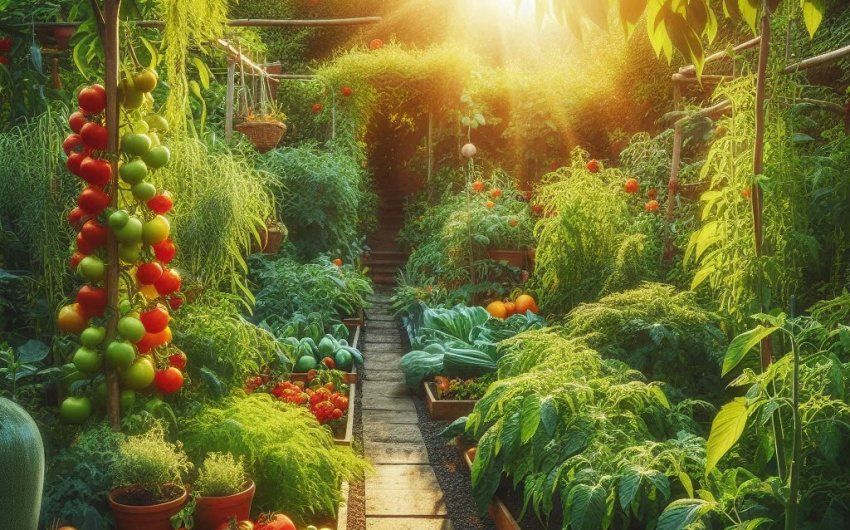
Many warm-season vegetables thrive in summer heat, performing best when temperatures are consistently above 70°F (21°C), and some even prefer temperatures well into the 80s or 90s (27-35°C). These include popular choices like tomatoes, peppers, eggplant, corn, okra, and various squash varieties.
Why Do Some Vegetables Thrive in Summer Heat While Others Struggle?
The ability of a vegetable to thrive in summer heat is largely determined by its botanical origins and physiological adaptations. Vegetables are broadly categorized into cool-season and warm-season crops, each with distinct optimal temperature ranges for growth, pollination, and fruit development.
Warm-Season Vegetables (Heat Lovers)
These vegetables originate from tropical or subtropical regions and are perfectly adapted to high temperatures.
- Optimal Temperature Range: Generally perform best when daytime temperatures are consistently above 70°F (21°C) and often into the 80s and 90s (27-35°C).
- Key Adaptations:
- Efficient Photosynthesis: Many have C4 photosynthesis pathways (like corn and amaranth), which are more efficient at higher temperatures and intense sunlight, minimizing water loss.
- Pollination: Their flowers are designed to be pollinated effectively in warm weather. For instance, tomato pollen becomes sticky and unviable in cool temperatures, but ideal in warm.
- Fruit Set: Fruit development (e.g., peppers, tomatoes, squash) requires sustained warmth.
- Deep Root Systems: Many develop extensive root systems that can seek out moisture in warmer, drier conditions.
- Heat Shock Proteins: They produce specialized proteins that protect their cells from heat damage.
- Examples: Tomatoes, peppers, eggplant, corn, melons, squash, okra, sweet potatoes, southern peas.
Cool-Season Vegetables (Heat Sensitive)
These vegetables typically originate from temperate or cooler climates.
- Optimal Temperature Range: Thrive in temperatures between 50-75°F (10-24°C).
- Key Problems in Heat (Bolting, Bitterness, Bolting):
- Bolting: Many leafy greens (lettuce, spinach, cilantro) and root crops (radishes, cilantro) "bolt" or go to seed prematurely when exposed to prolonged heat. This makes their leaves bitter and inedible, or stops root development.
- Bitter Flavor: Crops like lettuce and spinach develop a bitter taste in hot weather.
- Poor Pollination/Fruit Set: Some cool-season crops may fail to set fruit if temperatures are too high.
- Stunted Growth: Overall growth can cease or become stunted.
- Examples: Lettuce, spinach, kale, broccoli, cauliflower, peas, radishes, carrots.
Understanding this fundamental difference is crucial for successful gardening. Trying to force cool-season crops in the peak of summer heat is often a losing battle, while planting heat-loving varieties ensures they thrive when conditions are just right for them.
Which Fruiting Vegetables Thrive in Summer Heat?
Fruiting vegetables, which are botanically fruits but used culinarily as vegetables, absolutely love warm temperatures. They need the sun's energy to develop their fruits properly, making them perfect candidates for summer gardens.
Tomatoes (Solanum lycopersicum)
Tomatoes are perhaps the quintessential summer garden crop, requiring warmth for optimal growth and fruit production.
- Optimal Temperature: Thrive in daytime temperatures between 70-85°F (21-29°C). Consistent night temperatures above 65°F (18°C) are crucial for fruit set.
- Heat Tolerance: While they love heat, extreme temperatures (consistently above 90°F / 32°C, especially at night) can cause flowers to drop without setting fruit. Look for heat-set varieties like 'Florida 91', 'Solar Fire', 'Heatwave II', or 'Cherokee Carbon' which are more tolerant of high heat.
- Tips for Success:
- Provide consistent watering, especially when fruits are developing, to prevent blossom end rot.
- Mulch heavily to retain soil moisture and regulate soil temperature.
- Provide sturdy support like tomato cages or stakes. Heavy Duty Tomato Cages offer excellent support.
- Consider partial afternoon shade in regions with extreme heat to reduce stress.
Peppers (Capsicum annuum, C. frutescens, C. chinense, etc.)
Both sweet and hot peppers are tropical plants that revel in hot weather.
- Optimal Temperature: Prefer temperatures between 70-90°F (21-32°C).
- Heat Tolerance: Generally more heat-tolerant than tomatoes. Hot peppers, in particular, often produce more capsaicin (the heat compound) in warmer conditions.
- Tips for Success:
- Ensure consistent moisture; dry spells can stress plants and reduce yield.
- Mulch to conserve moisture.
- Some varieties may benefit from light afternoon shade in desert-like heat to prevent sunscald on fruits.
- Consider 'Carolina Reaper' for extreme heat and 'California Wonder' for a classic sweet bell pepper.
Eggplant (Solanum melongena)
Eggplant is another heat-loving member of the nightshade family, requiring consistent warmth to thrive.
- Optimal Temperature: Prefers temperatures between 70-90°F (21-32°C). They are less tolerant of cool weather than tomatoes or peppers.
- Heat Tolerance: Performs well in hot conditions.
- Tips for Success:
- Plant in full sun in rich, well-draining soil.
- Provide consistent moisture, especially during flowering and fruiting.
- Stake taller varieties to support heavy fruit.
- 'Black Beauty' is a common and reliable variety, while 'Long Purple' offers a different shape.
Okra (Abelmoschus esculentus)
Okra is a true heat lover, a staple in Southern gardens for its ability to produce prolifically in scorching summer conditions.
- Optimal Temperature: Thrives in temperatures above 80°F (27°C) and often performs best in sustained 90°F+ (32°C+) heat.
- Heat Tolerance: Very high. It often just starts to hit its stride when other plants are wilting.
- Tips for Success:
- Plant in full sun.
- Harvest pods frequently (every 1-2 days) when they are 2-4 inches long to encourage continuous production. If left on the plant, they become tough and production slows.
- Mulch heavily.
- 'Clemson Spineless' is a popular and reliable variety.
Melons (Watermelon, Cantaloupe, Honeydew - Cucumis melo, Citrullus lanatus)
These vining plants are native to warm climates and absolutely require long, hot summers to produce sweet, ripe fruit.
- Optimal Temperature: Prefer temperatures between 70-95°F (21-35°C).
- Heat Tolerance: Very high. The hotter and sunnier, the better for sweetness.
- Tips for Success:
- Plant in full sun in rich, well-draining soil.
- Provide ample space for vines to spread or use a sturdy trellis for smaller varieties.
- Consistent deep watering is crucial, especially as fruits develop.
- Mulch to retain moisture and keep fruits off the ground.
- 'Crimson Sweet' watermelon and 'Hales Best Jumbo' cantaloupe are classic choices.
These fruiting vegetables will ensure your garden continues to produce bountiful harvests even during the hottest months.
Which Vining Vegetables Thrive in Summer Heat?
Vining vegetables are excellent choices for summer gardens, as many of them originated in warm climates and flourish in high temperatures. Their sprawling nature can also help shade the soil, keeping roots cooler.
Cucumbers (Cucumis sativus)
Cucumbers are warm-season favorites that produce prolifically in hot weather, as long as they receive consistent moisture.
- Optimal Temperature: Thrive between 65-90°F (18-32°C).
- Heat Tolerance: Good, but consistent watering is crucial. Prolonged dry spells can make fruits bitter.
- Tips for Success:
- Provide a trellis, cage, or fence for climbing. This saves space, keeps fruits clean, and improves air circulation. Cucumber Trellis Netting is a practical choice.
- Water deeply and regularly, especially when fruiting.
- Harvest frequently to encourage continuous production; don't let cucumbers get too big.
- 'Marketmore 76' and 'Burpee Pickler' are reliable varieties.
Summer Squash (Zucchini, Yellow Squash, Pattypan - Cucurbita pepo)
Summer squash varieties are incredibly productive in hot weather and are known for their rapid growth.
- Optimal Temperature: Prefer temperatures between 70-95°F (21-35°C).
- Heat Tolerance: Very high. They love warmth and full sun.
- Tips for Success:
- Give them plenty of room, as they can grow quite large. Bush varieties are available for smaller spaces.
- Water consistently and deeply, especially during dry spells.
- Harvest frequently when fruits are young and tender (e.g., zucchini at 6-8 inches) to encourage more production.
- 'Black Beauty' zucchini and 'Early Prolific Straightneck' yellow squash are popular choices.
Winter Squash & Pumpkins (Cucurbita maxima, C. moschata, C. pepo)
These varieties also need long, hot summers for their large fruits to fully mature and cure.
- Optimal Temperature: Thrive in temperatures between 70-95°F (21-35°C), needing a long warm season to ripen.
- Heat Tolerance: Very high. They're built for hot, sunny growing seasons.
- Tips for Success:
- Require a lot of space for their sprawling vines.
- Provide consistent, deep watering until fruits begin to mature.
- Mulch heavily to conserve moisture and suppress weeds.
- 'Butternut Squash' and 'Sugar Pie Pumpkin' are great choices for home gardens.
Pole Beans (Phaseolus vulgaris)
While bush beans can struggle in intense heat, many pole bean varieties are more tolerant and continue to produce through the summer.
- Optimal Temperature: Perform best between 65-85°F (18-29°C). Some heat-set varieties can tolerate higher.
- Heat Tolerance: Good, especially for some specific varieties.
- Tips for Success:
- Provide a sturdy trellis, pole, or tepee for climbing. Bamboo Garden Stakes can be used to build supports.
- Water consistently to ensure good pod development.
- Harvest pods frequently when tender to keep plants producing.
- 'Kentucky Wonder' and 'Blue Lake' are classic pole bean varieties.
These vining vegetables will help you maximize your garden's footprint by growing vertically and ensuring a continuous supply of fresh produce throughout the summer.
Which Root and Leafy Vegetables Can Handle Summer Heat?
While most cool-season root and leafy vegetables will "bolt" (go to seed) or turn bitter in summer heat, a select few varieties and types are better adapted to warmer temperatures. These are crucial for diversifying your summer harvest beyond just fruits.
Root Vegetables
Sweet Potatoes (Ipomoea batatas)
- Optimal Temperature: True heat lovers, thriving in temperatures consistently above 75°F (24°C). They need a long, warm growing season.
- Heat Tolerance: Very high. The hotter, the better for tuber development.
- Tips for Success:
- Plant "slips" (sprouted shoots) in full sun after all danger of frost is past and soil is warm.
- Provide loose, well-draining soil. Avoid heavy clay.
- Water consistently during establishment, then they are quite drought tolerant once mature.
- 'Beauregard' is a popular and reliable variety.
New Zealand Spinach (Tetragonia tetragonioides)
- Optimal Temperature: Grows well in warm to hot weather, unlike true spinach.
- Heat Tolerance: Very high. It's known for its ability to produce in summer heat when other greens bolt.
- Tips for Success:
- Can be direct-sown.
- Harvest young, tender leaves regularly from the tips to encourage continuous growth.
- Tolerates some drought but prefers consistent moisture.
- Best used cooked or steamed due to slightly thicker leaves than true spinach.
Malabar Spinach (Basella alba, Basella rubra)
- Optimal Temperature: A tropical vine that thrives in hot, humid conditions above 75°F (24°C).
- Heat Tolerance: Extremely high. It's often at its best in the dog days of summer.
- Tips for Success:
- Provide a trellis or support for its vining habit.
- Harvest leaves and young stems regularly.
- Can be used raw in salads or cooked like spinach.
Leafy Vegetables (Heat-Tolerant Greens)
Swiss Chard (Beta vulgaris subsp. cicla)
- Optimal Temperature: Tolerates a wider range than many other greens, performing well from 60-85°F (15-29°C).
- Heat Tolerance: Good. While it might slow down or become slightly tougher in extreme heat, it generally doesn't bolt or turn bitter like lettuce.
- Tips for Success:
- Keep soil consistently moist.
- Harvest outer leaves as needed to promote continuous production.
- 'Bright Lights' offers colorful stems for visual appeal.
Amaranth (Amaranthus spp. - leafy varieties)
- Optimal Temperature: A true summer champion, thriving in hot weather, often above 80°F (27°C).
- Heat Tolerance: Very high.
- Tips for Success:
- Grow for its edible leaves, which are used like spinach, especially in Asian and African cuisines.
- Harvest young leaves frequently to encourage tender growth.
- Some varieties are grown for grain, others for leafy greens.
Roselle (Hibiscus sabdariffa)
- Optimal Temperature: Prefers warm to hot temperatures, ideal for summer growth.
- Heat Tolerance: High.
- Tips for Success:
- Grown for its edible calyces (the red sepals surrounding the seed pod), used for tea, jellies, and sauces. Young leaves can also be eaten like spinach.
- Needs a long, warm growing season to produce calyces.
- 'Thai Red Roselle' is a good choice.
While classic lettuce and spinach will likely disappoint in scorching summer, these heat-tolerant root and leafy vegetables offer fantastic alternatives to keep your garden diverse and productive all season long.
How Can I Help Vegetables Thrive in Extreme Summer Heat?
Even heat-loving vegetables can struggle in extreme, prolonged heat waves (e.g., temperatures consistently above 95°F or 35°C). Implementing certain strategies can help your plants not just survive but thrive.
1. Consistent and Deep Watering
- Why it's Crucial: High temperatures accelerate water evaporation from soil and transpiration from leaves. Plants need more water to regulate their internal temperature and transport nutrients.
- How To:
- Water deeply and less frequently to encourage deep root growth. Shallow watering encourages shallow roots that are more vulnerable to heat stress.
- Water in the early morning. This allows water to penetrate before the sun is strongest, minimizes evaporation, and gives leaves time to dry, reducing fungal issues.
- Check Soil Moisture: Don't just water on a schedule. Stick your finger 2-3 inches into the soil to check moisture levels before watering.
- Consider a soaker hose or drip irrigation system to deliver water directly to the root zone, minimizing waste and keeping foliage dry.
2. Mulching
- Why it's Crucial: Mulch acts as an insulating layer over the soil.
- Benefits:
- Retains Moisture: Reduces water evaporation by up to 70%.
- Regulates Soil Temperature: Keeps soil cooler on hot days and warmer on cool nights, creating a more stable environment for roots.
- Suppresses Weeds: Weeds compete with your vegetables for precious water and nutrients.
- How To: Apply a 2-4 inch layer of organic mulch like straw, shredded leaves, or wood chips around your plants, keeping it a few inches away from the plant stems. Straw Mulch Bales are excellent for this purpose.
3. Provide Shade (Partial)
- Why it's Crucial: While heat-lovers need sun, extreme midday sun can cause heat stress, sunscald on fruits (especially tomatoes and peppers), and inhibit pollination.
- How To: Use shade cloth during the hottest part of the day (e.g., from 11 AM to 4 PM).
- Choose a shade cloth with 30-50% shade rating.
- Drape it over a simple frame, stakes, or hoops, ensuring it doesn't touch the plants directly to allow for air circulation. Garden Shade Cloth is readily available.
- Remove shade cloth on cooler days or in the evenings to allow full light.
4. Improve Soil Health
- Why it's Crucial: Healthy soil with plenty of organic matter improves water retention and drainage simultaneously, making plants more resilient to stress.
- How To: Amend your soil with generous amounts of compost before planting. Compost improves soil structure, aeration, and nutrient availability.
5. Proper Spacing and Air Circulation
- Why it's Crucial: Overcrowded plants compete for water and nutrients and reduce air circulation, making them more susceptible to fungal diseases in humid heat.
- How To: Follow recommended plant spacing guidelines. Prune lower leaves or thin out dense foliage on larger plants like tomatoes and squash to improve airflow around the base.
6. Avoid Fertilizing During Heat Waves
- Why it's Crucial: Fertilizing encourages new growth, which requires more energy and water, further stressing the plant during extreme heat.
- How To: Apply fertilizers when temperatures are moderate and plants are actively growing, not during peak heat.
7. Select Heat-Tolerant Varieties
- Why it's Crucial: Within each species, some varieties are specifically bred or naturally adapted to perform better in high temperatures.
- How To: Look for variety descriptions that mention "heat-set," "heat-tolerant," or "good for hot climates." Seed catalogs and local nurseries are good resources.
By combining these strategies, you can give your heat-loving vegetables the best possible chance to produce a fantastic harvest throughout even the most scorching summer months.