
How to Build a Simple Cold Frame for Winter Gardening?
As the days shorten and temperatures drop, many gardeners reluctantly pack away their tools. But what if you could extend your growing season, harvest fresh greens through winter, or get a jump start on spring seedlings? That's the magic of a cold frame! This simple, unheated structure uses passive solar energy to create a miniature greenhouse, protecting plants from harsh winter conditions. Learning how to build a simple cold frame for winter gardening is an achievable DIY garden project that can revolutionize your year-round harvests. This guide will walk you through the benefits, basic design, and step-by-step instructions to create your own effective cold frame.
What is a Cold Frame and Why Do You Need One?
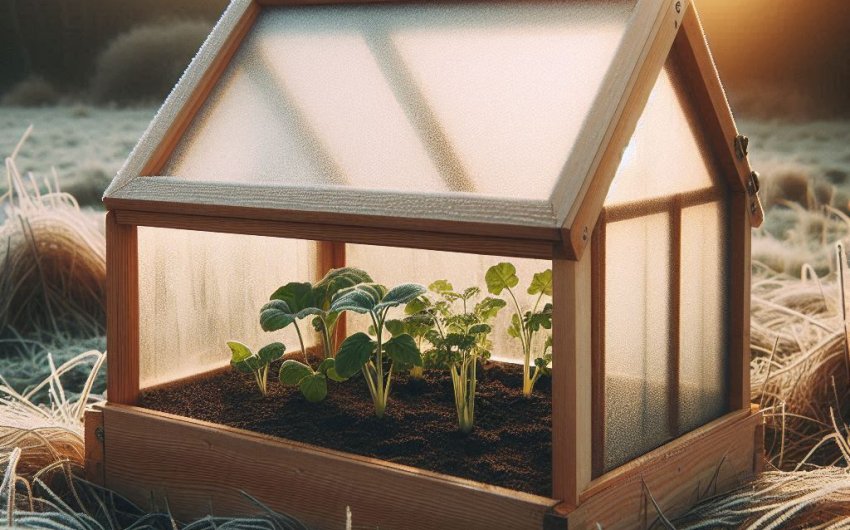
A cold frame is essentially a bottomless box with a transparent lid that sits over a garden bed. It collects solar energy during the day, warming the soil and air inside, and then retains that heat at night, protecting plants from frost and cold winds.
Benefits of a Cold Frame
- Extends the Growing Season:
- Winter Harvests: Grow cold-hardy greens (lettuce, spinach, kale, arugula, mache) through fall and winter, even in snowy climates.
- Early Spring Starts: Get a head start on spring seedlings (tomatoes, peppers, flowers) several weeks before the last frost date, hardening them off before transplanting.
- Late Fall Protection: Protect tender crops from early frosts, extending their harvest into colder weather.
- Protection from Harsh Weather: Shields plants from frost, snow, ice, and drying winter winds.
- Cost-Effective: Much cheaper than a heated greenhouse. It uses passive solar energy, requiring no electricity.
- Versatile: Can be used for various purposes throughout the year.
- Easy to Build: Many designs are simple enough for beginner DIYers.
- Pest Protection: Offers some protection from early pests.
Basic Design Principles of a Simple Cold Frame
While designs vary, a good cold frame incorporates these elements:
- The Box (Frame): Typically made of wood, brick, concrete block, or recycled materials. It should be deep enough to accommodate your plants and hold a good volume of soil.
- Key Feature: The back wall should be taller than the front wall, creating a slope for the lid.
- The Lid (Glazing): Made of transparent material (glass, polycarbonate, clear plastic). It must be hinged or easily removable for ventilation and access.
- Key Feature: The slope of the lid allows rainwater to run off and maximizes sunlight penetration, especially in winter when the sun is lower in the sky.
- Location: Placed directly over a garden bed in a sunny, sheltered spot.
Materials You'll Need to Build a Simple Wooden Cold Frame
This design uses basic lumber, perfect for beginners.
Materials
- Lumber:
- Side Boards: Two long boards (e.g., 2x10 or 2x12 pressure-treated lumber or cedar) for the front and back of your cold frame. The back board should be longer than the front.
- End Boards: Two shorter boards (e.g., 2x10 or 2x12) for the sides. These will be cut at an angle to match the slope.
- Scrap Wood: A few small pieces of scrap wood for corner bracing and a prop stick.
- Lid Material (Glazing):
- Old Window Sashes: A fantastic repurposed option if you have an old storm window or window sash. Ensure it's intact and transparent.
- Polycarbonate Sheets: Lightweight, durable, and shatterproof. Available in various thicknesses. A twinwall polycarbonate sheet offers good insulation.
- Clear Plastic Sheeting: Heavy-duty, UV-resistant clear plastic (4-6 mil polyethylene). More affordable but less durable than polycarbonate or glass.
- Hardware:
- Exterior Wood Screws: 2.5-3 inch (6.3-7.6 cm), rust-resistant.
- Hinges: Two heavy-duty hinges for the lid (if you want it hinged).
- Optional: Small handle for the lid, a prop stick (a piece of wood with notches) for ventilation.
- Insulation (Optional):
- Straw bales, bags of leaves, or rigid foam insulation for extra protection around the outside of the frame during extreme cold.
Tools
- Measuring Tape and Pencil
- Circular Saw or Hand Saw: For cutting lumber.
- Drill/Driver: For pilot holes and driving screws.
- Level: To ensure your frame is even.
- Safety Glasses and Work Gloves: Always!
Step-by-Step Guide: Building Your Simple Wooden Cold Frame
This plan assumes a basic rectangular cold frame that's 4 feet (1.2 meters) long and 2 feet (0.6 meters) deep, which fits well over standard garden beds. You can adjust dimensions to fit your chosen lid material (e.g., an old window sash).
Step 1: Gather and Cut Your Lumber
- Determine Dimensions: Decide on the length and width of your cold frame. The dimensions are usually determined by the size of your chosen lid material. For example, if you have a 2x4 foot window sash, make your frame 2x4 feet.
- Cut Side Boards:
- Cut two long pieces for the front and back. For a 4-foot long frame, cut two 4-foot pieces of 2x10 or 2x12 lumber.
- One of these will be the front (e.g., 9.25 inches tall if using 2x10).
- The other will be the back, which needs to be taller. This creates the slope. For a 2-foot deep frame, a good slope is often achieved by making the back about 6-8 inches (15-20 cm) taller than the front. So, if your front board is 9.25 inches, cut a piece from a wider board or stack two smaller ones for the back to make it 15.25-17.25 inches tall. Alternatively, if you only have 2x10s, you can use one 2x10 for the front, and two 2x10s stacked for the back.
- Cut End Boards (Side Walls):
- Cut two pieces for the sides (e.g., two 2-foot pieces).
- Cut the Slope: This is the tricky part. Draw a line from the top of the taller back board to the top of the shorter front board on each end piece. Use a circular saw to cut along this line, creating the sloping top edges of your side walls. This angle will match the slope of your lid.
Step 2: Assemble the Frame
- Form a Rectangle: Place the front and back boards parallel to each other. Position the two angled side boards between them, aligning the cut slopes.
- Drill Pilot Holes: Drill pilot holes through the ends of the front and back boards into the side boards. This prevents the wood from splitting when you drive screws.
- Screw Together: Use your exterior wood screws (2.5-3 inches) to firmly attach the boards, creating a sturdy rectangular box. Ensure the corners are square by using a speed square.
- Internal Bracing (Optional): For extra strength, you can cut small triangular pieces of scrap wood and screw them into the internal corners of the frame.
Step 3: Prepare and Attach the Lid
- Build the Lid Frame (if not using an old window): If using polycarbonate or plastic sheeting, you'll need to build a simple wooden frame for it. Cut four pieces of lighter lumber (e.g., 1x2 or 2x2) to match the outer dimensions of your cold frame. Screw these together to form a rectangle.
- Attach Glazing:
- Polycarbonate: Cut the twinwall polycarbonate sheet to fit exactly into your lid frame. Screw it down or use silicone sealant to secure it.
- Clear Plastic: Stretch heavy-duty clear plastic tightly over your lid frame and staple it securely to the edges.
- Old Window: If using an old window sash, no further steps needed for the lid itself.
- Attach Hinges: Place the lid on top of the cold frame, aligning it so the taller edge of the lid sits along the taller back wall of the frame. Screw two heavy-duty hinges to the back board of the frame and the corresponding edge of the lid.
Step 4: Choose Your Location and Place the Cold Frame
- Sunlight: Select a spot in your garden that receives maximum direct sunlight, especially during the short winter days (south-facing is usually best in the Northern Hemisphere).
- Shelter: A location sheltered from strong winter winds (e.g., near a wall or fence) will help retain heat.
- Level Ground: Place the cold frame directly over a prepared garden bed. Ensure the ground is relatively level, and the frame sits firmly. You can dig it into the ground slightly for better insulation.
Step 5: Add a Prop Stick for Ventilation
- Crucial for Health: On sunny days, temperatures inside a cold frame can rise rapidly, cooking your plants! Proper ventilation is essential.
- How-to: Cut a piece of wood (about 1-2 feet long) and cut notches into it. This prop stick will allow you to prop open the lid to varying degrees, releasing excess heat.
- Placement: Place the prop stick near the front or side of the lid.
Using Your Cold Frame for Winter Gardening (Ongoing Care)
Building it is just the start! Effective cold frame management ensures healthy plants.
1. Plant Selection
- Cold-Hardy Greens: Focus on cold-tolerant vegetables:
- Lettuce (leafy varieties like 'Black Seeded Simpson')
- Spinach ('Tyee', 'Bloomsdale Long Standing')
- Kale ('Winterbor', 'Red Russian')
- Arugula
- Mache (Corn Salad)
- Asian greens (Pak Choi, Mizuna)
- Radishes
- Carrots (short varieties like 'Danvers Half Long')
- Starting Seedlings: For spring seedlings, plan which ones you want to start early (e.g., tomatoes, peppers, brassicas).
2. Watering
- Check Frequently: Plants in a cold frame still need water, but less often than outdoor plants. Check soil moisture every few days.
- Water on Sunny Days: Water in the morning on a sunny day so the soil has a chance to warm up and the plants aren't sitting in cold, wet conditions overnight. Avoid watering late in the day.
3. Ventilation (Crucial for Preventing Overheating and Disease)
- Ventilate on Sunny Days: Even in winter, the sun can heat the inside of a cold frame quickly. On sunny days (when the outside temperature is above freezing), prop open the lid to release excess heat and prevent scorching.
- Monitor Temperature: If you have a thermometer inside, aim to keep the temperature below 60-70°F (15-21°C) on sunny days.
- Close Lid at Night: Always close the lid completely before sunset to trap accumulated heat.
- Cloudy Days: You typically don't need to vent on cloudy, cold days.
4. Added Insulation (Optional, for Extreme Cold)
- Extra Protection: For very cold nights or prolonged freezes, you can add extra insulation.
- How: Pile straw bales, bags of leaves, or rigid foam insulation around the outside of the cold frame. You can also cover the lid with a blanket or tarp at night for extra heat retention. Remove covers in the morning.
5. Pest and Disease Management
- Good Airflow: Proper ventilation helps prevent fungal diseases.
- Inspect Regularly: Check plants for signs of pests or disease.
- Remove Diseased Leaves: Promptly remove any yellowing or diseased leaves.
Extending Your Cold Frame's Use Beyond Winter
A cold frame isn't just for winter!
1. Hardening Off Seedlings (Spring)
- Gradually acclimate your indoor-started seedlings to outdoor conditions by placing them in the cold frame for increasing periods before transplanting.
2. Protecting Fall Crops (Early Winter)
- Extend the harvest of crops like late broccoli, cabbage, or root vegetables by protecting them from early frosts.
3. Season Extension for Warm-Season Crops (Spring/Fall)
- Plant heat-loving crops like tomatoes or peppers directly in the ground, and cover them with the cold frame for early starts or late protection.
Building a simple cold frame for winter gardening is a rewarding DIY garden project that empowers you to extend your growing season and enjoy fresh produce or jump-start seedlings even in colder months. By choosing the right materials, constructing a sturdy frame, and mastering the art of ventilation, you can create a miniature greenhouse that will bring continuous green abundance to your garden all year long.