
Best Practices for Late Summer Garden Maintenance
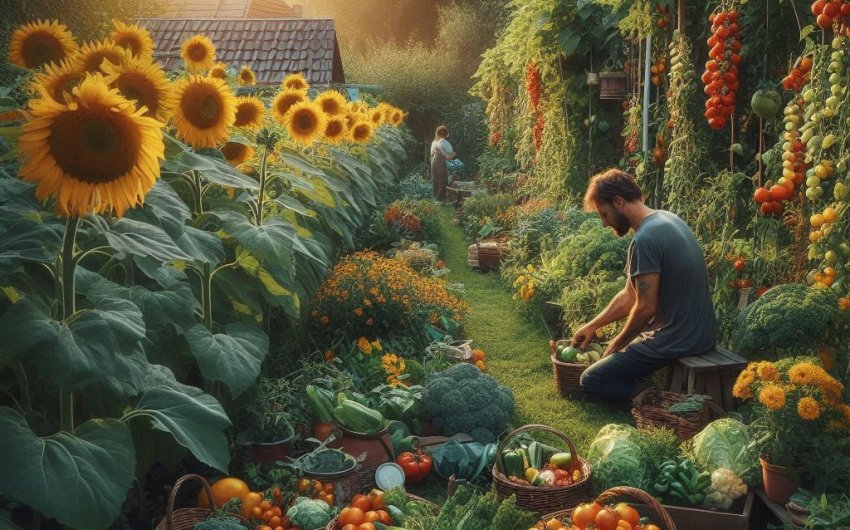
Late summer garden maintenance focuses on maximizing the current harvest, preparing for cooler weather crops, managing pests and diseases, and improving soil health for the next season. This period is crucial for extending your garden's productivity and setting the stage for future success.
Why is Late Summer Garden Maintenance Important?
Late summer, typically encompassing August and early September in many regions, is a pivotal time in the garden. It marks a transition from the peak abundance of mid-summer to the beginnings of fall. Proper maintenance during this period is essential for several reasons.
Maximizing Current Yields
Many summer crops like tomatoes, peppers, beans, and squash are still producing heavily in late summer. Good maintenance ensures they continue to thrive and produce their best until cooler weather truly sets in. This means:
- Sustained Production: Keeping plants healthy and productive through the end of their growing cycle.
- Preventing Waste: Harvesting produce at its prime and preventing spoilage on the vine or ground.
- Encouraging New Blooms: For many fruiting plants, continuous harvesting encourages new flower and fruit set.
Preparing for Fall and Winter
Late summer is not just about finishing the summer harvest; it's also about looking ahead.
- Planting Fall Crops: Many cool-season vegetables like lettuce, spinach, kale, and root crops can be planted now for a fall harvest.
- Garden Cleanup: Removing spent plants and debris helps prevent overwintering pests and diseases.
- Soil Amendment: Replenishing soil nutrients and improving structure prepares beds for future plantings.
- Winter Protection: For perennial plants, late summer is when you begin to think about preparing them for the dormant season.
Pest and Disease Management
Warmer temperatures and established plant growth in late summer can lead to an increase in pest populations and the spread of plant diseases. Vigilant maintenance helps keep these issues in check.
- Early Detection: Regular inspection allows for quick identification and treatment of problems before they become widespread.
- Preventative Measures: Implementing good cultural practices (e.g., proper spacing, watering) can reduce susceptibility to issues.
- Reducing Overwintering Pests: Cleaning up garden debris removes hiding spots for pests and disease spores.
Overall Garden Health
Consistent care throughout late summer contributes to the long-term health and vitality of your garden ecosystem.
- Nutrient Cycling: Continuous addition of organic matter enhances soil fertility.
- Weed Control: Keeping weeds at bay prevents them from competing with desired plants for resources and going to seed.
- Efficient Resource Use: Good practices ensure water and nutrients are used effectively by your plants.
How Do I Manage Watering in Late Summer?
Watering remains a critical aspect of late summer garden maintenance, especially as temperatures can still be high and plants are actively producing. Proper watering ensures plants don't stress and continue to yield.
Understanding Plant Needs
- Deep and Infrequent: The general rule of "deep and infrequent" watering still applies. This encourages roots to grow deeper, making plants more resilient to dry spells. Aim for about 1 inch of water per week, either from rain or irrigation.
- Monitor Soil Moisture: Don't just water on a schedule. Stick your finger 2-3 inches into the soil. If it feels dry, it's time to water. A Soil Moisture Meter can provide more accurate readings.
- Plants are Thirsty: Fruiting plants like tomatoes, cucumbers, and peppers are still very thirsty as they are developing and ripening fruit. Inadequate water can lead to blossom end rot (for tomatoes/peppers, a calcium uptake issue often exacerbated by inconsistent watering) or stunted, bitter produce.
Best Watering Practices for Late Summer
- Water in the Morning: Watering early in the day allows foliage to dry before nightfall, reducing the risk of fungal diseases. It also gives plants time to absorb water before the heat of the day causes rapid evaporation.
- Water at the Base of Plants: Avoid overhead watering that wets the leaves, as this can encourage fungal diseases. Use soaker hoses, drip irrigation, or water by hand directly at the soil line. A Drip Irrigation Kit is an excellent investment for consistent, efficient watering.
- Mulch, Mulch, Mulch: A 2-4 inch layer of organic mulch (straw, wood chips, shredded leaves) around your plants is invaluable. It conserves soil moisture by reducing evaporation, suppresses weeds, and moderates soil temperature. Organic Straw Mulch is a popular choice for vegetable gardens.
- Container Plants Need More Attention: Plants in pots dry out much faster than those in the ground. They may need daily watering in hot weather, sometimes even twice a day. Ensure containers have good drainage.
How Should I Fertilize My Garden in Late Summer?
Fertilizing in late summer depends on your plants' needs and whether they are still producing or transitioning. The goal is to sustain current growth and prepare the soil for future plantings.
Fertilizing Producing Plants
- Continue Feeding Heavy Feeders: Plants like tomatoes, peppers, squash, and corn that are still actively producing will benefit from continued feeding. Use a balanced fertilizer or one slightly higher in phosphorus and potassium to support fruit development.
- Diluted Applications: Instead of large, infrequent doses, consider more frequent applications of a diluted liquid fertilizer. This provides a steady nutrient supply without overwhelming the plants. Liquid Organic Fertilizer like fish emulsion or liquid seaweed can be great options.
- Top-Dressing: For perennial fruits or long-season vegetables, a light top-dressing of compost or worm castings can provide a slow release of nutrients as they continue to produce. Worm Castings Organic Fertilizer are gentle and nutrient-rich.
Fertilizing for Fall Crops
- Prepare Beds: If you're planting fall vegetables, enrich the soil in those beds with compost or a balanced organic granular fertilizer before planting. This gives the new crops a good start.
- Nitrogen for Leafy Greens: For leafy greens like lettuce, spinach, and kale, ensure there's enough nitrogen available to promote lush leaf growth. A balanced fertilizer or one slightly higher in nitrogen (like blood meal for organic gardeners) can be worked into the soil before planting.
What to Avoid
- Over-Fertilizing: Be careful not to over-fertilize, especially with high-nitrogen fertilizers, late in the season. This can encourage tender new growth that is vulnerable to early frosts.
- Fertilizing Dormant Plants: Don't fertilize perennial shrubs or trees that are preparing for dormancy. This can disrupt their natural cycle.
How Do I Manage Pests and Diseases in Late Summer?
Late summer often sees a surge in pest activity and disease outbreaks due to warm, humid conditions and mature plant growth. Vigilant management is key to preventing widespread problems.
Integrated Pest Management (IPM) Strategies
- Regular Inspection: Walk through your garden daily or every other day. Look at both the top and underside of leaves, stems, and fruits for any signs of pests (e.g., sticky residue, holes, visible insects) or diseases (e.g., spots, powdery mildew, wilting).
- Hand-Picking: For larger pests like tomato hornworms or squash bugs, hand-picking and dropping them into a bucket of soapy water is a highly effective organic method.
- Pruning Affected Parts: Immediately prune away any leaves or branches showing signs of fungal disease (e.g., powdery mildew, blight). Dispose of them in the trash, not your compost, to prevent spread. Sterilize your pruning shears after each cut with rubbing alcohol.
- Encourage Beneficial Insects: Plant flowers that attract beneficial insects (e.g., dill, fennel, marigolds, sweet alyssum) which prey on common garden pests. Avoid broad-spectrum pesticides that kill good bugs along with bad ones. A Beneficial Insect Attractant can help.
- Organic Pest Control: If an infestation is beyond hand-picking, consider organic sprays like neem oil, insecticidal soap, or horticultural oil. Always follow product instructions carefully. Organic Neem Oil Spray is effective against many soft-bodied pests.
- Maintain Good Air Circulation: Proper plant spacing and pruning (removing lower leaves on tomatoes, for example) improve airflow and reduce humidity around plants, deterring fungal diseases.
- Crop Rotation: While a long-term strategy, remembering to rotate crops annually helps break pest and disease cycles that reside in the soil.
- Clean Up Debris: Remove fallen leaves, spent flowers, and any diseased plant material from the garden beds promptly. This denies pests and disease spores overwintering sites.
Common Late Summer Pests and Diseases
- Spider Mites: Thrive in hot, dry conditions. Look for fine webbing and speckled leaves. Increase humidity and use insecticidal soap or neem oil.
- Aphids: Can still be a problem. Blast them off with a strong stream of water or use insecticidal soap.
- Squash Bugs: Often prevalent on squash and pumpkins. Hand-pick adults and egg clusters.
- Powdery Mildew: Common on cucurbits (squash, cucumbers). Looks like white powdery spots on leaves. Ensure good air circulation, prune affected leaves, or use a fungicidal spray (e.g., baking soda solution).
- Late Blight: Can devastate tomatoes and potatoes. Remove and destroy affected plants immediately. Choose resistant varieties next season.
What Are the Best Harvesting Practices for Late Summer?
Late summer is often a time of abundant harvests, and knowing when and how to pick your produce can maximize yields and extend the life of your plants.
Continuous Harvesting
- Pick Regularly: For many summer vegetables like beans, cucumbers, squash, peppers, and okra, continuous harvesting encourages the plant to produce more. If you leave ripe fruits on the plant, it signals to the plant to stop producing and focus on seed maturation.
- Check Daily: During peak production, aim to check your plants daily or every other day, especially for fast-growing crops like zucchini and cucumbers. They can go from perfect to oversized in a day!
- Harvest at Peak Ripeness: Learn the signs of ripeness for each crop.
- Tomatoes: Full color, slightly soft to the touch.
- Peppers: Fully colored, firm.
- Cucumbers/Zucchini: Good size, firm, often before seeds fully develop.
- Beans: Pods are plump but still tender and snap easily.
- Eggplant: Skin is shiny and firm.
Proper Harvesting Techniques
- Use Clean Tools: Use sharp pruning shears or a knife to harvest fruits and vegetables, rather than pulling or tearing. This prevents damage to the plant and potential entry points for diseases.
- Support the Plant: When cutting, hold the stem of the plant with one hand while you cut with the other to avoid accidentally breaking branches.
- Cool Down Quickly: After harvesting, cool your produce as quickly as possible (e.g., rinse with cool water, store in the fridge) to maintain freshness.
Dealing with Abundance
- Preservation: Late summer harvests often mean an abundance of produce. Consider preserving methods like freezing, canning, drying, or fermenting to enjoy your homegrown bounty throughout the year. A Canning Starter Kit can be a great investment.
- Share with Neighbors: If you have more than you can handle, share your harvest with friends, family, or local food banks.
How Do I Prepare for Fall Planting in Late Summer?
Late summer is the ideal time to plan and prepare for a fall vegetable garden, extending your harvest season into cooler months.
Succession Planting
- Identify Cool-Season Crops: Research which vegetables thrive in cooler temperatures and are suitable for a fall harvest in your region. Common choices include:
- Leafy Greens: Lettuce, spinach, kale, collards, arugula, Swiss chard.
- Root Vegetables: Carrots, radishes, beets, turnips.
- Brassicas: Broccoli, cabbage (though some require longer growing seasons).
- Herbs: Cilantro, parsley.
- Check "Days to Maturity": Calculate backward from your average first frost date to determine when you need to plant. Look for varieties with shorter "days to maturity" for a faster fall harvest.
- Stagger Plantings: For continuous harvests, make small succession plantings every 2-3 weeks.
Bed Preparation
- Clear Spent Summer Crops: Remove any summer plants that are finished producing or are heavily diseased. Chop up healthy, non-diseased plant material and add it to your compost pile.
- Weed Thoroughly: Remove all weeds from the planting area.
- Amend the Soil: Fall crops will benefit greatly from fresh nutrients.
- Add Compost: Work in a generous layer (2-4 inches) of finished compost. This improves soil structure, drainage, and provides a slow release of nutrients. Organic Composted Manure is also an excellent option.
- Balanced Organic Fertilizer: If your soil test indicates a need, incorporate a balanced organic granular fertilizer.
- Optional Soil Test: If you haven't done one recently, a late summer soil test can provide insights into what nutrients your soil might need for the fall and next spring.
- Loosen Soil: Gently fork or till the soil to a depth of 6-8 inches, especially if it's compacted, to create a loose environment for root growth.
Planting Fall Crops
- Direct Seeding: Many fall crops, especially leafy greens and root vegetables, are best direct-seeded into the garden bed.
- Transplants: For a quicker start or for crops with longer maturity times (like broccoli), consider using transplants from a nursery.
- Water In Well: After planting, water the newly seeded or transplanted area thoroughly.
- Provide Shade if Needed: If late summer heat waves are still occurring, provide temporary shade for newly planted seedlings to prevent stress.
How Do I Prepare My Perennial Plants and Garden Beds for Fall and Winter?
While annuals are winding down, late summer is also the time to start thinking about preparing your perennial plants, shrubs, and overall garden beds for the dormant season.
Perennial Care
- Deadheading (Continue): Continue to deadhead spent flowers on perennial plants to encourage re-blooming or tidy up their appearance. However, towards the very end of summer, you might leave some seed heads on for winter interest or to feed birds.
- Pruning (Light): Avoid heavy pruning of woody perennials and shrubs in late summer, as this can stimulate new growth that won't have time to harden off before frost. Only prune to remove dead, diseased, or damaged branches.
- Watering (Consistent): Continue consistent watering for perennials, especially evergreens, until the ground freezes. This helps them stay hydrated through winter.
- Dividing (Optional): Late summer/early fall is an ideal time to divide many perennials that have become overcrowded (e.g., hostas, daylilies, some ornamental grasses). This revitalizes the plant and gives you new plants.
General Garden Bed Cleanup
- Remove Spent Annuals: Once annual flowers and vegetables are completely finished producing or have succumbed to pests/diseases, remove them. This prevents them from harboring diseases or pests over winter.
- Weed Control (Ongoing): Continue to pull weeds, paying special attention to preventing them from going to seed, which would lead to more weeds next year.
- Clean Tools: Clean and sharpen your garden tools before storing them for winter. This prevents rust and ensures they are ready for spring.
- Prepare for Cover Crops: If you plan to sow a winter cover crop (e.g., winter rye, clover) to protect and enrich your soil over the cold months, prepare the beds now. Clear out old plants and lightly amend the soil before seeding. A Winter Cover Crop Seed Mix can be beneficial.
- Assess and Plan: Use late summer to assess your garden's performance this year. Note what worked well, what didn't, and what changes you want to make for next spring. This is a great time to start sketching out next year's garden plan.
By implementing these best practices for late summer garden maintenance, you'll not only enjoy a prolonged harvest but also set your entire garden up for a thriving and healthy season next year.