
How to Grow Lettuce in Winter Indoors?
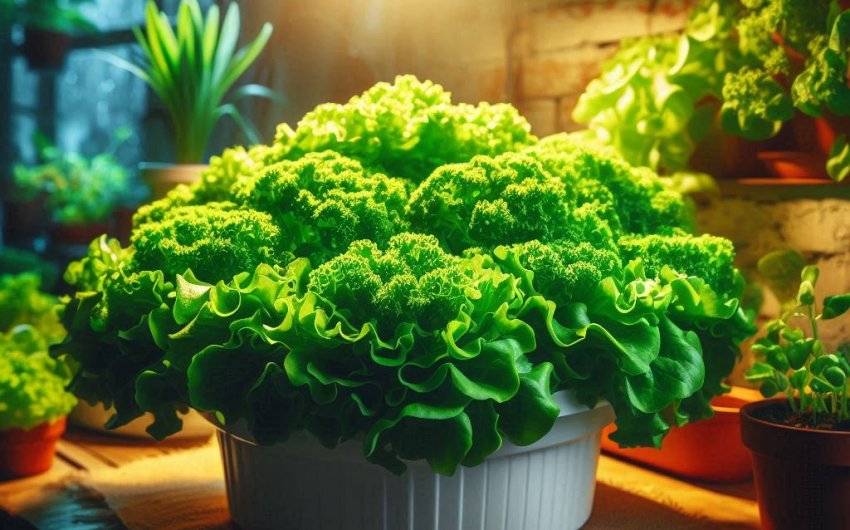
To grow lettuce in winter indoors, you'll need to provide adequate light, consistent temperatures, and appropriate growing conditions since natural winter sunlight is insufficient. This typically involves using grow lights, well-draining containers, and a consistent watering schedule to ensure a continuous supply of fresh greens.
Why Grow Lettuce Indoors in Winter?
Growing lettuce indoors during the colder months offers several compelling advantages for home gardeners and salad lovers.
- Fresh Produce Year-Round: Enjoy crisp, homegrown lettuce even when outdoor gardens are dormant.
- Cost Savings: Reduce your grocery bill, especially for organic or specialty greens.
- Convenience: Harvest fresh lettuce just steps away, whenever you need it.
- Pest and Disease Control: Indoor environments are generally more controlled, reducing issues with outdoor pests and diseases.
- Educational for Families: A great way to teach children about where their food comes from.
- Control Over Growing Conditions: You dictate the environment, ensuring optimal growth and quality.
- No Pesticides: You control what goes into your food, ensuring a truly organic crop if desired.
What Supplies Do You Need to Grow Lettuce Indoors?
Gathering the right supplies before you start will make the process of growing lettuce indoors in winter much smoother.
- Lettuce Seeds: Choose varieties suitable for indoor growing.
- Containers: Pots, trays, or even repurposed food containers with drainage.
- Potting Mix: Light, well-draining, and sterile.
- Grow Lights: Essential for providing sufficient light during short winter days.
- Watering Can or Spray Bottle: For consistent moisture.
- Optional: Heating mat, small fan, basic fertilizer.
What Are the Best Lettuce Varieties for Indoor Growing?
Not all lettuce varieties are created equal for indoor cultivation. Some are better suited to lower light conditions and container life.
- Loose-Leaf Varieties: These are excellent choices as you can harvest outer leaves continuously without waiting for a full head to form.
- 'Black Seeded Simpson': Fast-growing, light green, mild flavor.
- 'Salad Bowl' (Green or Red): Produces abundant, crinkled leaves.
- 'Grand Rapids': Another reliable, loose-leaf variety.
- Romaine Varieties: Some smaller romaine types do well.
- 'Parris Island Cos': A popular choice, though may require more space.
- 'Little Gem': A compact romaine, good for containers.
- Butterhead/Bibb Varieties: Known for their tender, buttery leaves.
- 'Buttercrunch': Forms a loose head with sweet, crisp leaves.
- Mixed Greens/Mesclun Blends: Often contain various lettuce types, providing diverse textures and flavors. Look for indoor or compact mixes.
Avoid large, heading varieties like iceberg, as they take up too much space and have longer growing times for indoor setups.
What Are the Ideal Growing Conditions for Indoor Lettuce?
To successfully grow lettuce in winter indoors, you need to replicate its preferred outdoor conditions as closely as possible, especially concerning light, temperature, and moisture.
Light
- Crucial in Winter: Natural winter sunlight is rarely enough for robust lettuce growth, especially in northern latitudes. Grow lights are essential.
- Types of Grow Lights:
- Fluorescent Lights (T5 or T8): Energy-efficient and provide good light for leafy greens. A T5 Grow Light is a popular choice.
- LED Grow Lights: More energy-efficient and long-lasting, with full-spectrum options available. Look for a LED Grow Light for Indoor Plants.
- Light Duration: Provide 10-14 hours of light per day. A simple Digital Timer for Grow Lights can automate this.
- Distance from Plants: Position lights 4-6 inches above the seedlings and adjust as plants grow to maintain this distance. This prevents legginess.
Temperature
- Cool-Season Crop: Lettuce prefers cooler temperatures.
- Ideal Range: 60-70°F (15-21°C) during the day and slightly cooler at night.
- Avoid Heat: Temperatures above 75°F (24°C) can cause lettuce to bolt (go to seed) and become bitter. Keep plants away from heating vents.
Humidity
- Moderate Humidity: Lettuce appreciates moderate humidity, around 40-60%.
- Increase Humidity (if needed): Use a pebble tray with water beneath the pots (ensure pots aren't sitting in water) or a small Plant Humidifier nearby.
Air Circulation
- Prevents Disease: Good air circulation helps prevent fungal diseases like damping-off.
- Small Fan: A small oscillating fan running on a low setting for a few hours a day can be beneficial.
What Type of Container and Potting Mix is Best?
The right container and potting mix are crucial for healthy root development and proper drainage.
Containers
- Size: Lettuce doesn't need deep pots. Containers 4-6 inches deep are sufficient. The width depends on how many plants you want to grow.
- Drainage Holes: Absolutely essential! Without them, roots will rot.
- Material:
- Plastic Pots/Trays: Lightweight, retain moisture well.
- Terracotta Pots: Porous, dry out faster, which can be good if you tend to overwater.
- Repurposed Containers: Yogurt containers, plastic tubs, milk jugs (cut in half) can work, provided you add drainage holes.
- Self-Watering Planters: These can be very convenient for consistent moisture. A Self-Watering Planter can save you time.
Potting Mix
- Light and Well-Draining: Use a high-quality, sterile potting mix formulated for containers. Do not use garden soil, which is too heavy and may contain pests or diseases.
- Moisture Retention: Look for mixes that hold moisture well but still drain freely.
- Nutrients: Many potting mixes come with a small amount of starter fertilizer.
- Amendments (Optional): You can add a bit of perlite for extra drainage or vermiculite for moisture retention if your mix seems too dense. Organic Potting Mix is a great choice.
How Do You Plant Lettuce Seeds Indoors?
Starting lettuce from seed indoors is straightforward and allows for continuous harvesting.
- Prepare Containers: Fill your chosen containers with moist potting mix, leaving about 1 inch from the rim.
- Sow Seeds: Lettuce seeds are tiny. You can sprinkle them lightly over the surface of the soil. If you want individual plants, space them about 1-2 inches apart.
- Cover Lightly: Gently cover the seeds with a very thin layer (about 1/8 to 1/4 inch) of potting mix or vermiculite. Lettuce seeds need some light to germinate, so don't bury them too deep.
- Water Gently: Lightly mist the surface with a spray bottle to avoid displacing the seeds.
- Provide Warmth (Optional): A heating mat can speed up germination, especially if your room is cool. Maintain temperatures around 65-70°F (18-21°C). Remove the mat once seeds sprout.
- Cover (Optional): You can cover the pots with a clear plastic dome or plastic wrap to create a mini-greenhouse effect and retain humidity. Remove once sprouted.
- Germination: Lettuce usually germinates in 7-14 days.
How Do You Care for Indoor Lettuce?
Consistent care is vital for a thriving indoor lettuce garden.
Watering
- Keep Consistently Moist: Lettuce needs consistent moisture but hates soggy roots.
- Feel the Soil: Water when the top inch of soil feels dry to the touch.
- Bottom Watering: Placing pots in a tray of water for 15-20 minutes allows the soil to wick up water from the bottom, which is excellent for even moisture.
- Avoid Overhead Watering: Try to avoid getting leaves too wet to prevent fungal issues. Use a small watering can with a narrow spout or water from the bottom.
Thinning
- Crucial for Growth: Once seedlings have 2-3 true leaves, thin them to their final spacing. This gives each plant enough room and resources.
- Spacing:
- Loose-leaf lettuce: 4-6 inches apart for full heads.
- Cut-and-come-again: 2-3 inches apart.
- How to Thin: Gently snip off weaker seedlings at the soil line with small scissors. Don't pull them, as this can disturb the roots of neighboring plants. The thinnings are edible!
Fertilizing
- Light Feeder: Lettuce doesn't need heavy feeding.
- Start with Rich Mix: If your potting mix contains a slow-release fertilizer, you might not need to fertilize for the first few weeks.
- Liquid Fertilizer: After a few weeks, use a balanced liquid fertilizer (like 5-5-5 or 10-10-10) diluted to half strength every 2-3 weeks. A Liquid Plant Food works well.
- Signs of Deficiency: Pale or yellowing leaves can indicate a need for nutrients.
Pruning and Maintenance
- Remove Yellow Leaves: Clip off any yellowing or damaged lower leaves to encourage new growth and improve air circulation.
- Monitor for Pests: Though less common indoors, check regularly for aphids or fungus gnats. Treat with insecticidal soap if necessary.
When and How to Harvest Indoor Lettuce?
Harvesting at the right time and with the correct method ensures continuous production from your indoor lettuce plants.
When to Harvest
- Ready in 3-4 Weeks: Loose-leaf varieties can be ready for their first harvest as early as 3-4 weeks after germination.
- Size: Harvest leaves when they are large enough to eat, but before they get too old and potentially bitter.
How to Harvest (Cut-and-Come-Again Method)
This method allows for multiple harvests from the same plant.
- Outer Leaves First: Harvest the larger, outer leaves from each plant. Leave the inner leaves and the growing point intact.
- Snip: Use clean scissors or your fingers to snip or pinch off leaves about an inch from the base.
- Regular Harvesting: Harvest as needed, generally every 1-2 weeks. This encourages the plant to produce more leaves.
- Full Plant Harvest (Optional): For heading varieties, you can cut the entire head off at the base once it's mature. This usually ends the plant's production.
Signs of Bolting
- Elongated Stem: The central stem will start to stretch upwards.
- Bitter Taste: Leaves become bitter as the plant puts energy into producing a flower stalk and seeds.
- Yellowing: Leaves might yellow and lose their crispness.
- Solution: Once lettuce bolts, it's best to remove the plant and start a new batch of seeds. Bolting is often triggered by high temperatures or insufficient light.
Troubleshooting Common Indoor Lettuce Problems
Even with careful planning, you might encounter some issues when growing lettuce in winter indoors.
Leggy Seedlings
- Cause: Not enough light or grow lights are too far away.
- Solution: Move grow lights closer (4-6 inches above seedlings). Increase light duration if necessary.
Yellowing Leaves
- Cause: Overwatering (most common), nutrient deficiency, or old lower leaves.
- Solution: Check soil moisture and ensure good drainage. Allow soil to dry slightly between waterings. If soil is fine, consider a light feeding. Remove old, yellowed leaves.
Bitter Lettuce
- Cause: Too warm temperatures, too much light intensity (can be rare with grow lights), or the plant is bolting.
- Solution: Move plants to a cooler spot. Adjust grow light intensity or duration if needed. If bolting, harvest immediately or remove the plant.
Slow Growth
- Cause: Insufficient light, lack of nutrients, or temperatures too cold.
- Solution: Ensure grow lights are at the correct distance and duration. Lightly fertilize. Check room temperature.
Fungus Gnats
- Cause: Overwatering and constantly moist soil. These small flies are attracted to damp conditions.
- Solution: Allow the top layer of soil to dry out between waterings. Use yellow sticky traps. Introduce beneficial nematodes if severe. Avoid watering from the top frequently.
Mold on Soil Surface
- Cause: Excess humidity and poor air circulation.
- Solution: Improve air circulation with a small fan. Water less frequently, allowing the top soil to dry. Skim off the mold, it's usually harmless to the plant but indicates overly wet conditions.
Advanced Tips for Indoor Lettuce Growing
For those looking to optimize their indoor lettuce production, consider these advanced techniques.
Succession Planting
- Continuous Harvest: Sow small batches of seeds every 2-3 weeks. This ensures you always have plants at different stages of growth, providing a continuous harvest rather than one large crop.
Hydroponics or Aquaponics
- Water-Based Growing: These methods can be highly efficient for growing lettuce indoors, often resulting in faster growth and larger yields. They eliminate soil, reducing pest issues.
- Supplies: This requires specialized equipment like hydroponic growing kits or aquaponics systems. A basic Hydroponic Grow Kit is a great starting point.
Seed Starting Trays with Domes
- Optimal Germination: Using dedicated Seed Starting Trays with Domes can create ideal humidity and warmth for germination, especially helpful in dry indoor environments.
Monitoring pH
- Soil pH: Lettuce prefers a slightly acidic to neutral soil pH, around 6.0 to 7.0. While most good potting mixes fall within this range, if you experience persistent growth issues, a Soil pH Test Kit can help diagnose problems.
The Joy of Growing Lettuce in Winter Indoors
Embracing the challenge of growing lettuce in winter indoors offers a truly rewarding experience. From the simple act of sowing a tiny seed to enjoying a crisp, fresh salad picked moments before dinner, you'll gain a deeper appreciation for your food. With the right setup and consistent care, you can turn a cold, dormant season into a vibrant, productive indoor garden, ensuring a steady supply of delicious, homegrown greens no matter what the weather outside brings.