
How to Plan a Garden That Blooms All Year Long?
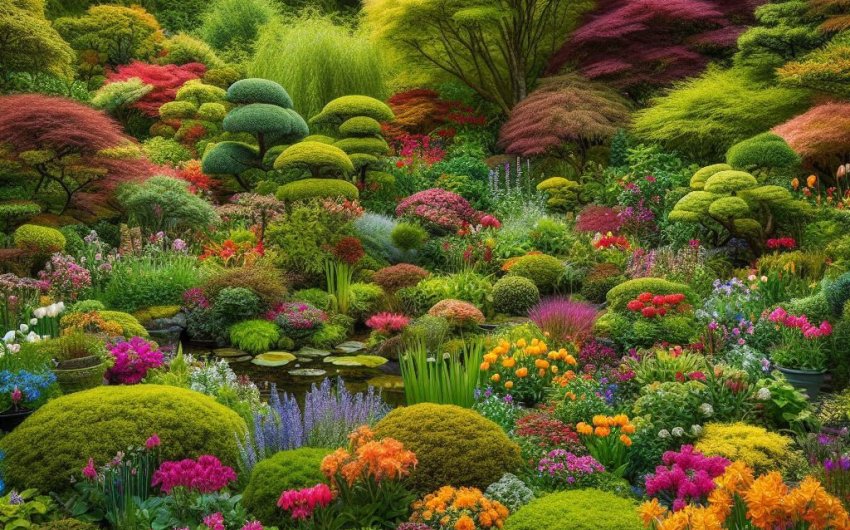
To plan a garden that blooms all year long, focus on selecting plants with staggered bloom times across all four seasons, incorporating evergreens for winter interest, and choosing varieties adapted to your specific climate zone. Strategic layering and attention to cultural needs are crucial for continuous color.
Why Plan for Year-Round Blooms?
Planning a garden that blooms all year long is an aspirational goal for many gardeners, and for good reason. It transforms your outdoor space from a seasonal show into a dynamic, ever-changing landscape that offers beauty, interest, and ecological benefits throughout every month of the year.
1. Continuous Aesthetic Appeal
- Beyond Summer: Most gardens burst with color in summer, but become dormant and drab in colder months. A year-round garden ensures there's always something beautiful to look at, even when snow is on the ground.
- Layered Interest: It creates depth and visual appeal through diverse textures, colors, and forms that evolve with the seasons, keeping your garden dynamic and engaging.
2. Enhanced Ecological Benefits
- Pollinator Support: Providing continuous blooms means a constant food source (nectar and pollen) for pollinators like bees, butterflies, and hummingbirds, who need sustenance even in early spring or late fall. This supports local biodiversity.
- Wildlife Habitat: A varied garden with plants blooming across seasons offers ongoing food and shelter for various wildlife, enriching your backyard ecosystem.
3. Personal Enjoyment and Well-being
- Joyful Observation: There's immense satisfaction in seeing your garden come alive, no matter the month. It provides a connection to nature and a source of joy even in the depths of winter.
- Stress Reduction: Spending time in nature, even just observing from a window, has proven benefits for mental health and stress reduction.
4. Increased Property Value
- Curb Appeal: A garden that looks vibrant and well-maintained year-round adds significant curb appeal and can increase the perceived value of your home.
5. Deeper Connection to Nature's Cycle
- Seasonal Awareness: It encourages a deeper appreciation for the subtle changes and offerings of each season, allowing you to observe the ebb and flow of nature firsthand.
Achieving a garden that blooms all year long requires thoughtful design, careful plant selection, and an understanding of seasonal transitions, but the rewards in beauty, biodiversity, and personal satisfaction are truly immense.
What is Your USDA Hardiness Zone and Why Does It Matter?
Understanding your USDA Hardiness Zone is the absolute foundational step when learning how to plan a garden that blooms all year long. This zone dictates which plants can reliably survive the winter temperatures in your specific location.
What is the USDA Hardiness Zone?
- Climate Map: The USDA Plant Hardiness Zone Map divides North America into 13 zones based on the average annual extreme minimum winter temperature. Each zone is further divided into "a" and "b" subzones (e.g., 6a, 6b).
- Temperature Range: Each zone represents a 10°F difference, and each subzone represents a 5°F difference.
- Purpose: It's a guide to help gardeners and growers determine which perennial plants (trees, shrubs, perennials, and bulbs that return year after year) are most likely to survive winter in their location.
Why Your Zone Matters for Year-Round Blooms:
- Survival of Perennials: If you plant a perennial that is not hardy to your zone (e.g., planting a Zone 7 plant in Zone 5), it will likely die during your winter, making year-round blooms impossible from that plant.
- Winter Interest: For a garden that blooms all year long, you need plants that can withstand your winter. Your hardiness zone directly informs which evergreens, winter-blooming shrubs, and cold-tolerant perennials can survive to provide interest in the colder months.
- Accurate Plant Selection: Every plant tag or online plant description will list the USDA hardiness zones where it thrives. This is your primary filter for selecting appropriate plants.
- Microclimates: While the zone map is a good general guide, remember that microclimates (small areas within a zone that are warmer or colder) can exist due to buildings, hills, or bodies of water. These can sometimes allow you to push the boundaries slightly, but always with caution.
How to Find Your Zone:
- Online Lookup: You can easily find your USDA Hardiness Zone by entering your zip code on the USDA Agricultural Research Service website or numerous gardening websites.
- Local Resources: Your local university extension office or a reputable local garden center can also provide your zone information and often have more localized knowledge about specific plant performance.
Before you buy a single plant, verify your USDA Hardiness Zone. It's the critical first filter in creating a resilient garden that reliably provides beauty through all four seasons and truly blooms all year long.
How Do You Select Plants for Continuous Blooms?
Selecting the right plants is the heart of how to plan a garden that blooms all year long. The secret lies in choosing plants with staggered bloom times across all four seasons, ensuring there's always something providing color or structure.
1. Know Your Bloom Seasons:
Break down your plant selection by when they provide their primary visual interest:
- Winter (Dec-Feb): Focus on plants hardy to your zone that offer evergreen foliage, colorful bark, interesting seed heads, or surprisingly early blooms.
- Spring (Mar-May): Bulbs, early perennials, and deciduous shrubs.
- Summer (Jun-Aug): Peak bloom time, with many perennials and annuals.
- Fall (Sep-Nov): Late-blooming perennials, ornamental grasses, and plants with colorful fall foliage or berries.
2. Prioritize Staggered Bloom Times:
- Successional Blooms: Choose plants that bloom consecutively. For example, when your crocuses fade, your daffodils begin, then your tulips, then your peonies, etc.
- Overlap: Aim for some overlap between bloom times to create seamless transitions and avoid gaps in color.
- Read Plant Tags: Pay close attention to the "Bloom Time" information on plant tags or in plant descriptions. This is critical for planning.
3. Incorporate Diverse Plant Types:
- Evergreens (Winter Structure): These are non-negotiable for year-round interest. Include evergreen shrubs, conifers, and groundcovers for structure, color, and texture in winter.
- Deciduous Shrubs with Multi-Season Interest: Choose shrubs that offer something in more than one season (e.g., spring flowers, fall foliage, winter berries, or interesting bark).
- Perennials: The backbone of continuous blooms. Select varieties with varying bloom times. Consider re-blooming perennials if available.
- Annuals: Use as fillers for continuous summer color, especially in gaps, or to bridge seasons. They provide instant, long-lasting color.
- Bulbs: Essential for early spring bursts and some late-season surprises.
- Ornamental Grasses: Provide texture, movement, and often good fall/winter seed heads and color.
4. Consider Color and Texture Beyond Blooms:
- Foliage Color: Plants with interesting foliage colors (e.g., purple heuchera, variegated hostas, golden sedum) add color even when not in bloom.
- Textural Contrast: Mix plants with different leaf shapes and textures (fine, coarse, spiky, feathery) for year-round interest.
- Bark and Stems: Some trees and shrubs offer vibrant bark color in winter (e.g., Red Twig Dogwood, Harry Lauder's Walking Stick).
- Berries and Seed Heads: Plants that produce colorful berries (e.g., hollies, viburnums) or attractive seed heads (e.g., sedum, coneflowers) extend visual interest into fall and winter.
By thoughtfully selecting plants based on their individual contributions to each season, you can build a vibrant tapestry of color and interest that truly blooms all year long.
What are Key Considerations for Each Season's Blooms?
To successfully plan a garden that blooms all year long, you need to think about your plant selections specifically through the lens of each season. Each period presents unique challenges and opportunities for color and interest.
1. Winter (December - February): The Foundation of Year-Round Interest
- Focus: Structure, texture, and subtle color. Actual blooms are a bonus.
- Plant Types:
- Evergreens: The backbone! Conifers (pine, spruce, juniper, arborvitae), broadleaf evergreens (holly, rhododendron, camellia, boxwood). They provide essential green, structure, and contrast against snow.
- Shrubs with Colorful Bark: Red twig dogwood (Cornus sericea), yellow twig dogwood (Cornus alba 'Baton Rouge'), corkscrew hazel (Corylus avellana 'Contorta').
- Plants with Persistent Berries/Seed Heads: Winterberry holly (Ilex verticillata - deciduous, but berries persist), sedum, ornamental grasses.
- Early Bloomers (in milder zones or sheltered spots): Hellebores (Lenten Rose), Winter Aconite (Eranthis hyemalis), Snowdrops (Galanthus nivalis), Witch Hazel (Hamamelis spp.).
- Key Consideration: Choose plants hardy for your zone's minimum winter temperature.
2. Spring (March - May): The Awakening
- Focus: Burst of color, bulbs, early emerging perennials.
- Plant Types:
- Bulbs: Crocuses, Daffodils, Tulips, Hyacinths, Alliums. Plant these in fall for spring show. Spring Bulb Mix.
- Early Perennials: Lenten Rose (Hellebore), Bleeding Heart (Dicentra spectabilis), Pulmonaria, Epimedium, Creeping Phlox.
- Deciduous Shrubs with Early Blooms: Forsythia, Azalea, Rhododendron, Spirea, Lilac.
- Spring Trees: Cherry blossoms, Magnolias, Dogwood.
- Key Consideration: Layer bulbs for continuous bloom (early, mid, late spring).
3. Summer (June - August): Peak Season
- Focus: Abundant blooms, lush foliage, filling in gaps.
- Plant Types:
- Perennials: Daylilies, Hostas, Coneflowers (Echinacea), Bee Balm (Monarda), Shasta Daisy, Delphinium, Phlox, Coreopsis, Black-Eyed Susan (Rudbeckia).
- Annuals: Petunias, Marigolds, Zinnias, Impatiens, Begonias, Salvia. Use these for non-stop color and to fill in where perennials fade. Annual Flower Seeds Mix.
- Shrubs: Hydrangeas, Roses, Spirea.
- Climbers: Clematis, Climbing Roses, Honeysuckle.
- Key Consideration: Choose plants with varied heights and textures for interest. Consider drought tolerance for hot summers.
4. Fall (September - November): The Grand Finale
- Focus: Rich colors, extended blooms, seed heads, colorful foliage.
- Plant Types:
- Late-Season Perennials: Asters, Chrysanthemums, Sedum ('Autumn Joy'), Anemone, Joe Pye Weed, Goldenrod.
- Ornamental Grasses: Many varieties offer fantastic texture and plumes that last into winter (Miscanthus, Panicum, Schizachyrium).
- Shrubs with Fall Foliage/Berries: Burning Bush (Euonymus alatus - check invasiveness locally), Sumac, Viburnum, Cotoneaster, Beautyberry (Callicarpa).
- Fall Trees: Maples, Oaks, Dogwoods, Serviceberry.
- Key Consideration: Plants that dry well and retain their form into winter for continued interest.
By strategically planning plant selections for each season, you ensure your garden maintains its allure and truly blooms all year long.
How Do You Design for Continuous Visual Interest (Beyond Blooms)?
A garden that truly blooms all year long isn't solely about flowers. It's about designing for continuous visual interest using a variety of plant characteristics that extend beauty beyond the fleeting peak of a bloom. This creates a rich tapestry that looks engaging in every season.
1. Form and Structure:
- Architectural Plants: Incorporate plants with strong, distinctive shapes that stand out, especially in winter. Think columnar conifers, weeping evergreens, or plants with interesting branching patterns.
- Layering: Design your garden with different heights. Place taller plants in the back, medium-sized in the middle, and shorter ones in the front. This creates depth and ensures all plants are visible.
- Hardscaping: Pathways, benches, birdbaths, and decorative pots provide permanent structure and focal points year-round, even when plants are dormant.
2. Foliage Texture:
- Variety is Key: Mix plants with different leaf textures to create contrast.
- Fine Texture: Feathery (ferns, some ornamental grasses, astilbe).
- Coarse Texture: Large leaves (hostas, cannas, some hydrangeas).
- Spiky/Bold: Yuccas, iris, some sedges.
- Fuzzy/Soft: Lamb's ear.
- Visual Interest: These textural differences are particularly important in winter when many plants are dormant, providing subtle beauty.
3. Foliage Color:
- Year-Round Color: Don't just rely on flowers for color. Many plants offer vibrant foliage hues that last all season or change dramatically in fall.
- Evergreen Golds/Blues: Golden junipers, blue spruces.
- Purples/Reds: Purple fountain grass, burgundy heuchera, Japanese maples (fall).
- Variegated Leaves: Hostas with white or yellow variegation, variegated dogwoods.
- Seasonal Shifts: Plan for dynamic foliage changes from spring to fall.
4. Bark and Stem Interest:
- Winter Show: Some deciduous trees and shrubs provide stunning color and texture in winter when their leaves have dropped.
- Colorful Bark: Red-twig dogwood (vibrant red stems), yellow-twig dogwood, paperbark maple (exfoliating cinnamon bark), river birch (shredding bark).
- Interesting Forms: Contorted hazelnut (Harry Lauder's Walking Stick), weeping willow.
5. Berries and Seed Heads:
- Fall & Winter Food Source: Many plants produce colorful berries or attractive seed heads that persist into the colder months, providing food for birds and visual interest.
- Examples: Winterberry holly (bright red berries on bare branches), beautyberry (striking purple berries), sedum (dried flower heads), ornamental grasses (plumes).
By consciously designing with these elements in mind, you ensure your garden is not just a seasonal spectacle but a captivating landscape that provides continuous visual interest and truly blooms all year long, regardless of whether there's a flower in sight.
How Does Hardscaping Enhance Year-Round Garden Appeal?
While the focus of how to plan a garden that blooms all year long is heavily on plants, hardscaping plays a crucial and often overlooked role in enhancing continuous garden appeal. It provides the permanent structure, definition, and functionality that remains steadfast through all seasons, even when plants are dormant.
1. Provides Permanent Structure and Bones:
- Year-Round Definition: Hardscaping elements like pathways, patios, retaining walls, and raised beds define the garden's layout and provide its "bones" throughout the year. When deciduous plants shed their leaves and perennials die back, these structures maintain the garden's form and visual flow.
- Focal Points: Features like stone benches, arbors, pergolas, or water features (ponds, fountains) act as permanent focal points that draw the eye even in winter, providing interest when blooms are scarce.
- Winter Contrast: The texture and color of stone, wood, or metal provide a beautiful contrast against snow or bare branches in winter, highlighting the unique beauty of the colder months.
2. Enhances Functionality and Usability:
- All-Season Access: Well-designed pathways allow you to access and enjoy your garden comfortably in all seasons, whether for winter walks, spring bulb viewing, or fall cleanup.
- Outdoor Living Spaces: Patios and decks extend your living space outdoors year-round, providing a place to observe your evolving garden. Fire pits or outdoor heaters can make these spaces usable even on crisp days.
- Raised Beds: Beyond functionality for planting, raised beds provide clean lines and a strong visual element year-round, acting as permanent garden rooms.
3. Creates Visual Rhythm and Flow:
- Guiding the Eye: Pathways and edges guide the viewer's eye through the garden, creating a sense of movement and discovery regardless of the seasonal planting.
- Defining Spaces: Hardscaping helps define different areas within the garden, giving it a sense of organization and purpose even when dormant.
4. Supports Seasonal Planting:
- Containers: Strategically placed decorative pots and planters (hardscaping elements themselves) can be swapped out with seasonal plantings. For instance, winter evergreens or cold-tolerant pansies can fill pots that held summer annuals, maintaining a pop of color.
- Trellises/Arbors: Permanent trellises or arbors can support vines that offer seasonal blooms (e.g., clematis in spring/summer) or interesting winter structure (e.g., dormant wisteria vines).
By thoughtfully integrating hardscaping into your garden design, you create a robust framework that supports and elevates your plant selections, ensuring that your garden possesses continuous visual interest and genuinely blooms all year long (even when it's not actually blooming, it still looks stunning!).
What Role Does Garden Maintenance Play in Year-Round Blooms?
Even the best-laid plans for a garden that blooms all year long will falter without consistent and appropriate garden maintenance. Proper care ensures plants perform their best, prolongs bloom times, and allows new seasons of interest to emerge successfully.
1. Regular Deadheading and Pruning:
- Prolongs Blooms: For many perennials and annuals, deadheading (removing spent flowers) encourages the plant to produce more blooms instead of putting energy into seed production. This extends their flowering season.
- Rejuvenates: Strategic pruning can encourage a second flush of blooms for some plants or maintain plant shape and health.
- Remove Spent Foliage: Removing diseased or dying foliage prevents the spread of pathogens and keeps the garden looking tidy.
2. Consistent Watering:
- Hydration for Blooms: All plants need adequate water to thrive and produce flowers. Drought stress can cause plants to stop blooming prematurely or delay new blooms.
- Deep Watering: Water deeply and less frequently to encourage strong root systems.
- Adjust Seasonally: Watering needs change dramatically throughout the year. Less in winter, more in hot summer months.
3. Appropriate Fertilization:
- Nutrient Support: Plants need nutrients to support continuous blooming.
- Balanced Feeding: Use a balanced fertilizer during the growing season. For specific plants, tailor fertilization to their needs (e.g., bloom-boosting formulas for heavy flowerers).
- Soil Tests: Periodically test your soil to know its nutrient deficiencies.
4. Mulching:
- Moisture Retention: A layer of organic mulch around plants helps conserve soil moisture, reducing watering needs.
- Weed Suppression: Mulch suppresses weeds, reducing competition for water and nutrients.
- Temperature Regulation: Insulates roots, keeping them cooler in summer and warmer in winter, reducing plant stress.
- Soil Improvement: As organic mulch breaks down, it slowly adds organic matter, improving soil structure and fertility over time.
5. Pest and Disease Management:
- Regular Inspection: Monitor your plants frequently for early signs of pests or diseases. Early detection allows for prompt, often organic, intervention.
- Healthy Plants Resist: Healthy, well-maintained plants are inherently more resistant to pests and diseases.
6. Fall Cleanup and Winter Protection:
- Remove Debris: A thorough fall cleanup removes diseased plant material and hiding spots for pests.
- Winter Protection: For borderline hardy plants, applying a layer of mulch around the crown or providing physical protection can help them survive winter and return for spring blooms.
By committing to consistent and thoughtful garden maintenance throughout the year, you support your carefully selected plants, ensuring they remain healthy, productive, and truly able to bloom all year long.
How Can Garden Lighting Extend Enjoyment of Year-Round Blooms?
While the focus of how to plan a garden that blooms all year long is about plant selection and seasonal interest, garden lighting plays a transformative role in extending your enjoyment of that continuous beauty into the evening and through darker months. It brings your meticulously planned garden to life after sunset.
1. Highlights Seasonal Interest:
- Evening Display: Lighting allows you to appreciate your garden's changing beauty long after the sun goes down. Early spring bulbs, summer perennials, fall foliage, or striking winter evergreens can all be dramatically illuminated.
- Focal Points: Use spotlights to accentuate specific architectural plants, interesting statues, or hardscaping features that provide year-round structure.
- Texture and Form: Lighting creates shadows and highlights, emphasizing the unique textures of bark, foliage, or dried seed heads, bringing out details you might miss during the day.
2. Extends Usable Outdoor Living Space:
- Patio/Deck Lighting: Well-placed lighting around patios and decks creates inviting outdoor living areas that can be used comfortably in the evenings, even during cooler seasons.
- Pathways: Illuminating pathways with path lights not only adds safety but also draws the eye and encourages exploration of the garden after dark.
3. Enhances Safety and Security:
- Visibility: Good lighting around walkways, steps, and entry points improves safety, preventing trips and falls.
- Deterrent: A well-lit garden can deter unwanted visitors, adding a layer of security to your property.
4. Creates Ambiance and Mood:
- Atmosphere: Strategic lighting can create a magical, serene, or dramatic ambiance in your garden, transforming the mood of your outdoor space.
- Layered Lighting: Combine different types of lighting (downlighting from trees, uplighting on features, soft pathway lights, subtle string lights) to create depth and visual interest.
Types of Garden Lighting to Consider:
- Spotlights: For highlighting specific features.
- Path Lights: To illuminate walkways.
- Well Lights/In-Ground Lights: For uplighting trees or providing subtle ground illumination.
- String Lights: For creating a festive and inviting atmosphere on patios or pergolas. Outdoor LED String Lights.
- Deck Lights: Small, unobtrusive lights for steps or railing.
- Solar Lights: Easy to install, but may not provide consistent brightness. Solar Pathway Lights.
- Low-Voltage LED Systems: Energy-efficient, customizable, and often professionally installed for consistent, high-quality lighting.
By thoughtfully integrating garden lighting into your design, you not only make your garden more accessible and safer but also allow its continuous beauty and structure to be appreciated well beyond daylight hours, truly making your garden enjoyable all year long.
What is the Importance of a Garden Journal for Year-Round Blooms?
For anyone serious about how to plan a garden that blooms all year long, keeping a garden journal is an invaluable and often overlooked tool. It acts as your personal garden historian and strategist, providing the insights needed to refine your plantings season after season.
1. Tracking Bloom Times:
- Accurate Records: The most direct benefit for year-round blooms. You can record the exact dates each plant starts and stops blooming in your specific garden. This is far more accurate than general plant tag information.
- Identify Gaps: Over time, your journal will clearly show you where the "gaps" in bloom are in your garden (e.g., late July has a lull, or early March is still bare). This helps you select plants to fill those specific voids.
- Successional Planning: Enables you to plan for true successional blooming, where one plant fades as another begins, creating a seamless flow of color.
2. Observing Seasonal Changes:
- Foliage & Bark Interest: Beyond flowers, note when deciduous plants drop their leaves, when bark color intensifies, or when berries appear. This helps you appreciate and plan for non-floral winter interest.
- Plant Vigor: Document when plants look their best, when they start to decline, or when they emerge in spring.
3. Pest and Disease Monitoring:
- Early Detection: Note the first appearance of any pests or diseases, what plants they affected, and what treatments you applied.
- Prevention: Over time, you'll identify patterns (e.g., "spider mites always appear on my petunias in late July"). This allows you to proactively apply preventative measures next season.
4. Learning About Microclimates:
- Personalized Insights: You'll discover specific microclimates within your own garden (e.g., "this corner is always warmer," "that spot stays wet longer"). The journal helps you track how plants perform in these specific areas, informing future planting choices.
5. Tracking Maintenance and Inputs:
- Fertilizing/Watering: Record when and what fertilizers you apply, and adjust watering schedules based on plant response and weather.
- Pruning/Deadheading: Note when you perform maintenance tasks and how they impact re-blooming or plant health.
6. Documenting Successes and Failures:
- What Works: Celebrate and record which plant pairings thrive, which varieties perform exceptionally well for continuous blooms, and what design choices look best.
- What Doesn't: Crucially, learn from failures. Which plants didn't survive winter? Which didn't bloom as expected? This prevents repeating mistakes.
How to Keep a Garden Journal:
- Format: A simple notebook, a binder with loose-leaf paper, or a dedicated Garden Journal Planner.
- What to Record: Dates, plant names, observations, photos, sketches, maintenance notes, weather conditions.
- Consistency: The key is to make regular entries, even short ones.
By consistently documenting your garden's journey, a garden journal becomes an indispensable tool, allowing you to continually refine your strategy for how to plan a garden that blooms all year long, ensuring increasing beauty and success each year.