
How to Create an Organic Garden That Attracts Birds?
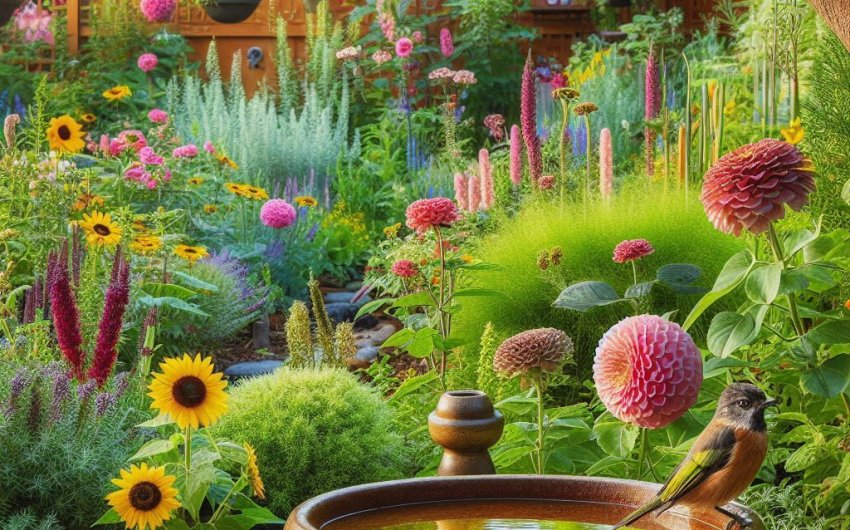
To create an organic garden that attracts birds, focus on providing the four essential elements birds need: food, water, shelter, and nesting sites, all while adhering to organic practices. This involves planting native species that offer diverse food sources and habitats, avoiding pesticides, and integrating water features for drinking and bathing.
Why Create an Organic Garden That Attracts Birds?
Designing your garden with birds in mind, especially using organic methods, offers a multitude of benefits for both you and the environment.
- Biodiversity Boost: You support local ecosystems by providing a safe haven for birds, which in turn helps control insect populations and aids in pollination.
- Natural Pest Control: Many birds feed on common garden pests like aphids, caterpillars, and slugs, reducing the need for chemical pesticides.
- Reduced Chemical Exposure: An organic approach means no harmful pesticides or synthetic fertilizers, making your garden safer for birds, pets, and your family.
- Year-Round Beauty: A bird-friendly garden often incorporates a variety of plants, offering continuous visual interest through changing seasons.
- Relaxation and Enjoyment: Observing birds in your garden provides a peaceful, engaging hobby.
- Environmental Stewardship: You contribute to conservation efforts by restoring natural habitats, especially important as wild spaces shrink.
What Do Birds Need in a Garden?
To attract birds to your organic garden, you must provide for their fundamental needs. Think of your garden as a mini-habitat that offers everything they require to survive and thrive.
Food
- Seeds: Many birds rely on seeds from various plants.
- Berries: A crucial food source, especially in fall and winter.
- Nectar: Attracts hummingbirds and orioles.
- Insects: Essential protein for nesting birds and their young. An organic garden will naturally have more insects.
- Supplemental Feeders: Bird feeders can augment natural food sources.
Water
- Drinking: All birds need fresh water daily.
- Bathing: Water helps birds keep their feathers clean and insulated.
- Accessibility: Water sources should be shallow and safe from predators.
Shelter
- Protection from Predators: Dense shrubs and trees offer places to hide.
- Protection from Elements: Shelter from wind, rain, and extreme temperatures.
- Roosting Sites: Safe places for birds to sleep overnight.
Nesting Sites
- Diverse Structures: Trees, shrubs, vines, and even specialized birdhouses provide places for birds to build nests.
- Nesting Materials: Dead leaves, twigs, plant fibers, and even spider silk.
How Do You Choose Plants for a Bird-Friendly Organic Garden?
Selecting the right plants is the cornerstone of creating an organic garden that attracts birds. Focus on native plants and those that provide diverse food and shelter.
Prioritize Native Plants
- Ecological Balance: Native plants are best adapted to your local climate and soil, requiring less water and fewer inputs.
- Food for Native Insects: They support the native insect populations that birds evolved to eat.
- Familiar Food and Shelter: Birds in your region are accustomed to finding food and shelter from native plants.
Offer Diverse Food Sources
- Seed Producers:
- Sunflowers: Goldfinches, chickadees love the seeds.
- Coneflowers (Echinacea): Finches are attracted to the seeds.
- Native Grasses: Provide seeds and cover.
- Asters, Goldenrod: Offer late-season seeds.
- Berry Producers:
- Serviceberry: Early summer berries.
- Elderberry: Dark berries enjoyed by many species.
- Holly (Native varieties): Berries persist into winter.
- Dogwood: Berries eaten by many songbirds.
- Virginia Creeper (native vine): Provides berries and dense cover.
- Nectar Plants:
- Trumpet Vine (Campsis radicans): Hummingbirds love it.
- Columbine: Nectar for hummingbirds.
- Penstemon, Bee Balm (Monarda): Attracts hummingbirds.
- Insect Attractors: Healthy, diverse plants will naturally host a variety of insects, which are crucial, especially during nesting season.
- Oaks (Quercus spp.): Host hundreds of caterpillar species.
- Cherries (Prunus spp.), Willows (Salix spp.): Also excellent for insect support.
Provide Layered Structure for Shelter
Birds need different heights for foraging, perching, and nesting.
- Canopy Layer: Large native trees (oaks, maples, pines) for nesting, roosting, and shelter.
- Understory Layer: Smaller trees and large shrubs (dogwood, serviceberry, redbud) for mid-level shelter and food.
- Shrub Layer: Dense native shrubs (holly, viburnum, elderberry) for hiding from predators and nesting.
- Perennial Layer: Native wildflowers and grasses provide seeds, insects, and low cover.
- Ground Cover: Areas of leaf litter or low-growing plants for ground-foraging birds.
Leave Some Dead Wood and Plant Material
- Snags: A standing dead tree (if safe) provides nesting cavities for woodpeckers and other birds, and attracts insects for food.
- Brush Piles: A simple pile of branches and leaves offers immediate shelter and nesting sites for ground-dwelling birds.
- Seed Heads: Leave spent flower heads on plants over winter for birds to forage on.
How Do You Incorporate Water Features for Birds?
Water is a magnetic draw for birds, especially if you want to attract them to your organic garden.
Bird Baths
- Location: Place in a quiet spot, ideally within a few feet of dense shrubbery for quick escape, but not so close that predators can ambush.
- Shallow Depth: Birds prefer shallow water. The water should be no deeper than 1-2 inches at the edges, gradually sloping to a maximum of 3 inches in the center. Add some small stones for perching.
- Cleanliness: Most important. Clean daily or every other day with a stiff brush and rinse thoroughly. Algae and mosquito larvae can build up quickly.
- Movement: Birds are attracted to moving water.
- Drippers or Mister: A simple Bird Bath Dripper or Bird Bath Mister creates ripples.
- Solar Fountain: A Solar Bird Bath Fountain Pump can add movement.
- Winter Water: In freezing climates, use a Heated Bird Bath to provide a vital water source.
Ponds or Water Gardens
- Natural Appeal: Larger water features offer a more naturalistic drinking and bathing source.
- Safety: Ensure gentle slopes or shallow areas for birds to access safely.
- Fish (Optional): Can help control mosquito larvae.
What Organic Practices Should You Follow?
Maintaining an organic garden that attracts birds means strictly avoiding synthetic chemicals and embracing natural methods.
Say NO to Pesticides and Herbicides
- Harmful to Birds: Pesticides (insecticides, fungicides, herbicides) can directly poison birds through ingestion, or indirectly by eliminating their food sources (insects) and nesting materials.
- Disrupts Food Chain: By killing insects, you remove a crucial protein source, especially for nestlings.
- Embrace Natural Control: Allow natural predators (like birds themselves, ladybugs, lacewings) to manage pests. A healthy ecosystem is a balanced one.
Build Healthy Soil
- Compost: Incorporate plenty of organic compost. It improves soil structure, water retention, and nutrient availability. A Compost Bin is a great investment.
- Organic Fertilizers: Use natural fertilizers like aged manure, bone meal, or organic granular fertilizers if needed. These feed the soil life, which in turn feeds the plants.
- Mulch: Apply organic mulch (wood chips, straw, shredded leaves) to suppress weeds, retain moisture, and regulate soil temperature.
Water Efficiently
- Conserve Water: Use drip irrigation or soaker hoses to deliver water directly to plant roots, reducing waste and preventing fungal diseases.
- Rain Barrels: Collect rainwater for irrigation. A Rain Barrel is environmentally friendly.
Manage Weeds Organically
- Hand-Pulling: The simplest and most direct method.
- Mulch: A thick layer of mulch is effective at suppressing weeds.
- Companion Planting: Some plants can naturally deter weeds or help neighboring plants.
How Can You Provide Supplemental Food for Birds?
While a natural, organic garden is the best long-term food source, bird feeders can offer supplemental nutrition, especially during harsh weather or migration.
Types of Bird Feeders
- Seed Feeders:
- Hopper Feeders: Protect seeds from weather.
- Tube Feeders: Good for smaller seeds and birds like finches, chickadees.
- Platform Feeders: Attract a wide variety of birds but leave seed exposed.
- Suet Feeders: Offer high-energy suet cakes, particularly valuable in winter. A Suet Feeder is popular.
- Nectar Feeders: Specifically for hummingbirds. Use a 4:1 sugar-to-water solution (no red dye). A Hummingbird Feeder adds vibrant color.
- Nyjer (Thistle) Feeders: Designed for tiny thistle seeds, attracting finches. A Thistle Feeder is best.
Types of Bird Food
- Black Oil Sunflower Seeds: A universal favorite, high in fat and protein.
- Nyjer (Thistle) Seed: Attracts finches.
- Safflower Seed: Less attractive to squirrels and grackles.
- Cracked Corn: Ground-feeding birds like juncos and doves.
- Suet: Rendered animal fat, crucial winter energy source.
- Nectar: Homemade or commercial hummingbird nectar.
- Peanuts: Shelled or unshelled, high in fat.
Feeder Placement
- Visibility: Place feeders where you can easily see them from indoors.
- Safety: Position feeders close enough to cover (shrubs, trees) for quick escape from predators, but not so close that squirrels can jump to them. A few feet away is often ideal.
- Predator Protection: Consider baffles on poles to deter squirrels.
- Cleaning: Clean feeders regularly (every 1-2 weeks) to prevent disease spread. Use a weak bleach solution (1 part bleach to 9 parts water), rinse thoroughly, and air dry.
How Can You Provide Nesting Sites and Materials?
Birds need safe places to raise their young. Your organic garden can offer diverse options.
Natural Nesting Sites
- Dense Shrubs and Trees: Provide natural structure for nests.
- Vines: Climbing vines on trellises or walls can offer secluded nesting spots.
- Leaving Plant Debris: Don't be too tidy! Leave dead leaves, small twigs, and plant fibers around, as birds use them for nesting material.
- Mud: A patch of exposed mud can be a valuable resource for species like barn swallows or robins building nests.
Birdhouses
- Species-Specific: Different birds prefer different hole sizes, internal dimensions, and mounting heights. Research which birds you want to attract.
- Material: Untreated wood is best. Avoid metal or plastic houses that can overheat.
- Location:
- Facing: Orient away from prevailing winds.
- Height: Follow recommendations for the target species.
- Proximity: Place away from high-traffic areas and feeders to avoid disturbance.
- Predator Guards: Install baffles or cone-shaped guards below the house to deter squirrels and raccoons.
- Cleaning: Clean birdhouses annually in late winter or early spring before nesting season begins, removing old nesting material.
Nesting Material Stations
- Offer Materials: You can provide a small mesh bag or cage filled with:
- Pet hair (untreated)
- Cotton scraps (unprocessed, natural)
- Twine or yarn pieces (less than 6 inches long to prevent tangling)
- Dried grass clippings
- Small twigs
- Pine needles
- Spanish moss
Designing Your Bird-Friendly Organic Garden Layout
Thoughtful garden design enhances its appeal to birds and your enjoyment of it.
Create Layers
- As mentioned, different plant heights provide diverse micro-habitats. Think of ground cover, herbaceous layer, shrub layer, and tree layer.
Group Plants
- Planting in clusters or masses provides better cover and a more abundant food source than scattered individual plants.
Include Evergreens
- Evergreen trees and shrubs offer crucial year-round shelter, especially in winter.
Consider Proximity to Your Home
- Place feeders and bird baths where you can enjoy watching the birds.
- Ensure enough distance from windows to prevent collisions, or use window decals to make glass visible to birds. Window Decals to Prevent Bird Strikes can save lives.
Allow for "Messy" Areas
- Resist the urge to be overly tidy. A small patch of unraked leaves, a brush pile, or even leaving some weeds (if non-invasive) can provide valuable resources for birds and insects.
Use Rock Features
- Rocks can provide perching spots, basking areas for birds, and shelter for insects.
Long-Term Benefits of a Bird-Friendly Organic Garden
The effort you put into creating an organic garden that attracts birds yields lasting rewards far beyond immediate beauty. You become an active participant in local conservation, fostering a healthier, more balanced ecosystem right in your backyard. Your garden will not only be a vibrant oasis for birds but also a source of continuous enjoyment and connection with nature for you and your family. The sustained presence of diverse birdlife, attracted by your thoughtful, organic practices, is the ultimate testament to a truly successful garden.