
Why Organic Mulching Improves Soil Fertility?
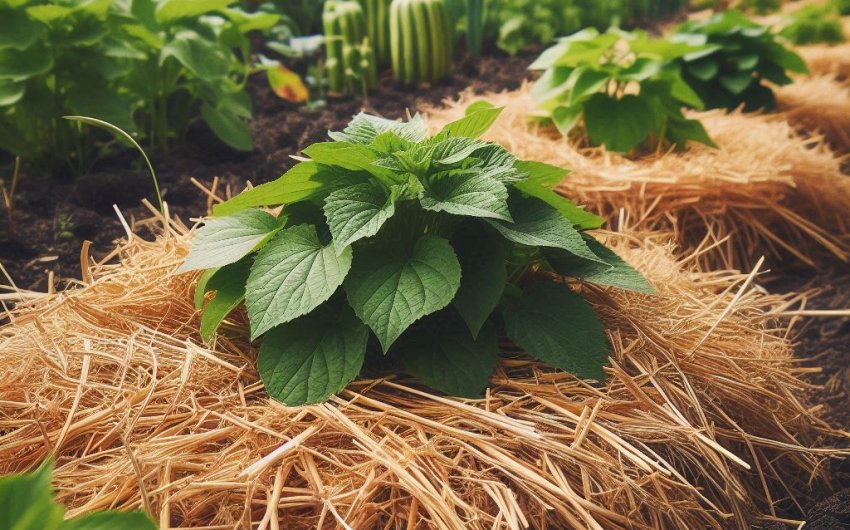
Organic mulching significantly improves soil fertility by steadily releasing nutrients as it decomposes, enriching the soil with organic matter, and fostering a vibrant underground ecosystem. This natural process is a cornerstone of healthy and productive gardening, mimicking how nature builds healthy soil.
What is Organic Mulch and Why is it Important for Soil?
Organic mulch refers to any natural material placed on the soil surface around plants. Unlike inorganic mulches (like plastic or gravel), organic mulches break down over time, directly contributing to the health and fertility of your garden soil.
What Makes Organic Mulch So Beneficial?
- Decomposition and Nutrient Release: This is the core reason organic mulching improves soil fertility. As organic materials break down, they release essential plant nutrients (nitrogen, phosphorus, potassium, micronutrients) into the soil, making them available to plant roots. It's like a slow-release fertilizer.
- Adds Organic Matter: As mulch decomposes, it becomes humus, a stable form of organic matter that fundamentally improves soil structure. Organic matter is the "glue" that holds soil particles together in healthy aggregates, creating pore spaces for air and water.
- Feeds Soil Life: Organic mulches provide food for a vast array of beneficial soil organisms – bacteria, fungi, worms, insects, and more. These organisms are the true workers of the soil, responsible for nutrient cycling, creating soil structure, and suppressing diseases.
- Moisture Retention: A layer of mulch acts as a barrier, reducing water evaporation from the soil surface. This means you water less frequently, conserving water and ensuring plants have consistent moisture.
- Temperature Regulation: Mulch insulates the soil. It keeps soil cooler in summer, preventing roots from overheating, and warmer in winter, protecting plants from extreme cold. This stable temperature is also beneficial for soil microbes.
- Weed Suppression: A thick layer of mulch blocks sunlight, preventing weed seeds from germinating and smothering existing small weeds. Fewer weeds mean less competition for your plants' water and nutrients, and less work for you!
- Erosion Control: Mulch protects the soil from the impact of heavy rain and wind, preventing erosion and keeping valuable topsoil in place.
- Reduces Soil Compaction: Mulch creates a protective layer that prevents rain and foot traffic from compacting the soil, maintaining good aeration.
- Cleaner Produce: For edibles, mulch prevents soil from splashing onto leaves and fruits during watering or rain, resulting in cleaner produce.
How Does Organic Mulch Improve Soil Structure?
One of the most profound ways organic mulching improves soil fertility is by enhancing its physical structure. Healthy soil structure is fundamental to plant growth.
The Impact of Organic Matter on Soil Structure
As organic mulch breaks down, it forms humus, a stable, dark, spongy material. Humus is incredibly important for soil structure.
- Aggregation: Humus acts like a glue, binding tiny soil particles (sand, silt, clay) together into larger clumps called aggregates.
- Think of it like building blocks: individual soil particles are small, but when bound into aggregates, they create stable, larger structures.
- Pore Space Creation: When soil forms aggregates, it creates a network of diverse pore spaces – large macropores (for air and water movement) and small micropores (for water retention).
- Improved Aeration: More macropores mean better air circulation to plant roots and soil microbes. Roots need oxygen to breathe, and beneficial aerobic bacteria thrive with good air.
- Enhanced Water Infiltration and Drainage: Water can penetrate the soil more easily and drain through effectively, preventing waterlogging.
- Increased Water Retention: The micropores within the aggregates act like tiny sponges, holding onto water for longer periods, even in sandy soils. This is especially vital in dry spells.
- Reduced Compaction: Soil with good structure is less prone to compaction from rain, foot traffic, or machinery. The aggregates help the soil resist being pressed down.
- Better Root Penetration: Roots can grow and spread more easily through well-structured soil with ample pore space, allowing them to access water and nutrients more efficiently.
In essence, organic mulch transforms dense, lifeless soil into a living, breathable, and water-efficient medium. This improved structure provides the ideal physical environment for robust plant growth and efficient nutrient cycling.
What is the Role of Soil Microbes in Mulch Decomposition and Fertility?
The true magic behind how organic mulching improves soil fertility lies beneath the surface, in the teeming world of soil microorganisms. These unseen helpers are the engines of decomposition and nutrient cycling.
The Underground Workforce: Microbes and Mulch
Organic mulch is a feast for soil microbes, including bacteria, fungi, protozoa, nematodes, and larger organisms like earthworms.
- Decomposition Factories: Microbes are the primary decomposers. They break down the complex organic compounds in mulch (like cellulose, lignin, and hemicellulose) into simpler forms.
- Bacteria: Are often the first responders, breaking down easily digestible compounds.
- Fungi: Excel at breaking down tougher materials like lignin (found in woodier mulches), playing a crucial role in forming stable humus. Mycorrhizal fungi also form beneficial relationships with plant roots.
- Nutrient Mineralization: As microbes consume the organic matter, they "mineralize" nutrients. This means they convert nutrients that are locked up in organic forms (unavailable to plants) into inorganic, plant-available forms.
- For example, organic nitrogen in mulch is converted into ammonium and then nitrate by nitrifying bacteria, forms that plant roots can readily absorb.
- Nutrient Cycling: Microbes are central to nutrient cycling. They absorb nutrients from the decomposing mulch and store them in their bodies. When these microbes die, or are consumed by other organisms, those nutrients are released back into the soil, becoming available to plants in a continuous loop.
- Improved Soil Health and Disease Suppression: A diverse and thriving microbial community:
- Outcompetes Pathogens: Beneficial microbes occupy niches and consume resources that might otherwise be used by disease-causing organisms.
- Produces Beneficial Compounds: Some microbes produce plant growth-promoting hormones or compounds that suppress disease.
- Earthworm Activity: Mulch provides food and shelter for earthworms. Earthworms:
- Aeration and Drainage: Burrow through the soil, creating channels that improve air and water movement.
- Nutrient Mixing: Pull organic matter into the soil and mix it through, distributing nutrients.
- Castings: Produce nutrient-rich castings (worm poop) that further enhance soil fertility and structure.
By consistently applying organic mulch, you are not just feeding your plants; you are feeding the entire living soil food web, which, in turn, diligently works to improve your soil's fertility and overall health.
What Nutrients Does Organic Mulch Provide to the Soil?
Beyond improving structure and fostering microbial life, organic mulching improves soil fertility directly by acting as a slow-release source of essential plant nutrients.
Nutrient Contributions from Decomposing Mulch
As organic mulch breaks down, it releases a wide spectrum of nutrients into the soil profile. The exact nutrient composition depends on the type of mulch, but generally includes:
- Macronutrients (Needed in larger quantities):
- Nitrogen (N): Crucial for leafy growth and overall plant vigor. Mulches like grass clippings, alfalfa hay, and compost are rich in nitrogen. Woodier mulches like wood chips are initially low in nitrogen and can temporarily tie up nitrogen during initial decomposition (known as nitrogen immobilization), but they release it over time.
- Phosphorus (P): Important for root development, flowering, and fruiting. Present in varying amounts in most organic mulches.
- Potassium (K): Essential for overall plant health, disease resistance, and fruit quality. Also found in various organic mulches.
- Micronutrients (Needed in smaller quantities):
- Calcium (Ca), Magnesium (Mg), Sulfur (S), Iron (Fe), Zinc (Zn), Manganese (Mn), Boron (B), Copper (Cu), Molybdenum (Mo), and Chlorine (Cl).
- These vital trace elements are present in diverse organic mulches, and as they decompose, they replenish these micronutrients in the soil, preventing deficiencies.
- Organic Acids and Humic Substances:
- During decomposition, microbes produce various organic acids and humic substances (like fulvic and humic acids). These compounds can:
- Chelate Nutrients: Bind with certain nutrients, preventing them from leaching away and making them more available to plants.
- Improve Nutrient Uptake: Can sometimes stimulate root growth and enhance the plant's ability to absorb nutrients.
- During decomposition, microbes produce various organic acids and humic substances (like fulvic and humic acids). These compounds can:
Table: Nutrient Profiles of Common Organic Mulches (General)
| Mulch Type | Main Contribution | C:N Ratio (Approx.) | Notes |
|---|---|---|---|
| Grass Clippings | High Nitrogen (N) | 10-25:1 | Breaks down quickly, can get smelly if thick. |
| Compost | Balanced NPK, Microbes | 10-20:1 | Best all-around, "black gold." |
| Alfalfa Hay/Straw | High N, P, K | 12-25:1 | Excellent all-purpose, breaks down well. |
| Wood Chips/Bark | High Carbon (C) | 100-800:1 | Slow breakdown, can tie up N if incorporated. |
| Shredded Leaves | Balanced C, some N, P, K | 40-80:1 | Excellent, often free. |
| Pine Needles | High C, slightly acidic | 60-110:1 | Good for acid-loving plants. |
The continuous, slow release of nutrients from decomposing organic mulch ensures a steady supply of "food" for your plants, reducing the need for synthetic fertilizers and contributing to long-term soil fertility.
How Does Organic Mulch Conserve Soil Moisture?
Beyond nutrient contributions, one of the most immediate and tangible ways organic mulching improves soil fertility is by significantly enhancing moisture retention. Water is essential for nutrient transport and plant life.
The Mulch Barrier: Trapping Precious Water
A layer of organic mulch acts as a protective blanket over the soil surface, directly impacting how water behaves in your garden.
- Reduces Evaporation: This is the primary mechanism. Mulch shades the soil from direct sunlight and reduces exposure to drying winds. This dramatically slows down the rate at which water evaporates from the soil, especially during hot, dry periods.
- Think of it like putting a lid on a pot: less water escapes.
- Moderates Soil Temperature: By insulating the soil, mulch keeps it cooler in summer. Cooler soil means less water evaporates, as evaporation rates increase with temperature.
- Improves Water Infiltration: When it rains or you water, mulch helps slow down the flow of water, allowing it to gently percolate into the soil rather than running off. This prevents surface crusting and ensures more water soaks in where plant roots can access it.
- Prevents Soil Compaction from Rain: The direct impact of raindrops can compact the soil surface, reducing its ability to absorb water. Mulch absorbs the impact, protecting the soil structure underneath.
- Reduces Cracking: In clay soils, drying out can lead to deep cracks, which not only damage roots but also allow rapid water loss. Mulch helps maintain consistent moisture, preventing severe cracking.
- Even Moisture Distribution: By keeping moisture levels more consistent, mulch helps prevent the extreme wet-dry cycles that can stress plants and hinder nutrient uptake.
The result?
- Less Frequent Watering: You'll find yourself watering your garden less often, saving time, effort, and precious water resources.
- Reduced Water Stress for Plants: Plants have a more consistent supply of moisture, leading to healthier growth and better yields.
- Optimized Nutrient Uptake: Many nutrients are transported to plant roots dissolved in water. By ensuring consistent soil moisture, mulch helps plants continuously absorb these vital nutrients.
In essence, organic mulch helps your soil become a more efficient reservoir for water, making every drop count and directly supporting the long-term fertility and productivity of your garden.
How Does Organic Mulch Suppress Weeds and Reduce Soil Compaction?
While improving nutrient availability and moisture retention are key, organic mulching improves soil fertility also by tackling two major garden challenges: weeds and soil compaction. These benefits indirectly support a healthier soil environment.
Mulch as a Weed Fighter
- Blocks Sunlight: The most direct way mulch suppresses weeds is by creating a physical barrier that blocks sunlight from reaching weed seeds. Most weed seeds need light to germinate. A layer of 2-4 inches of mulch is usually enough to prevent many common annual weeds from sprouting.
- Smothers Existing Weeds: A thick layer of mulch can smother small, tender weeds that have already germinated, denying them light and air.
- Makes Weeding Easier: Even if some persistent weeds push through, the soil underneath the mulch remains loose and moist. This makes it incredibly easy to pull out any weeds that do manage to grow, as their roots slide out effortlessly.
- Reduces Competition: Fewer weeds mean less competition for your desirable plants regarding water, nutrients, and sunlight. This allows your garden plants to thrive and access the full range of benefits your improved soil provides.
Mulch Preventing Soil Compaction
Soil compaction occurs when soil particles are pressed together, reducing the pore spaces that are essential for air, water, and root growth.
- Protects from Rain Impact: Heavy rainfall can cause the bare soil surface to "crust over." The force of raindrops breaks down soil aggregates and compacts the top layer, hindering water infiltration and root growth. A layer of mulch acts as a buffer, absorbing the impact of rain and protecting the delicate soil structure underneath.
- Reduces Foot Traffic Compaction: Mulch provides a protective layer over the soil, cushioning it from the weight of footsteps and garden tools. This is especially beneficial in high-traffic areas or around pathways.
- Maintains Aeration: By preventing compaction, mulch helps maintain the network of air pockets within the soil. This ensures that plant roots have access to the oxygen they need for respiration, and that beneficial aerobic microbes can thrive.
- Facilitates Root Growth: When soil is loose and well-aerated, plant roots can penetrate more easily, grow deeper, and spread wider, allowing them to access a larger volume of soil for water and nutrients.
By effectively suppressing weeds and preventing soil compaction, organic mulch contributes to a less stressed, more open, and more available environment for your plants, directly feeding back into the overall fertility and productivity of your garden soil.
What are the Best Types of Organic Mulch for Improving Soil Fertility?
Choosing the right type of organic mulch is key to maximizing its benefits for improving soil fertility. Different materials offer varying rates of decomposition and nutrient contributions.
Top Organic Mulch Choices for Soil Enrichment
When selecting organic mulch, consider its source, particle size, and C:N ratio to match your garden's needs.
- Compost:
- Description: Fully decomposed organic matter, typically a blend of food scraps, yard waste, and other materials.
- Pros: The "king" of mulches for fertility. It's already stable, nutrient-rich, and teeming with beneficial microbes. It directly adds humus and improves all aspects of soil health.
- Cons: Can be expensive to buy in bulk. Making your own requires time and effort.
- Application: Apply a 1-2 inch layer annually. You can find excellent organic compost if you don't make your own.
- Shredded Leaves:
- Description: Fallen autumn leaves, ideally shredded.
- Pros: Free and abundant. Excellent source of carbon and various micronutrients. Breaks down relatively quickly, adding significant organic matter. Improves soil structure.
- Cons: Can blow away if not shredded or laid thickly.
- Application: Apply 2-4 inches, or more if shredded finely.
- Straw (not hay):
- Description: Dried stalks of cereal grains (wheat, oat, barley). Ensure it's straw, not hay, as hay contains seeds that can introduce weeds.
- Pros: Good for moisture retention, weed suppression, and adds carbon. Breaks down over time.
- Cons: Can be dusty. Might temporarily tie up nitrogen if tilled in directly. Can harbor slugs in damp conditions.
- Application: Apply 4-6 inches. A bale of garden straw is often affordable.
- Aged Wood Chips/Bark Mulch:
- Description: Chips or shredded bark from trees, aged (partially decomposed) for at least 6 months.
- Pros: Excellent for long-term weed suppression, moisture retention, and temperature moderation. Breaks down very slowly, adding stable organic matter.
- Cons: Fresh wood chips can tie up nitrogen if mixed into the soil. Choose "aged" or "composted" wood chips. Slower nutrient release.
- Application: Apply 3-4 inches.
- Grass Clippings:
- Description: Freshly mown grass.
- Pros: High in nitrogen, breaks down very quickly. Free and readily available.
- Cons: Can become slimy and smelly if applied in thick layers or when wet (turning anaerobic). Can heat up if applied too thickly. Only use if untreated with herbicides.
- Application: Apply in thin layers (1 inch max) and allow to dry slightly before adding more.
Mulches to Use with Caution or Avoid for Fertility:
- Fresh Sawdust: Extremely high carbon. Can severely deplete soil nitrogen if used in large quantities or mixed into the soil directly. Best to compost it first.
- Plastic/Fabric Mulch: Inorganic. Does not contribute organic matter or nutrients to the soil. Primarily for weed suppression and temperature control.
- Gravel/Rocks: Inorganic. Does not break down or add fertility.
By choosing the right organic mulch and applying it correctly, you're not just making your garden look good; you're actively participating in the natural processes that endlessly improve soil fertility and foster a thriving ecosystem beneath your plants.