
How to Identify and Treat Common Garden Pests Organically?
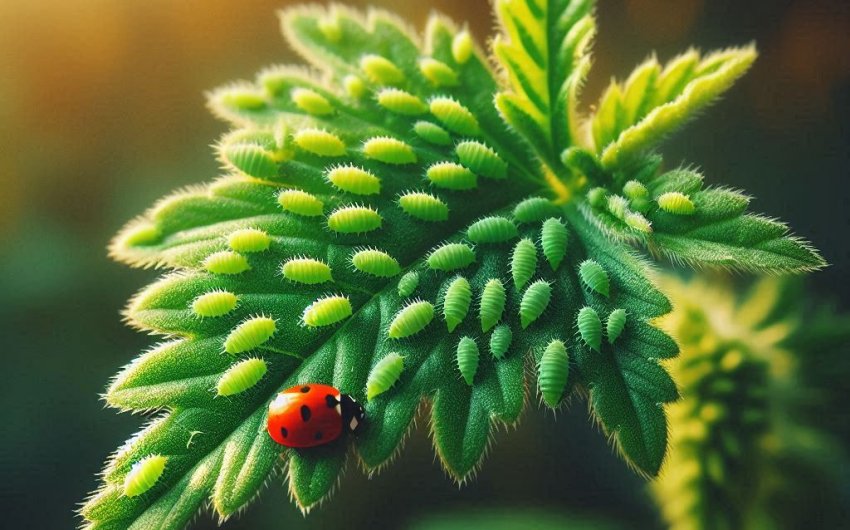
There's nothing quite as frustrating for a gardener as seeing your healthy plants suddenly looking sickly, leaves chewed, or fruits damaged. Pests are an inevitable part of gardening, but in an organic garden, our approach to them is different. We don't reach for harsh chemicals that can harm beneficial insects, pollute our soil and water, or leave residues on our food. Instead, we learn to identify common garden pests and use organic pest control methods that work with nature, maintaining a balanced ecosystem. This guide will empower you to become a pest detective and provide you with effective, natural solutions to keep your garden thriving without a single drop of synthetic pesticide.
The Organic Approach to Pest Control: A Holistic View
In organic gardening, our goal isn't to totally eliminate every single insect. A healthy garden has a mix of insects – good and "bad" (or rather, those that cause damage). The key is to keep damaging pest populations in check so they don't destroy your harvest.
Principles of Organic Pest Control:
- Prevention is Key: A healthy plant is a resistant plant. Building vibrant soil, choosing the right plants, and using smart gardening practices can prevent most major outbreaks.
- Observation: Regularly inspect your plants. Catching pest problems early makes them much easier to manage organically.
- Encourage Beneficial Insects: These are your garden's natural bodyguards, preying on or parasitizing pests. Protecting and attracting them is paramount.
- Least Toxic First: Start with the gentlest organic pest control methods (hand-picking, water blast) and only move to organic sprays if necessary.
- Tolerate Minor Damage: A few holes in a leaf are usually not a problem. Your goal is balance, not perfection.
Tools of the Organic Pest Detective
Before you treat, you need to identify!
- Magnifying Glass: A small garden magnifying glass can help you see tiny pests like spider mites.
- Garden Journal: Note down when you see pests, on what plants, and what methods you used. This helps track patterns.
- Good Vision: Inspect both the tops and, importantly, the undersides of leaves.
Common Garden Pests and Their Organic Treatments
Let's look at the most common garden pests and how to handle them organically.
1. Aphids
- How to Identify: Small (1/10 to 1/8 inch), soft-bodied, pear-shaped insects. They come in various colors (green, black, yellow, red, brown) and cluster on new growth, under leaves, and on flower buds. They excrete sticky "honeydew," which can lead to black sooty mold.
- Damage: Stunted growth, curled/yellowing leaves, sticky residue, sooty mold.
- Organic Treatment:
- Water Blast: For light infestations, a strong spray of water from the hose can knock them off. Do this in the early morning so leaves dry.
- Hand Squishing: For small clusters, gently squish them with your fingers or wipe off with a damp cloth.
- Attract Beneficial Insects: Ladybugs (adults and larvae), lacewing larvae, and hoverfly larvae are voracious aphid predators. Plant flowers that attract them (dill, cilantro, sweet alyssum). You can even buy live ladybugs for release.
- Insecticidal Soap: For heavier infestations, spray with an organic insecticidal soap. It works on contact by suffocating/dehydrating aphids. Thorough coverage (especially undersides of leaves) is key. Use a ready-to-use organic insecticidal soap spray.
- Neem Oil: An organic pesticide derived from the neem tree. It acts as an anti-feedant, growth regulator, and can smother aphids. Apply in the evening. Look for organic neem oil.
- Companion Planting: Plant chives or garlic near susceptible plants to deter aphids.
2. Cabbage Worms / Cabbage Loopers / Imported Cabbageworms
- How to Identify: Green caterpillars that blend in with foliage. Cabbage worms are fuzzy; loopers move in a looping motion. They chew irregular holes in leaves of cabbage, broccoli, kale, and other brassicas. You might also see white cabbage moths fluttering around.
- Damage: Holes in leaves, especially on brassicas.
- Organic Treatment:
- Hand-Picking: Inspect plants daily, especially on the undersides of leaves. Pick off caterpillars and drop them into a bucket of soapy water.
- Floating Row Covers: The most effective organic prevention! Cover brassicas with a lightweight floating row cover from planting until harvest to prevent the cabbage moths from laying eggs.
- Bt (Bacillus thuringiensis): This is a natural bacterium that is completely harmless to humans, pets, and beneficial insects. When caterpillars eat leaves sprayed with Bt, they stop feeding and die. Very effective for heavier infestations. Use a Bt spray.
3. Slugs and Snails
- How to Identify: Slimy trails on leaves or soil. Chewed holes in leaves, especially on seedlings and tender greens. You'll see the slugs/snails themselves, often at night or after rain.
- Damage: Irregular holes in leaves, especially devastating to young plants.
- Organic Treatment:
- Hand-Picking: Go out at night with a flashlight and pick them off. Drop them into soapy water.
- Beer Traps: Sink a shallow dish (like a tuna can) into the soil so the rim is level with the ground. Fill with beer. Slugs are attracted to the yeast, fall in, and drown.
- Diatomaceous Earth (Food Grade): Sprinkle a barrier of food grade diatomaceous earth around susceptible plants. It's abrasive and dehydrates slugs. Reapply after rain.
- Copper Tape: Place a barrier of copper slug tape around raised beds or containers. It creates a small electric shock that deters them.
- Less Mulch (Temporary): In areas with severe slug problems, reduce deep mulch layers, as slugs love moist, dark places. Once established, mulching will help.
4. Spider Mites
- How to Identify: Tiny (pinhead-sized) red, green, or yellowish mites, usually on the undersides of leaves. Fine webbing on leaves or stems. Leaves may look speckled, stippled, or bronzed, eventually turning yellow. They thrive in hot, dry conditions.
- Damage: Stippled, yellowing, or bronzed leaves; stunted growth.
- Organic Treatment:
- Water Blast: A strong spray of water from the hose can dislodge them. Repeat daily.
- Increase Humidity: Mites hate humidity. Misting plants can deter them, but ensure good air circulation to avoid fungal issues.
- Insecticidal Soap: Very effective. Spray thoroughly, especially on undersides of leaves.
- Neem Oil: Works well against spider mites.
- Beneficial Mites: You can buy and release predatory mites (e.g., Phytoseiulus persimilis) that specifically feed on spider mites.
5. Flea Beetles
- How to Identify: Tiny (1/16 to 1/8 inch) black, brown, or striped beetles that jump like fleas when disturbed. They chew numerous small, round "shot holes" in leaves, especially on young brassicas, eggplants, and potatoes.
- Damage: Punctured holes in leaves, stunted growth of young seedlings.
- Organic Treatment:
- Floating Row Covers: Best organic prevention! Cover susceptible seedlings immediately after planting.
- Neem Oil: Can deter feeding.
- Keep Plants Healthy: Strong, vigorous seedlings are better able to outgrow damage.
- Trap Crops: Some gardeners plant radishes as a trap crop, as flea beetles love them.
6. Squash Bugs / Stink Bugs
- How to Identify: Adult squash bugs are grayish-brown, flat, shield-shaped bugs (about 5/8 inch long). They lay shiny, reddish-brown eggs in clusters on the undersides of leaves. Stink bugs are similar, often green or brown, also shield-shaped.
- Damage: Suck sap from leaves and stems, causing yellow spots that turn brown and crispy. Plants may wilt suddenly.
- Organic Treatment:
- Hand-Picking: Inspect plants daily, especially undersides of leaves, for adults, nymphs (immature bugs), and eggs. Scrape off egg clusters and crush them or drop them in soapy water. Hand-pick adult bugs.
- Trap Board: Place a board or piece of newspaper near affected plants overnight. Bugs will hide underneath; collect and destroy them in the morning.
- Neem Oil: Can be effective against nymphs and to deter adults.
- Row Covers: Can protect young plants, but remove when plants start to flower to allow for pollination.
General Organic Pest Prevention Strategies
Remember, the best defense is a good offense!
1. Build Healthy Soil
This is the absolute foundation. Rich organic soil teeming with microbial life produces strong, resilient plants that can better withstand pest attacks.
- Compost: Regularly add abundant organic compost to your garden beds.
- Mulch: Use organic mulch (straw, shredded leaves) to retain moisture, moderate soil temperature, and suppress weeds.
2. Choose Resistant Varieties
Select organic seeds or seedlings known for their disease and pest resistance whenever possible.
3. Practice Crop Rotation
Move plant families around your garden each year. This disrupts pest and disease life cycles that build up in the soil.
4. Encourage Biodiversity
A diverse garden with a variety of plants, including flowers, herbs, and different vegetables, attracts a wider range of beneficial insects and creates a more balanced ecosystem that discourages single pest outbreaks. Plant a beneficial insect seed mix.
5. Good Garden Hygiene
- Remove Plant Debris: Clear away dead or diseased plant material, which can harbor pests and pathogens.
- Clean Tools: Clean your gardening tools to prevent spreading diseases.
- Weed Control: Keep weeds down, as they can sometimes harbor pests.
6. Proper Watering and Feeding
Stressed plants are more susceptible to pests. Ensure your plants get consistent water (consider drip irrigation) and balanced organic fertilizers. Avoid over-fertilizing with too much nitrogen, which can lead to lush, tender growth that attracts aphids.
By understanding these common garden pests and applying these organic treatment methods, you'll be well-equipped to maintain a thriving, chemical-free garden. It's a continuous learning process of observation and natural problem-solving, but the reward of a healthy garden and a bountiful, organic harvest is well worth the effort!