
How to Grow Organic Kale Year-Round in Raised Beds?
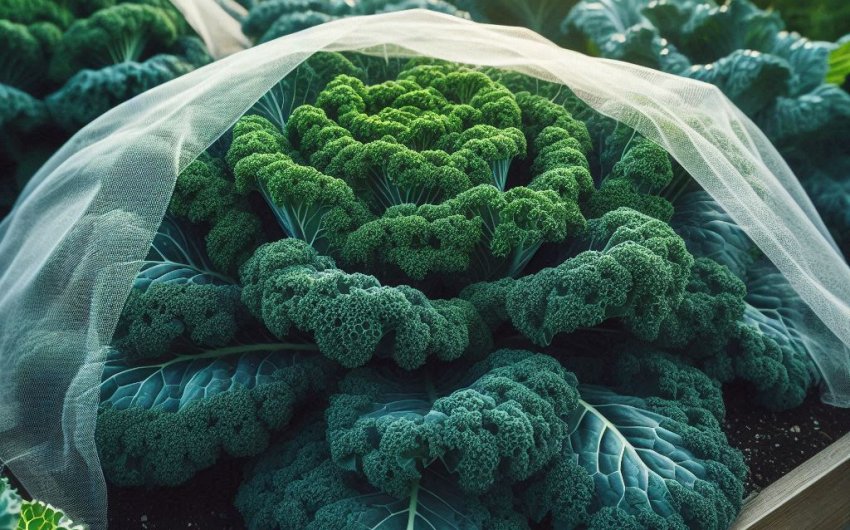
To grow organic kale year-round in raised beds, focus on selecting cold-hardy varieties, preparing nutrient-rich soil, ensuring consistent moisture, and utilizing season extension techniques for colder months. Proper pest management and continuous harvesting will ensure a steady supply of this versatile leafy green.
Why Grow Organic Kale Year-Round in Raised Beds?
Organic kale is a superfood packed with nutrients, and growing it in raised beds offers unique advantages that make year-round harvests feasible for many gardeners.
- Nutritional Powerhouse: Kale is rich in vitamins K, A, and C, manganese, calcium, and antioxidants. Growing it organically ensures it's free from synthetic pesticides and fertilizers.
- Continuous Harvest: With proper planning, kale can provide fresh leaves even through cold winters or hot summers.
- Raised Bed Advantages:
- Better Drainage: Prevents waterlogging, which kale dislikes.
- Warmer Soil: Soil in raised beds warms up faster in spring and stays warmer longer in fall, extending the growing season.
- Improved Soil Control: You dictate the soil mix, ensuring it's nutrient-rich and organic from the start.
- Weed Control: Fewer weeds typically find their way into raised beds.
- Accessibility: Easier to work with, less bending and kneeling.
- Economic & Sustainable: Reduces grocery bills and your carbon footprint by enjoying homegrown produce.
What Are the Best Kale Varieties for Year-Round Growing?
Choosing the right kale varieties is key to success when aiming for continuous harvests in your raised beds. Different types tolerate varying temperatures better.
Cold-Hardy Varieties (Excellent for Fall/Winter/Early Spring)
- 'Winterbor' F1:
- Description: Very cold-hardy, with deeply curled, blue-green leaves. Can withstand severe frosts and even snow.
- Benefits: Excellent for overwintering, provides tender leaves even in winter.
- 'Red Russian':
- Description: Flat, oak-leaf shaped leaves with purple veins. Develops a sweeter, milder flavor after a frost.
- Benefits: Good cold tolerance, attractive, quick growing.
- 'Lacinato' (Dinosaur or Tuscan Kale):
- Description: Dark, bumpy, strap-like leaves. Becomes very tender and flavorful after a frost.
- Benefits: Very popular, good cold tolerance, maintains texture well.
- 'Nero di Toscana': Similar to Lacinato, often interchangeable.
- 'Siberian Kale':
- Description: Very robust and cold-hardy, large blue-green leaves.
- Benefits: Known for exceptional cold tolerance, good for colder climates.
Heat-Tolerant Varieties (Better for Summer)
While kale prefers cool weather, some varieties are more resilient to summer heat and bolt (go to seed) slower.
- 'Vates Blue Curled':
- Description: Standard curled kale, fairly heat tolerant.
- Benefits: Reliable, widely available.
- 'Tuscan' varieties (like Lacinato): While cold-hardy, they also perform better in moderate summer heat than some other curled kales.
- 'Redbor' F1:
- Description: Striking deep red-purple, frilly leaves. Good heat tolerance for a kale.
- Benefits: Decorative and edible.
How Do You Prepare the Raised Bed for Organic Kale?
A well-prepared raised bed is the foundation for thriving organic kale throughout the year. Kale is a heavy feeder.
1. Choose the Right Location
- Sunlight: Kale prefers full sun (6-8 hours direct sunlight) for best growth, but can tolerate partial shade (4-6 hours) especially in hot summers, which can prevent bolting.
- Drainage: Raised beds inherently have good drainage, but ensure your chosen site doesn't have standing water.
2. Fill with Nutrient-Rich Organic Soil
- Start with a Good Base: Use a mix of high-quality Organic Raised Bed Soil.
- Amend with Organic Matter:
- Compost: Mix in a generous amount (at least 30-50% by volume) of well-rotted Organic Compost. This is key for fertility and soil structure.
- Composted Manure: A layer of well-rotted Organic Composted Manure can be mixed in during initial bed setup or as a top dressing.
- pH Level: Kale prefers a slightly acidic to neutral soil pH (6.0-7.0). A Soil Test Kit can help you determine your soil's current pH and nutrient levels.
3. Initial Fertilization (Organic)
- Pre-Planting: Before planting, lightly mix in a balanced organic granular fertilizer. Look for products like Organic All-Purpose Plant Food with an N-P-K ratio around 5-5-5 or similar. Follow package directions.
- Worm Castings: Spread a layer of Organic Worm Castings over the surface and gently mix them in. They provide gentle, slow-release nutrients and beneficial microbes.
How Do You Plant Organic Kale for Year-Round Harvests?
Strategic planting ensures you have a continuous supply of kale as plants mature and temperatures change.
Timing for Succession Planting
- Spring Crop: Start seeds indoors 4-6 weeks before your last frost date, or direct sow outside 2-3 weeks before the last frost.
- Summer Crop: Plant heat-tolerant varieties from late spring to early summer. Provide some afternoon shade if temperatures regularly exceed 80°F (27°C).
- Fall Crop: Direct sow seeds or transplant starts 8-10 weeks before your first fall frost. This is often the most productive and flavorful crop.
- Winter Crop (for milder climates): Plant 6-8 weeks before your first hard frost, ensuring plants are somewhat mature before deep cold sets in. Use season extension.
- Succession Planting: To ensure a constant supply, sow new batches of kale seeds every 3-4 weeks from early spring to late summer.
Planting Methods
- From Seed:
- Direct Sow: Plant seeds 1/2 inch deep and 1 inch apart in rows or broadcast.
- Thinning: Once seedlings have 2-3 true leaves, thin them to their final spacing.
- From Starts (Transplants):
- Purchased or Homemade: Plant starts at the same depth they were in their nursery pots.
- Hardening Off: If starting indoors, gradually expose seedlings to outdoor conditions for a week before transplanting.
Spacing
- Full-Sized Plants: For mature kale, space plants 12-18 inches apart. This allows for good air circulation and large leaves.
- Baby Kale: For smaller, tender leaves for salads, you can plant closer, 4-6 inches apart, and harvest whole plants early.
How Do You Water and Fertilize Organic Kale Organically?
Kale is a thirsty, hungry plant, and consistent care is vital for lush, tender leaves, especially when growing organic kale year-round in raised beds.
Watering
- Consistency is Key: Kale needs consistent moisture to produce tender leaves and prevent bitterness.
- Deep Watering: Water deeply and regularly, aiming for 1-1.5 inches of water per week, either from rain or irrigation.
- Check Soil: Feel the soil 2-3 inches down. If it feels dry, it's time to water. Raised beds tend to dry out faster than in-ground gardens.
- Drip Irrigation/Soaker Hoses: Recommended for efficient watering directly to the roots, minimizing water on foliage (which can encourage fungal diseases). A Raised Bed Drip Irrigation Kit can save time and water.
- Mulch: Apply a 2-4 inch layer of Organic Mulch for Vegetables (like straw or shredded leaves) around the plants to conserve moisture, suppress weeds, and regulate soil temperature.
Organic Fertilization
- Nitrogen Needs: Kale is a leafy green, meaning it loves nitrogen for lush foliage.
- Mid-Season Feeding (Every 4-6 Weeks):
- Compost Tea: Brew your own or buy Organic Compost Tea and apply as a soil drench.
- Fish Emulsion or Liquid Seaweed: Dilute Organic Fish Emulsion Fertilizer or Organic Seaweed Liquid Fertilizer and apply to the soil around the plants.
- Top-Dressing: Gently scratch in a handful of Organic All-Purpose Plant Food or a layer of Organic Worm Castings around the base of the plants.
How Do You Protect Organic Kale in Raised Beds for Year-Round Growing?
Season extension techniques are vital to growing organic kale year-round, especially in regions with distinct seasons.
1. Cold Weather Protection
- Mulch: A thick layer of straw or shredded leaves around the base of plants helps insulate roots in winter.
- Cold Frames: A simple wooden box with a transparent lid placed over your kale plants can protect them from frost and snow, extending the harvest well into winter. You can build one or buy a Garden Cold Frame.
- Row Covers (Floating): Lightweight fabric covers allow light and water in but trap heat and provide a few degrees of frost protection. They also deter pests. Use Garden Row Covers over hoops.
- Cloches: Individual bell-shaped covers for single plants offer temporary frost protection.
- Greenhouses/Hoop Houses: For serious year-round growers, a small Mini Hoop House for Raised Beds or a larger greenhouse structure provides maximum protection.
2. Hot Weather Protection
- Shade Cloth: In hot summer climates, kale can bolt or become bitter. Use a Garden Shade Cloth to provide afternoon shade, particularly from intense midday sun.
- Consistent Watering: Don't let kale dry out in the heat.
How Do You Manage Pests and Diseases Organically on Kale?
Kale, especially as a brassica, is prone to certain pests. Organic pest management is crucial for organic kale year-round.
Common Pests and Organic Solutions
- Cabbage Worms (Imported Cabbage Worm, Cabbage Looper, Diamondback Moth Larvae): Green caterpillars that chew holes in leaves.
- Organic Solution:
- Hand-picking: Daily inspection and removal.
- Row Covers: Cover plants from spring to fall with fine mesh Garden Row Covers to exclude adult moths.
- Bacillus thuringiensis (Bt): A naturally occurring soil bacterium that is toxic only to caterpillars. Look for Organic Bt Spray.
- Organic Solution:
- Aphids: Small, soft-bodied insects clustered on new growth, causing distorted leaves.
- Organic Solution: Blast with a strong stream of water. Use Organic Insecticidal Soap Spray. Encourage natural predators like ladybugs.
- Flea Beetles: Tiny, jumping beetles that chew small "shot holes" in leaves.
- Organic Solution: Use Garden Row Covers early in the season. Spray with Organic Neem Oil for Plants.
- Slugs and Snails: Chew ragged holes in leaves, especially in damp conditions.
- Organic Solution: Hand-pick at night. Use Organic Slug Bait (iron phosphate-based). Create beer traps.
Common Diseases and Organic Prevention
- Powdery Mildew: White, powdery patches on leaves, especially in humid conditions with poor airflow.
- Prevention: Ensure good air circulation (proper spacing). Avoid overhead watering. Use resistant varieties.
- Organic Treatment: Spray with a baking soda solution (1 teaspoon baking soda in 1 quart water with a few drops of mild soap).
- Downy Mildew: Yellow patches on the upper leaf surface, fuzzy gray mold on the underside.
- Prevention: Good air circulation, resistant varieties.
- Clubroot: Fungal disease causing swollen, distorted roots and stunted growth. Spreads in acidic, wet soil.
- Prevention: Maintain proper soil pH (6.5-7.0 is best for Brassicas to avoid clubroot). Practice crop rotation (don't plant Brassicas in the same spot for at least 3-4 years).
General Organic Pest & Disease Management
- Inspect Regularly: Daily inspection allows for early detection and easier management.
- Maintain Plant Health: Healthy, well-fed, and properly watered plants are more resilient.
- Crop Rotation: A critical step for preventing soil-borne pests and diseases. Rotate Brassicas to different beds or sections each year.
- Companion Planting: Marigolds can deter some pests. Dill and cilantro attract beneficial insects.
- Cleanliness: Remove diseased leaves or heavily infested plants promptly.
How Do You Harvest Organic Kale for Continuous Production?
Proper harvesting techniques encourage your organic kale to keep producing leaves for months on end.
"Cut and Come Again" Method
- Harvest Outer Leaves: Begin harvesting when leaves are about the size of your hand. Always harvest the largest, outermost leaves first.
- Leave the Central Bud: Do not cut the central growing point of the plant. This is where new leaves will emerge.
- Snip or Snap: Use clean Gardening Scissors or snap the leaf stem cleanly from the main stalk.
- Frequency: Harvest as often as needed, usually every 1-2 weeks. Regular harvesting keeps the plant productive and prevents leaves from becoming old and bitter.
What to Avoid
- Over-Harvesting: Never take more than 1/3 of the plant's leaves at once, especially for young plants. The plant needs enough foliage to photosynthesize and recover.
- Harvesting Discolored Leaves: Remove any yellowing, damaged, or pest-eaten leaves to redirect the plant's energy to new, healthy growth.
- Allowing to Bolt: If kale starts to send up a flower stalk (bolting), the leaves will become bitter. You can try to pinch off the flower stalk to prolong leaf production, but the plant is signaling its life cycle is ending.
The Joy of Year-Round Organic Kale
Growing organic kale year-round in raised beds is a truly rewarding experience, offering a continuous supply of fresh, nutrient-dense greens right outside your door. By understanding kale's needs for rich organic soil, consistent moisture, protective covers, and smart pest management, you can master this superfood's cultivation. Enjoy the satisfaction of a thriving organic garden and the delicious, healthy harvests it provides throughout every season.