
How to Grow Garlic for a Fall Harvest?
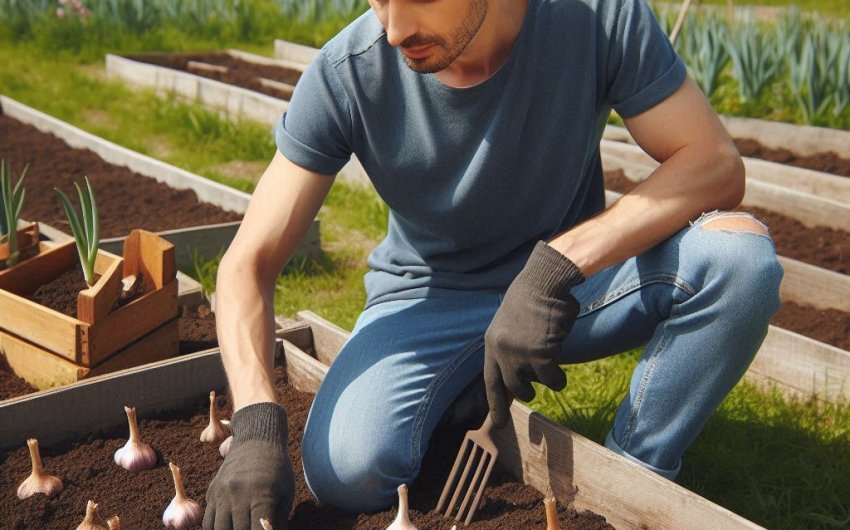
To grow garlic for a fall harvest, you actually plant it in the fall, allowing it to establish roots before winter and then mature the following summer. This long growing cycle, typically spanning 8-9 months, results in larger, more flavorful bulbs than spring-planted varieties.
Why Plant Garlic in Fall for a Summer Harvest?
When gardeners talk about a "fall harvest" for garlic, they're usually referring to the harvest that comes after a fall planting, not planting and harvesting in the same autumn. The vast majority of garlic varieties, especially the hardneck and softneck types commonly grown, thrive when planted in the autumn months. This allows the plants to establish strong root systems before the ground freezes and then go through a crucial chilling period (vernalization) over winter. This chilling period is essential for the bulb to properly divide into individual cloves.
Here's why planting garlic in fall is the best strategy for a bountiful and flavorful summer harvest:
- Optimal Bulb Development: Garlic needs a period of cold temperatures (vernalization) to trigger the formation of distinct cloves within the bulb. Planting in fall provides this natural chilling, leading to larger, more well-formed bulbs with individual cloves. Spring-planted garlic often produces smaller bulbs, or sometimes even "rounds" (a single, undivided bulb), especially hardneck varieties.
- Stronger Root System: Autumn's cooler temperatures and consistent moisture allow garlic to develop an extensive root system before winter sets in. A robust root system means the plant can absorb more nutrients and water come spring, leading to healthier growth and bigger bulbs.
- Early Spring Growth: Fall-planted garlic is ready to emerge as soon as the ground thaws in spring, sometimes even pushing through light snow. This gives it a significant head start over spring-planted crops, allowing it to fully utilize the long growing season for bulb development.
- Increased Yield: The longer growing period and proper vernalization typically result in significantly larger garlic bulbs and therefore a higher overall yield compared to spring planting.
- Improved Flavor: Many garlic enthusiasts believe that fall-planted garlic has a more complex, intense, and nuanced flavor profile than garlic planted in the spring. This is often attributed to the longer, more natural growing cycle.
- Less Competition for Garden Space: In spring, garden beds are bustling with seedlings and new plantings. Fall planting spreads out the workload and utilizes garden space during a less busy time.
- Natural Cycle: Mimicking nature's own cycle, where garlic would naturally go dormant in the ground over winter, often leads to more resilient and vigorous plants.
While some mild-winter regions can get away with spring planting, for most climates, planting garlic in the fall is the proven method for achieving the biggest, most flavorful garlic for a summer harvest.
What Types of Garlic Should You Plant in Fall?
When you grow garlic for a fall harvest (meaning a summer harvest from a fall planting), understanding the different types is crucial. There are two main categories: hardneck garlic and softneck garlic, each with its own characteristics, preferred climates, and storage capabilities.
1. Hardneck Garlic (Ophioscorodon)
Hardneck garlic is characterized by a stiff, woody central stalk (the "hard neck") that grows up through the center of the bulb. This stalk eventually produces a flower stalk called a "scape."
Characteristics:
- Climate: Best suited for cold winter climates (Zones 3-7). They require a significant cold period (vernalization) to form cloves properly.
- Cloves: Typically fewer cloves per bulb (4-12 large, easy-to-peel cloves).
- Flavor: Often more complex, intense, and "true garlic" flavor. Many varieties have distinct nuances.
- Scapes: Produces an edible flower scape in late spring/early summer. These are delicious and should be removed to redirect energy to bulb development.
- Storage: Generally stores for 4-6 months, shorter than softnecks.
- Peeling: Cloves are typically easier to peel.
Subtypes of Hardneck Garlic:
- Rocambole: The most common hardneck. Known for its strong, true garlic flavor and easy-to-peel cloves. Scapes often form a loop or curl. (e.g., 'German Red', 'Killarney Red').
- Porcelain: Very large, beautiful white bulbs with 4-6 huge cloves. Known for high allicin content (the beneficial compound in garlic) and a hot, robust flavor. Store well for hardnecks. (e.g., 'Music', 'Romanian Red').
- Purple Stripe: Distinctive purple streaks on the bulb wrappers and clove skins. Often has a rich, sweet, roasted flavor. (e.g., 'Chesnok Red', 'Persian Star').
2. Softneck Garlic (Sativum)
Softneck garlic does not produce a central flower stalk (scape) under normal growing conditions. Instead, its neck remains soft and pliable, making it ideal for braiding.
Characteristics:
- Climate: Prefers milder winter climates (Zones 7-10), but some varieties can be grown in colder areas with good mulching. They still benefit from some cold, but not as intensely as hardnecks.
- Cloves: Typically many more cloves per bulb (10-20+), often in several layers, and generally smaller than hardneck cloves.
- Flavor: Milder, more subtle flavor than hardnecks, but still distinct.
- Scapes: Does not produce a true scape.
- Storage: Excellent storage potential, often lasting 6-12 months or longer under ideal conditions.
- Peeling: Can be more challenging to peel smaller, inner cloves.
Subtypes of Softneck Garlic:
- Artichoke: The most common softneck. Large, robust bulbs with multiple layers of cloves. Good yield and adaptability. (e.g., 'Inchelium Red', 'Chet's Italian Red').
- Silverskin: Known for its tight, silvery wrappers and excellent storage qualities. Often used for braiding. (e.g., 'Silver Rose', 'Nootka Rose').
Which Type to Choose?
- For Colder Climates (Zones 3-7): Hardneck garlic is generally the better choice due to its cold hardiness and requirement for strong vernalization.
- For Milder Climates (Zones 7-10): Softneck garlic is often preferred for its adaptability, higher yield of cloves, and superior storage capabilities.
- For Scapes: If you want to harvest and enjoy garlic scapes, you must plant hardneck varieties.
- For Braiding: If you plan to braid your garlic for storage or aesthetics, softneck varieties are the way to go.
- For Flavor Variety: Try planting a few different hardneck types to experience their unique flavors.
Regardless of the type, always source high-quality, disease-free "seed garlic" certified seed garlic bulbs from a reputable supplier, not grocery store garlic, which may be treated to prevent sprouting or carry diseases.
When is the Best Time to Plant Garlic in Fall?
The best time to plant garlic in fall is a critical factor for successful growth and a bountiful summer harvest. The timing largely depends on your specific climate zone, but the general principle is to plant after the first light frost but before the ground freezes solid.
Here's a breakdown by region and key indicators:
General Timing Window:
- Northern Climates (USDA Zones 3-5):
- Mid-September to late October. Aim for roughly 4-6 weeks before the ground typically freezes hard.
- Mid-Atlantic / Midwest (USDA Zones 6-7):
- Late October to late November.
- Southern Climates (USDA Zones 8-10):
- November to early December. In these warmer zones, the soil often doesn't freeze deeply. You're planting more for root development and a cooler growing period than for a hard chill. Some warm-climate growers even "pre-chill" softneck garlic in the refrigerator for a few weeks before planting to simulate a cold period, although this isn't strictly necessary for all softneck varieties.
Key Indicators to Watch For:
Rather than a strict calendar date, look for these environmental cues:
- Soil Temperature: This is the most reliable indicator. Plant when the soil temperature at a depth of 4-6 inches consistently drops below 60°F (15.5°C) but is still above 40°F (4.5°C). You can use a soil thermometer garden soil thermometer to check this.
- First Light Frost: Planting shortly after the first light frost usually signals that temperatures are consistently cooling down and pests are less active.
- Leaf Drop: When deciduous trees in your area start to drop their leaves, it's a good sign that fall has truly arrived, and conditions are right for garlic planting.
- Before Hard Freeze: You want enough time (typically 4-6 weeks) for the garlic cloves to develop a healthy root system before the ground freezes solid. This is crucial for winter survival and robust spring growth. If the ground freezes before roots can establish, the cloves may "heave" out of the soil or not survive.
Why Timing Matters:
- Planting Too Early (warm soil):
- If planted when the soil is too warm, garlic may sprout vigorously above ground before winter. This green growth can be vulnerable to hard freezes, potentially damaging the developing plant and reducing the final yield.
- Planting Too Late (cold/frozen soil):
- If planted when the soil is too cold or already frozen, the cloves won't have enough time to establish a root system. They might not survive the winter, or they'll be weakened, leading to smaller, poorer quality bulbs.
Goal: The ideal scenario is for the garlic clove to put down a strong root system in the fall and perhaps show an inch or two of green sprout above ground before winter dormancy. This small sprout is generally hardy enough to withstand the cold with proper mulching.
Always err on the side of planting a little bit later than too early, especially in colder climates. This ensures the garlic focuses its energy on root development rather than vulnerable top growth before winter.
How Do You Prepare the Soil and Site for Garlic?
Proper soil and site preparation are foundational steps for a successful garlic harvest. Garlic is a heavy feeder and thrives in specific conditions, so investing time here will pay off with large, healthy bulbs.
1. Choose the Right Location:
- Full Sun: Garlic needs at least 6-8 hours of direct sunlight per day to develop large bulbs. Choose the sunniest spot in your garden.
- Well-Drained Soil: This is perhaps the most critical factor. Garlic absolutely despises "wet feet" and will rot in soggy, waterlogged soil.
- If you have heavy clay soil, consider planting in raised beds or amending significantly to improve drainage.
- Good Air Circulation: Avoid planting garlic in overly crowded areas where air circulation is poor, as this can lead to fungal diseases.
2. Prepare the Soil:
Garlic needs rich, loose, and well-drained soil. Start preparing your bed several weeks before your target planting date if possible.
- Remove Weeds: Thoroughly weed the planting area. Garlic doesn't compete well with weeds, especially during its early growth.
- Loosen the Soil:
- Dig or till the soil to a depth of at least 8-12 inches. A broadfork garden broadfork tool is excellent for loosening without disturbing soil layers too much.
- This deep loosening allows for good root penetration and bulb expansion.
- Amend with Organic Matter:
- Garlic is a heavy feeder. Work in a generous amount (2-4 inches) of high-quality compost organic garden compost, well-rotted manure, or other organic matter.
- Organic matter improves soil structure, drainage, aeration, and fertility.
- pH Level:
- Garlic prefers a slightly acidic to neutral soil pH, ideally between 6.0 and 7.0.
- You can test your soil with a soil pH testing kit soil pH testing kit. If your pH is too low (acidic), add some garden lime. If it's too high (alkaline), add sulfur.
3. Add Nutrients:
Garlic needs plenty of nutrients, especially phosphorus and potassium for bulb development, and nitrogen for leaf growth.
- Balanced Fertilizer: Before planting, work in a balanced organic fertilizer organic vegetable garden fertilizer (like 5-10-10 or 5-10-5) into the top 6 inches of soil according to package directions.
- Bone Meal or Rock Phosphate: These are excellent sources of phosphorus, which is crucial for root and bulb development. Add a handful to the bottom of each planting hole or sprinkle throughout the bed.
- Wood Ash (Optional): If your soil is acidic, wood ash can provide potassium and calcium and raise the pH slightly. Use sparingly.
4. Create Raised Beds (Optional but Recommended):
- If you have very heavy clay soil or live in an area with high rainfall, planting garlic in raised garden beds raised garden beds for vegetables is an excellent way to ensure proper drainage.
- Fill raised beds with a good quality raised bed soil mix organic raised bed soil mix that is naturally well-draining and rich in organic matter.
By dedicating time to prepare your soil properly in the fall, you're providing the ideal environment for your garlic to thrive over winter and produce a robust and flavorful harvest the following summer.
How Do You Plant Garlic Cloves in Fall?
Once your site and soil are meticulously prepared, planting garlic cloves in the fall is a straightforward process. Proper planting depth and spacing are key to allowing the bulbs to size up effectively.
1. Prepare Your Seed Garlic:
- Source: Always use certified seed garlic certified organic seed garlic from a reputable supplier. Grocery store garlic may be treated to prevent sprouting or carry diseases.
- Break Apart Bulbs: Just before planting (within a day or two), gently break apart the garlic bulbs into individual cloves. Be careful not to damage the basal plate (the flat bottom where the roots emerge).
- Select Best Cloves: Choose only the largest, healthiest, and firmest cloves for planting. The size of the clove directly influences the size of the bulb it will produce. Use smaller or damaged cloves for cooking.
2. Determine Planting Depth and Spacing:
- Depth: Plant cloves 2-3 inches deep, measuring from the tip of the clove to the soil surface. In colder climates with severe winters, planting slightly deeper (up to 4 inches) can provide extra insulation.
- Spacing:
- In-row spacing: Plant cloves 4-6 inches apart.
- Row spacing: If planting in rows, space rows 12-18 inches apart to allow for good air circulation, weeding, and maintenance.
- Intensive planting (for beds): In well-prepared raised beds or wide rows, you can plant cloves in a grid pattern 6 inches apart in all directions.
3. The Planting Process:
- Mark Your Rows/Grid: Use a string line or a dibbler to create straight rows or mark your grid pattern. This ensures even spacing and makes future weeding easier.
- Make the Hole:
- Use a dibbler garden dibbler tool or your finger to create a hole at the correct depth.
- If adding bone meal or rock phosphate, place a small pinch at the bottom of each hole.
- Position the Clove:
- Place each garlic clove into the hole with the pointed end facing UP and the flat, basal plate (root end) facing DOWN. This is important for proper growth.
- Cover with Soil:
- Gently backfill the holes with the prepared soil, lightly tamping down to ensure good soil-to-clove contact and remove any large air pockets.
4. Initial Watering:
- After planting all the cloves, give the entire bed a thorough watering. This settles the soil and provides initial moisture for root development.
5. Mulching (Crucial for Winter Protection):
- Once the ground begins to cool significantly, but before a hard freeze, apply a generous layer of mulch organic garden mulch for winter over the entire garlic bed.
- Recommended Mulch: Straw is an excellent choice (4-6 inches deep). Shredded leaves, pine needles, or well-rotted wood chips can also work.
- Benefits of Mulch:
- Insulation: Protects the young roots from extreme temperature fluctuations and "frost heave" (where freezing and thawing cycles push bulbs out of the ground).
- Moisture Retention: Helps keep soil moisture consistent throughout winter.
- Weed Suppression: Reduces weed growth in spring, making maintenance easier.
- Nutrient Boost: As organic mulch breaks down, it slowly adds nutrients to the soil.
By carefully following these steps for planting and mulching, you'll ensure your garlic cloves have the best possible start for overwintering and developing into magnificent bulbs for your fall harvest (next summer!).
How Do You Care for Garlic Over Winter and Through Spring?
Caring for your fall-planted garlic over winter and through the spring is relatively low-maintenance, but crucial for ensuring a bountiful summer harvest. The main goals are to protect it from extreme cold and provide the necessary nutrients and water as it grows.
Winter Care:
- Mulch is Key: If you followed the planting guide, you already applied a thick layer of mulch (4-6 inches of straw, shredded leaves, etc.) in the fall. This is the most important step for winter care.
- The mulch insulates the soil, prevents frost heave, and keeps the soil temperature more consistent.
- Monitor for Heaving: In regions with severe freeze-thaw cycles, occasionally check if any cloves have been pushed up out of the soil. If so, gently push them back down and ensure the mulch is covering them.
- Snow Cover: If you get snow, consider it a bonus! Snow acts as a natural, excellent insulating blanket.
- Watering: Generally, no watering is needed during winter once the ground is frozen. Natural precipitation (snow and rain) will suffice.
Spring Care (As Growth Resumes):
As temperatures warm in late winter/early spring, you'll start to see green shoots emerging from the mulch.
Remove or Rake Back Mulch (Optional, but Recommended):
- Once consistent spring growth appears, you can lightly rake back some of the mulch from directly around the plants. This allows the soil to warm up faster and encourages air circulation. Leave a thinner layer (1-2 inches) to continue suppressing weeds and retaining moisture.
- If you're in a very hot climate, you might leave the full mulch layer to keep the soil cooler.
Spring Fertilization (Crucial for Bulb Size):
- Garlic is a heavy feeder. Once significant green growth appears (around 6-8 inches tall), it's time for its first spring feeding.
- High-Nitrogen Fertilizer: Apply a high-nitrogen granular fertilizer (like blood meal, fish meal, or a balanced organic vegetable fertilizer) around the base of the plants. Scratch it into the soil surface and then water it in thoroughly.
- Liquid Feed: You can also use a diluted liquid fish emulsion liquid fish emulsion fertilizer or kelp meal organic kelp meal fertilizer every 2-3 weeks until late spring/early summer.
- Timing: Stop fertilizing about 4-6 weeks before your expected harvest to allow the plants to focus energy on bulb formation rather than green growth.
Watering:
- Garlic needs consistent moisture, especially during its active growth period in spring and early summer when bulbs are forming.
- Aim for about 1 inch of water per week, either from rain or irrigation.
- Deep Watering: Water deeply to encourage deep root growth.
- Reduce Watering in Early Summer: As harvest approaches (typically late June to mid-July, depending on your climate), gradually reduce watering to allow the bulbs to cure slightly in the ground and prevent rot. Stop watering completely 1-2 weeks before harvest.
Weeding:
- Weeds are garlic's biggest enemy, as they compete directly for nutrients and water. Keep the garlic bed meticulously weed-free throughout spring.
- Hand-pulling is best to avoid damaging shallow garlic roots.
Remove Hardneck Scapes:
- If you planted hardneck varieties, they will produce a curling flower stalk called a "scape" in late spring/early summer (around late May to mid-June).
- Pinch or cut the scape off close to where it emerges from the main stalk. This redirects the plant's energy into developing a larger, more robust bulb rather than producing flowers and seeds.
- Don't discard scapes! They are delicious and can be used in stir-fries, pesto, or roasted.
Pest and Disease Monitoring:
- Garlic is generally pest and disease resistant.
- Watch for yellowing leaves (could be nutrient deficiency or overwatering), or signs of fungal issues in overly wet conditions. Good air circulation helps prevent problems.
By providing consistent care through the colder months and the active growing period of spring, you'll set your fall-planted garlic up for maximum success, leading to an impressive harvest when summer arrives.
When and How Do You Harvest Garlic?
Knowing when and how to harvest garlic is crucial for ensuring good bulb size, flavor, and especially storage life. Harvesting at the right time is key to getting the most from your fall-planted garlic.
When to Harvest Garlic:
The timing of your garlic harvest is usually in late spring or early summer, typically between late June and mid-July in most northern climates, or earlier in warmer zones. Look for these specific signs:
- Yellowing Leaves: This is the primary indicator. Start watching your garlic plants as the bottom 2-3 sets of leaves begin to yellow and turn brown, while the top 3-4 leaves are still green.
- Number of Green Leaves: A good rule of thumb is that garlic is ready when the bottom third to half of the leaves have turned yellow or brown, and there are still 4-5 green leaves remaining at the top. Each green leaf represents a healthy, intact wrapper around the bulb.
- Avoid Waiting Too Long:
- If you wait too long, too many of the outer wrappers will rot away, leaving the bulb exposed and susceptible to disease during storage.
- The cloves can also begin to separate within the bulb, which reduces storage life.
- Avoid Harvesting Too Early:
- Harvesting too early means the bulbs won't have reached their full size, and the wrappers may be thin and not well-formed, also impacting storage.
Note: For hardneck varieties, the scapes (flower stalks) will usually emerge about a month before the bulbs are ready for harvest. This can serve as a useful internal timer. Once scapes emerge and are cut, you'll generally be harvesting 3-4 weeks later.
How to Harvest Garlic:
Harvesting correctly minimizes damage to the bulbs, which is vital for long-term storage.
- Stop Watering: About 1-2 weeks before your anticipated harvest date, stop watering the garlic plants. This helps the outer wrappers dry and tighten around the bulb, improving storage quality.
- Choose a Dry Day: Pick a dry day for harvesting. Digging in wet soil can lead to dirty bulbs and increase the risk of fungal diseases during curing.
- Use the Right Tool:
- Do NOT pull garlic from the ground by its stem! This can break the stem from the bulb, making it difficult to cure and store.
- Use a garden fork garden digging fork or a small trowel heavy duty garden trowel to carefully loosen the soil around the bulb.
- Insert the fork or trowel a few inches away from the base of the plant to avoid piercing the bulb. Gently pry up to loosen the soil.
- Lift Gently: Once the soil is loosened, carefully lift the entire plant from the ground, taking care to keep the stem and roots intact.
- Remove Excess Soil: Gently brush off as much soil as possible from the bulb and roots. Avoid washing the bulbs with water, as this can introduce moisture and promote rot during curing. If they're particularly muddy, let them dry in a shady, airy spot for a few hours, then brush off more.
- Curing:
- Curing is the essential next step to prepare garlic for long-term storage.
- Move the freshly harvested garlic (with stems and roots still attached) to a warm, dry, well-ventilated location out of direct sunlight. A shed, garage, or covered porch is ideal.
- Hang garlic in bundles or lay them out on racks or screens. Ensure good air circulation around all sides of each bulb.
- Curing typically takes 3-4 weeks. During this time, the wrappers will dry and tighten, the neck will seal, and the flavors will mellow and intensify.
- Final Cleaning and Storage:
- After curing, trim the roots to about 1/2 inch and cut the stems. For softneck garlic, you can braid the stems before curing for attractive storage. For hardnecks, cut the stem about 1 inch above the bulb.
- Gently brush off any remaining dirt. Do not remove any outer papery wrappers unless they are heavily soiled or damaged, as these protect the cloves.
- Store cured garlic in a cool (50-60°F / 10-15°C), dark, dry, and well-ventilated area. Do not store in the refrigerator, as this can trigger sprouting.
By paying close attention to these harvest and curing steps, your fall-planted garlic will be ready to provide delicious flavor for many months from your own garden.
How Do You Store and Use Your Fall Garlic Harvest?
Proper storage of your fall garlic harvest (reaped in summer) is just as important as growing it if you want to enjoy its homegrown flavor for many months. Once cured, your garlic is ready for long-term keeping and a variety of culinary uses.
Storing Your Cured Garlic:
The key to maximizing the storage life of garlic is to maintain cool, dry, and well-ventilated conditions.
Optimal Conditions:
- Temperature: Aim for 50-60°F (10-15°C). Temperatures too warm (above 70°F) can cause it to shrivel or sprout prematurely. Temperatures too cold (below 40°F, like a refrigerator) can trigger dormancy to break, leading to sprouting and a shorter shelf life.
- Humidity: Keep humidity low, around 50-70%. Too much humidity will encourage mold and rot.
- Ventilation: Good air circulation prevents moisture buildup around the bulbs.
- Darkness: Store in a dark place to prevent sprouting. Light encourages chlorophyll production and sprouting.
Storage Methods:
- Braids (Softneck Garlic): This is a traditional and attractive method for softneck garlic. After curing, brush off loose dirt, then carefully braid the soft stems. Hang the braids in your cool, dark, well-ventilated storage area. This method maximizes air circulation and looks beautiful.
- Mesh Bags / Baskets: For hardneck garlic (or softneck if not braided), trim the stems (leaving about an inch above the bulb) and roots (to 1/2 inch). Store bulbs loosely in mesh bags mesh produce bags, old nylon stockings, or open-weave baskets. Avoid airtight containers, which trap moisture.
- Garlic Cellar / Root Cellar: If you have one, a cool, dark, well-ventilated root cellar is often ideal for long-term storage of cured garlic.
Storage Lifespan:
- Softneck Garlic: Generally stores for 6-12 months, or even longer for some varieties, under ideal conditions.
- Hardneck Garlic: Typically stores for 4-6 months, some varieties a bit longer. Use hardnecks first.
Using Your Harvest:
Homegrown garlic is incredibly versatile and often boasts a more robust and nuanced flavor than store-bought options.
- Fresh Use:
- Cooking: Incorporate into nearly any savory dish – stir-fries, pasta sauces, roasted vegetables, soups, stews, marinades.
- Raw: Finely mince or crush raw garlic for dressings, dips (like hummus), bruschetta, or adding a pungent kick to finishing dishes.
- Garlic Bread: The quintessential use!
- Preserving Your Harvest:
- Freezing Chopped Garlic: Peel and finely chop or mince garlic cloves. Store in small portions in airtight containers or freezer bags. You can also mix with a little olive oil and freeze in ice cube trays. Freezing changes the texture slightly, but the flavor remains.
- Garlic Paste: Blend peeled cloves with a bit of olive oil and salt to form a paste. Store in a jar in the refrigerator (for short-term use, like a few weeks) or freeze for longer storage.
- Roasted Garlic: Roasting mellows garlic's flavor, making it sweet and spreadable. Store roasted cloves in olive oil in the refrigerator for a few weeks (ensure cloves are fully submerged). Caution: Garlic in oil at room temperature creates an anaerobic environment where botulism bacteria can thrive. Always store oil-preserved garlic in the refrigerator and use within a short period, or freeze.
- Garlic Powder/Granules: Dehydrate peeled, sliced garlic until crispy, then grind into powder or granules using a spice grinder electric spice grinder for herbs. Store in an airtight container.
- Garlic Scapes (Hardnecks Only): Don't forget these!
- Fresh: Use like green onions or tender asparagus. Chop into stir-fries, add to scrambled eggs, grill, or roast.
- Pesto: Make a delicious garlic scape pesto.
- Freezing: Chop and freeze for later use.
By properly curing and storing your fall garlic harvest, you'll be able to enjoy the incredible taste of your homegrown efforts for many months to come, adding a truly gourmet touch to your culinary adventures.