
How to Grow Organic Carrots in Sandy Soil?
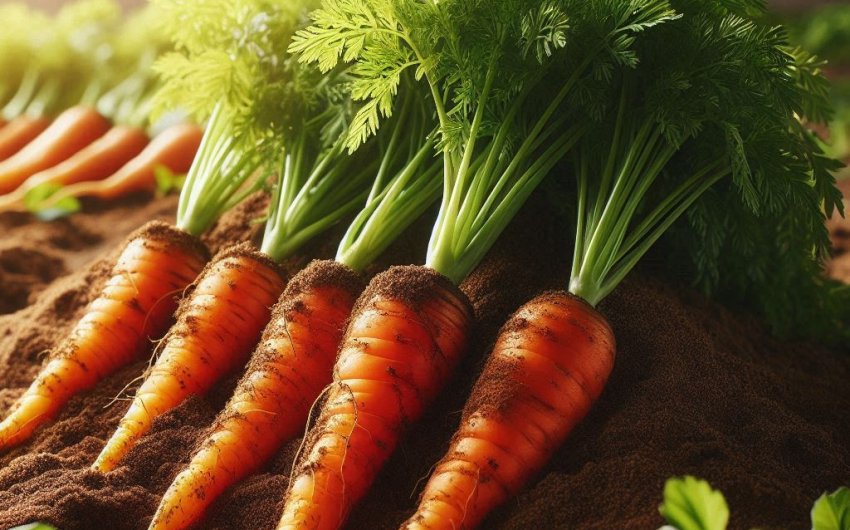
There's nothing quite like the sweet crunch of a freshly pulled, homegrown carrot. Known for their vibrant color and essential nutrients, carrots are a staple in many vegetable gardens. However, they can be a bit particular about their growing conditions, especially when it comes to soil. While they love loose, well-drained soil, sandy soil presents a unique set of challenges for the organic gardener aiming for straight, uniform roots. Sandy soil drains water and nutrients quickly, which isn't ideal for thirsty, hungry carrots. But don't despair! With the right organic methods, you can absolutely grow organic carrots in sandy soil and enjoy a bountiful, chemical-free harvest. This guide will show you how to transform your sandy plot into a carrot-growing paradise.
Why Sandy Soil is Tricky (and Great!) for Carrots
Sandy soil has both advantages and disadvantages when it comes to growing carrots organically.
The Good Side of Sandy Soil:
- Excellent Drainage: Sandy soil drains water very quickly. This prevents waterlogging, which can cause carrots to rot or develop fungal issues.
- Easy Root Growth: Its loose, gritty texture means there are no heavy clumps or rocks to block carrot roots. This is why carrots grown in ideal sandy loam (a mix of sand, silt, and clay) are often perfectly straight.
- Warms Up Quickly: Sandy soil warms up faster in spring, allowing for earlier planting.
The Tricky Side of Sandy Soil:
- Poor Water Retention: This is the biggest challenge. Water drains through sandy soil almost immediately, making it hard to keep carrots consistently moist, which they need.
- Poor Nutrient Retention: Nutrients leach (wash out) quickly from sandy soil because they don't have enough organic matter to "hold" onto them. This means carrots can easily become nutrient deficient.
- Low Organic Matter: Sandy soils typically have very little natural organic matter, which is the backbone of fertility and structure in an organic garden.
The key to growing organic carrots in sandy soil is to tackle these tricky aspects head-on, primarily by adding massive amounts of organic matter.
Step 1: Transform Your Sandy Soil with Organic Matter
This is the most crucial step! You need to improve sandy soil's ability to hold water and nutrients while maintaining its excellent drainage. Organic matter is the magic ingredient.
What Organic Matter to Add (and How Much):
- Compost: Your number one ally! Mix in a very generous amount of well-rotted organic compost into your carrot beds. Aim for at least 4-6 inches of compost mixed into the top 12-18 inches of soil. More is better! This is essential for retaining moisture and providing nutrients. You can find high-quality organic compost or easily make your own.
- Aged Manure: Well-rotted animal manure (cow, horse, chicken) is fantastic. It's rich in nutrients and organic matter. Ensure it's fully aged (at least 6-12 months) to avoid burning plants or introducing weed seeds.
- Leaf Mold: Decomposed leaves are an excellent soil conditioner. Collect fallen leaves in the fall and let them break down into crumbly leaf mold, then mix into your soil.
- Coir (Coconut Fiber): An eco-friendly alternative to peat moss, coir has excellent water retention properties. Mix it into your sandy soil. You can buy a compressed block of organic coir.
- Green Manure/Cover Crops: When your carrot bed is empty, plant a cover crop (like clover, oats, or buckwheat). These add organic matter when tilled under, improve soil structure, and some (like clover) even add nitrogen. A cover crop seed mix is a great investment for long-term soil health.
How to Amend Sandy Soil:
- Dig Deep: For carrots, you need to amend the soil to a depth of at least 12-18 inches, as this is how deep they can grow.
- Mix Thoroughly: Don't just dump material on top. Use a broadfork or shovel to thoroughly mix the organic matter into your sandy soil. The goal is to create a rich, dark, fluffy, and consistently moist planting medium.
- Consider Raised Beds: If your sandy soil is particularly challenging, or you want immediate results, building raised garden beds and filling them with a custom blend of amended soil is an excellent solution. A raised garden bed kit makes this easy.
Step 2: Choose the Right Organic Carrot Varieties
Some carrot varieties are better suited for less-than-perfect soil conditions.
Look for Shorter, Stump-Rooted Varieties:
While your amended sandy soil will be much better, shorter, stouter carrot varieties are often more forgiving.
- 'Danvers 126': A very adaptable, reliable variety that performs well in a range of soils.
- 'Nantes': Known for being sweet and nearly coreless, and generally adaptable.
- 'Thumbelina': A round "mini-carrot" that's perfect for heavy or very sandy soils, or even containers.
- 'Paris Market': Another round variety.
Always choose organic carrot seeds from a reputable supplier. This ensures they haven't been treated with synthetic chemicals. You can find many varieties of organic carrot seeds online.
Step 3: Planting Organic Carrots in Sandy Soil
Precision pays off with carrots!
When to Plant:
- Carrots are cool-season crops. Plant them 2-3 weeks before your last spring frost.
- You can also plant successive sowings every 2-3 weeks for a continuous harvest, and a fall crop.
Prepare the Seedbed:
- After amending, rake the soil smooth and remove any remaining small stones or clumps. A perfectly smooth surface helps carrots grow straight.
Sow Seeds Directly:
- Carrot seeds are tiny and should be sown directly into the garden bed. They don't transplant well.
- Shallow Planting: Sow seeds very shallowly, about 1/4 inch deep.
- Spacing: Sow them thinly in rows or broadcast them over a wider area. Aim for about 15 seeds per foot, as germination can be spotty.
- Keep Moist!: This is critical for germination in sandy soil. After sowing, water very gently but thoroughly. Keep the seedbed consistently moist until sprouts appear. You can lightly cover the rows with a thin board or burlap to retain moisture (remove as soon as sprouts appear!).
Thinning is Crucial:
- Once seedlings are 1-2 inches tall, thin them. This is often the hardest part for gardeners!
- Spacing: Thin to 2-4 inches apart for most varieties. Crowded carrots will result in small, crooked, or forked roots.
- How to Thin: Snip seedlings at the soil line with scissors to avoid disturbing nearby roots.
- Repeat: You might need to do a second thinning later for optimal spacing.
Step 4: Watering Organic Carrots in Sandy Soil
This is the biggest challenge when growing organic carrots in sandy soil – keeping them consistently moist.
Strategies for Consistent Moisture:
- Mulch, Mulch, Mulch!: After seedlings are a few inches tall, apply a 2-4 inch layer of organic mulch (like straw, shredded leaves, or grass clippings) around your carrot plants. Mulch dramatically reduces water evaporation, keeps soil temperatures more even, and slowly adds more organic matter. A bale of garden straw mulch is perfect for this.
- Frequent, Gentle Watering: In sandy soil, you might need to water more often than in heavier soils, but still aim for depth.
- Drip Irrigation/Soaker Hoses: These are ideal. They deliver water slowly and directly to the roots, minimizing waste and ensuring consistent moisture. A soaker hose kit is a great investment for sandy beds.
- Check Moisture: Stick your finger into the soil. If it's dry a few inches down, water.
- Avoid Overhead Watering: Once established, avoid using overhead sprinklers that wet the foliage, as this can encourage fungal diseases and promote quick evaporation.
Step 5: Fertilizing Organic Carrots (Naturally!)
Carrots are not heavy feeders, but in sandy soil, they will benefit from supplemental organic nutrients as they grow.
Organic Fertilizers for Carrots:
- Compost Tea: A fantastic, gentle liquid feed. Apply every 2-3 weeks. It provides a balanced array of nutrients and beneficial microbes. You can buy a kit to make your own compost tea brewer.
- Balanced Organic Liquid Fertilizer: Use a diluted liquid organic fertilizer (like organic fish emulsion or a balanced organic vegetable fertilizer) every 3-4 weeks.
- Worm Castings: Top-dress with a thin layer of worm castings around your carrots for a gentle, slow-release boost of nutrients and microbes.
Avoid High Nitrogen:
Too much nitrogen can cause carrots to grow lots of leafy tops at the expense of root development, leading to small, forked, or hairy roots. Rely on the balanced nutrients from your initial compost amendment and gentle liquid feeds.
Step 6: Organic Pest and Disease Management for Carrots
In an organic garden, healthy soil and consistent care are your best defenses against pests.
Common Pests and Organic Solutions:
- Carrot Rust Fly: This fly lays eggs near carrots, and the larvae tunnel into the roots, causing rust-colored tunnels.
- Solutions:
- Row Covers: Cover young seedlings with a fine mesh garden row cover to prevent the adult fly from laying eggs. This is very effective.
- Companion Planting: Strong-smelling herbs like rosemary or marigolds planted nearby are said to confuse the flies.
- Late Planting: Plant later in the season after the first generation of flies has passed.
- Solutions:
- Aphids: Occasionally found on carrot tops.
- Solutions: Strong spray of water, hand-picking, attracting beneficial insects (ladybugs, lacewings).
- Wireworms: Can bore holes into roots.
- Solutions: Encourage natural predators like ground beetles. Use crop rotation rigorously. Add compost to improve soil health, as wireworms prefer compacted soil.
Common Diseases and Organic Solutions:
- Forking/Branching: Usually due to obstacles in the soil (rocks, clumps) or too much nitrogen. Ensure thorough soil preparation and balanced feeding.
- Root Rot: Caused by overwatering or poor drainage. The extensive organic matter you added should prevent this. Ensure consistent, not soggy, moisture.
Harvesting Organic Carrots in Sandy Soil
With good care, your carrots will be ready for harvest!
When to Harvest:
- Check your seed packet for the "days to maturity."
- Carrots are usually ready when the top of the root shows about 1/2 to 1 inch of orange color above the soil line.
- Pull one to test its size.
- Don't wait too long, or they can become woody.
How to Harvest:
- Moisten Soil: Water the bed thoroughly a few hours before harvesting. This makes the sandy soil softer and easier to pull carrots without breaking them.
- Gently Pull: Grasp the greens close to the root and pull straight up.
- Succession Harvest: You can harvest larger carrots and leave smaller ones to grow, or pull all at once for storage.
By focusing on enriching your sandy soil with abundant organic matter, choosing the right organic carrot seeds, and providing consistent care, you'll overcome the challenges of sandy soil and enjoy a bumper crop of sweet, straight, and deliciously organic carrots right from your own garden. Happy pulling!