
How to Use Coffee Grounds in an Organic Garden Effectively?
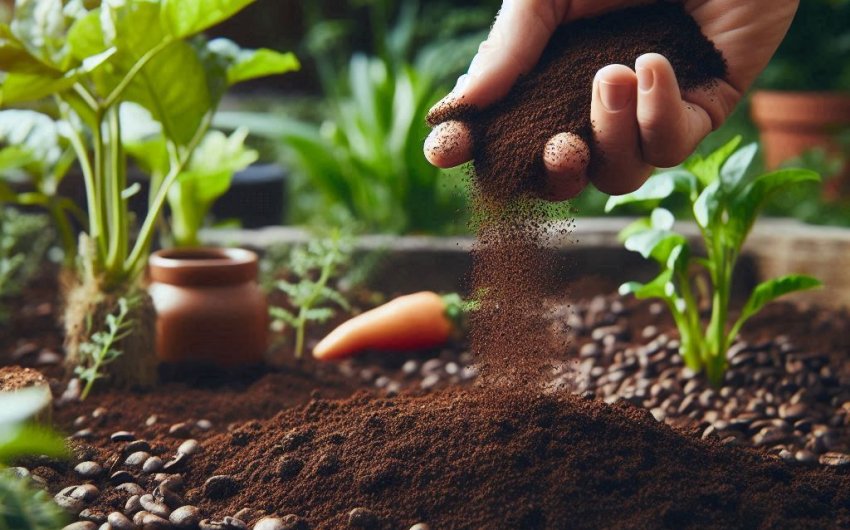
Using coffee grounds in an organic garden effectively involves incorporating them into compost, applying them as a balanced mulch, or utilizing them for specific plant needs, rather than applying them directly and heavily as a standalone fertilizer. While rich in nitrogen and organic matter, their acidity and potential for clumping require careful application.
What Are Coffee Grounds, and Why Use Them in an Organic Garden?
Coffee grounds are the spent, finely ground coffee beans leftover after brewing coffee. Far from being a waste product, they are a valuable organic resource that can be repurposed to enrich your garden soil and benefit plants in numerous ways, aligning perfectly with organic gardening principles.
Composition of Spent Coffee Grounds
When you brew coffee, most of the caffeine and acid are extracted into your cup. What's left in the grounds is still packed with beneficial components:
- Nutrients: Spent coffee grounds are rich in macronutrients, particularly nitrogen (N), making them a "green" material in composting terms. They also contain smaller amounts of phosphorus (P), potassium (K), and various micronutrients like calcium, magnesium, and boron.
- Organic Matter: They consist of about 2% nitrogen by volume, 0.3% phosphorus, and 0.3% potassium, along with a significant amount of organic carbon.
- pH: While coffee in your cup is acidic, spent coffee grounds are surprisingly close to neutral, often with a pH between 6.5 and 6.8, or slightly acidic. This is important to note, as a common misconception is that they are highly acidic.
- Physical Structure: They are fine-grained and tend to clump when wet.
Benefits of Using Coffee Grounds in an Organic Garden
Incorporating coffee grounds into your gardening practices offers several compelling advantages:
- Adds Nitrogen and Other Nutrients: Coffee grounds provide a slow-release source of nitrogen, which is essential for lush, green, leafy growth. They also contribute other valuable macro and micronutrients, acting as a gentle, long-lasting fertilizer.
- Boosts Soil Organic Matter: As coffee grounds decompose, they enrich the soil with organic matter. This improves soil structure, enhancing aeration, drainage in heavy clay soils, and water retention in sandy soils.
- Feeds Soil Microbes: The rich organic content in coffee grounds provides a feast for beneficial soil microorganisms, including bacteria and fungi. A thriving soil microbiome is vital for nutrient cycling and overall soil health.
- Attracts Earthworms: Earthworms are excellent soil engineers. They are attracted to coffee grounds, consume them, and their castings further improve soil structure and nutrient availability.
- Reduces Waste: Repurposing coffee grounds diverts them from landfills, reducing waste and supporting sustainable gardening practices.
- Odor Absorption: Coffee grounds can help absorb unpleasant odors in compost piles or around certain plants.
While popular myths suggest coffee grounds are a strong slug/snail deterrent or make soil very acidic, their primary benefits lie in their rich nutrient and organic matter content, making them an excellent amendment when used correctly.
Can I Use Coffee Grounds Directly on My Garden Soil?
Using coffee grounds directly on garden soil is possible, but it requires careful application to avoid potential problems. While they offer benefits, simply dumping large quantities can lead to issues.
Cautions and Potential Problems with Direct Application:
- Clumping and Compaction: Wet coffee grounds are very fine and tend to clump together and form a dense layer. This can:
- Impede Water Penetration: Create a barrier that prevents water from soaking into the soil, leading to runoff and depriving roots of moisture.
- Reduce Air Circulation: Suffocate plant roots by reducing oxygen exchange in the soil, potentially leading to root rot.
- Nitrogen Imbalance (if used excessively): While rich in nitrogen, the C:N ratio of coffee grounds is still relatively low compared to high-carbon "brown" materials. Applying too much without balancing it can cause a temporary nitrogen surge, followed by a slight draw-down as microbes initially break them down.
- Potential for Mold/Fungal Growth: In damp, poorly aerated conditions, coffee grounds can develop white or greenish mold. While often harmless to plants, it indicates insufficient air circulation.
- Attraction of Pests (if used improperly): If applied in very thick layers, or left exposed, the residual sugars can attract fruit flies, ants, or even larger pests.
- Caffeine Content: While most caffeine is extracted during brewing, some remains. While typically not enough to harm established plants in moderation, extremely high concentrations could theoretically inhibit seedling growth. This is more of a concern for very sensitive plants or when used in excessive quantities.
- pH Misconception: As noted, spent coffee grounds are largely pH neutral (around 6.5-6.8) or slightly acidic. They are not typically acidic enough to significantly alter soil pH, contrary to popular belief. If your goal is to acidify soil for acid-loving plants, other amendments like elemental sulfur or peat moss are much more effective.
Best Practices for Direct Application:
If you choose to apply coffee grounds directly to your soil, moderation and proper technique are key:
- Light, Thin Layers: Sprinkle coffee grounds in very thin layers (no more than 1/2 inch thick) around plants or over garden beds.
- Mix into Soil (Lightly): Gently rake or scratch the coffee grounds into the top inch or two of soil immediately after application. This helps prevent clumping and incorporates them where microbes can access them.
- Combine with Other Mulches: Mix coffee grounds with other organic mulches like wood chips, straw, or dry leaves. This helps break up the clumping tendency and provides a more balanced C:N ratio for decomposition.
- Avoid Seedlings: Do not apply coffee grounds heavily around very young or delicate seedlings, as the clumping or residual caffeine could potentially affect their sensitive roots. Wait until plants are more established.
- Observe Your Plants: Pay attention to how your plants respond. If you notice any signs of stress, yellowing, or stunted growth after application, reduce or stop using coffee grounds directly.
While direct application can work, incorporating coffee grounds into compost is generally the safest and most effective method for long-term soil health benefits, minimizing the risks associated with clumping and potential imbalances.
What Are the Best Ways to Use Coffee Grounds in Compost?
Incorporating coffee grounds into your compost pile is arguably the most effective and safest way to utilize them in an organic garden. Composting them mitigates the issues of clumping and potential imbalances, transforming them into a nutrient-rich, perfectly balanced soil amendment.
1. As a "Green" (Nitrogen) Component
- Compost Classification: Coffee grounds are considered a "green" material in composting, meaning they are relatively high in nitrogen.
- Balancing Act: A healthy compost pile requires a good balance of "greens" (nitrogen-rich, fresh, moist materials) and "browns" (carbon-rich, dry, woody materials).
- The Ideal Ratio: Aim for a carbon-to-nitrogen (C:N) ratio of about 25-30 parts carbon to 1 part nitrogen. Coffee grounds generally have a C:N ratio of around 20:1, so they contribute well to the nitrogen side.
- How to Use:
- Layering: Alternate thin layers of coffee grounds with thicker layers of "brown" materials like dry leaves, shredded cardboard, wood chips, or straw. This helps prevent clumping and ensures good aeration.
- Mixing: When adding coffee grounds, especially in larger quantities, mix them thoroughly with the existing compost material and fresh browns. Don't just dump them in a single lump.
2. Benefits of Composting Coffee Grounds
- Prevents Compaction: Mixing with coarser brown materials prevents the coffee grounds from clumping and forming an impenetrable layer.
- Enhanced Decomposition: The nitrogen in coffee grounds boosts microbial activity, helping to break down carbon-rich materials faster and heat up the pile.
- Nutrient Cycling: The composting process makes the nutrients in coffee grounds (and other materials) more readily available to plants.
- No Pest Attraction: When properly buried and balanced, coffee grounds in compost are far less likely to attract fruit flies, ants, or rodents than when applied directly in thick, exposed layers.
- Improved Compost Structure: Fully decomposed coffee grounds contribute to a fine, rich, and crumbly finished compost that improves soil structure.
- Attracts Earthworms: Coffee grounds are highly palatable to earthworms, which are excellent at aerating the compost and converting organic matter into nutrient-rich castings.
3. Sourcing and Storing Coffee Grounds for Compost
- Home Use: Collect grounds from your daily coffee brewing.
- Local Coffee Shops: Many coffee shops are happy to give away their spent grounds for free. Call ahead to ask. They often generate large quantities.
- Storage: Store collected grounds in a breathable container (e.g., a bucket with holes, an old burlap sack) in a cool, dry place to prevent them from becoming moldy or anaerobic before adding them to your compost. Don't store them in sealed plastic bags for long periods if they are wet.
4. Vermicomposting (Worm Composting)
- Excellent for Worms: Red wiggler worms, used in vermicomposting, absolutely love coffee grounds.
- Benefits: Coffee grounds provide a good food source and grit for the worms' gizzards, aiding digestion.
- Application: Add coffee grounds to your worm bin in moderation (e.g., a few handfuls per week for a standard bin), mixed with bedding material. Avoid adding too much at once, as it can cause heat or acidity spikes in the small environment of a worm bin.
- Result: You'll get highly nutrient-rich worm castings, an incredibly potent organic fertilizer.
By integrating coffee grounds into your composting strategy, you harness their full potential, transforming them into a powerhouse amendment that significantly benefits your organic garden without any of the direct application drawbacks.
What Plants Benefit Most from Coffee Grounds?
While coffee grounds can benefit most plants when properly composted and integrated into the soil, some plants are particularly known to appreciate their attributes. This is often due to their nitrogen content, the general improvement in soil structure, or a slight preference for slightly acidic conditions.
1. Acid-Loving Plants (Mildly)
While spent coffee grounds are not as acidic as commonly believed, they are generally on the slightly acidic to neutral side. When they decompose, they contribute to a stable soil pH that slightly favors acid-loving plants over a long period.
- Blueberries: Famous acid-lovers, blueberries will benefit from the addition of compost rich in coffee grounds, or light topdressing of grounds. Remember, a soil pH test is crucial for blueberries, and elemental sulfur is still the most effective way to lower pH significantly.
- Azaleas and Rhododendrons: These ornamental shrubs thrive in acidic conditions and will appreciate coffee grounds mixed into their soil or used as a light mulch.
- Hydrangeas: For blue hydrangeas, which require acidic soil, coffee grounds can contribute, but aluminum sulfate is typically needed for vivid blue color.
- Camellias and Gardenias: Also acid-loving plants that can benefit from coffee grounds.
2. Nitrogen-Hungry Plants
Since coffee grounds are a good source of nitrogen, plants that benefit from regular nitrogen boosts for lush foliage will respond well.
- Leafy Greens: Lettuce, spinach, kale, Swiss chard, collard greens, and mustard greens will appreciate the nitrogen for healthy leaf development.
- Brassicas: Cabbage, broccoli, cauliflower, and Brussels sprouts are heavy feeders that benefit from consistent nitrogen.
- Corn: A very hungry plant that needs a lot of nitrogen throughout its growth cycle.
- Fruiting Vines: Squash, cucumbers, and melons (especially during their vegetative growth phase before flowering) can benefit from increased nitrogen.
3. Roses
Roses are known to be heavy feeders and often thrive with the additional nitrogen and organic matter provided by coffee grounds. Anecdotal evidence suggests coffee grounds can promote vigorous growth and even deter some pests (though this is not scientifically proven).
- Application: Mix composted coffee grounds into the soil around the base of rose bushes or apply a thin layer as a mulch.
4. Carrots and Root Vegetables
When properly incorporated into the soil (not as a thick, clumping layer), coffee grounds can improve soil texture.
- Benefits: This can lead to looser, more easily penetrable soil, which is ideal for root crops like carrots, radishes, and potatoes, allowing them to grow straight and large.
- Application: Best used in compost that is then dug into the root vegetable bed, or as a very thin, well-mixed topdressing.
5. Plants that Attract Earthworms
Any plant growing in soil amended with coffee grounds will benefit indirectly from increased earthworm activity. Earthworms create tunnels that improve aeration and drainage, and their castings are a fantastic natural fertilizer.
Important Notes:
- Moderation: Even for these beneficial plants, moderation is key. Never apply thick, compacted layers of pure coffee grounds directly to the soil.
- Compost is Best: For consistent, balanced nutrient delivery and to avoid all the potential direct application issues, always prioritize incorporating coffee grounds into your compost pile. The finished compost can then be used universally.
- Soil Test: A soil test is always the best way to determine your garden's specific nutrient needs and pH levels, ensuring you provide exactly what your plants require.
What Are Some Common Misconceptions About Coffee Grounds in the Garden?
While coffee grounds offer many benefits for organic gardening, several persistent myths and misconceptions about their properties and uses can lead to ineffective or even harmful practices. Let's debunk some of the most common ones.
Misconception 1: Coffee Grounds Are Highly Acidic
- The Myth: A widely held belief is that spent coffee grounds are very acidic and should only be used for acid-loving plants, or to significantly lower soil pH.
- The Reality: While brewed coffee is acidic, most of the acidity is extracted into the liquid. Spent coffee grounds are surprisingly close to neutral, typically ranging from a pH of 6.5 to 6.8, or slightly acidic at most. This means they will not significantly alter your soil's pH, especially in the long term, unless applied in enormous, uncomposted quantities.
- Implication: You don't need to worry about coffee grounds making your soil too acidic for non-acid-loving plants when used in moderation or in compost. If you need to acidify your soil for true acid-lovers like blueberries, use more potent amendments like elemental sulfur.
Misconception 2: Coffee Grounds Deter Slugs and Snails
- The Myth: Many believe that the texture or caffeine content of coffee grounds deters slugs and snails.
- The Reality: Scientific studies and anecdotal evidence are mixed at best. While some slugs might be slightly deterred by a very dry, gritty barrier of coffee grounds, it's generally not an effective or reliable long-term solution. Once wet, the grounds lose any abrasive quality. More effective organic deterrents include copper tape, iron phosphate baits, or creating beer traps.
Misconception 3: Coffee Grounds Repel Cats
- The Myth: Some people believe that sprinkling coffee grounds around plants will keep cats from using garden beds as litter boxes.
- The Reality: Similar to slugs, the effectiveness for cat deterrence is highly debatable and often inconsistent. Cats may initially avoid the smell or texture, but a determined cat will likely overcome it. More effective deterrents involve physical barriers or motion-activated repellents.
Misconception 4: Coffee Grounds Kill Weeds
- The Myth: That caffeine in the grounds acts as a natural herbicide, suppressing weed growth.
- The Reality: While some studies suggest high concentrations of caffeine can inhibit seed germination or growth in laboratory settings, the amount of residual caffeine in spent coffee grounds is generally too low to act as a significant weed killer or pre-emergent herbicide in a garden setting. Their benefit in weed control comes indirectly, as a mulch, by blocking sunlight to weed seeds.
Misconception 5: You Can Use Any Kind of Coffee Grounds
- The Myth: All coffee grounds are the same for gardening.
- The Reality: While most spent coffee grounds are fine, be aware of what might be in them.
- Sugars/Sweeteners: Avoid grounds that contain added sugars or artificial sweeteners, as these can attract pests or harm soil microbes.
- Dairy/Creamer: Do not add grounds mixed with dairy products or creamer to your compost or garden, as dairy can attract rodents and produce odors. Stick to plain, brewed coffee grounds.
Misconception 6: Coffee Grounds are a Complete Fertilizer
- The Myth: Coffee grounds alone provide all the nutrients a plant needs.
- The Reality: While they are a good source of nitrogen and contain trace amounts of other nutrients, they are not a complete, balanced fertilizer. They lack sufficient phosphorus and potassium for many plants' overall needs.
- Implication: Use coffee grounds as a supplementary amendment or as a compost component, but don't rely on them as the sole nutrient source for your garden. A comprehensive organic fertilization plan still incorporates compost, balanced organic fertilizers, and potentially a soil test.
By understanding these common misconceptions, you can use coffee grounds in your organic garden more effectively and avoid potential pitfalls, harnessing their true benefits for soil health and plant vitality.