
How to Grow Your Own Salad Greens at Home?
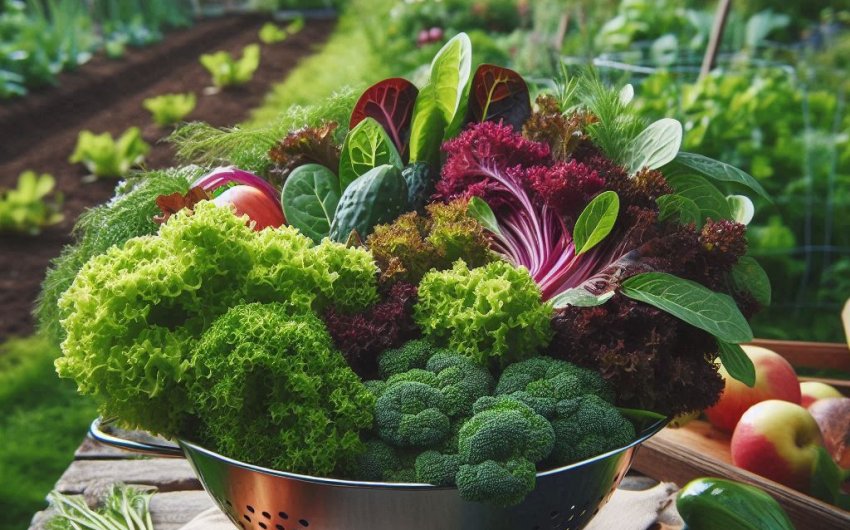
Why Grow Your Own Salad Greens?
Imagine walking out to your garden, snipping a handful of crisp, vibrant lettuce leaves, and having them on your plate just minutes later. No trips to the grocery store, no worries about pesticides, and the freshest salad you've ever tasted! Growing your own salad greens at home is one of the easiest and most rewarding gardening projects, even for beginners.
There are so many great reasons to become a home gardener of lettuce and other greens:
- Unbeatable Freshness and Flavor: Store-bought greens often travel long distances, losing flavor and nutrients along the way. When you grow your own, you pick them at their peak, and the difference in taste is incredible. They’ll be crispier, more flavorful, and simply more alive.
- Cost Savings: A single head of organic lettuce can be pricey, and those pre-washed bags add up quickly. Growing your own, especially with a "cut-and-come-again" method, provides a continuous harvest for a fraction of the cost. Your initial investment in seeds is tiny compared to what you'd spend buying greens.
- Complete Control Over What You Eat: When you grow your own, you know exactly what goes into your food. No hidden chemicals, no unexpected residues. You can choose to grow truly organic salad greens, giving you peace of mind about what you're serving your family.
- Convenience: Fresh salad ingredients are just steps away, whenever you want them. No more running to the store for that forgotten bag of spinach! This makes it easier to eat healthier and enjoy more salads.
- Variety Galore: The grocery store usually offers a limited selection of greens. When you grow your own, you unlock a world of exciting varieties – from spicy arugula to tender butterhead lettuces, colorful red romaine, and unique mustard greens. You can create custom salad mixes you'd never find pre-packaged.
- Easy and Fast: Many salad greens are incredibly forgiving and grow very quickly. You can often harvest them in just a few weeks after planting! They don't require a lot of space either, making them perfect for small gardens, container gardening, or even windowsills.
- Fun and Rewarding: There’s a special joy that comes from nurturing a plant and then enjoying its delicious harvest. It connects you to your food and the natural world, providing a sense of accomplishment.
Whether you have a sprawling backyard or just a sunny balcony, growing your own salad greens is accessible to everyone. Let's dive into how you can start your own edible green patch!
What Kind of Salad Greens Can I Grow?
The world of salad greens is much bigger than just iceberg lettuce! There's an incredible variety of textures, flavors, and colors to explore. Choosing a mix of different types will make your salads exciting and ensure you have something to harvest almost year-round.
Here are some popular and easy-to-grow salad green categories:
1. Lettuces (Lactuca sativa)
Lettuce is the superstar of salads, and there are many types beyond the basic head. Most lettuces prefer cool weather.
- Loose-Leaf Lettuces: These are the easiest to grow, perfect for "cut-and-come-again" harvesting. You pick outer leaves, and the plant keeps producing. They come in many colors and textures.
- Examples: 'Black Seeded Simpson' (classic green, crinkled), 'Red Salad Bowl' (bronze-red, deeply lobed), 'Oakleaf' (green or red, lobed like oak leaves).
- Why they're great: Fast-growing, continuous harvest, rarely bolt (go to seed) as quickly as head lettuces.
- Romaine Lettuces (Cos): Known for their crisp texture and slightly bitter flavor, forming upright, elongated heads.
- Examples: 'Parris Island Cos' (classic), 'Outredgeous' (beautiful red romaine).
- Why they're great: Add crunch and a distinctive flavor to Caesar salads.
- Butterhead Lettuces (Boston, Bibb): These form loose, buttery soft heads with tender leaves.
- Examples: 'Buttercrunch' (classic), 'Tom Thumb' (miniature).
- Why they're great: Silky texture, mild flavor, great for delicate salads.
- Crisphead Lettuces (Iceberg): While popular in stores, these are much harder to grow at home, needing long cool seasons to form tight heads. Stick to loose-leaf, romaine, or butterhead for easier success.
2. Spinach (Spinacia oleracea)
A super healthy and popular green, known for its mild, earthy flavor. Spinach is a cool-season crop that can bolt quickly in heat.
- Examples: 'Bloomsdale Long Standing' (savoyed, good for steaming), 'Tyee' (smooth leaf, slow to bolt).
- Why it's great: High in nutrients, can be used raw in salads or cooked. It grows quickly.
3. Arugula (Eruca vesicaria sativa)
Also known as "rocket," arugula has a wonderfully peppery, pungent flavor that adds a kick to any salad. It's a very fast grower.
- Why it's great: Adds bold flavor, very quick to mature, tolerant of some heat, but can bolt quickly in hot weather, making leaves more bitter.
4. Mustards (Brassica juncea)
These greens offer a range of spicy to pungent flavors, from mild to quite fiery. They are beautiful with varying leaf shapes and colors.
- Examples: 'Osaka Purple' (beautiful purple leaves), 'Green Wave' (frilly, bright green, spicy).
- Why they're great: Add zest and visual interest, very cold hardy, great for cool-season gardening.
5. Asian Greens
This broad category includes many leafy vegetables with diverse flavors and textures, often with a mild mustardy note. Many are fast-growing.
- Examples:
- Pak Choi (Bok Choy): Crisp stems and tender leaves, mild flavor.
- Tatsoi: Small, spoon-shaped leaves forming a flat rosette, mild and tender.
- Mizuna: Lacy, deeply cut leaves, mild peppery flavor.
- Why they're great: Quick to mature, unique flavors, good for stir-fries as well as salads.
6. Other Greens and Herbs
Don't forget these additions to your salad bowl:
- Swiss Chard: Younger leaves are tender and colorful, great in mixes.
- Kale (baby leaves): While usually cooked, young, tender kale leaves (like 'Red Russian' or 'Lacinato') can be a hearty addition to salads.
- Mâche (Corn Salad): Small, tender, nutty-flavored leaves, excellent in cool weather.
- Edible Flowers: Nasturtiums (peppery), calendula (mild), violas (sweet).
- Herbs: Dill, parsley, cilantro, chives – snip a few leaves to add fresh flavor dimensions.
When choosing salad green seeds, look for varieties marked "loose-leaf," "cut-and-come-again," or "baby leaf" for the easiest and most productive home growing. Consider a salad greens seed mix for instant variety.
Where Can I Grow Salad Greens? (Location & Containers)
One of the best things about salad greens is how versatile they are when it comes to location. You don't need a huge garden plot to enjoy fresh greens. They are perfect for small spaces, container gardening, and even indoor gardening.
1. In-Ground Garden Beds
If you have an existing garden, planting salad greens directly in the ground is an excellent option.
- Requirements: A well-drained spot with good full sun (at least 6 hours of direct sunlight per day, though some greens appreciate partial shade in hot climates).
- Soil: Loose, fertile soil rich in organic matter. Amend heavy clay soils with compost to improve drainage, and sandy soils to improve moisture retention.
- Benefits: Plenty of space for larger harvests, and the soil naturally stays cooler.
- Consideration: Easier for pests like slugs and snails to access, so consider slug deterrents like organic slug and snail bait.
2. Raised Garden Beds
Raised beds are a fantastic choice for salad greens, offering many advantages.
- Requirements: Can be placed on any flat surface (patio, lawn, concrete). Needs a good quality raised bed soil mix.
- Benefits:
- Better Drainage: Raised beds almost always have superior drainage, preventing soggy roots.
- Warmer Soil: The soil warms up faster in spring, allowing earlier planting.
- Pest Control: Slightly elevated, which can make it harder for some ground-dwelling pests to reach.
- Easier Access: Less bending over for planting, weeding, and harvesting.
- Custom Soil: You fill them with ideal potting mix or a custom raised bed soil blend. A raised garden bed kit can get you started.
3. Container Gardening (Pots, Troughs, Window Boxes)
This is where salad greens truly shine for small spaces!
- Requirements:
- Containers: Almost any container will work, as long as it has drainage holes at the bottom. Shallow containers (6-8 inches deep) are usually enough for most greens, but deeper ones give more room for roots. Think wide, rather than deep.
- Examples: Terra cotta pots, plastic pots, fabric grow bags, repurposed buckets, window boxes, plastic storage bins (drill holes!). A fabric grow bag is excellent for greens due to good drainage and aeration.
- Potting Mix: Always use a high-quality potting mix (not garden soil!) that's designed for containers. It provides good drainage and aeration.
- Sunlight: Place containers where they receive at least 4-6 hours of direct sunlight.
- Benefits:
- Flexibility: You can move containers to follow the sun, find cooler spots in summer, or protect plants from harsh weather.
- Pest Control: Easier to monitor and hand-pick pests.
- No Weeding: If you start with fresh potting mix, you'll have very few weeds.
- Accessibility: Great for patios, balconies, decks, and even windowsills.
4. Indoors
Yes, you can grow salad greens right inside your home!
- Requirements:
- Light: A bright, sunny windowsill that gets at least 6 hours of direct sun is essential. South-facing windows are usually best. Without enough natural light, leaves will be leggy and pale.
- Grow Lights: For best results, or if natural light is insufficient, use a grow light. Simple LED shop lights can work well for leafy greens.
- Containers: Small pots or trays with drainage.
- Potting Mix: Light, well-draining potting mix.
- Temperature: Average room temperature (60-70°F or 15-21°C) is fine for most greens.
- Benefits: Fresh greens year-round, no outdoor pests, great for apartment dwellers or cold climates.
No matter your space, there's a way to grow delicious salad greens right at home. The most important thing is to ensure your chosen spot gets enough light and that your plants have good drainage.
How to Plant Salad Greens from Seed?
Growing salad greens from seed is incredibly easy and much more cost-effective than buying seedlings. Plus, you get to choose from a much wider variety of exciting types!
1. Choose Your Seeds
- Variety is Key: Decide which types of greens you want to grow. Consider different colors, textures, and flavors. A salad greens seed mix is a great option for beginners.
- Cool vs. Warm Season: Most salad greens are cool-season crops, meaning they prefer temperatures between 50-75°F (10-24°C). They can "bolt" (go to seed, making leaves bitter) quickly in hot weather. Plan your planting times accordingly – spring and fall are ideal. Some varieties are more "heat tolerant" or "slow bolt."
- Check the Date: Always check the seed packet for the "packed for" year. Fresh seeds germinate better.
2. Prepare Your Soil or Potting Mix
- In-Ground/Raised Beds: Ensure your soil is loose, well-drained, and rich in organic matter. Mix in some compost before planting. Smooth the surface gently.
- Containers: Fill your chosen containers with a high-quality, well-draining potting mix. A bag of potting mix is essential here; never use heavy garden soil. Lightly moisten the mix before planting.
3. Sowing the Seeds
Salad greens can be planted in a few ways:
- Direct Sowing (Outdoor): This is the easiest method for most greens.
- Read the Seed Packet: Check the recommended planting depth (usually shallow, like 1/4 to 1/2 inch) and spacing.
- Make Furrows: Use a stick or the edge of a trowel to make shallow furrows (small trenches) in your prepared soil.
- Sow Thinly: Sprinkle the seeds thinly along the bottom of the furrow. Sowing too thickly leads to crowded plants that don't grow well.
- Lightly Cover: Gently cover the seeds with a thin layer of soil or potting mix.
- Water Gently: Water very gently using a fine spray from a hose or a watering can with a rose attachment to avoid washing away the tiny seeds. Keep the soil consistently moist until germination.
- Broadcasting (Outdoor or Container): This is great for a "cut-and-come-again" harvest of mixed greens.
- Prepare Surface: Smooth the soil surface of your bed or container.
- Sprinkle Seeds: Scatter the seeds evenly over the surface of the soil. Aim for a relatively even, but not too dense, distribution.
- Lightly Cover: Gently sprinkle a very thin layer (about 1/8 to 1/4 inch) of soil or potting mix over the broadcasted seeds.
- Water Gently: Water with a fine mist.
- Indoor Seed Starting (Optional, for extending seasons):
- Use seed starting trays or small pots filled with seed starting mix.
- Sow seeds thinly, about 1/4 inch deep.
- Keep moist and warm (using a heat mat can speed germination).
- Provide plenty of light (a grow light is usually necessary).
- Thin seedlings once they have a few true leaves, and transplant them outdoors or into larger containers when they are a few inches tall.
4. Watering After Planting
- Crucial Moisture: Keeping the soil consistently moist (but not soggy) is absolutely critical for seed germination. If the soil dries out even once during this stage, your seeds might fail.
- Fine Mist: Use a watering can with a fine rose or a gentle mist setting on your hose nozzle to avoid disturbing the tiny seeds.
- Regular Checks: Check the soil moisture daily, especially in containers which dry out faster.
5. Thinning (If Needed)
If you sowed your seeds a bit too thickly and your seedlings are crowded, you'll need to thin them.
- Why Thin? Crowded plants compete for light, water, and nutrients, leading to weaker, smaller harvests.
- How to Thin: Once your seedlings have developed a set or two of "true leaves" (the leaves that look like the mature plant, not the first two "seed leaves"), gently pull out the weaker seedlings to achieve the recommended spacing on your seed packet. You can even eat the thinnings in a mini-salad!
With a little attention to detail during planting, you'll soon see those tiny green shoots emerge, promising delicious salads to come!
Caring for Your Salad Greens (Water, Sun, Pests)
Once your salad greens are growing, giving them the right care will ensure a continuous supply of crisp, delicious leaves. They're generally low-maintenance, but a little attention goes a long way.
1. Watering
- Consistency is Key: Salad greens need consistent moisture. They have shallow roots and dry out quickly, especially in containers. If they get too dry, they can become bitter or bolt (go to seed) prematurely.
- Keep Soil Moist: Aim to keep the soil consistently moist, like a wrung-out sponge. Don't let it become waterlogged, though, as this can lead to root rot.
- Frequency:
- Containers: Often need watering daily, especially in warm or sunny weather. In hot climates, twice a day might be necessary.
- In-Ground/Raised Beds: Might need watering every 2-3 days, depending on weather and soil type.
- How to Water: Water deeply at the base of the plants. Avoid overhead watering (spraying water on the leaves), especially in the evening, as wet leaves can encourage fungal diseases. Use a watering can with a long spout or a soaker hose.
2. Sunlight and Temperature
- Sunlight: Most salad greens prefer full sun (at least 6 hours of direct sunlight) for the best growth and flavor. However, in very hot climates (like temperatures consistently above 80°F or 27°C), they will appreciate some afternoon shade to prevent bolting and bitterness. You might need to move containers to a shadier spot or provide some temporary shade cloth.
- Temperature: Salad greens are generally cool-season crops.
- Ideal: They thrive in temperatures between 50-75°F (10-24°C).
- Too Hot: When temperatures rise above 80°F (27°C) for extended periods, many varieties will "bolt" (send up a flower stalk) and their leaves will become bitter.
- Too Cold: Many greens, especially mustard greens and some lettuces, can tolerate light frosts. For harder freezes, you might need to use a row cover to protect them.
3. Fertilizing
- Nutrient Needs: Salad greens are mainly grown for their leaves, so they appreciate a good supply of nitrogen for lush, green growth.
- Initial Boost: If you started with a good quality potting mix or enriched your garden soil with compost, your plants will have enough nutrients for the first few weeks.
- Mid-Season Feed: For continuous harvesting (especially with "cut-and-come-again" methods), a light feeding every 2-4 weeks can be beneficial.
- What to Use: Use a balanced liquid organic fertilizer or an organic granular fertilizer that's higher in nitrogen. Dilute liquid fertilizers according to package directions.
4. Pest Control
Even salad greens can attract unwanted visitors. The good news is that organic pest control is usually very effective for these plants.
- Common Pests:
- Aphids: Small, pear-shaped insects that cluster on new growth and suck sap.
- Slugs and Snails: Leave slime trails and chew holes in leaves, especially in damp conditions.
- Flea Beetles: Tiny black beetles that chew small "shotgun holes" in leaves.
- Cabbage Worms: Green caterpillars that munch holes in brassicas (kale, mustard greens).
- Organic Solutions:
- Hand-picking: For larger pests like slugs or caterpillars, simply pick them off and drop them into a bucket of soapy water.
- Insecticidal Soap Spray: For aphids, whiteflies, and spider mites, use a homemade insecticidal soap spray. Apply in the evening.
- Diatomaceous Earth: For slugs, snails, and some crawling insects, sprinkle a barrier of food-grade diatomaceous earth around plants (reapply after rain).
- Row Covers: For protection against flea beetles, cabbage worms, and flying insects, drape lightweight floating row covers over your plants.
- Attract Beneficial Insects: Plant flowers like dill or calendula to attract ladybugs and lacewings, which eat aphids.
- Inspection: Regularly inspect your plants, especially the undersides of leaves, to catch pest problems early before they become severe.
By providing consistent care, you’ll be enjoying fresh, homegrown salad greens for many months!
Harvesting Your Salad Greens (Cut-and-Come-Again Method)
Harvesting salad greens is perhaps the most satisfying part of the whole process! And the best news is that many types of greens can be harvested repeatedly, giving you a continuous supply from just one planting. This is known as the "cut-and-come-again" method.
When to Harvest
- Early and Often: Most salad greens can be harvested as "baby greens" when they are just 3-4 inches tall (around 3-4 weeks after planting). For larger leaves, wait a few more weeks.
- Before Bolting: Try to harvest before hot weather causes the plants to "bolt" (send up a flower stalk). Once they bolt, the leaves often become bitter and tough. Harvesting frequently can sometimes delay bolting slightly.
- Coolest Part of the Day: Harvest in the early morning after the dew has dried, but before the heat of the day. The leaves will be crisper and hold their freshness longer.
How to Harvest (The "Cut-and-Come-Again" Method)
This method allows your plants to regrow after harvesting, providing multiple cuttings from the same plant.
- Locate the Growth Point: Look at the base of the plant. You'll see individual leaves growing outwards from a central point.
- Cut Outer Leaves: Using clean kitchen shears or a sharp knife, snip off the outer, mature leaves. Cut them about an inch or two above the soil line. Be careful not to damage the central growing point of the plant.
- Leave the Center: Leave the inner, smaller leaves to continue growing. These are the ones that will develop into your next harvest.
- Harvest What You Need: Only pick as much as you plan to eat in the next day or two for ultimate freshness.
- Rotate Your Plants (or sections): If you have multiple plants or rows, you can rotate your harvesting, picking from one section each day or every other day, allowing the others to recover. This ensures a constant supply.
Examples of "Cut-and-Come-Again" Greens:
- Loose-leaf lettuces: 'Black Seeded Simpson', 'Red Salad Bowl', 'Oakleaf'
- Spinach
- Arugula
- Mizuna
- Tatsoi
- Mustard greens
- Kale (baby leaves)
Harvesting Head-Forming Lettuces (Romaine, Butterhead)
While these can be harvested "cut-and-come-again" by taking outer leaves, they often taste better and form nicer heads if you harvest the whole plant.
- Whole Head Harvest: Cut the entire head off at the base of the plant, just above the soil line. Sometimes, if you leave a small stump, it might produce a small flush of new leaves.
After Harvesting
- Rinse Gently: Rinse your freshly harvested greens under cool water immediately.
- Spin Dry: Use a salad spinner to remove excess water. This is crucial for crispness.
- Store Properly: Store greens in a sealed container or bag lined with a paper towel in the refrigerator. This helps them stay fresh for several days.
Planning for Continuous Harvests (Succession Planting)
To ensure you always have fresh greens, consider succession planting.
- Staggered Sowing: Every 2-3 weeks, plant a small new batch of seeds.
- New Location: If growing in rows, start a new short row. If using containers, have a few pots going at different stages of growth.
- Year-Round Potential: By staggering plantings and managing for hot/cold weather (using shade cloth or row covers, or moving indoors), you can enjoy salad greens almost all year long!
With regular harvesting and a little planning, your garden will become your personal salad bar, providing fresh, healthy, and delicious greens whenever you want them.