
How to Build a Greenhouse for Year-Round Gardening?
Why Build a Greenhouse for Your Garden?
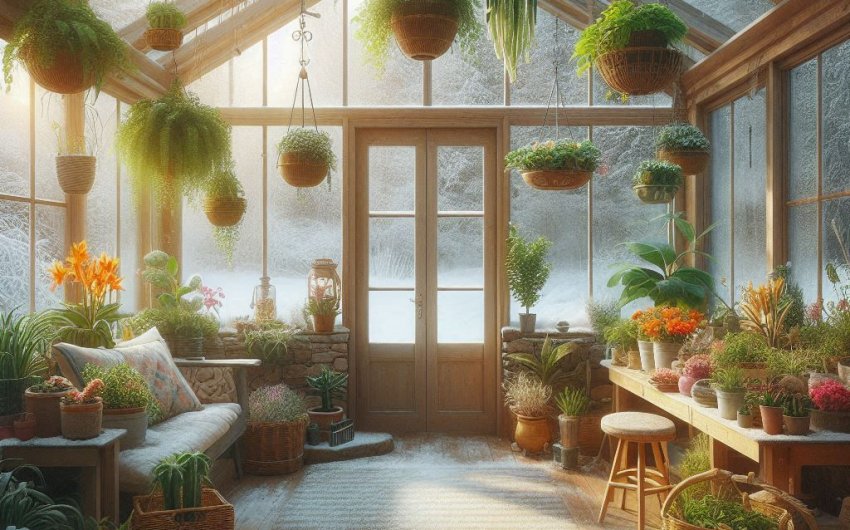
Imagine stepping into a warm, humid oasis filled with vibrant green plants, while outside, snow might be falling or a chilling wind is blowing. That's the magic of a greenhouse! For any gardener who dreams of fresh produce and blooming flowers year-round, a greenhouse is an absolute game-changer. It's more than just a fancy shed; it's a controlled environment that extends your growing season far beyond what's possible outdoors.
So, why go through the effort of building one? The benefits are huge:
- Year-Round Gardening: This is the big one! A greenhouse lets you grow cool-season crops in winter and even sensitive tropical plants. You're no longer limited by frost dates or short summers. Imagine harvesting fresh tomatoes in December or starting your spring seedlings in February when it's freezing outside. This makes year-round gardening a reality.
- Extended Growing Season: Even if you don't garden through winter, a greenhouse allows you to start seeds much earlier in spring and keep plants productive later into fall. This means multiple harvests for many crops and longer enjoyment of your favorite flowers.
- Pest and Disease Control: While not completely immune, the enclosed environment of a greenhouse provides a barrier against many common garden pests like deer, rabbits, and many flying insects. It also makes it easier to manage diseases by controlling humidity and preventing spore spread from outdoor sources. It's a natural form of pest management.
- Optimal Growing Conditions: You have much more control over the environment inside a greenhouse. You can regulate temperature, humidity, and ventilation, creating ideal conditions for specific plants that might struggle outdoors in your climate. This leads to healthier, more robust plants and often bigger, better harvests.
- Protection from Harsh Weather: Your plants will be safe from strong winds, heavy rain, hail, and unexpected cold snaps. This reduces plant stress and damage, ensuring a more consistent yield.
- Seed Starting Powerhouse: A greenhouse is perfect for seed starting. You can grow hundreds of seedlings for your outdoor garden, saving money on nursery starts and getting a jump on the season. You can also root cuttings easily in the stable environment.
- Grow Exotic Plants: Dream of growing orchids, citrus trees, or other tropical delights that aren't native to your climate? A greenhouse makes it possible by providing the warmth and humidity they need.
- Shelter and Enjoyment: It's a wonderful place to escape the elements, relax, and connect with your plants, even when the weather outside is unpleasant. It can become a peaceful retreat.
Building a greenhouse is an investment of time and resources, but the payoff in fresh produce, beautiful blooms, and gardening enjoyment can be immeasurable. Let's explore how you can make this dream a reality.
What Are the Different Types of Greenhouses?
Before you start building, it's helpful to understand the various types of greenhouses available. Each has its own benefits, costs, and best uses, so choosing the right one for your needs is important.
1. Lean-To Greenhouses
- Description: These greenhouses are designed to be built against an existing structure, like your house or garage. They share one wall with the building.
- Benefits:
- Cost-Effective: Often cheaper to build because they only need three new walls and a roof.
- Energy Efficient: They draw heat from the adjacent building, which can save on heating costs. The shared wall also provides thermal mass, absorbing heat during the day and releasing it at night.
- Convenience: Easy access from your home, making it convenient for daily tending.
- Considerations: Size is limited by the existing wall. Sunlight exposure depends on the orientation of the wall (south-facing is ideal).
- Best For: Urban gardeners with limited space, those who want easy access from home, or for starting seeds and growing herbs year-round.
2. Freestanding Greenhouses
- Description: These are stand-alone structures, typically rectangular, square, or geodesic (dome-shaped).
- Benefits:
- Maximum Sunlight Exposure: Can be positioned in the optimal sunny spot in your yard to get sun from all angles throughout the day.
- Flexibility in Size: Available in a wide range of sizes, from small hobby greenhouses to large commercial ones.
- Ventilation: Easier to ventilate effectively with vents on all sides and the roof.
- Considerations: Requires more building materials. Can be more expensive to heat than lean-to models, as all sides are exposed to the elements.
- Best For: Gardeners with ample yard space, those who want to grow a large variety of plants, or for year-round production. Many hobbyists opt for a small freestanding greenhouse kit.
3. Cold Frames
- Description: A mini-greenhouse! These are low structures, often just a few feet high, with a transparent lid. They can be placed directly on the ground or on top of raised beds.
- Benefits:
- Inexpensive: Very affordable and easy to build with basic materials.
- Portable: Most are small enough to move around the garden.
- Early/Late Season: Perfect for hardening off seedlings, extending the harvest of cool-season crops into early winter, or starting seeds a few weeks early.
- No Heating Needed: They rely on passive solar gain.
- Considerations: Limited in size and height. Not suitable for deep winter growing in very cold climates.
- Best For: Budget-conscious gardeners, extending the season for specific beds, or as a transitional space for seedlings. You can even build a DIY cold frame from old windows.
4. Hoop Houses / Poly Tunnels
- Description: These are typically simple structures made from flexible hoops (metal conduit or PVC pipe) covered with polyethylene plastic sheeting.
- Benefits:
- Affordable: One of the most cost-effective ways to get a large covered growing space.
- Versatile: Can be very long, allowing for multiple rows of crops.
- Easy to Build: Relatively simple construction, often just requiring bending pipes and securing plastic.
- Good for Vegetables: Excellent for growing rows of vegetables.
- Considerations: Less aesthetic than glass or polycarbonate greenhouses. Plastic may need replacing every few years due to UV degradation. Less insulation than rigid panels.
- Best For: Market gardeners, hobbyists on a budget, or anyone wanting to grow a large volume of common vegetables for an extended season. A greenhouse plastic film is the main material here.
5. Geodesic Dome Greenhouses
- Description: Dome-shaped greenhouses made from triangular panels.
- Benefits:
- Exceptional Strength: The geodesic design is incredibly strong and wind-resistant.
- Energy Efficient: The spherical shape minimizes surface area for the volume, leading to less heat loss. Efficient light distribution.
- Unique Aesthetics: Visually striking and modern.
- Considerations: More complex to build. Can be more expensive.
- Best For: Those looking for a highly efficient, durable, and visually appealing greenhouse.
When deciding, think about your budget, the space available, your local climate, and what you primarily want to grow.
What Materials Do I Need to Build a Greenhouse? (Frame & Covering)
Once you've decided on the type of greenhouse you want, the next big step is gathering your materials. The main components you'll need to consider are the frame (what holds it all up) and the covering (what lets the light in). Each choice affects durability, insulation, and cost.
1. Framing Materials
The frame of your greenhouse needs to be strong enough to withstand wind, snow (if applicable), and hold the covering material securely.
- Wood:
- Types: Pressure-treated lumber (for ground contact), cedar, redwood, or even untreated lumber (though it will decay faster if exposed to moisture).
- Pros: Relatively inexpensive, easy to work with using basic tools (a circular saw and drill are usually enough), aesthetically pleasing, provides good insulation compared to metal.
- Cons: Can be susceptible to rot and insect damage over time, requires regular maintenance (sealing/painting), can cast more shade inside.
- Best For: DIY builders, traditional-looking greenhouses, smaller structures.
- Metal (Aluminum, Galvanized Steel):
- Types: Pre-fabricated kits often use aluminum. Galvanized steel conduit (EMT conduit) is popular for DIY hoop houses.
- Pros: Very durable and long-lasting, resistant to rot and insects, minimal maintenance, allows for maximum light entry (thinner frames).
- Cons: Can be more expensive than wood. Aluminum can be tricky for DIY unless using a kit. Steel can get very hot or cold, potentially affecting plant roots if in contact.
- Best For: Professional-looking greenhouses, large structures, windy areas. Many aluminum greenhouse kits are available.
- PVC Pipe:
- Types: Schedule 40 PVC is most common for hoop houses.
- Pros: Very inexpensive, extremely easy to work with (no special tools needed beyond a PVC cutter and glue), lightweight, flexible for creating curved shapes.
- Cons: Not as durable as wood or metal, can become brittle over time from UV exposure, not suitable for heavy snow loads, limited structural integrity for large structures.
- Best For: Temporary structures, small hoop houses, budget builds, beginners.
2. Covering Materials
This is arguably the most important decision, as it dictates how much light, heat, and insulation your greenhouse provides.
- Polyethylene Plastic Film:
- Types: Specifically designed greenhouse plastic film (4-year UV-stabilized is common, 6-mil thickness). Avoid regular clear tarps as they degrade quickly.
- Pros: Most affordable covering option, easy to install on hoop houses, diffuses light well (reduces hot spots).
- Cons: Less insulation than rigid panels, needs replacement every few years (typically 3-6 years depending on quality and UV exposure), can tear in strong winds.
- Best For: Hoop houses, budget-friendly builds, large commercial operations. Look for UV-resistant greenhouse film.
- Polycarbonate Panels:
- Types: Available in single-wall, twin-wall (double layer with air channels), or triple-wall. Twin-wall is most popular for hobby greenhouses.
- Pros: Excellent insulation (especially multi-wall), very durable and impact-resistant (won't shatter like glass), lightweight, diffuses light well. Long lifespan (10+ years).
- Cons: More expensive than film. Can scratch easily.
- Best For: Four-season hobby greenhouses, where good insulation and durability are key. Many polycarbonate greenhouse kits use this.
- Glass:
- Types: Tempered safety glass is best.
- Pros: Aesthetically beautiful, excellent light transmission, very durable and long-lasting if unbroken, retains heat well.
- Cons: Most expensive covering option, very heavy (requires strong frame), can shatter (safety concern), poor insulator compared to multi-wall polycarbonate.
- Best For: High-end greenhouses, permanent structures, where aesthetics are a top priority.
- Fiberglass Reinforced Panels (FRP):
- Types: Flat or corrugated panels.
- Pros: Durable, good light diffusion, relatively inexpensive, long lifespan.
- Cons: Can yellow over time from UV exposure, losing light transmission.
- Best For: Cost-effective, durable greenhouses where perfect clarity isn't paramount.
Other Important Materials:
- Foundation Materials: Concrete, gravel, wood sleepers, or ground anchors to secure your greenhouse.
- Vents and Fans: Crucial for ventilation and temperature control. Automatic vent openers are very convenient. A greenhouse ventilation fan is important for larger structures.
- Shelving/Staging: For organizing plants and maximizing space.
- Heater (Optional): If you plan to grow in very cold climates through winter. An electric greenhouse heater is a common choice.
- Shade Cloth (Optional): To prevent overheating in summer. A roll of greenhouse shade cloth is easily attachable.
- Tools: Standard carpentry tools (saws, drills, measuring tape, level), possibly a post-hole digger for foundations.
Careful selection of these materials will ensure your greenhouse is efficient, durable, and suited to your gardening needs and budget.
Where is the Best Spot for My Greenhouse? (Location & Orientation)
Choosing the right location for your greenhouse is almost as important as the structure itself. Even the most perfectly built greenhouse won't perform well if it's placed in a perpetually shady or exposed spot. Think of your greenhouse as a sun-catcher; it needs to soak up as much light as possible to thrive.
Here are the key factors to consider when selecting the ideal site:
1. Sunlight Exposure
This is the absolute most critical factor. Your greenhouse needs maximum sunlight.
- Full Sun All Day: The ideal location will receive full sun (at least 6-8 hours of direct sunlight) throughout the entire day, especially during the shorter, weaker light days of winter when you need it most.
- Watch for Winter Shade: Pay close attention to how the sun tracks across your yard in winter. Trees that lose their leaves might still cast significant shadows from their bare branches. Your house, garage, or fence lines can also create long shadows that change throughout the day and year. Observe your chosen spot in late fall and early winter to understand its light patterns.
- Avoid Overhangs: Don't place your greenhouse directly under large tree branches. Besides blocking light, falling leaves, sap, and branches can damage the structure.
2. Orientation
How you position your greenhouse to the sun matters.
- East-West Orientation (Ideal for Freestanding): For most rectangular, freestanding greenhouses, orienting the longest side of the greenhouse from East to West is generally recommended. This allows the low winter sun to hit the entire side of the greenhouse for most of the day, maximizing solar gain.
- South-Facing (Ideal for Lean-To): For lean-to greenhouses attached to a building, a south-facing wall is essential. This ensures the longest possible daily sun exposure. A wall that faces southeast or southwest can also work, but south is best.
3. Drainage
Water management is crucial around and within your greenhouse.
- High and Dry: Choose a site that is naturally well-drained and doesn't collect standing water after rain. You don't want your greenhouse to sit in a puddle, which can lead to foundation problems and excessive humidity inside.
- Slope: A slight slope (away from the greenhouse) can help with drainage. If your chosen spot is naturally low, you may need to build up the base with gravel or a raised foundation.
4. Accessibility to Utilities
Think about how you'll get essential services to your greenhouse.
- Water Source: You'll need easy access to water for irrigation. A nearby outdoor spigot or the ability to run a hose or even an automatic drip irrigation system for greenhouses is very convenient.
- Electricity (Optional but Recommended): For heating, ventilation fans, grow lights (if desired), and automatic systems, electricity is a huge plus. Plan for an outdoor-rated electrical outlet nearby.
- Proximity to Your Home: While not strictly necessary, having the greenhouse somewhat close to your house can make daily tasks (watering, checking plants) much more convenient, especially in cold or bad weather.
5. Protection from Wind
Strong winds can stress your greenhouse structure and cause significant heat loss.
- Shelter: If possible, choose a site that has some natural windbreaks, such as a sturdy fence, a shed, or evergreen trees (as long as they don't cast too much shade).
- Avoid Wind Tunnels: Be aware of areas where wind might funnel between buildings.
- Foundation: A solid foundation is even more critical in windy areas.
6. Local Regulations and Aesthetics
- Building Codes/HOA: Check with your local municipality or homeowner's association for any rules regarding accessory structures, setbacks from property lines, or size limitations.
- Aesthetics: Consider how the greenhouse will look in your yard. Do you want it to be a prominent feature or more tucked away?
By carefully evaluating these factors, you can select the perfect spot that maximizes your greenhouse's efficiency and sets your year-round gardening efforts up for success.
Building Your Greenhouse: Step-by-Step Basics
Building a greenhouse can range from a simple DIY weekend project to a complex construction. For the purpose of a general guide, let's outline the basic steps for a common freestanding or lean-to hobby greenhouse. Always refer to specific plans or kit instructions for detailed guidance.
1. Planning and Design
- Choose Your Type: Decide on a lean-to, freestanding, or hoop house based on your needs, space, and budget.
- Size: Determine the dimensions. Consider how much you want to grow, your available space, and budget. Remember, larger greenhouses are more stable but cost more to build and heat.
- Materials: Select your framing and covering materials (wood/metal, polycarbonate/film/glass).
- Draw a Sketch/Get Plans: Create a detailed drawing with measurements, or purchase a reliable set of greenhouse plans or a kit. This step is crucial for ordering materials accurately.
- Check Regulations: Confirm any local building codes or HOA rules.
2. Site Preparation and Foundation
- Clear the Area: Remove any debris, weeds, or turf from your chosen location.
- Level the Ground: The foundation must be perfectly level. Use a long level and a shovel or rake to ensure a flat, even surface.
- Choose Your Foundation:
- Simple Ground Anchors (for light hoop houses): Dig stakes into the ground and secure the frame.
- Gravel Base: Dig out a few inches, lay down landscape fabric, and fill with gravel for drainage. This is common for smaller greenhouses.
- Wood Sleepers: Lay pressure-treated lumber directly on a level gravel base, securing corners.
- Concrete Piers/Slab: For larger, heavier greenhouses, concrete provides the most stable and permanent foundation. This often requires professional help.
- Secure the Foundation: Whatever method you choose, ensure the foundation is firmly anchored to prevent shifting or blowing away in high winds.
3. Building the Frame
This is the skeletal structure of your greenhouse.
- Cut Materials: Cut your chosen framing materials (wood, metal, PVC) to the dimensions specified in your plans.
- Assemble Base: Start by assembling the base frame directly on your prepared foundation, ensuring it's square and level. Use sturdy fasteners (galvanized screws for wood, appropriate connectors for metal or PVC).
- Erect Vertical Supports: Attach the vertical posts or uprights to the base.
- Add Rafters/Roof Supports: Install the roof structure, which will support your covering material. For hoop houses, bend your PVC or conduit into arches and secure them.
- Bracing: Add diagonal bracing to corners and critical points to ensure the frame is rigid and stable against winds and loads.
- Door and Vent Openings: Build frames for your door and any planned ventilation windows/vents.
4. Installing the Covering
This is the step where your structure truly becomes a greenhouse.
- Polyethylene Film:
- Stretch the film tightly over the frame, starting from one end and working your way across.
- Secure it firmly using specialized greenhouse film clips, batten tape, wood lath, or heavy-duty staples (with tape over them to prevent tears). Overlap sections by several inches if using multiple pieces.
- Polycarbonate Panels:
- Cut panels to size (if not pre-cut in a kit).
- Attach them to the frame using screws with rubber washers, or specialized panel clips and extrusions. Ensure panels overlap properly and are sealed to prevent drafts and moisture intrusion. Use specialized tape for the ends of multi-wall panels to prevent algae growth.
- Glass:
- Requires a very precise frame. Glass panes are installed into grooves or secured with glazing clips and sealed with caulk or specialized glazing tape. This is often best left to kits or professionals due to the weight and fragility.
5. Adding Ventilation and Access
Crucial for temperature and humidity control.
- Doors: Install a sturdy door. If using a lean-to, your house door might suffice.
- Vents:
- Roof Vents: Hot air rises, so roof vents are highly effective. Consider automatic vent openers that open and close based on temperature.
- Side Vents/Louvers: For cross-ventilation.
- Fans (for larger greenhouses): Install an exhaust fan with a thermostat to pull hot air out, and an intake louver.
6. Interior Setup
- Flooring: Gravel or permeable pavers are good for drainage and preventing mud. Concrete is durable but holds heat/cold.
- Shelving/Benches: Install sturdy shelves or staging to organize plants and maximize vertical space. Greenhouse shelving kits are convenient.
- Water Access: Ensure you have a hose or irrigation setup.
- Thermometer/Hygrometer: Essential for monitoring temperature and humidity. A greenhouse thermometer/hygrometer is inexpensive and vital.
- Heating (Optional): If needed, install your chosen heater.
Building a greenhouse is a rewarding project that opens up a whole new world of gardening possibilities. Take your time, follow your plans, and don't hesitate to ask for help if needed!
Managing Your Greenhouse Environment (Heat, Humidity, Light)
Building a greenhouse is just the first step. To truly unlock its potential for year-round gardening, you need to learn how to manage its internal environment. Temperature, humidity, and light are the three main factors you'll be controlling to keep your plants happy and thriving, no matter what the weather is doing outside.
1. Temperature Control
This is often the most challenging aspect, especially for year-round gardening in climates with extreme hot or cold seasons.
- Heating (for Cold Weather):
- Electric Heaters: Common for hobby greenhouses. Look for models with thermostats and safety features. An electric greenhouse heater can maintain warmth.
- Propane/Natural Gas Heaters: More powerful for larger greenhouses, but require proper ventilation for safety (carbon monoxide).
- Passive Solar: Design your greenhouse to maximize sun exposure. Thermal mass materials (barrels of water painted black, stone, concrete) absorb heat during the day and release it slowly at night, reducing heating needs.
- Bubble Wrap Insulation: Temporarily lining the inside walls with bubble wrap insulation can significantly reduce heat loss in winter.
- Cooling (for Hot Weather):
- Ventilation: This is your primary cooling method.
- Vents: Open roof and side vents to allow hot air to escape and cooler air to enter. Automatic vent openers are invaluable.
- Fans: Install an exhaust fan near the top of one wall and an intake vent near the bottom of the opposite wall to create a strong airflow. A thermostatically controlled fan turns on automatically.
- Shade Cloth: In peak summer, drape greenhouse shade cloth over the outside of your greenhouse to reduce solar gain. Different densities (e.g., 30% or 50%) are available.
- Evaporative Coolers (Swamp Coolers): For very hot, dry climates, these can significantly drop temperatures.
- Misting: Briefly misting plants or wetting the floor can offer temporary cooling through evaporation, but be careful not to create excessive humidity for prolonged periods.
- Ventilation: This is your primary cooling method.
2. Humidity Control
High humidity can lead to fungal diseases, while too low humidity can stress plants.
- Ventilation (to reduce humidity): Opening vents and using fans helps to exchange humid air with drier outside air. This is crucial after watering.
- Air Circulation (to prevent fungal issues): Small oscillating fans inside the greenhouse can gently move air around plants, preventing stagnant, humid pockets where fungal spores thrive. A small oscillating fan is very helpful.
- Watering Practices: Water early in the day so leaves have time to dry before nightfall. Avoid overwatering.
- Misting/Humidifiers (to increase humidity): For humidity-loving plants (like orchids or tropicals), you might mist them regularly or use a greenhouse humidifier if your climate is very dry.
3. Light Management
- Maximizing Natural Light: Ensure your greenhouse is placed in the sunniest possible location, free from winter shadows. Keep the covering clean to allow maximum light transmission.
- Supplemental Lighting (for Winter/Seed Starting): In short, dark winter days or for starting seeds, natural light might not be enough. Grow lights (LEDs are energy-efficient) can extend the "daylight" hours and provide the spectrum plants need.
- Shade (for Summer): As mentioned under cooling, shade cloth is vital to prevent scorching sensitive plants in intense summer sun.
4. Monitoring Tools
- Thermometer/Hygrometer: Essential for monitoring temperature and humidity levels inside your greenhouse. Choose one that records highs and lows. A digital thermometer and hygrometer with minimum/maximum readings is highly recommended.
- Soil Moisture Meter: Helps prevent overwatering or underwatering. A soil moisture meter is a simple tool.
Managing your greenhouse environment requires daily observation and adjustments, but with practice, you'll create the perfect microclimate for thriving plants throughout the entire year.
What Can I Grow in My Greenhouse Year-Round?
The beauty of a greenhouse is that it opens up a world of possibilities for year-round gardening. What you can grow depends on your climate, how well you can heat/cool your greenhouse, and your personal preferences. However, here are some common categories of plants that absolutely thrive in a controlled greenhouse environment:
1. Warm-Season Vegetables (All Year!)
These are the plants that typically love summer heat but often have short outdoor seasons in many climates. In a heated greenhouse, you can grow them through fall, winter, and spring!
- Tomatoes: A greenhouse favorite! You can grow them from seed to fruit almost continuously. Choose indeterminate (vining) varieties for continuous harvest. They love the consistent warmth and protection.
- Peppers (Bell & Chili): Similar to tomatoes, peppers thrive in the stable, warm greenhouse environment, producing abundant harvests.
- Cucumbers: Vining cucumbers love the humidity and warmth. Growing them vertically on trellises saves space.
- Eggplants: Another heat-loving plant that does wonderfully in a greenhouse, producing glossy fruits.
- Beans: Bush or pole beans can be grown for continuous production.
- Melons: If you have enough space and heat, smaller melon varieties can produce surprisingly well.
2. Cool-Season Vegetables (Winter & Early Spring)
These are the superstars of winter gardening in a greenhouse. Even in unheated or minimally heated greenhouses, they can often survive and produce in cold weather, sometimes even when snow is on the ground!
- Lettuce & Salad Greens: Loose-leaf lettuces, spinach, arugula, kale, Swiss chard, and Asian greens (mizuna, tatsoi) are perfect. They tolerate cooler temperatures and can be harvested using the "cut-and-come-again" method for a continuous supply.
- Root Vegetables: Carrots, radishes, and beets can be grown directly in the greenhouse beds or containers, thriving in the protected environment.
- Herbs: Cilantro, parsley, dill, mint, and chives will flourish. More tender herbs like basil can be grown if the greenhouse is heated sufficiently.
- Brassicas (Broccoli, Cabbage, Cauliflower): While these can get large, dwarf varieties can be grown in the greenhouse for fresh heads even when outdoor gardens are dormant.
3. Seed Starting and Propagation
A greenhouse is an unparalleled place for seed starting and propagating new plants.
- Early Start for Outdoor Crops: You can start your outdoor tomatoes, peppers, flowers, and other warmth-loving plants weeks or even months before the last frost date. This gives them a significant head start.
- Cuttings: The controlled temperature and humidity are ideal for rooting cuttings of various plants, from ornamentals to fruit trees.
- Hardening Off: It serves as a perfect transition space to "harden off" seedlings before moving them outdoors, gradually introducing them to harsher conditions. You'll definitely want plenty of seed starting trays and a good seed starting mix.
4. Exotic and Tropical Plants
For those who dream of growing plants typically found in warmer climates, a heated greenhouse is your answer.
- Orchids: Many orchid varieties thrive in the consistent humidity and filtered light of a greenhouse.
- Citrus Trees: Dwarf lemon, lime, and orange trees can be grown in large containers.
- Tropical Fruits: If you have enough space and consistent warmth, you might even try growing small banana plants, pineapples, or passion fruit.
- Other Tropical Ornamentals: Hibiscus, bougainvillea, and many other beautiful tropical plants can be grown year-round, providing a lush, colorful display.
5. Overwintering Tender Plants
- Bringing Plants Indoors: If you have tender perennials or container plants that can't survive your winter outdoors (like fuchsias, geraniums, or small fig trees), the greenhouse provides a safe, protected place for them to overwinter.
The versatility of a greenhouse means your gardening passion doesn't have to end when the temperatures drop. With proper management, you can enjoy fresh harvests and vibrant blooms regardless of the season!