
How to Keep Your Garden Pest-Free Organically?
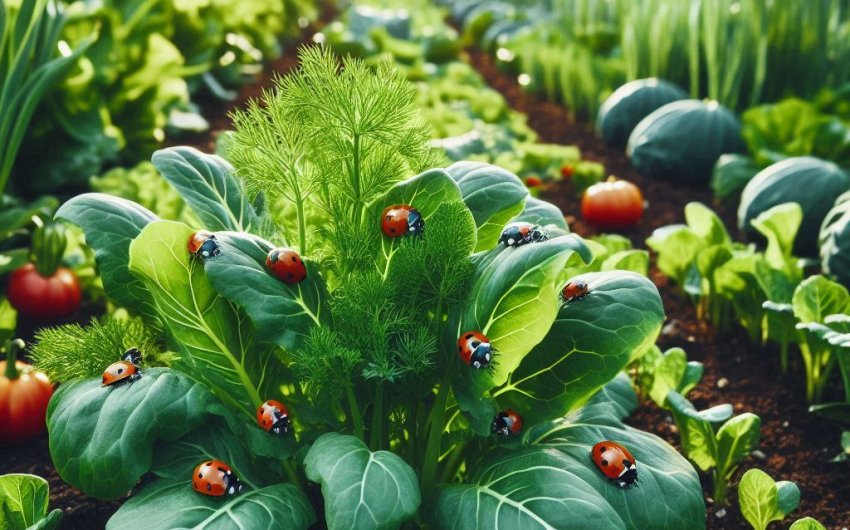
Why Go Organic for Pest Control?
Imagine a garden buzzing with life – not just the plants you grow, but also a harmonious ecosystem where beneficial insects keep the bad bugs in check, and your vegetables and flowers thrive without the need for harsh chemicals. That's the beauty and power of organic pest control. Moving away from synthetic pesticides isn't just a trend; it's a fundamental shift in how we approach gardening, bringing immense benefits to your garden, your family, and the environment.
The most obvious reason to embrace organic pest management is safety. When you use organic methods, you're not introducing toxic chemicals onto your food, into your soil, or into your local water supply. This means your homegrown fruits and vegetables are truly clean and safe for your family to eat. It also protects your pets and children who might come into contact with your garden.
Beyond safety, organic pest control works with nature, not against it. Synthetic pesticides often kill beneficial insects (like ladybugs and bees) alongside the pests, disrupting the natural balance of your garden. This can lead to a vicious cycle where pest problems become worse because their natural predators are eliminated. Organic methods focus on creating a healthy, diverse ecosystem where nature helps you manage pests. This leads to more resilient plants, healthier soil, and a thriving garden that's a joy to be in. It's a holistic approach that truly builds a sustainable and vibrant outdoor space.
What is Integrated Pest Management (IPM) Organically?
Integrated Pest Management (IPM) is a smart, common-sense approach to pest control that's perfectly suited for organic gardening. Instead of reaching for a spray at the first sign of a bug, IPM is about understanding the pests, preventing problems, and using a range of methods to manage them, with chemicals as a last resort (and even then, only organic-approved ones).
Why Focus on Prevention First?
The most effective organic pest control is proactive, not reactive. Thinking about prevention before pests even show up can save you a lot of headaches and work later in the season.
- Healthy Soil, Healthy Plants: This is the absolute foundation. Plants grown in rich, healthy soil with plenty of organic matter (like compost) are more vigorous and resilient. They are naturally better equipped to resist pest attacks or recover from minor damage.
- Compost: Incorporating generous amounts of well-rotted compost into your garden beds improves soil structure, drainage, water retention, and nutrient availability. You can find quality compost at your local garden center or make your own.
- Proper Plant Selection:
- Resistant Varieties: Choose plant varieties that are known to be resistant or tolerant to common pests and diseases in your area. Seed catalogs often highlight these traits.
- Right Plant, Right Place: Plant species that are well-suited to your climate, soil type, and light conditions. A stressed plant is a weak plant, and weak plants are more attractive to pests.
- Good Air Circulation: Space your plants appropriately according to their mature size. Overcrowding leads to poor air circulation, which can create humid microclimates that encourage fungal diseases (which can then weaken plants and make them susceptible to pests).
- Watering Wisely: Water plants deeply and consistently, preferably in the early morning at the base of the plant, to avoid wetting foliage. Consistent moisture promotes strong growth, while stress from inconsistent watering can weaken plants.
- Sanitation: Remove diseased plant material immediately. Clean up fallen leaves, fruits, and weeds, as these can harbor pests or disease spores. A clean garden reduces hiding spots for pests.
By focusing on prevention, you create a garden environment that naturally deters many pests, making your life much easier.
How Does Monitoring and Early Detection Help?
Even with the best prevention, some pests might still show up. The key is to catch them early, before they become a major problem.
- Regular Inspection: Make it a habit to walk through your garden daily or every few days. Look closely at the tops and undersides of leaves, along stems, and at new growth.
- Know Your Enemy: Learn to identify common garden pests in your region and recognize the early signs of their presence or damage. Knowing what a particular pest or disease looks like on your plants helps you act quickly.
- Yellow Sticky Traps: These can be helpful for monitoring flying pests like whiteflies, fungus gnats, and winged aphids. Hang them near susceptible plants. They won't eliminate a large infestation, but they'll alert you to pest presence. You can find yellow sticky traps online.
- Act Early: The moment you spot a few pests, take action! It's much easier to deal with a small infestation than a full-blown invasion.
Early detection allows you to use less intensive (and often completely non-toxic) methods effectively.
What are Organic Treatment Options?
When prevention and early detection aren't enough, there are a range of organic pest control treatments you can employ, starting with the least invasive.
- Cultural Controls: These are simple adjustments to your gardening practices.
- Hand-Picking: For larger pests like tomato hornworms, slugs, or Colorado potato beetles, simply picking them off the plant and dropping them into a bucket of soapy water is highly effective. Do this regularly.
- Water Blast: For soft-bodied pests like aphids or spider mites, a strong spray of water from a hose can knock them off plants. Do this in the morning so foliage dries quickly.
- Crop Rotation: Don't plant the same vegetable family in the same spot year after year. Rotate crops to break pest and disease cycles that might live in the soil.
- Companion Planting: Strategically plant certain herbs or flowers near vegetables to deter pests or attract beneficial insects (more on this below).
- Biological Controls: Inviting beneficial insects and other organisms into your garden to do the pest control for you.
- Encourage Predators: This is the cornerstone of organic IPM. Provide habitat, water, and diverse pollen/nectar sources (many small-flowered plants) to attract ladybugs, lacewings, hoverflies, parasitic wasps, and predatory mites. You can even buy beneficial insects, such as live ladybugs for release.
- Birds, Frogs, Toads: Provide bird baths, cover, and undisturbed areas to encourage these garden helpers.
- Organic Sprays (As a Last Resort): These are considered when other methods aren't sufficient. Use them sparingly and target applications precisely.
- Insecticidal Soap: Effective against soft-bodied pests like aphids, whiteflies, and spider mites. It works by smothering them. Must come into direct contact with the pest. You can make your own with mild soap or buy Safer Brand Insecticidal Soap.
- Neem Oil: A natural pesticide derived from the neem tree. It acts as an antifeedant, growth disruptor, and repellent. Effective against a wide range of pests. It's often safer for beneficial insects once dry. Always follow label directions and apply in the evening to avoid harming pollinators.
- Bacillus thuringiensis (Bt): A naturally occurring bacterium that is highly effective against specific caterpillar pests (like cabbage loopers and tomato hornworms). It is safe for humans, pets, and most beneficial insects. Buy Bt caterpillar killer.
- Horticultural Oil: Light oils that can smother insects and mites. Best used on dormant plants or in cooler weather to avoid burning foliage.
- Diatomaceous Earth (DE): A natural powder made from fossilized diatoms. It's abrasive to insects with exoskeletons, causing them to dehydrate. Apply lightly to foliage when dry. Avoid using on flowers when pollinators are active. Use food-grade DE.
Always remember that even organic sprays should be used with caution, as they can sometimes impact beneficial insects if not applied carefully.
How Can You Encourage Beneficial Insects?
The ultimate goal of organic pest control is to create a thriving ecosystem where nature does most of the work for you. Attracting and nurturing beneficial insects (the good bugs that eat the bad bugs) is the cornerstone of this approach.
What are the Key Beneficial Insects?
Learning to identify and appreciate these garden allies will transform your perspective on garden pests.
- Ladybugs (Lady Beetles): Both the adult ladybug and its alligator-like larva are voracious predators of aphids, as well as other soft-bodied insects. They are truly nature's little aphid-eating machines.
- Lacewings (Green and Brown): The larvae of lacewings are slender, spiny creatures with large jaws, often called "aphid lions" because they consume huge numbers of aphids, as well as mites, whiteflies, and small caterpillars.
- Hoverflies (Syrphid Flies): Adults resemble small bees or wasps but don't sting. Their larvae are slug-like and primarily feed on aphids.
- Parasitic Wasps: These tiny wasps (often too small to see with the naked eye) lay their eggs inside or on other insects (like aphids, caterpillars, or whiteflies). The wasp larva then consumes the host, effectively killing it. You might see "mummified" aphids or caterpillars.
- Predatory Mites: Very tiny mites that feed on plant-damaging mites (like spider mites).
- Ground Beetles: Nocturnal predators that live in the soil and feed on slugs, snails, caterpillars, and other soil-dwelling pests.
- Spiders: Most spiders are beneficial predators, trapping or ambushing a wide variety of insect pests.
How Do You Attract and Support Them?
Simply releasing beneficial insects once or twice won't create a lasting solution. You need to create an environment where they want to live, reproduce, and stay.
- Provide Diverse Food Sources: Beneficial insects need more than just pests to eat. Many adults (especially parasitic wasps and hoverflies) feed on nectar and pollen from flowers. Plant a wide variety of flowers with different shapes and bloom times to provide continuous food.
- Small, Flat Flowers: Many beneficial insects, especially tiny parasitic wasps, have short mouthparts and prefer flowers with easy-to-access nectar and pollen. Think of composite flowers with many tiny florets or umbels (umbrella-shaped clusters of flowers).
- Examples: Dill, Fennel, Cilantro (when allowed to flower), Carrots (when allowed to flower), Sweet Alyssum, Daisies, Cosmos, Sunflowers (single-petal varieties), Yarrow, Clover, Queen Anne's Lace.
- Provide Water: A shallow bird bath with stones or a saucer of water with pebbles can provide a crucial water source for insects.
- Provide Shelter:
- "Messy" Spots: Leave a few undisturbed areas in your garden with perennial grasses or a pile of brush. This provides overwintering sites for many beneficial insects.
- Perennial Beds: Diverse perennial plantings offer more permanent habitat than annual beds.
- Insect Hotels: While not always necessary, commercial insect hotels can provide shelter for solitary bees and lacewings.
- Avoid Broad-Spectrum Pesticides (Organic or Otherwise): Even organic sprays like neem oil or insecticidal soap can harm beneficial insects if not used carefully. Use them only when absolutely necessary, target specific pests, and apply in the evening when most beneficials are less active. The goal is to build a resilient ecosystem.
- Reduce Monocultures: Large plantings of a single crop (monocultures) are a buffet for specific pests. Diverse plantings confuse pests and provide more hiding places for beneficials.
By designing your garden with beneficial insects in mind, you empower nature to do the work, turning your garden into a balanced, resilient, and thriving ecosystem.
How Can Companion Planting Help with Pest Control?
Companion planting is an age-old gardening technique that involves placing specific plants near each other to create a mutually beneficial relationship. For organic pest control, this often means deterring pests, attracting beneficial insects, or improving plant health. It's a wonderful way to use plant synergy to your advantage.
How Do Plants Deter Pests Organically?
Certain plants contain natural compounds or emit scents that pests find unpleasant, causing them to steer clear.
- Marigolds (Tagetes spp.): Particularly the French Marigolds (Tagetes patula). They are famous for deterring nematodes (microscopic worms that attack plant roots) and also repel various insects like whiteflies and some beetles. Plant them throughout your vegetable beds. You can buy quality marigold seeds.
- Nasturtiums: These cheerful, often trailing plants act as a "trap crop" for aphids. Aphids are highly attracted to nasturtiums, preferring them over your prized vegetables. You can then simply discard the heavily infested nasturtium plants, or allow them to feed beneficial insects. They also repel squash bugs and cucumber beetles.
- Herbs (Strong-Smelling): Many aromatic herbs are excellent pest deterrents.
- Basil: Repels flies and mosquitoes, and some gardeners swear it improves the flavor of tomatoes when planted nearby.
- Mint: Deters ants, slugs, and some cabbage pests. Plant in containers as it spreads aggressively.
- Rosemary: Repels cabbage moths, carrot rust flies, and some beetles.
- Thyme: Deters cabbage worms.
- Dill: Attracts beneficial insects, especially parasitic wasps and ladybugs, which prey on aphids and other pests.
- Chives and Garlic: Their strong sulfurous compounds repel aphids, Japanese beetles, and carrot rust flies. Plant near roses, carrots, or fruit trees.
- Onions and Garlic: Planting alliums (onions, garlic, chives, leeks) near carrots, brassicas (cabbage, broccoli), or roses can deter aphids, slugs, and carrot rust flies.
- Chrysanthemums (Pyrethrum): Some types of chrysanthemums (especially Tanacetum cinerariifolium) naturally produce pyrethrins, which are potent natural insecticides. While you wouldn't use them directly as a spray, having them in the garden can help repel some pests.
Which Plants Attract Beneficial Insects?
As discussed earlier, inviting the "good guys" is paramount. Many flowering plants, especially those with small, open flowers, are excellent for attracting beneficial insects.
- Sweet Alyssum: This low-growing annual forms a carpet of tiny, fragrant white or purple flowers. It's fantastic for attracting tiny parasitic wasps, hoverflies, and lacewings, which are natural enemies of aphids. Plant it under taller plants or along borders.
- Dill, Fennel, Cilantro (Umbellifers): When allowed to flower, these herbs produce flat, umbrella-shaped flower heads that are perfect landing pads and nectar sources for tiny predatory wasps and hoverflies.
- Cosmos: While beautiful for bouquets, cosmos also attract a wide range of beneficial insects.
- Yarrow: Its flat flower heads are excellent for attracting many types of beneficial insects.
- Queen Anne's Lace: A wild form of carrot, its lace-like white flowers are a magnet for beneficials. (Be careful as it can be invasive).
- Buckwheat: A cover crop that produces small white flowers, highly attractive to hoverflies and other beneficials. Can be planted in vacant spots in the garden.
- Sunflowers (single petal varieties): While large, they provide copious pollen and nectar for bees and other beneficials.
By strategically mixing these companion plants into your vegetable and flower beds, you create a complex, fragrant, and attractive environment that deters unwanted visitors and welcomes your insect allies, leading to a more balanced and pest-free organic garden.
What Organic Barriers and Physical Controls Can You Use?
Sometimes, plants need a little extra protection. Physical barriers are simple, non-toxic ways to keep pests away from your vulnerable crops.
How Do Row Covers Protect Plants?
Row covers are lightweight fabrics, often made of spun-bonded polypropylene, that are draped over plants to create a physical barrier against pests.
- Pest Exclusion: The main benefit is preventing flying insects (like cabbage moths, cucumber beetles, squash vine borers, flea beetles, and onion maggot flies) from landing on your plants and laying eggs.
- Protection from Cold/Heat: They can also offer slight protection from light frost and intense sun.
- Types:
- Lightweight (Summer): Used for pest exclusion. Allows good light and air penetration.
- Medium-Weight (Season Extension): Offers more warmth, used in spring and fall.
- Installation: Drape the row cover over plants and secure the edges firmly to the ground with garden staples, rocks, or soil to prevent pests from crawling underneath. You can use hoops (made from PVC pipe or metal wire) to support the fabric above the plants, allowing for better air circulation and plant growth. You can find ready-made garden hoops and row cover fabric online.
- When to Use:
- Early Season: Apply immediately after planting young seedlings to protect them from early pest attacks.
- Pollination: Remove row covers from cross-pollinated plants (like squash, cucumbers, melons) when they begin to flower to allow pollinators access. For self-pollinated plants (like tomatoes), they can remain on longer.
- Remove if Overheating: In very hot weather, monitor temperatures under the row cover to prevent overheating, especially heavier weights.
Row covers are an invaluable tool for chemical-free pest prevention, especially for plants highly susceptible to specific flying pests.
What are Other Physical Barriers and Traps?
Beyond row covers, several other physical methods can deter or trap pests.
- Collars for Cutworms: For young seedlings vulnerable to cutworms (caterpillars that chew through stems at the soil line), create collars from cardboard tubes (toilet paper rolls cut in half) or plastic cups with the bottom cut out. Place them around the seedling, burying them an inch or two into the soil.
- Copper Tape for Slugs/Snails: Copper tape placed around raised beds or pots creates a mild electric shock for slugs and snails, deterring them.
- Diatomaceous Earth (DE): As mentioned, food-grade DE is a natural desiccant. Sprinkle a fine layer around the base of plants susceptible to crawling insects like slugs, snails, or ants. It works best when dry. Avoid applying to flowers when pollinators are active.
- Sticky Traps (Color Specific): While yellow sticky traps monitor, other colors (like blue for thrips) can also trap specific pests. Ensure they are out of reach of beneficial insects or birds.
- Beer Traps for Slugs/Snails: Bury shallow dishes (like tuna cans) up to their rim in the soil and fill with beer. Slugs and snails are attracted to the yeast, fall in, and drown. Empty and refill regularly.
- Hand-Pruning/Removing Infested Parts: For localized infestations, sometimes simply pruning off a heavily infested leaf or branch and discarding it (away from the compost pile if diseased) can stop a problem from spreading.
- Trellising and Staking: Keeping plants off the ground improves air circulation, reduces fungal issues, and can make it harder for crawling pests to reach foliage.
These physical barriers and traps offer targeted, chemical-free solutions to common pest problems, fitting perfectly into an organic pest management strategy.
What Long-Term Strategies Build a Resilient Garden?
True organic pest control isn't about quick fixes; it's about building a healthy, balanced, and resilient garden ecosystem over time. These long-term strategies foster conditions where pests are naturally kept in check.
How Does Crop Rotation Prevent Pests?
Crop rotation is one of the most powerful and basic organic pest control strategies, especially for vegetable gardens. It involves planting different types of crops in different areas of your garden each year.
- Breaks Pest Life Cycles: Many garden pests and diseases are specific to certain plant families and can overwinter in the soil. By moving plants of the same family to a different spot each year, you starve those specific pests or diseases, breaking their life cycle.
- Example: If you grow tomatoes (a Solanaceae) in the same spot every year, tomato hornworms or blight spores might build up in the soil. By moving tomatoes to a new spot, these specific pests/diseases won't have their preferred host immediately available.
- Nutrient Balance: Different plant families have different nutrient needs. Crop rotation helps balance soil nutrients, preventing depletion of specific elements.
- Planning: Divide your garden into 3 or 4 sections. Group plants by family (e.g., brassicas, legumes, solanaceae, cucurbits). Each year, rotate the entire family group to a new section. A garden planner notebook can help you track your rotations.
Crop rotation requires a little planning but is incredibly effective at reducing the build-up of specific pest and disease problems.
Why is Soil Health Paramount?
We've touched on this, but it bears repeating: healthy soil is the ultimate pest control. It's the foundation of a resilient organic garden.
- Vigorous Plants: Plants growing in biologically rich, well-structured soil are healthier and more vigorous. They have stronger immune systems, literally! They can often outgrow pest damage or naturally repel pests.
- Beneficial Microbes: Healthy soil teems with beneficial microorganisms that can suppress disease-causing pathogens and even deter some soil-dwelling pests.
- Nutrient Availability: Good soil structure ensures plants can efficiently access water and nutrients, preventing stress that makes them vulnerable to pests.
- Organic Matter: Continually amend your soil with organic matter (compost, well-rotted manure, shredded leaves). This feeds the soil microbes, improves drainage and water retention, and creates a stable, healthy environment.
- Minimize Tilling: Excessive tilling disrupts soil structure and can harm the beneficial organisms and fungal networks in the soil. Opt for no-till or minimal-till practices where possible.
Investing in your soil is the best long-term investment you can make for a pest-free organic garden.
How Does Diversity Create Resilience?
A monoculture (a garden with just one type of plant) is a buffet for pests. A diverse garden, however, is a vibrant ecosystem that is far more resilient to pest outbreaks.
- Confuse Pests: A mix of different plants can confuse pests that rely on scent or visual cues to find their host plants.
- Attract Beneficials: As highlighted, diverse flowering plants provide continuous food sources (pollen and nectar) and habitat for a wide range of beneficial insects.
- Ecological Balance: A diverse ecosystem encourages a natural balance between predator and prey. When you have a rich mix of insects, including many beneficials, pest populations are naturally kept in check.
- Variety of Plants:
- Vegetables and Herbs: Plant a wide array of different vegetable types, not just large blocks of one kind.
- Flowers: Integrate plenty of flowering plants (annuals and perennials) throughout your vegetable beds and borders. Choose native flowers for your region, as they are often best adapted to local conditions and attract native pollinators and beneficials.
- Shrubs and Trees: If space allows, incorporate native shrubs and trees into your overall landscape. They provide long-term habitat and food sources for a wider range of wildlife, further enhancing ecological balance.
- Avoid Pesticide Treadmill: By building a diverse, healthy ecosystem, you reduce your reliance on any single pest control method, especially sprays, which can disrupt the very balance you're trying to create.
A diverse garden is not just beautiful; it's a naturally functioning system where plants and animals work together to create health and resilience, making your organic pest control efforts effective and sustainable for years to come.