
How to Harvest and Save Seeds for Next Season?
Why Harvest and Save Your Own Seeds?
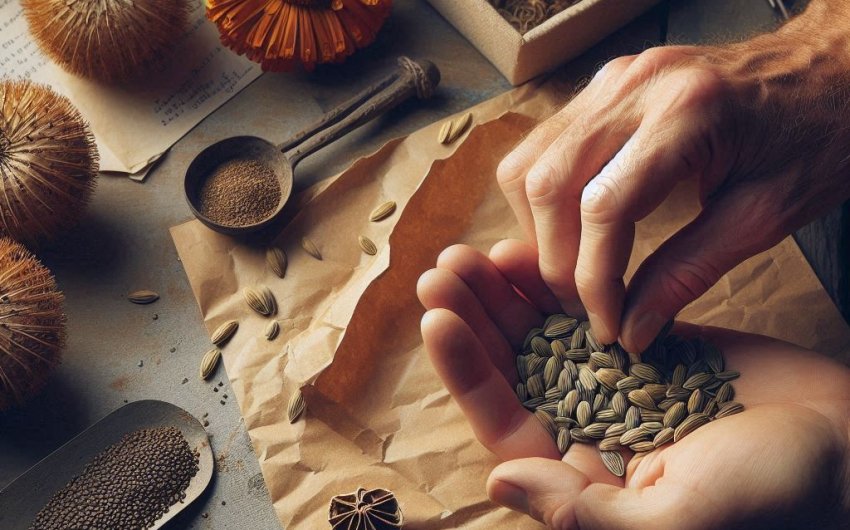
Imagine never having to buy certain seed packets again, year after year. Or growing that exact, incredibly delicious tomato from your garden last summer, even if it's an old heirloom variety that's hard to find. That's the magic of harvesting and saving your own seeds! It's a skill that connects you deeply to the natural cycle of gardening, empowering you to become more self-sufficient and grow exactly what you love.
One of the most appealing reasons to save seeds is the incredible cost savings. Seed packets, while not hugely expensive individually, can add up quickly, especially if you're planting a large garden. By saving seeds from your favorite plants, you essentially get next year's seeds for free! This allows you to expand your garden, try new things without extra cost, or simply free up your gardening budget for other tools or amendments.
Beyond the financial benefits, saving seeds is a fantastic way to preserve biodiversity and adapt plants to your local climate. When you save seeds from plants that thrived in your specific garden conditions (your soil, your weather, your pests), you're essentially selecting for traits that do well right where you are. Over generations, these plants can become increasingly well-suited to your microclimate, leading to more resilient and productive crops. It also helps preserve heirloom varieties that might not be widely available commercially, ensuring their unique flavors, colors, and characteristics continue to exist. It's a rewarding way to deepen your gardening knowledge and build a truly sustainable, personalized garden.
What Types of Seeds Can You Save?
While the idea of saving every seed might be tempting, not all plants are created equal when it comes to seed saving. Understanding the different types of plants and how they reproduce is crucial for successful seed saving.
What are Open-Pollinated vs. Hybrid Seeds?
This is the most important distinction in seed saving. It determines whether the seeds you save will produce plants true-to-type (like the parent plant) or something unexpected.
- Open-Pollinated (OP) Seeds:
- Definition: These seeds are produced from plants that are pollinated naturally by wind, insects, or hand pollination within the same variety.
- True-to-Type: When you save seeds from an open-pollinated plant, they will (with proper isolation, discussed later) produce offspring that are genetically very similar to the parent plant. This means your saved tomato seeds will grow into tomatoes just like the ones you picked.
- Examples: Most heirloom varieties are open-pollinated. Many common vegetables and flowers are also open-pollinated. Look for "OP" or "Open-Pollinated" on the seed packet.
- Best for Seed Saving: These are the ideal seeds to save because they reliably reproduce the characteristics of the parent plant.
- Hybrid (F1) Seeds:
- Definition: These seeds are created by deliberately cross-pollinating two different parent varieties (or "inbred lines") to combine desirable traits (like disease resistance, higher yield, or specific fruit qualities). The "F1" stands for "Filial 1," meaning the first generation.
- Not True-to-Type: If you save seeds from an F1 hybrid plant and plant them next year, the offspring will not be the same as the parent plant. They will be a mix of the parent plants' traits, often reverting to less desirable characteristics, or producing very different results. This is called "genetic segregation."
- Examples: Many commercially sold vegetables and flowers are F1 hybrids because they offer consistent performance for commercial growers. You'll see "F1" or "Hybrid" on the seed packet.
- Not Recommended for Seed Saving: While you can save and plant them just to see what happens (it can be a fun experiment!), don't rely on them for predictable results for your main crop. You'll need to buy new F1 hybrid seeds each year.
Always check your seed packets! If it doesn't say "open-pollinated," assume it's a hybrid, and don't plan on saving its seeds for a reliable crop.
What are Self-Pollinated vs. Cross-Pollinated Plants?
Understanding a plant's pollination method is key to maintaining seed purity and avoiding unwanted crosses.
- Self-Pollinated Plants:
- Definition: These plants primarily pollinate themselves, meaning the pollen typically stays within the same flower or plant.
- Easy to Save: Because they self-pollinate, the risk of accidental cross-pollination from other varieties is very low. You usually don't need to worry about isolation distances.
- Examples: Most tomatoes, peas, beans, lettuce, and peppers are generally self-pollinated. You can grow different open-pollinated varieties of these close together and still save true-to-type seeds.
- Cross-Pollinated Plants:
- Definition: These plants require pollen from a different plant of the same species (often carried by wind or insects) to produce seeds.
- Isolation Needed: To ensure the seeds you save are true-to-type, you need to isolate cross-pollinated plants from other varieties of the same species. Without isolation, your saved seeds will be a mix of the two varieties, creating a hybrid that won't be true-to-type.
- Isolation Methods: This can involve planting different varieties far apart (difficult in a home garden), staggering planting times, or using physical barriers like row covers or hand-pollinating.
- Examples: Many common garden vegetables and flowers are cross-pollinated, including corn, squash, pumpkins, cucumbers, melons, cabbage, broccoli, carrots, beets, onions, spinach, sunflowers, and many flowers.
- Considerations: For home gardeners, cross-pollinated plants can be more challenging for seed saving. If you only grow one variety of a cross-pollinated plant (e.g., only one type of squash), you'll likely be fine. But if you grow multiple types of squash, for instance, their seeds may cross.
For beginners, stick to open-pollinated, self-pollinated plants like tomatoes, beans, and peas to build confidence. As you gain experience, you can try isolating cross-pollinated varieties.
When is the Best Time to Harvest Seeds?
Timing your seed harvest correctly is critical. Seeds need to be fully mature before they are collected; otherwise, they won't be viable (able to germinate).
How Do You Know When Seeds Are Ripe?
Unlike harvesting fruits or vegetables for eating, when saving seeds, you need to let the plant fully mature its seeds, often beyond what looks "ripe" for eating.
- Let Plant Dry and Senesce: For most non-fleshy fruits (like beans, peas, lettuce, flowers), wait until the plant itself has started to yellow, dry out, and look like it's dying back. The seed pods or flower heads should be completely dry, brittle, and brown.
- Beans/Peas: Pods should be completely dry, crunchy, and rattling with seeds inside.
- Lettuce/Arugula/Spinach: Plant will send up a tall flower stalk (bolt), flowers will form, then dry into fluffy white seed heads (like dandelions).
- Flowers (Zinnias, Marigolds, Cosmos, Sunflowers): The flower heads should be fully dried, brown, and brittle. The petals will have fallen off, and the seed head will be firm.
- For Fleshy Fruits (Tomatoes, Peppers, Melons, Cucumbers): The fruit needs to be overripe – even rotting a bit – on the plant. This ensures the seeds inside are fully mature.
- Tomatoes: Let them get very soft, even past eating stage, on the vine.
- Peppers: Let them change color completely and start to wrinkle.
- Squash/Pumpkins: Allow them to mature fully on the vine until the skin is hard, even past harvest time for eating. The longer, the better for seed maturity.
Observe Closely: The key is observation. Look for signs of dryness, color change in pods, or fruits becoming very soft and mature. If seeds are still green or soft, they are not ready.
What are the Ideal Weather Conditions for Harvest?
Dry weather is paramount for seed harvesting. Moisture is the enemy of stored seeds; it can cause them to mold, rot, or germinate prematurely.
- Choose a Dry Day: Plan your seed harvest for a dry, sunny day, ideally after several days of no rain.
- Avoid Humidity: High humidity can make drying seeds much more difficult and can lead to mold.
- Morning Dew: Wait until any morning dew has completely dried off the plants before harvesting.
- Bring Indoors: If bad weather is expected and seeds are nearly ready, you can often cut entire plant stalks or branches (e.g., sunflowers, basil, lettuce stalks) and bring them indoors to finish drying in a warm, dry, well-ventilated area. Hang them upside down or spread them on screens.
Harvesting seeds at the peak of maturity and in dry conditions will significantly improve their viability and storage life.
How Do You Harvest Seeds from Different Plants?
The method for harvesting seeds varies depending on whether the seeds are dry (like beans or flowers) or wet (like tomatoes or squash).
How to Harvest Dry Seeds?
Many of the easiest seeds to save fall into the "dry seed" category. These are typically found in pods, capsules, or dried flower heads.
- Beans & Peas:
- Leave pods on the plant until they are completely dry, brittle, and yellow or brown. They should rattle when shaken.
- Carefully pluck the dried pods from the plant.
- Shell the beans or peas by hand from their pods.
- Spread the shelled seeds in a single layer on a screen, paper plate, or newspaper in a warm, dry, well-ventilated area for another 1-2 weeks to ensure they are thoroughly dry. You can even use a small fan for air circulation.
- Lettuce, Arugula, Spinach (and other leafy greens that bolt):
- Allow the plant to "bolt" (send up a tall flower stalk) and flower.
- The flowers will dry and form fluffy white seed heads, much like dandelions.
- Once the seed heads are completely dry and fluffy, gently rub them between your hands over a bowl or tray to release the tiny seeds.
- You'll get a mix of seeds and chaff (plant debris). Use winnowing (lightly blowing across the seeds on a tray) or a fine sieve to separate the seeds from the chaff.
- Allow seeds to dry fully for several more days before storing.
- Herbs (Basil, Cilantro, Dill, etc.):
- Allow herb plants to flower and then let the flowers dry on the plant.
- The seed heads or stalks will turn brown and brittle.
- Snip the entire dried seed head or stalk and place it in a paper bag. Shake the bag vigorously, or rub the seed heads between your hands over a tray, to release the seeds.
- Clean the seeds by winnowing or sifting. Dry thoroughly.
- Flowers (Zinnias, Marigolds, Cosmos, Sunflowers, etc.):
- Allow flower heads to completely dry on the plant. They should be brown and crisp, and the petals will have fallen off.
- For zinnias and marigolds, gently pull the individual seeds from the dried flower head. They often have a distinct shape (e.g., zinnia seeds are arrowhead-shaped).
- For cosmos, the seeds are small, dark, and elongated, usually found at the base of the petals. Gently pull them out.
- For sunflowers, the back of the seed head will turn yellow then brown, and the seeds will look plump. You can rub the seed head or use a brush to dislodge the seeds.
- Ensure all seeds are thoroughly dry before storing.
How to Harvest Wet Seeds?
Wet seeds are those found inside fleshy fruits. They require a fermentation process to clean them and remove germination inhibitors.
- Tomatoes:
- Select very ripe, even slightly overripe, disease-free tomatoes.
- Cut the tomato open and squeeze out the seeds and jelly-like pulp into a jar or cup. Add a little water to help thin the mixture.
- Cover the jar with cheesecloth or a paper towel (secured with a rubber band) and leave it in a warm spot (but out of direct sun) for 2-5 days.
- During this time, a layer of mold will form on top, and the mixture will ferment. This process breaks down the jelly-like coating (which contains germination inhibitors) and kills seed-borne diseases. It will smell a bit funky – that's normal!
- Once a layer of mold has formed and the seeds have sunk to the bottom (good, viable seeds will sink), carefully pour off the moldy top layer and any floating pulp.
- Rinse the seeds thoroughly in a colander under running water, rubbing them to remove any remaining pulp.
- Spread the clean seeds in a single layer on a non-porous surface like a ceramic plate, glass, or a screen (avoid paper towels as seeds can stick).
- Allow them to dry completely for 1-2 weeks in a warm, dry, well-ventilated area, stirring them daily to prevent sticking and promote even drying. They should be brittle and snap when bent, not bend.
- Peppers:
- Harvest a fully ripe, even slightly overripe, pepper.
- Cut the pepper open and scrape out the seeds attached to the white membrane inside.
- Spread the seeds on a paper plate or screen and allow them to dry in a warm, dry place for 1-2 weeks. No fermentation needed for peppers!
- Squash, Pumpkins, Cucumbers, Melons:
- Let the fruit mature fully on the plant, often past eating quality. The skin should be hard for squash/pumpkins.
- Cut open the fruit and scoop out the seeds and pulp.
- Separate the seeds from the stringy pulp as much as possible. A colander under running water can help.
- Spread the clean seeds in a single layer on a screen or non-porous surface to dry completely for several weeks. Make sure there is good air circulation.
No matter the type of seed, thorough drying is the absolute most important step before storage. Any moisture can lead to mold and ruin your saved seeds.
How Do You Store Saved Seeds for Longevity?
You've done the hard work of harvesting and cleaning. Now, to make sure those seeds are ready to sprout next season (or even years from now), proper storage is essential. Seeds are living things, and they need the right conditions to remain viable.
What are the Ideal Storage Conditions?
Seeds thrive in conditions that are cool, dark, and dry. Think of seeds as being in a state of suspended animation; these conditions keep them dormant and prevent them from germinating or deteriorating prematurely.
- Cool Temperatures: Store seeds in a cool place, ideally between 35-50°F (2-10°C). A refrigerator (not freezer, unless specifically recommended for very long-term storage and properly sealed) is often a good option, or a cool, dry basement. Avoid places with fluctuating temperatures, like an uninsulated shed.
- Darkness: Light can degrade seeds over time. Store them in opaque containers or in a dark place.
- Low Humidity/Dryness: This is perhaps the most critical factor. Moisture is the enemy of stored seeds. Aim for humidity levels below 50%.
- Desiccants (Optional but Recommended): For extra protection against moisture, you can include a desiccant in your storage container. Packets of silica gel beads (like those found in new shoes or electronics) or even a small amount of powdered milk wrapped in a paper towel can absorb excess moisture. Recharge silica gel by baking it periodically.
- Consistent Environment: Avoid drastic fluctuations in temperature or humidity, as this can break seed dormancy or lead to mold.
What are the Best Storage Containers?
The type of container you use should support the cool, dark, and dry conditions.
- Paper Envelopes or Bags: Small paper envelopes or small paper bags are excellent for individual seed packets. They allow for some air circulation and prevent moisture from building up. You can write all the important information directly on them. Look for seed saving envelopes.
- Glass Jars: Once seeds are thoroughly dry and placed in their paper envelopes, storing those envelopes inside a sealed glass jar (like a mason jar) provides excellent protection against moisture and pests. Add a desiccant if you want extra dryness.
- Airtight Plastic Containers: Similar to glass jars, airtight plastic containers can also work well, especially if they are opaque.
- Avoid Plastic Bags: While convenient, thin plastic bags often aren't truly airtight and can allow moisture to accumulate if seeds aren't perfectly dry.
- Labels are Crucial: Label every single container clearly! Include:
- Plant Name: Full variety name (e.g., 'Cherokee Purple' Tomato, 'Lemon Queen' Sunflower).
- Date Harvested: Month and year.
- Location: (Optional, but useful if you have multiple garden plots).
- Any Notes: (e.g., "very productive," "disease resistant," "grew well in dry spot").
How Long Do Seeds Remain Viable?
The viability (how long they stay good for germination) of seeds varies greatly by plant type and storage conditions.
- Short-Lived Seeds (1-2 years): Some seeds have a naturally short lifespan, even with good storage. Examples include onions, parsnips, celery, and sweet corn.
- Medium-Lived Seeds (3-5 years): Most common vegetable and flower seeds fall into this category. This includes beans, peas, carrots, beets, broccoli, cabbage, spinach, lettuce, peppers, and many flower seeds.
- Long-Lived Seeds (5+ years): Certain seeds can remain viable for a surprisingly long time under ideal conditions. Tomatoes and cucurbits (squash, pumpkins, melons, cucumbers) are often good for 5-10 years or more.
- Germination Test: If you have older seeds and are unsure if they are still viable, you can perform a germination test.
- Place 10 seeds on a damp paper towel.
- Fold the paper towel over and place it in a plastic bag or covered container.
- Keep it warm.
- Check daily for sprouts.
- After the typical germination period for that seed, count how many sprouted. If 7 out of 10 sprouted, you have a 70% germination rate. If the rate is low, you might need to plant more seeds to get enough plants.
By following these storage guidelines, you can significantly extend the life of your homegrown seeds, ensuring you have a steady supply for seasons to come.
Common Seed Saving Challenges and Solutions
While harvesting and saving seeds is incredibly rewarding, you might encounter a few common hurdles. Knowing how to troubleshoot these issues will help you achieve consistent success.
How Do You Deal with Cross-Pollination?
Cross-pollination is one of the biggest challenges for home seed savers, especially for cross-pollinated plants. It happens when pollen from one variety fertilizes a different variety of the same species, leading to unexpected offspring.
- Understanding "Species": The key is that cross-pollination only occurs between different varieties of the same species. For example, different types of Zucchini will cross with each other (they are all Cucurbita pepo), but Zucchini won't cross with a Butternut Squash (which is Cucurbita moschata).
- Isolation Techniques:
- Distance: The simplest but often most impractical method for home gardeners. Different varieties of cross-pollinated plants (like corn, squash, sunflowers) need significant distances (hundreds of feet to miles) between them to prevent unwanted crosses.
- Staggered Planting: Plant different varieties so they bloom at different times, reducing the chance of their pollen overlapping. This works well for plants with shorter bloom windows.
- Hand-Pollination: For larger-flowered plants like squash or corn, you can hand-pollinate to ensure genetic purity.
- Squash/Melons: Select a female flower (has a small fruit swelling behind it) and a male flower (on a thin stalk) that are both freshly opened that morning. Use a small paintbrush or cotton swab to collect pollen from the male flower's anther and transfer it to the stigma of the female flower. Immediately tie off or tape the pollinated female flower shut with breathable material (like painter's tape or a small bag) to prevent insects from bringing in unwanted pollen. Label the fruit.
- Corn: For corn, you can cover tassels (male flowers) and silks (female flowers) with bags, then transfer pollen from one isolated plant's tassel to another isolated plant's silks.
- Bagging: For smaller flowers, you can bag unopened flower buds with pollination bags or floating row covers to exclude pollinators, then hand-pollinate, and re-bag.
- Embrace the Unknown (Optional): For some, especially new gardeners, letting nature take its course with cross-pollinated plants can lead to exciting, unexpected new varieties! If you're not concerned about strict genetic purity, simply grow what you want and see what comes up next year.
For beginners, stick to self-pollinated plants (tomatoes, beans, peas, lettuce) where cross-pollination is less of a concern.
What About Pests and Diseases on Seed Plants?
When saving seeds, you want to ensure the parent plant is healthy and free of disease, as some diseases can be transmitted through seeds. Pests can also damage seeds.
- Select Healthy Parent Plants: Only save seeds from your most vigorous, healthy, and disease-free plants. Avoid saving seeds from plants that show signs of disease (spots, wilting, stunted growth) or pest damage. You want to propagate strong genetics.
- Pest Monitoring: Keep an eye on your seed-producing plants for significant pest infestations. While some minor damage is acceptable, heavy feeding can reduce seed viability or quality.
- Avoid Chemical Sprays: If you are actively saving seeds from a plant, avoid using chemical pesticides, especially systemic ones, which could affect the seeds. If pest control is necessary, opt for organic methods like hand-picking, insecticidal soap, or neem oil applied carefully and well before seed maturity.
- Fungal Issues: For wet-processed seeds (like tomatoes), the fermentation step helps to kill some common seed-borne fungal diseases. For dry-harvested seeds, ensuring they are thoroughly dry before storage is the best defense against mold.
How to Handle Immature or Poorly Stored Seeds?
Sometimes, despite your best efforts, seeds might be immature or not stored perfectly.
- Immature Seeds: If you harvest seeds that are still green, soft, or shriveled, they likely won't germinate or will have very low viability. It's usually best to discard them and try again next season or from a different plant. The key is patience and allowing seeds to fully mature on the plant.
- Poorly Stored Seeds: If seeds become damp during storage, they can mold, rot, or even germinate inside the container. If you see signs of mold or a musty smell, it's best to discard them. They won't grow. This highlights why thorough drying and airtight storage are so crucial.
- Germination Test (Again!): If you're unsure about the viability of your saved seeds (especially if they're older or you suspect storage issues), perform a germination test before planting your main crop. This saves you time and effort later if the seeds aren't viable. If the germination rate is low, you'll know to either plant more seeds densely or acquire new ones.
Seed saving is a journey of learning and observation. Every season offers new insights into plant cycles and how to adapt your techniques for better results. Embrace the learning process, and soon you'll have a thriving, self-sustaining garden fueled by your own hand-saved treasures.