
Best Plants for Shady Garden Spots
Why Embrace Shady Garden Spots?
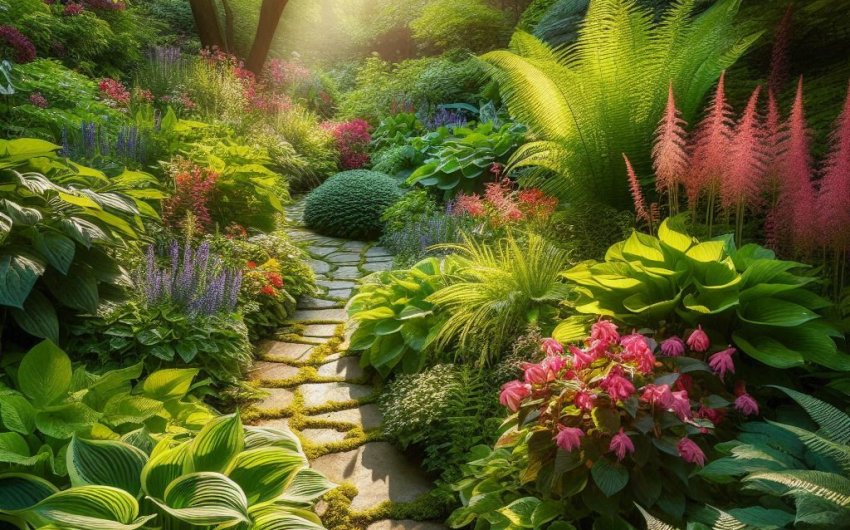
Many gardeners dream of sunny spaces bursting with colorful blooms, but often overlook the incredible potential of their shady garden spots. Instead of seeing shade as a problem, imagine it as an opportunity to create a serene, lush, and surprisingly vibrant oasis. Shade gardening offers a unique beauty that sun-drenched gardens simply can't match, characterized by rich textures, calming greens, and delicate, often fragrant, blooms.
Embracing shade means you can grow a whole different palette of plants that thrive out of direct sunlight. These shade-loving plants often have a refined elegance, with interesting foliage, subtle variegation, and unique flower forms. They bring a sense of coolness and tranquility to your landscape, creating a peaceful retreat, especially on hot summer days.
Beyond aesthetics, shade gardens can be wonderfully low-maintenance once established. Shaded areas typically retain moisture longer, reducing your watering needs, and the cooler temperatures can mean less heat stress for plants. They also provide vital habitat for wildlife, offering shelter and food for creatures that prefer cooler, more protected environments. So, don't despair if you have a shady yard! It's a chance to explore a whole new world of gardening possibilities and create a truly magical space.
What Kinds of Shade Do You Have?
Before you start choosing plants for shady garden spots, it’s crucial to understand that not all shade is created equal. The amount and intensity of light your garden receives will dictate which plants will truly thrive. Misjudging your shade can lead to disappointing results, so take a moment to observe your space carefully.
How Do You Define Different Types of Shade?
Light levels are measured by the number of hours of direct sunlight a spot receives per day. Even filtered light makes a difference.
- Full Shade: This area receives less than 3 hours of direct sunlight per day, often with indirect light for the rest of the day. It might be under dense trees, on the north side of a house, or between tall buildings. Plants for full shade are the most tolerant of very low light levels.
- Partial Shade / Part Sun: This is the most common type of shade. It means the area receives 3-6 hours of direct sunlight per day.
- Partial Shade usually implies morning sun (which is less intense) and afternoon shade, which is often ideal as it protects plants from the harsh midday and afternoon sun.
- Part Sun implies 3-6 hours of sun, often including some afternoon sun, but usually refers to plants that can tolerate a bit more intensity than those in "partial shade." Many plants thrive in this light range, offering the most flexibility.
- Dappled Shade: This is light that filters through the leaves of deciduous trees, creating a moving pattern of sun and shadow. It's usually a very desirable type of shade, as it offers protection from intense sun while still providing enough light for a wide range of plants. Think of it as a gentle, diffused light.
- Deep Shade: This is the most challenging type of shade, where an area receives almost no direct light at all, often under dense evergreen trees or in narrow passageways. Few plants thrive in truly deep, dark shade.
Observation is Key: Spend a full day, or even a few days, watching your chosen garden spot. Note exactly when the sun hits and for how long. Pay attention to how intense the light is. This simple observation will be your best guide to plant selection.
What Factors Create Shade in Your Garden?
Understanding the source of your shade helps you assess its consistency and potential for change.
- Trees: Overhanging tree canopies are the most common source of shade.
- Deciduous Trees: (like oaks, maples) provide full sun in spring before leafing out, dapple shade in summer, and then more sun again in fall after leaves drop. This allows some spring-flowering bulbs or plants to get sun early.
- Evergreen Trees: (like pines, spruces) provide dense, consistent shade year-round. This is usually full shade or deep shade.
- Root Competition: Trees don't just block light; their roots also compete with understory plants for water and nutrients. This can be a significant challenge in shade gardening, especially under mature trees.
- Buildings and Structures: Houses, garages, fences, walls, and sheds can cast significant shade. The north side of a building typically receives the least sun.
- Hills and Topography: If your garden is on the north side of a hill or in a valley, it may naturally receive less direct sunlight.
Once you know the type and source of your shade, you can make informed choices about the best plants for your specific conditions, turning a challenging spot into a flourishing garden.
Top Perennial Plants for Shady Spots
Perennials are the workhorses of the shade garden. Once established, they return year after year, providing reliable texture, foliage, and sometimes blooms. Many shade perennials are celebrated more for their striking leaves than their flowers, creating a lush, serene tapestry of green.
Why Are Hostas the Queen of Shade Foliage?
If there's one plant that screams shade garden, it's the Hosta. These hardy perennials are beloved for their incredible diversity of foliage, making them the ultimate choice for adding texture and color to low-light areas.
- Incredible Leaf Variety: Hostas come in an astonishing array of leaf sizes, shapes, and colors. You can find tiny varieties perfect for edging or containers, and giant ones that create dramatic focal points. Leaf colors range from deep greens to vibrant chartreuses, blues, and an endless variety of variegated patterns (leaves with multiple colors, often white or yellow mixed with green). The texture can be smooth, crinkled, puckered, or ribbed.
- Low Maintenance: Once established, hostas are remarkably easy to care for. They prefer consistent moisture but are generally tolerant.
- Versatility: They are perfect for mass plantings, borders, groundcovers, or as specimen plants. They also thrive in containers in the shade.
- Flowers (Bonus!): While primarily grown for their foliage, hostas produce attractive lily-like flowers, often white or lavender, on tall scapes in summer. Some varieties are even fragrant, adding another dimension.
- Pest Alert: Slugs and snails love to munch on hosta leaves, especially in damp conditions. Strategies include hand-picking, slug bait (organic options available like Sluggo Slug & Snail Bait), or creating barriers.
- Popular Varieties: With thousands of cultivars, some popular choices include 'Sum and Substance' (giant chartreuse), 'Blue Angel' (large blue), 'Halcyon' (medium blue), 'Patriot' (green with white margins), and 'Guacamole' (fragrant flowers). You can easily find various Hosta bare roots or potted plants.
Hostas are truly the backbone of many a beautiful shade garden, offering endless design possibilities with their foliage.
Why Are Ferns Essential for Texture?
Ferns bring an unparalleled sense of natural elegance and delicate texture to a shade garden. Their intricate fronds create a lush, primeval feel, perfectly complementing other shade-loving plants.
- Diverse Forms and Textures: From the delicate, lacy fronds of the Maidenhair Fern to the bold, architectural presence of the Ostrich Fern or Japanese Painted Fern's colorful variegation, there's a fern for almost every shade situation.
- Adaptable: Many ferns are incredibly adaptable and hardy once established, thriving in damp, shady conditions.
- Evergreen and Deciduous Varieties: Some ferns (like Christmas Fern or Autumn Fern) are evergreen, providing year-round interest. Others are deciduous, dying back in winter and re-emerging in spring.
- Native Appeal: Many fern species are native to woodland environments, making them excellent choices for creating a natural, woodland garden feel.
- Low Maintenance: Once established and in their preferred conditions (moist, well-drained, rich soil), ferns require very little care.
- Popular Varieties:
- Japanese Painted Fern (Athyrium niponicum 'Pictum'): Stunning silver, green, and burgundy fronds, highly prized for color.
- Maidenhair Fern (Adiantum pedatum): Delicate, airy foliage with black stems, needs consistent moisture.
- Ostrich Fern (Matteuccia struthiopteris): Tall, architectural fronds, forms clumps and can spread.
- Autumn Fern (Dryopteris erythrosora): Evergreen in many climates, with coppery new growth.
- Christmas Fern (Polystichum acrostichoides): A popular evergreen native fern.
- You can purchase various fern plants at most nurseries specializing in shade.
Ferns are truly invaluable for adding depth, texture, and a serene atmosphere to your shady garden spots.
Why Are Astilbes Great for Color in Shade?
If you're looking for vibrant color and feathery texture in your shade garden, Astilbe is an excellent choice. These gorgeous perennials bring a touch of whimsy and elegance with their plumes of tiny flowers.
- Colorful Plumes: Astilbe produces upright, feathery plumes of flowers in shades of pink, red, purple, and white, brightening up shady areas in early to mid-summer.
- Interesting Foliage: Many varieties also have attractive, fern-like foliage, often bronze or dark green, that adds texture even when not in bloom.
- Prefers Moist Shade: Unlike some other shade plants that can tolerate some dryness, astilbes prefer consistently moist soil. They are perfect for areas that stay naturally damp, or near a downspout.
- Deer Resistant: A great bonus for gardeners dealing with deer!
- Vase Life: Their plumes make excellent cut flowers for bouquets.
- Popular Varieties: Look for Astilbe x arendsii varieties like 'Fanal' (dark red), 'Visions' (raspberry pink), or 'Sprite' (pale pink). You can easily find Astilbe bare roots for planting in spring.
Astilbes are fantastic for bringing reliable, vibrant color and beautiful texture to the typically greener shade garden.
What Other Perennials Excel in Low Light?
The list of fantastic shade perennials is extensive, offering diverse options for every garden style.
- Bleeding Heart (Dicentra spectabilis): Iconic heart-shaped flowers dangling from arching stems in spring. Traditional pink and white, or 'Alba' (white) and 'Gold Heart' (yellow foliage). They typically go dormant in summer heat.
- Coral Bells (Heuchera): Prized for their incredible array of foliage colors – from lime green to deep purple, peach, silver, and variegated forms. They also send up delicate flower stalks that attract hummingbirds. Heuchera thrives in partial shade and well-drained soil. Heuchera plants offer stunning variety.
- Lungwort (Pulmonaria): Beautiful spotted or variegated foliage and early spring clusters of blue, pink, or white bell-shaped flowers. A great groundcover for shady, moist spots.
- Foamflower (Tiarella cordifolia): A lovely native perennial that forms a mat of attractive, often lobed or heart-shaped, leaves, topped with airy, foamy white flower spikes in spring. Excellent groundcover.
- Barrenwort (Epimedium): Delicate, heart-shaped foliage, often with bronzy tints, and dainty, spider-like flowers in spring. Forms a beautiful, low-growing groundcover, tolerant of dry shade once established.
- Solomon's Seal (Polygonatum): Arching stems with bell-shaped, white-green flowers hanging underneath in spring, followed by blue-black berries. Offers elegant architectural form.
- Hellebore (Helleborus): Also known as Lenten Rose or Christmas Rose, these bloom in late winter or early spring, often while snow is still on the ground! Their nodding, long-lasting flowers come in white, pink, purple, and even black. They are truly invaluable for early season color.
- Ligularia: Bold, large-leaved plants (some with dark purple foliage) that produce tall spikes of yellow or orange daisy-like flowers in summer. They need consistently moist soil and are fantastic for boggy or very damp shade.
- Trillium: A beautiful native woodland wildflower, recognizable by its whorl of three leaves topped by a single, often white, flower in spring. Needs true woodland conditions and patience to establish.
Top Annual Flowers and Groundcovers for Shade
While many annuals crave sun, there are fantastic options that bring vibrant, season-long color to your shady garden spots. Groundcovers are also invaluable for filling in bare spots and suppressing weeds in lower light areas.
Why Are Impatiens a Go-To for Bright Shade Color?
For a burst of continuous, bold color in full or partial shade, Impatiens walleriana (classic bedding impatiens) were long the reigning champions. Though they faced challenges with downy mildew in recent years, new mildew-resistant varieties and alternatives have kept them a top choice.
- Vibrant, Non-Stop Blooms: Impatiens produce a profusion of colorful flowers (pinks, reds, oranges, purples, whites) that bloom continuously from spring until the first frost.
- Brighten Dark Spots: Their intense colors truly illuminate shady corners, adding cheer and vibrancy.
- Compact Growth: They form neat, bushy mounds perfect for mass plantings, borders, and containers.
- Easy to Grow: Impatiens are very easy to grow from transplants.
- New Guinea Impatiens (Impatiens hawkeri): These are a great alternative, resistant to downy mildew, and offer larger flowers and often variegated foliage. They tolerate a bit more sun than classic impatiens. You can find New Guinea Impatiens plants at almost any garden center.
- Beacon® Impatiens: A newer series of Impatiens walleriana that is specifically bred for high resistance to downy mildew, bringing back the classic impatiens look without the disease worries.
Plant impatiens in rich, well-drained soil and keep them consistently moist for the best performance.
What Other Annuals Bring Color to Shade?
Beyond impatiens, several other annuals excel in lower light conditions:
- Coleus (Plectranthus scutellarioides): While it does flower (often with small blue spikes), Coleus is grown almost exclusively for its spectacular foliage. It offers an astonishing range of leaf colors (lime green, chartreuse, burgundy, red, pink, chocolate, and endless combinations) and patterns. It truly brightens up shade and partial shade. Some varieties can even tolerate more sun. You can buy a great selection of Coleus seeds or starter plants.
- Begonias (Various Types):
- Wax Begonias (Begonia semperflorens): Compact plants with glossy green or bronze foliage and clusters of white, pink, or red flowers. Very reliable for consistent color in partial shade.
- Tuberous Begonias (Begonia x tuberhybrida): Stunning, often large, ruffled flowers in vibrant colors. Excellent for hanging baskets or containers in deeper shade. Can be overwintered as tubers.
- Rex Begonias (Begonia rex-cultorum): Grown for their incredible, often iridescent, variegated foliage in a kaleidoscope of colors and patterns. Less about flowers, more about leaf art.
- Fuchsia (Trailing & Upright): Known for their elegant, pendulous, often two-toned flowers that resemble dancing ballerinas. Excellent for hanging baskets, containers, or as upright plants in partial shade. Attracts hummingbirds.
- Lobelia (Lobelia erinus): Produces masses of tiny blue, purple, white, or pink flowers, creating a delicate carpet of color. Great for cascading from containers or as an edging plant in partial shade.
- Pansies and Violas: Cool-season annuals that can bloom in early spring and fall, even in partial shade. They provide charming, cheerful faces in containers or along borders when other flowers are just waking up.
What Groundcovers Work Best in Shady Areas?
Groundcovers are invaluable for suppressing weeds, preventing erosion, and adding a lush, finished look to your shady garden spots.
- Creeping Jenny (Lysimachia nummularia 'Aurea'): A vigorous, spreading groundcover with bright, chartreuse-yellow leaves that truly glow in the shade. It can be quite aggressive in moist soil, so contain it or use it where it can spread freely.
- Pachysandra (Pachysandra terminalis): A very popular evergreen groundcover that forms a dense carpet of glossy green leaves. Excellent for difficult dry shade under trees once established.
- Vinca minor (Periwinkle): Another very tough evergreen groundcover with small, dark green leaves and pretty blue (sometimes white or purple) flowers in spring. Spreads readily, great for erosion control.
- Ajuga (Ajuga reptans - Bugleweed): Forms dense mats of attractive foliage, often bronze, purple, or variegated. Sends up spikes of blue, purple, or pink flowers in spring. Excellent for weed suppression. Ajuga plants are easy to find.
- Sweet Woodruff (Galium odoratum): Delicate, whorled foliage and tiny white flowers in spring. Forms a lovely, fragrant mat and thrives in moist shade.
- Lamium (Dead Nettle): Known for its striking variegated foliage (often silver and green) and small pink, purple, or white flowers. Spreads quickly, offering bright pops of color.
Beyond Flowers: Shrubs, Trees, and Bulbs for Shade
While herbaceous perennials and annuals form the bulk of many shade gardens, incorporating larger elements like shrubs and trees adds structure and height, while bulbs provide delightful pops of early spring color before the tree canopy fully leafs out.
What Shrubs Thrive in Shady Conditions?
Shade-tolerant shrubs are essential for providing year-round structure, screening, and a sense of permanence in your low-light areas.
- Rhododendrons and Azaleas: These iconic acid-loving shrubs are showstoppers in spring with their magnificent clusters of flowers in every shade imaginable. They thrive in partial shade (especially protection from hot afternoon sun) and well-drained, acidic soil. There are thousands of varieties, from dwarf to tree-sized.
- Hydrangeas: Many Hydrangea species do wonderfully in partial shade, particularly afternoon shade.
- Bigleaf Hydrangea (Hydrangea macrophylla): Famous for their large pink or blue mophead or lacecap flowers.
- Oakleaf Hydrangea (Hydrangea quercifolia): Valued for its unique oak-shaped leaves that turn stunning burgundy in fall, peeling bark, and conical white flowers. Very hardy and drought-tolerant once established.
- Smooth Hydrangea (Hydrangea arborescens 'Annabelle' or 'Invincibelle Spirit'): Produces huge white (or pink) snowball-like flowers, very cold hardy.
- Camellia (Camellia japonica & Camellia sasanqua): Elegant evergreen shrubs with glossy leaves and stunning, often formal, flowers that bloom in fall, winter, or early spring, depending on the variety. They prefer partial shade and acidic soil.
- Pieris japonica (Andromeda): Evergreen shrub with pendulous clusters of white or pink bell-shaped flowers in early spring, often with attractive bronzy new foliage.
- Daphne: Known for its highly fragrant, delicate flowers in late winter or early spring. Many varieties prefer partial shade and good drainage. Caution: All parts are toxic if ingested.
- Fothergilla: A native shrub with unique bottlebrush-like white flowers in spring before leaves emerge, and brilliant orange-red fall foliage. Prefers partial shade.
- Boxwood (Buxus): Classic evergreen shrub, prized for its dense foliage and ability to be pruned into formal shapes. Tolerates partial to full shade.
- Holly (Ilex): Many evergreen and deciduous holly varieties thrive in partial shade, offering attractive foliage and bright red berries (on female plants, if a male pollinator is present).
What Trees Can You Plant for Understory Shade?
If you have a particularly sunny spot that you want to shade, or if you need to replace a removed tree, choosing a shade-friendly understory tree can be ideal. These are trees that naturally grow well under the canopy of larger trees or in spots with less direct sun.
- Japanese Maple (Acer palmatum): Famous for its delicate foliage, elegant form, and stunning fall color. Many varieties prefer partial shade (especially protection from hot afternoon sun) to prevent leaf scorch.
- Dogwood (Cornus florida or Cornus kousa): Beloved for their showy "bracts" (often mistaken for petals) in spring, attractive foliage, and often colorful berries. They are classic understory trees, preferring partial shade.
- Serviceberry (Amelanchier spp.): A native small tree or large shrub that offers early spring white flowers, edible berries, and beautiful fall foliage. Tolerates partial shade.
- Redbud (Cercis canadensis): Known for its striking pink-purple flowers that emerge directly on the bare branches in early spring. Prefers partial shade.
What Bulbs Add Spring Color to Shade?
Spring-flowering bulbs are perfect for shady garden spots because they bloom early in the season, often before deciduous trees fully leaf out, allowing them to capture enough sunlight to store energy for next year.
- Snowdrops (Galanthus): Tiny, delicate white bells that bravely emerge in late winter, often pushing through snow. One of the earliest blooms for true deep shade.
- Winter Aconite (Eranthis hyemalis): Cheerful yellow cup-shaped flowers, also blooming incredibly early, often with snowdrops.
- Daffodils (Narcissus): Many daffodil varieties are very adaptable and will naturalize (spread and multiply) in partial shade, providing vibrant yellow, white, or orange blooms in mid-spring.
- Scilla (Siberian Squill): Small, brilliant blue star-shaped flowers that naturalize easily and form stunning carpets of color in early spring.
- Grape Hyacinth (Muscari): Small, tightly packed clusters of blue, purple, or white flowers that resemble miniature grapes. Easy to grow and naturalize.
- Fritillaria (Fritillaria meleagris - Checkered Lily): Unique, nodding, bell-shaped flowers with a distinctive checkered pattern. Adds quirky charm to spring shade.
- Cyclamen (Hardy Cyclamen): Small, dainty flowers (pink, white, or purple) and attractive marbled foliage that often appear in fall or winter, depending on the species. Spreads over time in dry shade.
By combining different plant types – from leafy groundcovers to structural shrubs and seasonal bulbs – you can create a truly dynamic and enchanting shade garden that celebrates the beauty of low light.
How to Prepare and Maintain Your Shade Garden?
Even with the right plants, a shade garden requires proper soil preparation and consistent care to thrive. The unique conditions of shaded areas mean slightly different approaches to common gardening tasks.
What is the Best Soil for Shade Plants?
The type of shade you have influences soil moisture, which is critical for shade-loving plants. Generally, shade plants appreciate rich, well-drained soil that holds moisture.
- Amend with Organic Matter: This is the most crucial step. Most shade plants thrive in soil rich in organic matter. Incorporate generous amounts of well-rotted compost, leaf mold, or aged manure into your garden beds.
- Benefits: Organic matter improves drainage in heavy clay soils, increases water retention in sandy soils, and provides a slow, steady release of nutrients. This creates the loose, moisture-retentive, yet well-drained conditions that many woodland plants prefer.
- Address Root Competition: If planting under established trees, root competition for water and nutrients can be a major challenge.
- Don't Bury Roots Deeply: Avoid adding more than a few inches of topsoil over tree roots, as this can smother the tree.
- Choose Tolerant Plants: Select shade plants known for their tolerance to dry shade and root competition (e.g., Epimedium, Pachysandra, some Hostas, Liriope).
- Water Regularly (initially): New plants under trees will need more frequent watering to get established, as tree roots will quickly outcompete them for moisture.
- Fertilize Gently: Use slow-release organic fertilizers or compost tea to provide nutrients without encouraging too much vigorous growth that the tree roots would just absorb.
How Should You Water Shade Plants?
While shade gardens generally require less water than sunny ones, consistent moisture is still important, especially for newly planted items and during dry spells.
- Consistent Moisture, Not Soggy: Most shade plants prefer consistently moist soil, but not constantly waterlogged or soggy conditions, which can lead to root rot.
- Deep and Infrequent Watering: When you do water, water deeply to encourage deep root growth. Shallow watering encourages surface roots that dry out quickly.
- Check Soil Moisture: Don't just water on a schedule. Stick your finger 2-3 inches deep into the soil. If it feels dry, it's time to water.
- Water at the Base: Aim your watering can or hose at the base of the plant, not on the foliage. This helps prevent fungal diseases, especially in humid, low-air-circulation shade.
- Mulch Heavily: Apply a 2-4 inch layer of organic mulch (like shredded leaves, wood chips, or bark) around your plants. Mulch dramatically reduces evaporation, conserves moisture, and suppresses weeds, which compete for water. This is especially vital in dry shade areas.
What Maintenance Tasks Are Specific to Shade Gardens?
While generally low-maintenance, shade gardens have a few specific care considerations.
- Leaf Litter Management: While leaves from deciduous trees contribute beneficial organic matter to the soil, a thick, suffocating layer can prevent new growth in spring. Rake or blow excess leaves off delicate perennials and groundcovers, or leave a light layer to decompose naturally.
- Pruning Overhanging Branches: If your shade is too dense, carefully pruning lower branches of overhead trees (consulting an arborist for large trees) can allow more light to filter through, benefiting your shade plants.
- Pest and Disease Monitoring: Slugs and snails are often more prevalent in damp, shady conditions. Regularly check for signs of damage and take appropriate measures (hand-picking, organic baits like Sluggo Slug & Snail Bait). Fungal diseases can also be an issue if air circulation is poor; proper spacing helps.
- Fertilization (Light Hand): Because shade plants generally grow more slowly and prefer rich, organic soil, they often need less supplemental fertilizer than sun-loving plants. Too much fertilizer can lead to weak, leggy growth. A top-dressing of compost in spring usually provides all the nutrients they need. If needed, use a balanced organic fertilizer sparingly.
- Dividing Perennials: Over time, clumps of shade perennials like Hostas or Astilbes may become too dense and benefit from division every few years. This revitalizes the plant and gives you new plants to expand your shade garden.
By understanding the nuances of shade gardening and adapting your practices, you can create a thriving, beautiful landscape that truly embraces the unique conditions of low-light areas.