
How to Design a Drought-Tolerant Garden?
Why Choose a Drought-Tolerant Garden?
Imagine a garden that stays beautiful and vibrant even during long, hot, dry spells, without you having to constantly drag out the hose or worry about wilting plants. That's the power of a drought-tolerant garden! In a world where water resources are becoming increasingly precious, designing a garden that sips water rather than guzzles it is not just a smart choice, it's becoming a necessary one for many homeowners.
The most obvious benefit of a drought-tolerant garden (often called xeriscape, which comes from the Greek word "xeros" meaning dry) is water conservation. By choosing plants that naturally thrive with less water and by using smart gardening techniques, you can significantly reduce your outdoor water usage, which saves money on your water bill and helps conserve a vital natural resource.
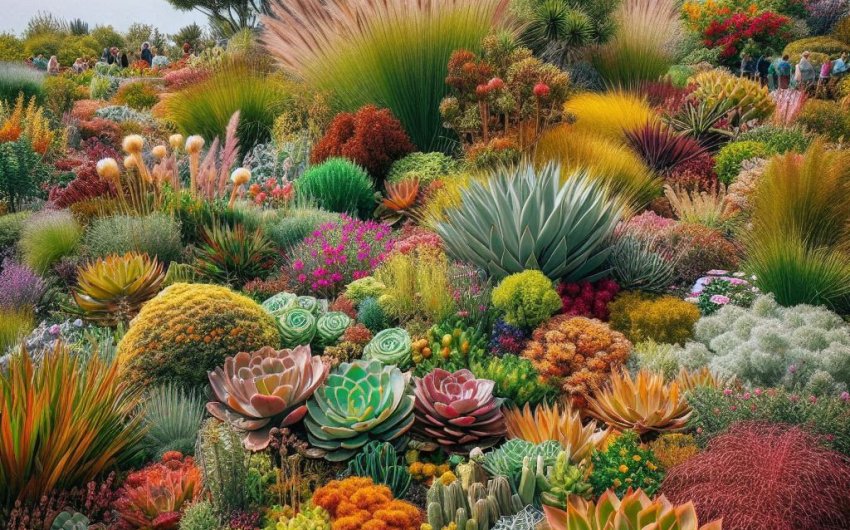
But it's not just about saving water. A drought-tolerant garden can also be incredibly beautiful and diverse. Forget the idea that it means a barren landscape of rocks and cacti. Modern xeriscaping embraces a huge palette of stunning plants, offering rich textures, vibrant colors, and year-round interest. Many drought-tolerant plants are also naturally more low-maintenance, as they are adapted to harsher conditions and often require less fertilizing, pruning, and pest management once established. Plus, by choosing native plants (plants that naturally grow in your region), you can create a garden that supports local wildlife, from pollinators to birds, creating a thriving ecosystem right in your backyard. It's a garden style that truly gives back, both to you and to the environment.
What Are the Key Principles of Drought-Tolerant Design?
Designing a successful drought-tolerant garden goes beyond just picking the right plants. It involves a thoughtful approach to planning, soil, and water management. By understanding a few core principles, you can create a garden that thrives with minimal supplemental irrigation.
How Does Proper Planning Conserve Water?
Good planning is the foundation of any successful garden, and it's especially critical for drought tolerance. Thinking strategically before you dig can save immense amounts of water and effort in the long run.
- Zone Your Plants: This is a core principle. Group plants together based on their water needs. Put plants with higher water requirements (even in a drought-tolerant garden, some plants may need a little more water than others, especially when establishing) closest to your water source or in areas that naturally retain more moisture. Place the truly water-wise plants in the driest spots. This allows for efficient irrigation – you only water where and what is needed, avoiding overwatering plants that don't need it.
- Analyze Your Site: Before planting, spend time observing your garden.
- Sunlight: Map out where your garden receives full sun, partial sun, and shade throughout the day. This dictates which plants will thrive.
- Slope and Drainage: Observe how water drains (or puddles) in your yard. Sloped areas will dry out faster, while low spots might collect water.
- Soil Type: Is your soil sandy (drains quickly), clay (holds water, can be compacted), or loamy? Understanding your soil helps you amend it appropriately.
- Consider Mature Plant Size: Always plant with the mature size of the plant in mind. Overcrowding leads to competition for water and nutrients. Proper spacing ensures good air circulation and reduces the need for frequent pruning, which can stress plants and increase water demand.
- Pathways and Hardscaping: Incorporate permeable pathways (like gravel, pavers with sand joints, or stepping stones) instead of solid concrete. Permeable surfaces allow rainwater to soak into the ground rather than running off, reducing stormwater runoff and replenishing soil moisture. Hardscaping elements like patios or decks can also reduce the area that needs watering.
By planning carefully, you create a garden that is inherently more efficient and less thirsty.
Why is Improving Soil a Top Priority?
Healthy soil is the backbone of a drought-tolerant garden. It acts like a sponge, holding onto moisture and nutrients, and making them available to plant roots.
- Enhance Water Retention: The goal is to improve your soil's ability to hold water without becoming waterlogged.
- Add Organic Matter: This is the most crucial step. Incorporate generous amounts of organic matter such as well-rotted compost, aged manure, or leaf mold into your soil.
- Benefits: Organic matter improves the structure of heavy clay soils (making them looser and better draining) and increases the water-holding capacity of sandy soils. It also provides a slow release of nutrients, reducing the need for chemical fertilizers which can be water-intensive to produce and apply. You can find quality compost at your local garden center or make your own.
- Avoid Deep Tilling: Once your soil is amended, try to minimize deep tilling or digging. This disrupts the natural soil structure and can harm beneficial microorganisms.
- Improve Drainage: For very heavy clay soils, even with organic matter, consider building raised beds or incorporating drainage systems if pooling water is a severe issue. Raised beds offer excellent drainage and allow you to control the soil mix precisely.
Healthy, organically rich soil means you'll water less frequently and your plants will be more resilient during dry periods.
How Does Efficient Watering Reduce Usage?
Even in a drought-tolerant garden, plants need water, especially when they are young and getting established. The key is to water efficiently, ensuring every drop counts.
- Deep and Infrequent Watering: When you do water, water deeply and thoroughly. This encourages roots to grow deep into the soil, where they can access more moisture, making the plant more resilient during dry spells. Frequent, shallow watering encourages shallow roots, which are more susceptible to drying out.
- Watering Tools:
- Drip Irrigation Systems: These are incredibly efficient, delivering water directly to the plant's root zone with minimal evaporation. They consist of emitters or soaker hoses that slowly release water. A Drip Irrigation Kit can be a significant investment but saves a huge amount of water.
- Soaker Hoses: Similar to drip systems, soaker hoses weep water directly into the soil along their length, reducing evaporation and overspray.
- Hand Watering (with care): If hand watering, use a watering can or a hose with a gentle shower setting, focusing on the plant's base, not spraying the foliage.
- Timing: Water in the early morning or late evening. This minimizes water loss to evaporation, allowing more water to reach the plant roots. Watering in the middle of the day, especially in hot, sunny conditions, leads to significant water loss.
- Rain Gauges/Moisture Meters: Use a rain gauge to track natural rainfall. A soil moisture meter can help you determine when your plants truly need water, preventing overwatering.
- Rainwater Harvesting: Consider installing rain barrels to collect rainwater from your roof. This collected water is perfect for your garden and reduces reliance on municipal water sources.
Efficient watering practices ensure your plants get the moisture they need without wasting a single drop.
What is the Role of Mulch in Water Conservation?
Mulch is a superhero in a drought-tolerant garden. It's one of the simplest yet most effective ways to conserve water and improve overall garden health.
- Retain Soil Moisture: A thick layer of mulch acts like a blanket over the soil, significantly reducing water evaporation caused by sun and wind. This means your soil stays moist longer, and you'll need to water less frequently.
- Regulate Soil Temperature: Mulch insulates the soil, keeping it cooler in summer (reducing heat stress on roots) and warmer in winter (protecting roots from extreme cold).
- Suppress Weeds: Mulch smothers weeds, preventing them from competing with your desired plants for precious water and nutrients. Less weeding means less work for you!
Improve Soil Health: As organic mulches break down, they slowly add organic matter and nutrients to the soil, further improving its structure and fertility over time.
Types of Mulch:
- Organic Mulches:
- Wood Chips: Long-lasting and attractive, great for pathways and around shrubs.
- Shredded Bark: Similar to wood chips, but often finer.
- Straw: Excellent for vegetable gardens, breaks down quickly, and provides good insulation.
- Compost: While also an amendment, a top layer of compost acts as a fantastic mulch.
- Pine Needles: Great for acid-loving plants and provide good weed suppression.
- Inorganic Mulches:
- Gravel/Crushed Stone: Excellent for suppressing weeds and retaining heat for plants that like warm roots (like some succulents). However, they don't add organic matter to the soil.
- River Rock: More decorative, can be used in pathways or around plants.
- Organic Mulches:
Application: Apply a layer of mulch 2-4 inches (5-10 cm) deep around your plants, making sure to keep it a few inches away from the plant stems to prevent rot. Replenish as needed.
Using mulch is a non-negotiable step for any gardener serious about water conservation and reducing garden maintenance.
Top Plant Choices for a Drought-Tolerant Garden
The heart of a drought-tolerant garden lies in its plant selection. Knowing which plants naturally thrive in dry conditions is crucial for creating a vibrant, low-water landscape. Many drought-tolerant plants have developed unique adaptations to survive with less water.
What Plant Adaptations Help with Drought Tolerance?
Plants employ various clever strategies to cope with dry conditions. Understanding these adaptations can help you choose the best plants for your water-wise garden:
- Succulent Leaves/Stems: Many succulents (like Sedum, Sempervivum, and various Agaves) store water in their fleshy leaves or stems, acting like living reservoirs.
- Silver/Gray or Hairy Foliage: Plants with silver, gray, or hairy leaves (e.g., Lamb's Ear, Lavender, Artemisia) reflect sunlight, reducing water loss through transpiration (evaporation from leaves). The hairs also trap moisture and reduce air movement over the leaf surface.
- Small or Waxy Leaves: Smaller leaves reduce the surface area exposed to sun and wind. Waxy coatings (like on some Echeveria) help seal in moisture.
- Deep Taproots: Plants with deep taproots (e.g., Baptisia, some ornamental grasses) can reach deep into the soil to access water reserves.
- Fine-Textured or Narrow Leaves: Narrow leaves (like many grasses) reduce surface area for evaporation. Fine textures often imply less surface area or the ability to roll leaves to conserve moisture.
- Dormancy: Some plants enter a period of dormancy during extreme dry spells, shedding leaves or going dormant underground, and then regrowing when moisture returns.
What are the Best Perennials for Dry Conditions?
Perennials are fantastic for drought-tolerant gardens because once established, they come back year after year, requiring minimal water and effort.
- Lavender (Lavandula): A classic drought-tolerant plant cherished for its fragrant purple flowers and silvery foliage. Needs full sun and excellent drainage. Varieties like English Lavender are very hardy.
- Coneflower (Echinacea purpurea): Cheerful, daisy-like flowers that bloom for a long season in summer. Attracts pollinators and is very tough once established. Echinacea seeds are widely available.
- Sedum (Stonecrop): Many varieties, from groundcovers to upright types like 'Autumn Joy' or 'Autumn Fire', offer succulent foliage and long-lasting flower heads. Excellent texture and color for fall.
- Yarrow (Achillea): Flat-topped clusters of flowers in various colors (yellow, red, pink, white) on tough, feathery foliage. Very adaptable and heat-tolerant.
- Salvia (Perennial Sages): Many species and cultivars offer long-lasting spikes of blue, purple, pink, or white flowers. They are adored by hummingbirds and bees. Look for Salvia nemorosa varieties.
- Artemisia: Known for its striking silvery or gray, often feathery, foliage. Adds wonderful texture and contrast to a dry garden. Examples include 'Silver Mound' or 'Powis Castle'.
- Daylily (Hemerocallis): While they appreciate some water, established daylilies are surprisingly tolerant of dry spells and continue to bloom reliably.
- Baptisia (False Indigo): A native perennial with deep taproots, producing spires of blue, purple, or yellow flowers in spring, followed by attractive seed pods.
- Russian Sage (Perovskia atriplicifolia): Airy spikes of lavender-blue flowers and silvery foliage. Drought-tolerant, deer-resistant, and adds beautiful texture.
- Gaillardia (Blanket Flower): Daisy-like flowers with fiery red, orange, and yellow tones. Blooms for a very long period and is extremely heat and drought-tolerant.
Which Annuals and Succulents Thrive with Little Water?
Annuals can provide a burst of seasonal color, while succulents offer unique forms and amazing water-storing capabilities.
Drought-Tolerant Annuals:
- Portulaca (Moss Rose): Low-growing succulent annuals with brightly colored, rose-like flowers. Perfect for hot, sunny, dry spots, hanging baskets, or rock gardens.
- Cosmos: While they prefer regular water for continuous blooms, many cosmos varieties are surprisingly tough and will still flower in drier conditions once established, especially if the soil isn't too rich.
- Zinnias: Exceptionally easy to grow and very drought-tolerant once established. They thrive in heat and provide continuous blooms if deadheaded.
- Marigolds: The classic hardy annual, thriving in hot, sunny conditions with minimal water.
- Lantana: A long-blooming annual (perennial in warm climates) with clusters of vibrant multi-colored flowers. Very heat and drought-tolerant, and attracts butterflies.
Drought-Tolerant Succulents:
- Sedum (Groundcover and Upright): Both groundcover varieties (Sedum spurium, Sedum album) and upright varieties (Sedum spectabile or 'Autumn Joy') are excellent. They store water in their fleshy leaves and are incredibly low-maintenance.
- Sempervivum (Hens and Chicks): Iconic rosette-forming succulents that are incredibly hardy and self-propagate (the "chicks" are offsets from the "hens"). Perfect for rock gardens, containers, or dry crevices.
- Agave: Architectural and striking succulents with bold forms. Many are very large and suitable for hot, dry climates. Some smaller varieties can be used in containers.
- Echeveria: Beautiful rosette-forming succulents with a huge range of colors and textures, often with waxy or powdery coatings. Best in containers or mild climates.
- Ice Plant (Delosperma): Low-growing, mat-forming succulents with incredibly vibrant, iridescent flowers that shimmer in the sun. Excellent for groundcover in hot, dry areas.
What Ornamental Grasses and Shrubs are Water-Wise?
Ornamental grasses bring movement, texture, and often year-round interest, and many are exceptionally drought-tolerant. Shrubs provide structure and can significantly reduce the amount of lawn or annuals that need watering.
Drought-Tolerant Ornamental Grasses:
- Fescue (Festuca): Particularly Blue Fescue (Festuca glauca), forming neat mounds of silvery-blue foliage. Excellent for edging or mass planting.
- Muhly Grass (Muhlenbergia capillaris): Known for its stunning airy pink or purple plumes in fall, creating a soft, hazy effect. Very drought-tolerant and beautiful.
- Little Bluestem (Schizachyrium scoparium): A native prairie grass with blue-green foliage that turns beautiful shades of red and orange in fall. Adds vertical interest.
- Switchgrass (Panicum virgatum): Tall, upright grass with airy seed heads. Offers great vertical structure and is very tough.
- Karl Foerster Feather Reed Grass (Calamagrostis acutiflora 'Karl Foerster'): Upright, feathery plumes that turn golden in summer and remain attractive through winter. A very popular and reliable grass.
Drought-Tolerant Shrubs:
- Lavender (Lavandula): As mentioned, it's a fragrant shrub too!
- Rosemary (Rosmarinus officinalis): A fragrant herb that grows into a beautiful, drought-tolerant shrub with small blue flowers.
- Manzanita (Arctostaphylos): Many native manzanita species are incredibly drought-tolerant, with beautiful reddish bark and evergreen foliage. Specific varieties depend on your region.
- Cotoneaster: A versatile shrub (some are groundcovers) with small leaves, berries, and often a spreading habit. Many varieties are very drought-tolerant once established.
- Juniper (Juniperus): A wide range of evergreen conifers, from groundcovers to upright shrubs. Extremely hardy and low-water.
- Smoke Bush (Cotinus coggygria): Known for its airy, smoky plumes in summer and striking fall foliage (often purple or reddish). Very drought-tolerant.
- Oleander (Nerium oleander): A popular choice in warm, dry climates for its long bloom season and vibrant flowers. Caution: All parts of Oleander are highly toxic if ingested.
- Photinia (Photinia fraseri): Known for its bright red new growth and evergreen foliage.
- California Lilac (Ceanothus): Many species and cultivars are native to dry regions, offering beautiful blue or white flowers and being very drought-tolerant.
By combining these diverse plant types, you can create a drought-tolerant garden that is not only sustainable but also visually captivating throughout the year.
How Do You Transition to a Drought-Tolerant Garden?
Converting an existing landscape to a drought-tolerant garden doesn't have to be an all-or-nothing, immediate overhaul. It can be a gradual process, breaking it down into manageable steps.
Should You Convert All at Once or Gradually?
For most homeowners, a gradual transition is the most practical and least overwhelming approach.
- Gradual Approach (Recommended):
- Phase 1: High-Impact Areas: Start with the thirstiest areas of your yard, like a large lawn section or an area that consistently struggles in dry spells.
- Small Sections: Convert one bed or one section of lawn at a time. This allows you to learn as you go, spread out the cost and labor, and see what works best in your specific microclimate.
- Observe and Learn: Over time, you'll gain experience with drought-tolerant plants and techniques, building confidence for future phases.
- All-at-Once Approach: This is suitable if you are doing a complete landscape renovation, hiring professionals, or are an experienced gardener with a clear vision and resources. It can be more disruptive but gets the job done faster.
What are the Steps for Converting a Lawn Area?
Replacing thirsty lawn grass is often the biggest step in creating a drought-tolerant garden. Lawns are notoriously water-intensive.
- Remove the Lawn:
- Sheet Mulching (Lasagna Gardening): This is an organic, no-dig method. Layer cardboard directly over the grass, overlap edges to prevent light, then add layers of compost, leaves, and other organic materials. This slowly smothers the grass and builds rich soil over several months.
- Solarization: Cover the lawn area with clear plastic sheeting during the hottest months. The sun's heat bakes the grass and weed seeds, killing them. This also takes several weeks to months.
- Manual Removal: For smaller areas, you can manually dig up the sod.
- Herbicide (Last Resort): While effective, using herbicides is generally not recommended for an eco-friendly garden.
- Improve Soil: Once the lawn is removed, follow the soil preparation steps outlined earlier – amending generously with organic matter.
- Install Irrigation (if desired): This is the ideal time to install a drip irrigation system before planting.
- Plant Drought-Tolerant Plants: Select your chosen drought-tolerant trees, shrubs, perennials, and ornamental grasses.
- Mulch Heavily: Apply a 2-4 inch layer of organic mulch immediately after planting.
How to Establish New Drought-Tolerant Plants?
Even drought-tolerant plants need a little help getting established. They aren't truly water-wise until their root systems are well-developed.
- Initial Watering: Water newly planted drought-tolerant plants regularly and deeply during their first growing season. This encourages their roots to grow deep and wide, seeking out moisture.
- Frequency: This could mean watering every few days to once a week, depending on your climate and rainfall.
- Check Soil: Always check the soil moisture before watering. Stick your finger 2-3 inches deep; if it's dry, water.
- Reduce Watering Gradually: After the first growing season, gradually reduce the frequency of watering. If a plant looks stressed, give it a good, deep soak, then resume reduced watering.
- Monitor and Observe: Pay attention to your plants. Wilting, curled leaves, or dull foliage can indicate they need water. Once established (usually after one or two full growing seasons), many drought-tolerant plants will thrive on natural rainfall alone, except during prolonged severe droughts.
- Mulch is Key: As always, a thick layer of mulch is invaluable for new plants, helping to retain moisture and suppress weeds that would compete for water.
By nurturing your new plants through their establishment period, you set them up for a lifetime of thriving with minimal supplemental water, truly embodying the spirit of a drought-tolerant garden.
What Are Common Challenges and Solutions?
While designing a drought-tolerant garden offers many benefits, it's important to be aware of potential challenges and how to overcome them. No garden is completely problem-free, but with a little knowledge, you can address common issues.
How to Deal with Weeds in a Water-Wise Garden?
Weeds are the bane of every gardener's existence, and in a drought-tolerant garden, they pose a particular threat because they compete directly with your desirable plants for precious water.
- Prevention is Key:
- Thorough Soil Preparation: Before planting, make sure to remove as many existing weeds and their seeds as possible.
- Mulch, Mulch, Mulch: A thick layer (2-4 inches) of organic mulch is your best defense against weeds. It blocks sunlight, preventing weed seeds from germinating and smothering existing small weeds. Reapply mulch as it breaks down.
- Weed Barrier Fabric (Use with Caution): While weed barrier fabric can be effective under gravel, it's generally not recommended under planting areas in an organic garden as it prevents organic matter from breaking down into the soil, hindering soil health. If used, ensure it's a breathable, woven type.
- Early Detection and Removal:
- Hand-Pulling: The best method for removal. Pull weeds when they are small, especially after a rain or watering when the soil is soft. Get the entire root!
- Hoeing: For larger areas, a sharp hoe can effectively sever weeds just below the soil line on a dry day.
- Avoid Overwatering: Ironically, overwatering can encourage weed growth. Focus your watering only on your desired plants, not on open soil areas where weeds might sprout.
Consistent vigilance, especially with mulch, will keep your drought-tolerant garden looking neat and ensure your plants get all the water they need.
How Do You Handle Pests and Diseases in a Low-Water Environment?
Drought-tolerant plants are often more resilient to pests and diseases than their thirstier counterparts because they are well-adapted to their environment. However, problems can still arise.
- Healthy Plants are Resistant: The best defense is always a healthy, stress-free plant. Proper site selection, good soil, and correct watering during establishment build strong plants that can naturally fend off many issues.
- Regular Observation: Inspect your plants frequently for any signs of trouble (e.g., chewed leaves, discolored spots, sticky residue). Early detection makes management much easier.
- Integrated Pest Management (IPM):
- Hand-Picking: For larger pests like caterpillars, simply pick them off and drop them into a bucket of soapy water.
- Strong Water Spray: For soft-bodied pests like aphids, a strong blast of water from a hose can often dislodge them.
- Encourage Beneficial Insects: Plant a diverse array of flowers that attract beneficial insects (like ladybugs, lacewings, and parasitic wasps) that prey on garden pests. Many drought-tolerant plants are also great for pollinators.
- Organic Sprays (Last Resort): Use organic pesticides like neem oil or insecticidal soap only when necessary and always follow label instructions. Target the affected plants, not the entire garden.
- Disease Prevention:
- Good Air Circulation: Space your plants appropriately to allow for good airflow, which reduces humidity around foliage and helps prevent fungal diseases.
- Water at the Base: Avoid overhead watering that wets foliage, especially in the evening. Drip irrigation helps immensely here.
- Resistant Varieties: Choose disease-resistant plant varieties whenever possible.
- Remove Infected Parts: Promptly remove and discard any diseased plant parts to prevent spread. Do not compost diseased material.
By creating a balanced ecosystem and practicing good cultural care, you can minimize pest and disease problems in your drought-tolerant garden.
What About Plant Selection and Aesthetics?
A common misconception is that drought-tolerant gardens are limited in their aesthetic appeal. This couldn't be further from the truth! You can create stunning, diverse landscapes.
- Embrace Diversity: There's a vast palette of drought-tolerant plants available beyond just succulents. Explore different textures (feathery grasses, spiky yuccas, smooth hostas), forms (upright, mounding, spreading), and colors (silvery foliage, vibrant blooms, interesting bark).
- Focus on Foliage: Many drought-tolerant plants have incredible foliage that provides year-round interest even when not in bloom. Think about the range of greens, grays, silvers, and even purples.
- Consider Bloom Times: Just like any garden, plan for successive bloom times to ensure continuous color and interest throughout the seasons. Combine early spring bloomers with summer and fall stars.
- Incorporate Hardscaping: Rocks, boulders, gravel paths, and stepping stones are not just practical; they are integral design elements in drought-tolerant gardens, adding structure, texture, and a sense of permanence. Use them to create visual pathways or define planting beds.
- Play with Heights and Layers: Create visual interest by planting in layers, with taller shrubs or ornamental grasses at the back, mid-height perennials in the middle, and low-growing groundcovers or succulents in the foreground.
- Use Native Plants: Incorporating native plants not only ensures they are adapted to your local climate (and thus drought-tolerant) but also creates a landscape that feels naturally harmonious with its surroundings and supports local wildlife. Your local native plant society or cooperative extension can provide lists of suitable plants for your region.
With thoughtful design, your drought-tolerant garden can be a stunning, vibrant oasis that sips water, conserves resources, and provides beauty with minimal fuss.