
Propagate Roses from Cuttings: A Beginner’s Guide
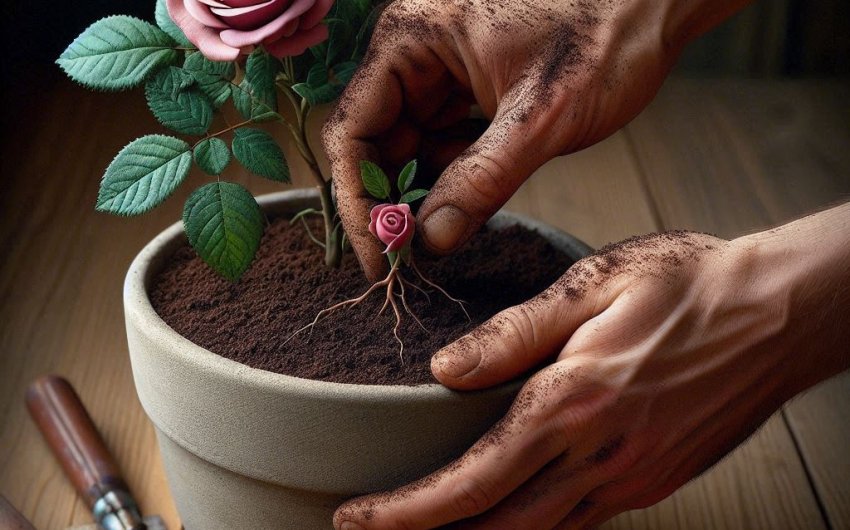
To propagate roses from cuttings, choose healthy, non-flowering stems from the current season's growth, prepare them properly by removing lower leaves and creating a fresh cut, then place them in a suitable rooting medium under high humidity conditions. Patience and consistent moisture are key for successful rooting.
Why Propagate Roses from Cuttings?
Propagating roses from cuttings is a rewarding and cost-effective way to expand your rose collection or share favorite varieties with friends and family. This method, often called "cloning," creates genetically identical copies of the parent plant, ensuring you get the exact same flowers and growth habits.
Here's why you might choose to propagate roses from cuttings:
- Cost-Effective: Buying new rose bushes can be expensive, especially for rare or desirable varieties. Taking cuttings from existing plants allows you to multiply your roses for free. This is particularly appealing if you want several of the same variety for a hedge or border.
- Preserving a Favorite Rose: If you have a beloved rose bush that's old, declining, or you simply want to ensure its legacy, taking cuttings allows you to create new generations of the exact same plant. This is invaluable for preserving sentimental or unique varieties.
- Easy to Share: Have a friend who admires your particular rose? Propagating from cuttings is a thoughtful and easy way to share your garden's beauty. New plants rooted from your own garden make great gifts.
- Learning and Skill Development: For many gardeners, the process of propagating roses from cuttings is a fascinating learning experience. It hones your horticultural skills, teaches you about plant physiology, and provides immense satisfaction when you see those first new roots and leaves emerge.
- Understanding Rose Growth: Observing the rooting process gives you a deeper understanding of how roses grow and regenerate, which can inform other aspects of your rose care.
- Replacing Plants: If a rose bush is damaged or needs to be moved, having rooted cuttings on hand provides a backup plan for replacement.
- Exploring Different Varieties: You might obtain cuttings from roses you admire in public gardens, nurseries (with permission!), or from friends, allowing you to try new varieties without the expense of buying mature plants.
While not all rose varieties root with equal ease from cuttings (some hybrids can be trickier than old-fashioned or shrub roses), the potential benefits make it a worthwhile endeavor for any rose enthusiast. It's a fundamental skill that connects you more deeply with your garden.
What Supplies Do I Need to Propagate Roses from Cuttings?
To successfully propagate roses from cuttings, having the right supplies on hand is crucial. While the process itself is natural, providing the optimal environment for new roots to form requires a few specific tools and materials. Gathering everything before you start will make the process smooth and efficient.
Here's a list of essential supplies for propagating roses from cuttings:
1. Pruning Tools
- Sharp Pruners or Shears: A clean, sharp pair of hand pruners or bypass shears is essential for making clean cuts. Dull tools can crush stems, making it harder for the cuttings to root. Fiskars Bypass Pruning Shears are a reliable choice.
- Razor Blade or Sharp Knife: A very sharp, clean knife or razor blade can be used for the precise bottom cut on your cuttings if you prefer, as it minimizes crushing.
- Rubbing Alcohol or Disinfectant Wipes: For sterilizing your pruning tools before and after taking cuttings. This prevents the spread of diseases from the parent plant to your new cuttings.
2. Rooting Hormone
- Powder, Liquid, or Gel: Rooting hormone significantly increases the chances of successful rooting, especially for somewhat trickier plants like roses. It contains auxins, plant hormones that stimulate root development.
- Clonex Rooting Gel is a popular gel option.
- Garden Safe TakeRoot Rooting Hormone is a common powder.
- Container for Rooting Hormone: A small, disposable dish or paper plate if using powder, to avoid contaminating the main container.
3. Rooting Medium
The choice of rooting medium is critical. It needs to be well-draining, sterile, and able to retain moisture.
- Perlite: Excellent for drainage and aeration.
- Vermiculite: Retains moisture well and provides good aeration.
- Coarse Sand: Provides excellent drainage.
- Peat Moss or Coco Coir: Retains moisture.
- Recommended Mixes:
- 50/50 mix of perlite and peat moss (or coco coir): A very common and effective mix.
- 100% perlite or 100% vermiculite: Can also work well.
- Avoid using regular garden soil, as it's too dense and contains pathogens.
- Container for Mixing: A bucket or tub to mix your rooting medium.
4. Containers for Cuttings
- Small Pots or Cell Packs: Individual pots (3-4 inches/7-10 cm diameter) or multi-cell nursery trays with drainage holes. This allows you to plant each cutting separately, minimizing root disturbance later.
- Plastic Bottles or Cloches (for humidity): Clear plastic bottles (cut in half) or plastic domes can be placed over individual pots to create a mini-greenhouse effect and maintain high humidity around the cuttings.
5. Watering Equipment
- Mister or Spray Bottle: Essential for maintaining high humidity around the cuttings and for gentle watering. Fine mist spray bottle is ideal.
- Small Watering Can: For gently watering the rooting medium.
6. Labels and Pen
- Plant Labels: To keep track of the rose variety and date the cuttings were taken.
- Waterproof Pen: To write on the labels.
7. Optional but Helpful
- Heating Mat: Provides gentle bottom heat, which can significantly speed up root development, especially in cooler environments. Seedling heating mat is beneficial.
- Clear Plastic Bag: A large clear plastic bag can be used to cover an entire tray of cuttings to create a humid environment, if you don't use individual cloches.
- Shade Cloth: If placing cuttings outdoors, a bit of shade cloth can protect them from direct, intense sun while they root.
Having these supplies ready before you begin will streamline the process of propagating roses from cuttings and increase your chances of success.
When is the Best Time to Take Rose Cuttings?
Choosing the best time to take rose cuttings significantly impacts your success rate when propagating roses from cuttings. The stage of the parent plant's growth and the time of year determine the quality of the cutting material.
Generally, there are two primary optimal windows, depending on the type of cutting you prefer to work with:
1. Summer: Softwood Cuttings (Most Popular for Beginners)
- Timing: Late spring to early summer (typically May to July in most temperate climates), after the first flush of blooms has faded but before temperatures get too hot and dry.
- What to Look For: This is when the plant is producing new, actively growing shoots that are still relatively soft and pliable, but have begun to firm up slightly. They are often called softwood cuttings.
- "Snap Test": A good test is to gently bend the stem. If it snaps cleanly, it's ready. If it bends without breaking, it's too soft. If it's too woody, it's too hard.
- Not Flowering: Choose stems that are not currently flowering or have just finished blooming.
- Why it's Best for Beginners: Softwood cuttings tend to root faster and more readily than other types because they are actively growing. They have high levels of natural rooting hormones.
- Advantages:
- Quicker rooting time (usually 2-4 weeks).
- Higher success rate for beginners.
- Abundant cutting material.
2. Late Fall/Early Winter: Hardwood Cuttings (More Challenging, but Robust)
- Timing: Late fall to early winter (typically October to December), after the leaves have fallen off or after the first hard frost, when the plant has entered dormancy.
- What to Look For: Choose mature, hardened-off stems from the current season's growth. These are typically thicker, woody, and brown in color, with no leaves. They are referred to as hardwood cuttings.
- Advantages:
- More robust and resilient to cold storage.
- Can be stored over winter and rooted in spring.
- Less prone to rot if conditions are slightly off.
- Disadvantages:
- Slower to root (can take months).
- Lower success rate for beginners compared to softwood.
- Requires more patience.
Times to Avoid Taking Cuttings:
- Mid-Winter (for actively growing plants): If the plant is still fully dormant and woody, it's best to wait for spring or take proper hardwood cuttings in late fall.
- Peak Bloom: Avoid taking cuttings when the rose is in its main flush of bloom. The plant's energy is focused on flowering, not root production.
- Weak or Diseased Stems: Never take cuttings from unhealthy, stressed, diseased, or pest-infested stems. Only use vigorous, clean material.
By selecting the best time to take rose cuttings (preferably softwood in summer for beginners), you lay the groundwork for a much higher success rate in your propagation efforts.
Step-by-Step Guide: How to Take Rose Cuttings
Taking rose cuttings correctly is a crucial first step in propagating roses from cuttings. Precision and cleanliness are key to ensuring the cuttings have the best chance to root successfully. This guide focuses on the most common and easiest method for beginners: softwood cuttings.
Step 1: Prepare Your Tools and Work Area
- Sterilize Pruners: Thoroughly clean your sharp pruners or shears with rubbing alcohol or a bleach solution (1 part bleach to 9 parts water). This prevents the spread of diseases.
- Prepare Rooting Hormone: If using powder, pour a small amount onto a disposable plate or paper towel. Do not dip cuttings directly into the original container, as this can contaminate the entire batch.
- Prepare Rooting Medium: Moisten your rooting medium (e.g., 50/50 perlite and peat moss) so it's damp but not soggy (like a wrung-out sponge). Fill your pots or cell packs.
Step 2: Select the Right Stem
- Timing: Take cuttings in late spring to early summer, after the first flush of blooms has ended.
- Stem Quality: Look for healthy, vigorous stems from the current season's growth that are not currently flowering. They should be pencil-thick or slightly thinner.
- "Snap Test": Gently bend the chosen stem. It should snap cleanly, indicating it's firm enough but not too woody. If it bends, it's too soft; if it's too rigid, it's too hard (and better suited for hardwood cuttings).
- Absence of Damage/Disease: Ensure the stem is free from any signs of disease, pests, or damage.
Step 3: Take the Cutting from the Parent Plant
- Initial Cut: Using your sterilized pruners, make a cut on the chosen stem, about 6-8 inches (15-20 cm) long, just below a leaf node (the point where a leaf or branch emerges from the stem). Try to cut when temperatures are cooler, ideally in the morning.
- Immediate Care: If you are taking multiple cuttings or won't be processing them immediately, place them in a bucket of water to prevent dehydration.
Step 4: Prepare the Cutting for Rooting
- Remove Lower Leaves: Remove all leaves from the bottom 2-3 inches (5-7.5 cm) of the stem. These leaves would be submerged in the rooting medium and would likely rot, encouraging disease. Leave at least 2-3 leaves at the top.
- Remove Flowers/Buds: If there are any flower buds or small flowers at the top, pinch them off. The plant's energy should be focused on root production, not flowering.
- Reduce Remaining Leaf Size (Optional but Recommended): For the remaining leaves at the top, you can cut them in half crosswise. This reduces the surface area for transpiration (water loss), which is beneficial as the cutting currently has no roots to absorb water.
- Make the Final Bottom Cut: Make a fresh, clean cut at a 45-degree angle directly below a leaf node at the bottom of the cutting. This angled cut increases the surface area for rooting and helps differentiate the top from the bottom.
- Score the Bark (Optional but Recommended): With a clean razor blade or sharp knife, very gently scrape away a tiny strip of bark (about 1/2 inch long) on two opposite sides of the bottom of the stem. Do this carefully, exposing the green tissue underneath. This stimulates rooting by causing a wound response.
Step 5: Apply Rooting Hormone
- Dip the Cutting: Dip the bottom 1 inch (2.5 cm) of the prepared cutting into the rooting hormone (powder, liquid, or gel).
- Tap Off Excess: If using powder, gently tap off any excess to avoid clumping, which can lead to rot.
Step 6: Plant the Cutting
- Make a Hole: Using a pencil or a small stick, make a hole in your prepared, moistened rooting medium in the pot. The hole should be deep enough to accommodate the bottom 2-3 inches of the cutting without scraping off the rooting hormone.
- Insert Cutting: Carefully insert the cutting into the prepared hole.
- Firm Gently: Gently firm the rooting medium around the base of the cutting to ensure good contact with the medium and eliminate air pockets.
Step 7: Create a High-Humidity Environment
- Cover: Place a clear plastic bottle (cut in half) or a clear plastic bag over the pot, creating a mini-greenhouse. Ensure the plastic does not touch the leaves.
- Secure: Secure the plastic with a rubber band or by tucking it under the pot to trap humidity.
- Benefits: This high humidity prevents the cutting from dehydrating while it develops roots.
By following these detailed steps, your rose cuttings will be perfectly prepared for the rooting phase, significantly increasing your chances of successfully propagating roses from cuttings.
How Do I Care for Rose Cuttings While They Are Rooting?
Caring for your rose cuttings during the rooting phase is critical for success in propagating roses from cuttings. The goal is to provide a consistent, stable, and humid environment that encourages root development while preventing rot and dehydration. Patience and diligent monitoring are essential.
Here's how to properly care for your rose cuttings while they are rooting:
1. Maintain High Humidity (Crucial!)
- Mini-Greenhouse Effect: The most important factor for rooting rose cuttings is high humidity. This prevents the cutting from drying out (transpiring) before it has roots to absorb water.
- Methods:
- Plastic Cover: Keep the clear plastic bottle, plastic bag, or humidity dome (from where you planted the cuttings) securely over the pot.
- Misting: Mist the inside of the plastic cover and the leaves of the cuttings daily or every other day with a fine mist of water. Check for condensation on the inside of the cover; if it's consistently dry, increase misting or ensure the seal is tight.
- Pebble Tray (if not using cover): If you're not using individual covers, place the pots on a pebble tray filled with water, ensuring the bottom of the pots does not sit in the water. The evaporating water increases ambient humidity.
2. Provide Bright, Indirect Light
- Optimal Lighting: Place your rose cuttings in a location that receives bright, indirect light.
- Avoid Direct Sun: Direct, intense sunlight will quickly scorch the delicate leaves and overheat the mini-greenhouse, potentially cooking the cuttings.
- Avoid Deep Shade: Too little light will slow down photosynthesis and inhibit root development.
- Location: An east-facing window, a few feet back from a south or west-facing window, or under grow lights are ideal spots.
3. Maintain Consistent Warm Temperatures
- Ideal Range: Aim for consistent temperatures between 65-75°F (18-24°C).
- Heating Mat (Optional but Recommended): A seedling heating mat placed under the pots can provide gentle bottom heat (around 70-75°F), which significantly speeds up root development.
4. Ensure Proper Rooting Medium Moisture
- Damp, Not Soggy: The rooting medium should be kept consistently damp, like a wrung-out sponge.
- Avoid Overwatering: Soggy medium will lead to rot. Too dry will cause dehydration.
- Check Regularly: Lift the pot to feel its weight, or gently poke a finger into the medium (avoid disturbing the cutting).
- Watering Method: Water gently when needed, perhaps from the bottom by placing the pot in a tray of water for 15-20 minutes, allowing it to wick up moisture.
5. Monitor for Signs of Rooting
- Patience is Key: Rooting can take anywhere from 2 weeks to 2 months or more, depending on the rose variety, the type of cutting, and environmental conditions.
- New Top Growth: The first sign of successful rooting is usually new leaf growth at the top of the cutting. This indicates that the cutting is able to take up water from its newly formed roots.
- Gentle Tug Test (Use with Extreme Caution): Very, very gently try to lift the cutting from the medium. If you feel resistance, it likely has roots. Avoid doing this frequently, as it can damage delicate new roots.
- Visible Roots (for clear containers): If you've used clear pots or cell packs, you might eventually see roots developing along the sides of the container.
6. Gradual Acclimation (After Rooting)
Once your rose cuttings show clear signs of rooting (consistent new growth), they need to be gradually acclimated to lower humidity and more normal room conditions before eventual transplanting outdoors.
- Gradual Uncovering: Over 1-2 weeks, gradually remove the plastic cover for increasingly longer periods each day (e.g., a few hours on day 1, half the day on day 2-3, full day on day 4-5).
- Nighttime: If conditions allow, eventually leave the cover off overnight.
- Full Removal: After 1-2 weeks of gradual acclimation, the cover can be removed permanently. The new rooted plant should now be able to thrive in normal indoor humidity.
By diligently following these care tips, your rose cuttings have the best possible chance to develop strong roots and become healthy new rose plants, ready for future transplanting into your garden.
When and How Should I Transplant Rooted Rose Cuttings to the Garden?
Successfully transplanting rooted rose cuttings to the garden is the final, pivotal step in the propagation process. This transition from their sheltered rooting environment to the challenges of the outdoors requires careful timing and handling to ensure their survival and continued growth.
When to Transplant Rooted Rose Cuttings to the Garden:
The timing for transplanting rooted rose cuttings is similar to transplanting seedlings:
- Well-Rooted and Established: First and foremost, the cuttings must be well-rooted. This means they have produced a good network of secondary roots that fill their small pot and can hold the soil plug together when removed. New top growth is a strong indicator of root development.
- After All Danger of Frost Has Passed: This is a non-negotiable rule. Rose cuttings, especially young ones, are very sensitive to frost. Wait until your region's average last frost date has comfortably passed and nighttime temperatures are consistently above 40-50°F (4-10°C).
- Soil Temperature is Warm: Ensure the garden soil temperature has consistently warmed up, ideally to at least 55-60°F (13-15°C). Cold soil can shock and stunt newly transplanted roots. Use a soil thermometer.
- Completed Hardening Off: Your rooted cuttings (now essentially young plants) must undergo the hardening off process (as described in a previous section). This gradual acclimation to outdoor light, wind, and temperature over 7-14 days is crucial to prevent transplant shock.
- Choose a Cloudy Day or Late Afternoon: Select a cloudy day for transplanting, or do it in the late afternoon/early evening. This gives the plant several hours of reduced sun stress to begin settling into its new environment before facing the full heat of midday.
How to Transplant Rooted Rose Cuttings to the Garden (Step-by-Step):
Prepare the Garden Site:
- Location: Choose a sunny spot in your garden that receives at least 6 hours of direct sunlight daily, with good air circulation.
- Soil Preparation: Ensure the soil is well-draining and rich in organic matter. Amend with organic compost if needed.
- Dig Hole: Dig a planting hole that is twice as wide as the root ball and about the same depth.
Prepare the Rooted Cutting:
- Water Well: Water the potted rose cutting thoroughly a few hours before transplanting. This ensures the root ball stays intact and hydrated.
- Remove from Pot: Gently remove the rose cutting from its pot. Support the base of the plant and tap the pot to loosen the root ball. Avoid pulling the stem.
- Inspect Roots: If roots are circling tightly, gently tease them apart at the bottom and sides to encourage outward growth into the new soil.
Plant the Rose Cutting:
- Placement: Place the rose cutting in the center of the prepared hole. Ensure the top of the root ball is level with the surrounding garden soil.
- Backfill: Gently backfill the hole with soil, lightly firming it around the root ball to remove large air pockets. Do not compact the soil too tightly.
- Create a Water Basin: Create a small berm (raised ring of soil) around the outer edge of the planting hole. This helps retain water directly over the root zone.
Water Immediately and Deeply:
- Crucial Step: As soon as the rose cutting is in the ground, water it immediately and thoroughly. This settles the soil, eliminates any remaining air pockets, and provides essential hydration.
- Gentle Stream: Use a watering can with a gentle rose attachment to avoid disturbing the newly planted cutting.
Provide Post-Transplant Care:
- Temporary Shade (Recommended): For the first 3-5 days after transplanting, especially if it's sunny, provide temporary shade for your young rose cutting. A piece of cardboard, a small umbrella, or shade cloth can work. This reduces initial stress.
- Consistent Moisture: Keep the soil consistently moist (but not soggy) for the first 2-4 weeks after transplanting. This is crucial for root establishment. Gradually transition to a deeper, less frequent watering schedule as the plant establishes.
- Mulch: Once established, apply a 2-3 inch layer of organic mulch (e.g., wood chips, shredded leaves) around the base of the plant, keeping it a few inches away from the stem. Mulch helps retain soil moisture, suppress weeds, and regulate soil temperature.
- Avoid Fertilizing Immediately: Do not fertilize your newly transplanted rose cutting for at least 4-6 weeks, or until you see clear signs of new, vigorous growth. The goal is root establishment, not top growth.
By carefully executing these steps, your rooted rose cuttings will make a smooth transition to their permanent home in the garden, growing into beautiful, mature rose bushes.