
Best Vegetables for Beginner Gardeners
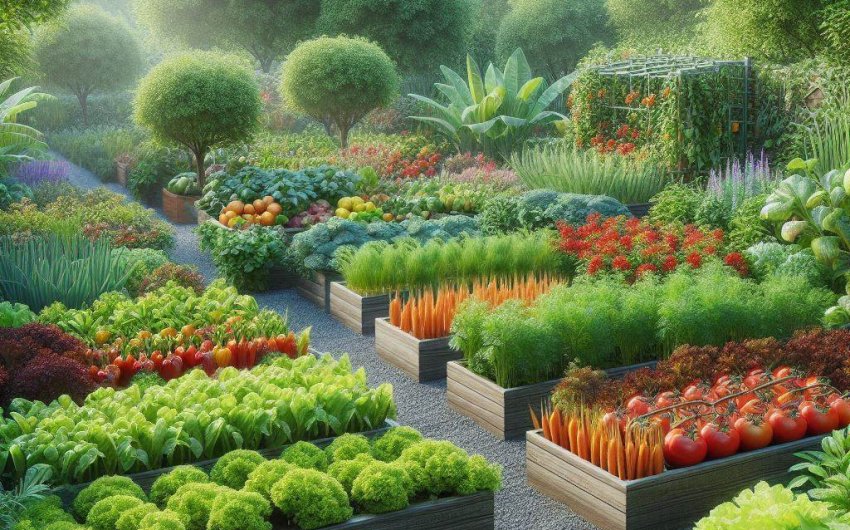
For beginner gardeners, the best vegetables are those that are relatively easy to grow, tolerant of common mistakes, and offer a quick and rewarding harvest. Focusing on resilient, low-maintenance options helps build confidence and provides a successful introduction to gardening.
Why Start a Vegetable Garden as a Beginner?
Starting a vegetable garden as a beginner can seem daunting, but it offers a wealth of benefits that make the learning curve incredibly rewarding. It’s a journey that connects you with nature, provides fresh food, and boosts your well-being. Focusing on the best vegetables for beginner gardeners ensures a positive first experience.
1. Fresh, Healthy, and Delicious Food:
- Superior Flavor: Homegrown vegetables often taste far better than store-bought produce. They are harvested at their peak ripeness and eaten shortly after, preserving their full flavor profile.
- Nutrient-Rich: Freshly picked vegetables retain more nutrients. As soon as produce is picked, nutrient degradation begins.
- Know Your Food: You have complete control over what goes into your food, from the soil it grows in to the absence of pesticides. This provides peace of mind about the health and safety of your food.
- Variety: Grow unique heirloom varieties or types of vegetables that are hard to find in regular grocery stores.
2. Cost Savings:
- While there's an initial investment in seeds, soil, and tools, a productive vegetable garden can significantly reduce your grocery bill over the growing season. This is especially true for popular items like tomatoes, lettuce, and herbs.
- Long-Term Savings: As you gain experience, your garden becomes more efficient, leading to greater savings year after year.
3. Therapeutic and Stress-Relieving:
- Mindfulness: Gardening is a calming activity that allows you to slow down, focus on the present moment, and connect with nature. Many find it incredibly meditative.
- Physical Activity: It provides light exercise – digging, planting, watering, and harvesting are all good for your body.
- Sense of Accomplishment: There's immense satisfaction in nurturing a seed into a thriving plant and harvesting your own food. This boost to mental well-being is invaluable.
- Reduced Screen Time: It's a wonderful way to step away from screens and engage with the outdoor world.
4. Educational Opportunity:
- Learning Ecosystems: Gardening teaches you about plant life cycles, soil health, water conservation, beneficial insects, and the interconnectedness of natural systems.
- Patience and Problem-Solving: You learn patience as you wait for seeds to sprout and problem-solving skills as you address challenges like pests or plant diseases.
- For Kids: It's a fantastic hands-on learning experience for children, fostering curiosity about where food comes from.
5. Environmental Benefits:
- Reduced Food Miles: Growing your own food reduces the distance your food travels from farm to plate, decreasing your carbon footprint.
- Support Local Ecosystems: By gardening organically, you avoid harmful pesticides and provide a mini-habitat for pollinators and beneficial insects.
- Composting: Your garden waste (and kitchen scraps) can be composted, reducing landfill waste and creating rich soil amendments.
Starting a vegetable garden as a beginner is an empowering step towards self-sufficiency, healthier living, and a deeper appreciation for the natural world. Choosing the right starter plants ensures a successful and enjoyable experience.
What are the Key Considerations for Beginner Gardeners?
Before you even plant your first seed, understanding a few key considerations will set you up for success. For beginner gardeners, simplifying the process and choosing the right foundation will lead to a more rewarding experience with the best vegetables for beginner gardeners.
1. Location, Location, Location (Sunlight!):
- Sun is Essential: This is the most crucial factor for almost all vegetables. Most require at least 6-8 hours of direct, unfiltered sunlight per day. "Direct" means no trees, buildings, or fences casting shadows on your garden space.
- Observe Your Yard: Spend a day or two observing how sunlight moves across your potential garden spots. Mark areas with adequate sun.
- Consequences of Insufficient Sun: Plants will be leggy, weak, produce fewer (or no) fruits, and be more susceptible to disease.
- If You Don't Have Enough Sun: Consider growing leafy greens, herbs, or root vegetables that tolerate partial shade (4-6 hours of sun), or opt for container gardening where you can move plants to follow the sun.
2. Soil Quality:
- Living Foundation: Healthy soil is the foundation of a productive garden. It provides nutrients, anchors roots, and regulates water.
- Ideal Soil: Rich, dark, crumbly soil that drains well but still holds moisture is ideal. It should be teeming with life (earthworms are a good sign!).
- Beginner Approach:
- Raised Beds: Highly recommended for beginners. You fill them with high-quality raised bed soil mix or a blend of compost and topsoil, giving you immediate control over your soil. Raised Garden Bed Kit
- In-Ground Beds: If using an in-ground bed, heavily amend your native soil with plenty of organic compost to improve its structure and fertility. Organic Compost for Garden
- Avoid: Don't just dig a hole and plant in unamended backyard dirt. Don't use potting mix for in-ground beds.
3. Water Access:
- Proximity: Ensure your garden spot is easily accessible to a water source (a hose, watering can fill-up). Consistent watering is essential, especially for new plants.
- Consistency: Most vegetables need consistent watering. Over and under-watering are common beginner mistakes. Learn to check soil moisture by feeling it.
4. Starting Small:
- Don't Overcommit: It's tempting to want to grow everything, but for your first garden, start small. A 4x4 or 4x8 foot raised bed, or even just a few large containers, is plenty to learn on and still produce a significant harvest.
- Manageable: A smaller garden is less overwhelming, easier to manage pests, diseases, and weeds, and allows you to learn the basics without burnout.
5. Choose Easy-to-Grow Vegetables (The "Best Vegetables for Beginner Gardeners"):**
- Success Builds Confidence: Your first garden should be a success! Choose plants known for their resilience, ease of germination, and rewarding harvests. Avoid finicky plants or those prone to severe pest issues. (The rest of this article will detail these!)
- Start from Transplants: For some vegetables (like tomatoes, peppers), buying small plant starts (transplants) from a nursery instead of starting from seed can significantly simplify the process and increase your chances of success.
By focusing on these foundational elements – sun, good soil, water access, starting small, and choosing easy plants – beginner gardeners can create a successful and enjoyable experience, paving the way for future gardening adventures.
What are the Best Leafy Greens for Beginner Gardeners?
For beginner gardeners, leafy greens are a fantastic starting point. They're often quick to mature, tolerant of some shade, and many offer a "cut-and-come-again" harvest, providing continuous fresh produce. These are among the best vegetables for beginner gardeners due to their ease and quick rewards.
1. Lettuce (Loose-Leaf Varieties)
- Why it's Great: Extremely easy to grow, quick to harvest, and you don't need to wait for a whole head to form.
- Growth Habit: Loose-leaf varieties are ideal. You can pick outer leaves as needed, and the plant will continue to produce more.
- Light Needs: Prefers partial shade in hot climates to prevent bolting (going to seed prematurely). Tolerates full sun in cooler springs/falls.
- Harvest: Ready in 30-60 days. Snip outer leaves as needed.
- Tips for Beginners:
- Plant seeds directly in the garden bed.
- Keep soil consistently moist.
- Avoid tight-heading varieties (like iceberg) which are harder for beginners.
- Popular Varieties: 'Black Seeded Simpson', 'Red Salad Bowl', 'Buttercrunch'. Loose Leaf Lettuce Seeds
2. Spinach
- Why it's Great: Very nutritious, relatively fast-growing, and a cool-season favorite.
- Growth Habit: Can be harvested as baby leaves or allowed to mature.
- Light Needs: Prefers full sun in cool weather, but partial shade in warmer climates to prevent bolting.
- Harvest: Baby leaves in 20-30 days; mature leaves in 40-50 days. Pick outer leaves.
- Tips for Beginners:
- Plant in early spring or fall. It doesn't tolerate summer heat well.
- Keep soil consistently moist.
- Popular Varieties: 'Bloomsdale Long Standing', 'Tyee'. Spinach Seeds for Planting
3. Swiss Chard
- Why it's Great: Beautiful, vibrant stems (red, yellow, orange, white) add color to the garden. Extremely productive and tolerant of a wide range of conditions.
- Growth Habit: "Cut-and-come-again" similar to lettuce. Tolerates more heat than spinach.
- Light Needs: Full sun to partial shade.
- Harvest: Baby leaves in 30 days; mature leaves in 50-60 days. Pick outer leaves.
- Tips for Beginners:
- Very forgiving of heat and cold (can often overwinter in milder climates).
- Visually striking.
- Popular Varieties: 'Bright Lights', 'Fordhook Giant'. Swiss Chard Seeds Organic
4. Kale
- Why it's Great: Super nutritious, incredibly cold-hardy, and very productive. It often tastes sweeter after a light frost.
- Growth Habit: "Cut-and-come-again." Can grow quite tall.
- Light Needs: Full sun to partial shade.
- Harvest: Baby leaves in 30-40 days; mature leaves in 50-65 days. Pick outer leaves.
- Tips for Beginners:
- Tolerates a wide range of temperatures.
- Great for continuous harvest into fall/winter in many climates.
- Popular Varieties: 'Lacinato' (Dinosaur Kale), 'Red Russian', 'Vates'. Kale Seeds for Garden
These leafy greens offer quick gratification and are a reliable way for beginner gardeners to build confidence and enjoy fresh harvests from their very first vegetable garden.
What are the Best Root Vegetables for Beginner Gardeners?
Root vegetables are another excellent category for beginner gardeners. They require relatively little vertical space and are often quite hardy. With good soil preparation, these become some of the best vegetables for beginner gardeners to achieve satisfying results.
1. Radishes
- Why it's Great: The fastest vegetable from seed to harvest, offering almost instant gratification.
- Growth Habit: Small, round or elongated roots.
- Light Needs: Full sun to partial shade.
- Harvest: Amazingly quick! Ready in just 20-30 days. Pull one to check size.
- Tips for Beginners:
- Plant seeds directly in the garden.
- Keep soil consistently moist; inconsistent watering can lead to woody or spicy radishes.
- Plant small batches every 1-2 weeks for a continuous harvest (succession planting).
- Popular Varieties: 'Cherry Belle', 'French Breakfast', 'Sparkler'. Radish Seeds for Fast Growth
2. Carrots
- Why it's Great: A garden staple, relatively easy once you get the soil right. Store well.
- Growth Habit: Long, cylindrical roots.
- Light Needs: Full sun.
- Harvest: Ready in 60-80 days, depending on variety.
- Tips for Beginners:
- Soil is Key: Plant in loose, well-draining, rock-free soil. If your soil is heavy or rocky, use a raised bed or choose shorter, "Danvers" or "Chantenay" varieties.
- Plant seeds directly (do not transplant).
- Keep seeds consistently moist during germination (can take 1-3 weeks).
- Thin seedlings to give roots room to grow.
- Popular Varieties: 'Danvers 126' (tolerates heavier soil), 'Nantes' (classic), 'Little Finger' (good for containers). Carrot Seeds for Beginners
3. Beets
- Why it's Great: Dual-purpose crop – you can eat both the leafy greens (like spinach) and the sweet, earthy roots.
- Growth Habit: Round or cylindrical roots with leafy tops.
- Light Needs: Full sun to partial shade.
- Harvest: Greens in 30-40 days; roots in 50-70 days.
- Tips for Beginners:
- Plant seeds directly.
- "Seeds" are actually clusters of multiple seeds, so you'll need to thin seedlings.
- Keep soil consistently moist.
- Popular Varieties: 'Detroit Dark Red', 'Bull's Blood' (beautiful dark red leaves), 'Cylindra'. Beet Seeds for Garden
4. Green Onions/Scallions
- Why it's Great: Super easy to grow, fast, and provides a continuous supply of fresh onion flavor.
- Growth Habit: Long, green stalks.
- Light Needs: Full sun to partial shade.
- Harvest: As soon as they are big enough to snip, often 60-80 days from seed. Can harvest repeatedly by cutting just above the soil line. You can even regrow them from grocery store scraps!
- Tips for Beginners:
- Can be grown from seed, sets (small bulbs), or even the white ends of store-bought scallions in water.
- Very forgiving.
- Popular Varieties: 'Evergreen Bunching', 'Tokyo Long White'. Scallion Seeds for Planting
Root vegetables add a rewarding dimension to any beginner garden, offering unique textures and flavors. Just remember that their success largely depends on providing the right soil environment.
What are the Best Fruiting Vegetables for Beginner Gardeners?
For many beginner gardeners, the ultimate goal is to harvest their own fruits from the garden. While some fruiting vegetables can be challenging, several are incredibly rewarding and considered among the best vegetables for beginner gardeners to get started with.
1. Bush Beans
- Why it's Great: Fast, prolific, and relatively trouble-free. Bush varieties don't require trellising.
- Growth Habit: Compact, bushy plants.
- Light Needs: Full sun.
- Harvest: Ready in 50-60 days. Produces pods all at once, ideal for preserving or freezing.
- Tips for Beginners:
- Plant seeds directly in the soil after all danger of frost has passed.
- Keep soil consistently moist.
- Harvest frequently to encourage more production.
- Popular Varieties: 'Contender', 'Blue Lake Bush', 'Provider'. Bush Bean Seeds Organic
2. Zucchini (Summer Squash)
- Why it's Great: Incredibly prolific! A single plant can produce a surprising amount of squash. They grow very fast.
- Growth Habit: Bushy plants, some vining types.
- Light Needs: Full sun.
- Harvest: Ready in 45-60 days. Harvest when small and tender.
- Tips for Beginners:
- Plant from seed or transplant.
- Needs ample space (can get large).
- Be vigilant about harvesting, or you'll end up with giant "marrows."
- Watch for squash bugs and powdery mildew, but often manageable.
- Popular Varieties: 'Black Beauty', 'Costata Romanesco'. Zucchini Seeds for Garden
3. Tomatoes (Cherry or Bush Varieties)
- Why it's Great: Everyone loves homegrown tomatoes! Cherry and bush (determinate) varieties are easier for beginners.
- Growth Habit:
- Cherry Tomatoes: Produce abundant, small, sweet fruits continuously. Generally more forgiving.
- Bush/Determinate Tomatoes: Grow to a specific size, produce a concentrated crop, and don't require as much pruning or staking as vining (indeterminate) types.
- Light Needs: Full sun (at least 8 hours).
- Harvest: Ready in 60-80 days from transplant (cherry), 70-90 days (bush). Pick when fully ripe.
- Tips for Beginners:
- Start with Transplants: Buy small tomato plants from a nursery.
- Provide Support: Even bush types benefit from a sturdy cage or stake to keep fruit off the ground. Tomato Cages for Garden
- Water consistently to prevent cracking or blossom end rot.
- Popular Varieties: 'Sungold' (cherry, exceptionally sweet), 'Celebrity' (bush), 'Roma' (bush, good for sauces).
4. Bell Peppers
- Why it's Great: Produce colorful, versatile fruits. Relatively easy, though slower than beans or zucchini.
- Growth Habit: Upright, bushy plants.
- Light Needs: Full sun.
- Harvest: Ready in 60-90 days from transplant. Pick when firm and colorful.
- Tips for Beginners:
- Start with Transplants: Buy small pepper plants.
- Needs consistent warmth.
- Can benefit from staking if heavily laden with fruit.
- Popular Varieties: 'California Wonder', 'Big Bertha', various colorful sweet bell varieties. Bell Pepper Seeds for Garden
These fruiting vegetables provide the satisfying experience of harvesting your own produce and are among the most popular choices for beginner gardeners looking for rewarding harvests.
What are the Best Herbs for Beginner Gardeners?
Herbs are a fantastic, low-maintenance way for beginner gardeners to add fresh flavor to their cooking and experience quick success. Many are incredibly forgiving and can be grown in pots or directly in the garden, making them some of the best vegetables (and their kin) for beginner gardeners.
1. Basil
- Why it's Great: Fast-growing, highly aromatic, and a staple in many cuisines. Very rewarding.
- Growth Habit: Bushy annual.
- Light Needs: Full sun.
- Harvest: Ready in 3-4 weeks from seed (for baby leaves); 6-8 weeks for larger leaves. Pinch off leaves as needed from the top.
- Tips for Beginners:
- Can be grown from seed or transplant.
- Pinch off flower stalks to encourage more leaf production.
- Keep consistently moist.
- Popular Varieties: 'Genovese', 'Sweet Basil', 'Pesto Perpetuo'. Basil Seeds for Planting
2. Mint
- Why it's Great: Extremely vigorous and easy to grow, providing a refreshing aroma and flavor.
- Growth Habit: Spreading perennial.
- Light Needs: Full sun to partial shade.
- Harvest: As needed, any time you want fresh mint.
- Tips for Beginners:
- Crucial: Plant in a container, even if placing in the garden bed, as it will spread aggressively and take over.
- Very forgiving of neglect.
- Popular Varieties: 'Peppermint', 'Spearmint', 'Mojito Mint'. Mint Live Plant
3. Chives
- Why it's Great: A perennial herb that comes back every year. Provides a mild oniony flavor and attractive purple flowers.
- Growth Habit: Clumping perennial.
- Light Needs: Full sun to partial shade.
- Harvest: Snip green blades with scissors as needed, cutting from the outside of the clump.
- Tips for Beginners:
- Very low maintenance.
- Can be grown from seed or small plant starts.
- Popular Varieties: Common Chives, Garlic Chives (flat blades, garlic flavor). Chive Seeds for Garden
4. Cilantro/Coriander
- Why it's Great: Distinctive flavor, fast-growing. Both leaves (cilantro) and seeds (coriander) are used.
- Growth Habit: Annual.
- Light Needs: Full sun to partial shade.
- Harvest: Harvest outer leaves in 3-4 weeks.
- Tips for Beginners:
- Tends to "bolt" (go to seed) quickly in hot weather, so plant in cool spring or fall.
- Plant small batches every few weeks for continuous supply.
- Popular Varieties: 'Santo', 'Calypso'. Cilantro Seeds Organic
5. Thyme
- Why it's Great: A beautiful, low-growing perennial with aromatic leaves. Drought-tolerant once established.
- Growth Habit: Spreading perennial, some varieties are creeping.
- Light Needs: Full sun.
- Harvest: Snip sprigs as needed.
- Tips for Beginners:
- Prefers well-draining soil.
- Can be grown from small plant starts.
- Popular Varieties: Common Thyme, Lemon Thyme. Thyme Seeds for Garden
Herbs are a delightful addition to any beginner garden, offering a rewarding experience with minimal effort and maximum flavor.
How to Get Started with Your First Vegetable Garden?
Now that you know the best vegetables for beginner gardeners, it's time to get your hands dirty! Getting started with your first vegetable garden doesn't have to be complicated. Break it down into simple, actionable steps.
Step 1: Choose Your Spot
- Sunlight: Re-emphasize this! Pick a location that gets at least 6-8 hours of direct sun daily. This is non-negotiable for most veggies.
- Water Access: Ensure it's close to a water source (hose, spigot).
- Level Ground: Choose a relatively level area for ease of building or planting.
Step 2: Decide on Your Garden Style
- Raised Beds:
- Pros: Easiest for beginners as you control the soil from the start. Better drainage, warmer soil in spring, less weeding.
- Cons: Initial cost for materials and soil.
- Size: Start with a manageable size like 4x4 feet or 4x8 feet. Raised Garden Bed Kit
- In-Ground Beds:
- Pros: Less initial cost.
- Cons: Requires more effort to amend existing soil, can have drainage issues.
- Container Gardening:
- Pros: Very flexible, can move pots to follow sun, great for small spaces.
- Cons: Dries out faster (requires more frequent watering), limited root space.
- Containers: Use large pots (5-gallon minimum for tomatoes), grow bags, or repurposed containers with drainage holes. Fabric Grow Bags for Vegetables
Step 3: Prepare Your Soil
- For Raised Beds: Fill with a good quality raised bed soil mix or a 50/50 blend of organic compost and topsoil.
- For In-Ground Beds: Remove any grass or weeds from the area. Dig down 10-12 inches (25-30 cm) and mix in a generous amount of organic compost (at least 3-4 inches / 7-10 cm thick layer) to improve fertility and drainage.
- For Containers: Use a high-quality potting mix (never garden soil!). For vegetables, a good general-purpose potting mix is fine.
Step 4: Choose Your Plants (From the "Best Vegetables for Beginner Gardeners" List!)
- Start with Favorites: Pick 3-5 vegetables from the lists above that your family actually enjoys eating.
- Seeds vs. Transplants:
- Seeds: Cheaper, more variety. Good for leafy greens, radishes, carrots, beans.
- Transplants (Starter Plants): More expensive per plant, but provide a head start and higher success rate. Recommended for tomatoes, peppers, zucchini. Buy healthy, vibrant plants from a local nursery.
- Read Seed Packets/Plant Tags: Pay attention to:
- Days to Maturity (DTM): How long until harvest.
- Sun Requirements: "Full Sun" is typical.
- Spacing: How far apart to plant.
- Growth Habit: "Bush" vs. "Vining," "Determinate" vs. "Indeterminate."
Step 5: Plant Your Garden
- Follow Spacing Guidelines: Don't overcrowd plants. Give them room to grow and for air circulation.
- Planting Seeds: Follow seed packet depth instructions. Lightly cover.
- Planting Transplants: Dig a hole slightly larger than the root ball. Gently remove the plant from its nursery pot. Place in the hole, ensuring the top of the root ball is level with the soil. Backfill and gently firm the soil.
- Water Thoroughly: Water immediately and deeply after planting to settle the soil.
Step 6: Water Consistently
- Check Daily: For new plants and seeds, check the soil daily. It should feel consistently moist, but not soggy.
- Deep Watering: When you water, water deeply so it reaches the roots.
- Timing: Water in the morning to reduce evaporation and allow foliage to dry before night.
Step 7: Ongoing Care (Simple!)
- Weed Regularly: Pull weeds when they are small and the soil is damp. Weeds compete for water and nutrients.
- Mulch (Optional but Recommended): A layer of straw or shredded leaves around plants can suppress weeds and retain moisture.
- Harvest Frequently: Pick ripe vegetables often to encourage more production.
Getting started with your first vegetable garden is an exciting adventure. By focusing on simple steps and the best vegetables for beginner gardeners, you're set for a successful and enjoyable growing season!