
How to Start a Vegetable Garden from Scratch?
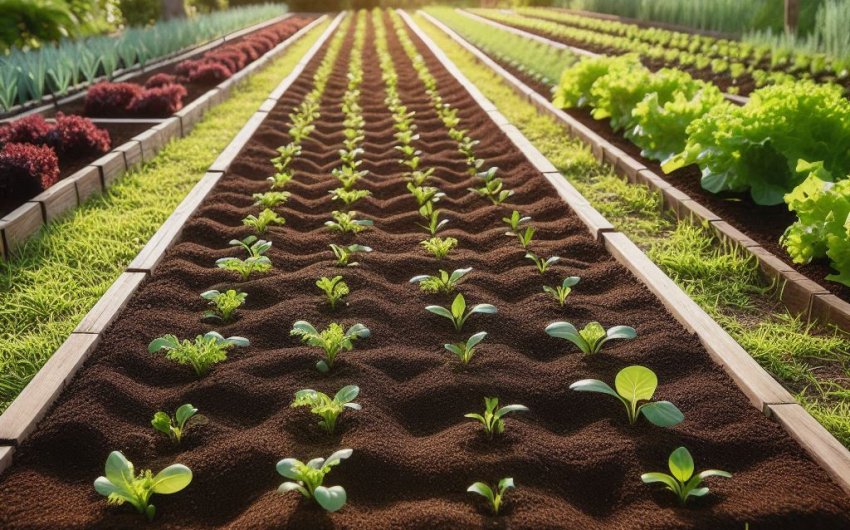
Dreaming of fresh, homegrown tomatoes, crisp lettuce, or fragrant herbs straight from your backyard? Starting a vegetable garden from scratch is an incredibly rewarding endeavor! It connects you with nature, provides healthy food, saves money, and offers a wonderful sense of accomplishment. While it might seem daunting at first, breaking it down into manageable steps makes the process enjoyable and achievable, even for complete beginners.
This guide will walk you through everything you need to know how to start a vegetable garden from scratch, from choosing the perfect spot and preparing your soil to selecting the right vegetables and nurturing your plants. Get ready to transform a patch of your yard into a thriving, productive oasis that feeds your family and your soul!
Why Start a Vegetable Garden?
Beyond just getting fresh food, there are many compelling reasons to embark on your gardening journey.
Can a Vegetable Garden Provide Healthier Food?
Absolutely! Growing your own vegetables means you have complete control over what goes into your food. You can choose to grow organically, avoiding synthetic pesticides and herbicides, and you can harvest at peak ripeness, ensuring maximum flavor and nutritional content. This often results in healthier, more delicious food than you can find at the grocery store.
Does it Offer Financial Savings?
Yes, a productive vegetable garden can significantly reduce your grocery bill, especially for popular items like tomatoes, peppers, herbs, and leafy greens. While there's an initial investment in tools and seeds, many gardeners find that the fresh produce they harvest quickly offsets these costs.
Is it Good for Your Well-being?
Gardening is a fantastic form of exercise, stress relief, and mental therapy. Spending time outdoors, working with your hands, and nurturing living things can reduce stress, improve mood, and provide a sense of peace and accomplishment. It's a wonderful way to connect with nature and engage your senses.
Does a Garden Enhance Your Home and Environment?
A beautiful vegetable garden adds curb appeal and value to your home. It can also support local ecosystems by attracting pollinators like bees and butterflies, contributing to biodiversity. It's a sustainable practice that reduces your carbon footprint by cutting down on food transportation.
Step 1: Planning Your Vegetable Garden
Careful planning is the foundation of a successful vegetable garden. Don't skip this!
1. Choose the Right Location
This is the most critical decision for your vegetable garden.
- Sunlight is Key: Most vegetables (especially fruiting ones like tomatoes, peppers, squash) need at least 6-8 hours of direct sunlight per day. Observe your yard throughout the day. South-facing spots are often ideal.
- Water Access: Your vegetable garden will need consistent watering. Locate it near a reliable water source (e.g., a spigot with a garden hose).
- Drainage: Choose a spot with good drainage. Avoid areas where water tends to pool after rain.
- Flatness: A relatively flat area is easier to work with, though you can use raised garden beds on gentle slopes.
- Protection: Consider protection from strong winds or curious animals (e.g., deer, rabbits). A fence might be necessary.
2. Decide on Your Garden Style
- In-Ground Beds: Dig directly into your existing soil. This is generally the most budget-friendly option if your soil is good.
- Raised Garden Beds: Build raised beds with wood, stone, or metal.
- Pros: Easier to control soil quality, better drainage, warmer soil in spring (earlier planting), less bending, deter some pests.
- Cons: Higher initial cost, requires filling with imported soil mix.
- Container Gardening: For small spaces like balconies or patios.
- Pros: Flexible, portable, allows gardening anywhere.
- Cons: Requires more frequent watering, limits plant size. You'll need large grow bags or large planters.
3. Start Small (Especially for Beginners!)
- Manageable Size: For your first vegetable garden, start small. A 4x4 foot or 4x8 foot raised bed, or a simple 10x10 foot in-ground plot, is manageable and can still yield plenty. It's better to succeed with a small garden than get overwhelmed by a large one.
4. Plan What to Plant
- Eat What You Love: List the vegetables you and your family enjoy eating most. There's no point growing something you won't consume!
- Easy for Beginners: Start with easy-to-grow vegetables like:
- Leafy greens (lettuce, spinach, kale)
- Radishes
- Bush beans
- Cherry tomatoes
- Cucumbers
- Zucchini
- Herbs (basil, mint, parsley)
- Know Your Zone: Find your USDA Plant Hardiness Zone to select plants that will thrive in your climate. Your local extension office is a great resource.
- Plant Spacing: Research the mature size of your chosen vegetables to ensure you provide adequate space. Overcrowding leads to poor growth and disease.
Step 2: Preparing Your Garden Beds
Good soil preparation is the single most important factor for a healthy vegetable garden.
1. Clear the Area
- Remove Weeds/Grass: Clear the chosen area of all grass, weeds, rocks, and debris.
- Sheet Mulching/Lasagna Gardening: For a no-dig approach, layer cardboard, compost, and other organic materials over the grass. This smothers weeds and builds soil over time.
- Digging: Dig up grass and weeds by hand (labor-intensive!).
- Solarization: Cover the area with clear plastic sheeting for several weeks in hot sun to kill weeds and seeds.
2. Amend Your Soil (Crucial!)
Most native soil needs improvement to become ideal for vegetables.
- Soil Test (Recommended): Get a soil test kit or send a sample to your local extension office. This tells you your soil's pH and nutrient levels, guiding your amendments.
- Add Organic Matter: This is the most important amendment. Incorporate a generous amount (at least 2-4 inches deep) of organic compost, well-rotted manure, or other rich organic materials into the top 6-12 inches of your garden bed.
- Benefits: Improves soil structure (makes clay lighter, sand more water-retentive), adds nutrients, increases drainage, and fosters beneficial microbial life.
- Adjust pH (If Needed): Based on your soil test, adjust soil pH if necessary. Most vegetables prefer a slightly acidic to neutral pH (6.0-7.0).
- To raise pH (make more alkaline): Add garden lime.
- To lower pH (make more acidic): Add elemental sulfur or peat moss.
Step 3: Planting Your Vegetable Garden
Now for the exciting part – getting your plants in the ground!
1. When to Plant
- Last Frost Date: Know your area's average last spring frost date. This is critical for knowing when it's safe to plant tender vegetables like tomatoes and peppers outdoors.
- Cool-Season vs. Warm-Season:
- Cool-season crops (lettuce, spinach, radishes, peas, broccoli) can be planted in early spring, as soon as the soil can be worked.
- Warm-season crops (tomatoes, peppers, beans, squash, corn) must be planted after all danger of frost has passed and the soil has warmed up.
2. Seeds vs. Transplants
- Seeds:
- Pros: Cheaper, wider variety of cultivars, stronger root systems (no transplant shock).
- Cons: Takes longer, requires more patience and care (especially for delicate seedlings). You'll need seed starting mix and seed trays.
- Best for: Root vegetables, leafy greens, beans, peas, corn.
- Transplants (Starter Plants):
- Pros: Quicker results, easier for beginners, more established plants.
- Cons: More expensive, limited variety.
- Best for: Tomatoes, peppers, broccoli, cabbage, most herbs.
- Hardening Off: If you start seeds indoors or buy transplants, you must harden them off before planting outdoors. This means gradually exposing them to outdoor conditions (sun, wind, cooler temps) over 7-14 days to prevent shock.
3. Plant According to Directions
- Read Seed Packets/Plant Tags: They provide crucial information: planting depth, spacing, light needs, and mature size.
- Spacing: Follow spacing guidelines! Overcrowding leads to poor air circulation, competition for resources, and increased disease.
- Row vs. Square Foot Gardening:
- Rows: Traditional method, good for large gardens.
- Square Foot Gardening: Divides a bed into 1-foot squares, each growing a specific number of plants. Efficient for small spaces.
Step 4: Nurturing Your Vegetable Garden
Your vegetable garden is planted – now comes the care!
1. Watering Consistently
- Crucial for Success: Vegetables need consistent moisture, especially during flowering and fruiting. Drought stress leads to poor yields and problems like blossom end rot.
- Deep and Infrequent: Water deeply, encouraging roots to grow deeper. Avoid frequent, shallow watering.
- Early Morning: Water in the early morning to minimize evaporation and allow foliage to dry before nightfall (reduces fungal disease).
- Tools: Use a garden hose with a sprayer, a soaker hose, or drip irrigation.
2. Mulching (A Must!)
- Benefits: Apply a 2-4 inch layer of organic mulch (like straw, wood chips, or shredded leaves) around your plants.
- Moisture Retention: Reduces water evaporation, saving water.
- Weed Suppression: Blocks sunlight, preventing weeds from growing (less weeding for you!).
- Temperature Regulation: Keeps soil cooler in summer, warmer in winter.
- Soil Enrichment: Decomposes over time, adding vital organic matter and nutrients to your soil.
- Don't Volcano: Keep mulch a few inches away from plant stems to prevent rot.
3. Weeding Regularly
- Remove Competition: Weeds compete with your vegetables for water, nutrients, and sunlight.
- Early & Often: Pull weeds when they are small; they are easier to remove and haven't set seed.
- Hand Weeding/Hoeing: Prioritize manual weeding over herbicides for a healthier garden.
4. Fertilizing (If Needed)
- Soil Test Results: Refer to your soil test results to guide fertilization.
- Organic Options: Use organic fertilizers like compost tea, fish emulsion, or balanced organic granular fertilizers.
- Timing: Fertilize when plants are actively growing and producing, but don't over-fertilize, as this can lead to excessive leafy growth at the expense of fruit.
5. Pest and Disease Management
- Regular Inspection: Inspect your plants daily for signs of pests or diseases. Early detection is key.
- Manual Removal: For small pest infestations, hand-picking bugs is often effective.
- Natural Remedies: Use insecticidal soap or neem oil spray for common pests.
- Good Air Circulation: Proper plant spacing helps prevent fungal diseases.
- Companion Planting: Some plants can deter pests.
6. Staking, Trellising, and Caging
- Support for Tall Plants: Many vegetables (especially vining tomatoes, cucumbers, peas, pole beans) need support. Provide tomato cages, trellises, or stakes early in their growth.
- Benefits: Keeps fruit off the ground, improves air circulation, makes harvesting easier, and maximizes space.
Step 5: Harvesting Your Bountiful Garden!
The most exciting part – enjoying the fruits (and vegetables!) of your labor.
- Harvest Regularly: Many vegetables (like bush beans, zucchini, cucumbers, leafy greens) produce more the more you pick them. Regular harvesting encourages continued production.
- Know When to Pick: Research the best time to harvest each vegetable for optimal flavor and size.
Starting a vegetable garden from scratch is a journey, not a destination. Embrace the learning process, be patient, and enjoy the incredible rewards that come from cultivating your own food. Happy gardening!