
Best Gardening Gloves for Every Type of Work
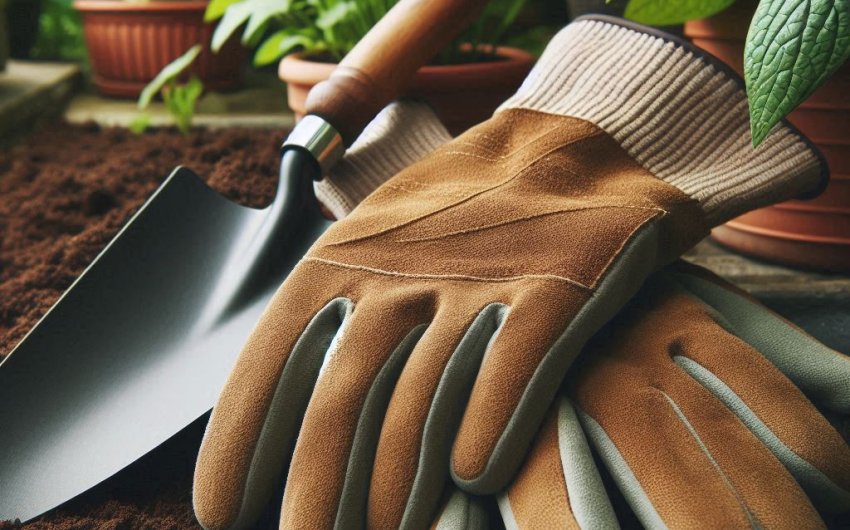
The best gardening gloves offer protection, comfort, and dexterity tailored to specific tasks, ensuring your hands stay safe and clean during any type of garden work. Choosing the right pair prevents blisters, cuts, and dirt under your fingernails.
Why Do I Need Specific Gardening Gloves for Different Tasks?
Using the right gardening gloves for the job isn't just about comfort; it's about protection, efficiency, and prolonging the life of your gloves. A pair designed for delicate planting won't stand up to thorny rose bushes, and thick digging gloves will hinder fine-tuned pruning. Just as you wouldn't use a sledgehammer for driving a finishing nail, the right glove makes the work easier and safer.
Protection from Hazards
Gardens are full of potential dangers to unprotected hands:
- Thorns and Prickles: Roses, blackberries, and other thorny plants can cause painful punctures and scratches.
- Splinters and Abrasions: Handling wood, rough stones, or even digging in rocky soil can lead to splinters and skin abrasions.
- Poisons and Irritants: Some plants, like poison ivy, poison oak, and even common garden plants, can cause skin irritation or allergic reactions. Gloves create a barrier.
- Chemicals: When applying fertilizers, pesticides, or herbicides, gloves protect your skin from direct contact with potentially harmful substances.
- Bugs and Bites: Gloves offer a layer of defense against insect bites, stings, or contact with spiders.
- Cuts: Sharp tools like pruning shears or shovels can easily cut unprotected skin.
Comfort and Hygiene
- Prevent Blisters: Repetitive motions like digging or raking can cause blisters. Well-fitting gloves provide cushioning and reduce friction.
- Keep Hands Clean: No one enjoys scrubbing stubborn dirt from under their fingernails. Gloves keep your hands clean and prevent skin staining.
- Maintain Skin Health: Exposure to sun, soil, and water can dry out and chap your hands. Gloves offer a protective layer.
Dexterity and Grip
- Fine Motor Tasks: Delicate tasks like planting small seedlings, deadheading, or tying up plants require gloves that allow for good finger movement and tactile feel.
- Heavy-Duty Grip: Tasks involving slippery tools, wet soil, or pulling stubborn weeds benefit from gloves with enhanced grip, often thanks to textured coatings.
By understanding that no single pair of gloves is truly "one-size-fits-all" for every gardening scenario, you can make informed choices that enhance your gardening experience and keep your hands healthy.
What Are the Best General-Purpose Gardening Gloves?
For everyday gardening tasks, a good pair of general-purpose gloves offers a balance of comfort, dexterity, and basic protection. These are your go-to gloves for light weeding, planting, and tending to less aggressive plants.
Key Features of General-Purpose Gloves
- Material: Often a blend of synthetic fabrics like nylon, polyester, or spandex on the back of the hand for breathability and flexibility. The palms and fingers are usually coated for grip and durability.
- Coating: Typically a thin layer of nitrile, polyurethane, or latex.
- Nitrile: Excellent for dexterity and puncture resistance. Good grip in wet or dry conditions. Often found in Nitrile Coated Garden Gloves.
- Polyurethane (PU): Offers superior dexterity and tactile feel, making them feel almost like a second skin. Good grip in dry conditions.
- Latex: Provides excellent grip, especially in wet conditions, and good flexibility. However, some people have latex allergies.
- Fit: Snug but not tight, allowing for full finger movement. A good fit is crucial for maintaining dexterity.
- Breathability: The back of the hand is usually uncoated or made from a breathable fabric to prevent sweaty hands.
- Cuff: Often knit cuffs to keep dirt out.
Ideal Tasks for General-Purpose Gloves
- Light Weeding: Pulling smaller weeds from flower beds or vegetable patches.
- Planting Seedlings and Annuals: Handling delicate plants without crushing them.
- Tidying Up: Collecting leaves, spent blooms, and light garden debris.
- Watering and Fertilizing (Light): Basic protection from water and mild solutions.
- Pruning Herbs and Small Shrubs: For tasks not involving thorny branches.
Why They Excel
General-purpose gloves are designed for comfort and flexibility. They protect your hands from dirt and minor abrasions while allowing you to feel what you're doing. They are usually lightweight and can be easily washed. While they won't protect against sharp thorns or heavy-duty digging, they are indispensable for the majority of everyday garden chores.
What Are the Best Gardening Gloves for Thorny Plants and Heavy Work?
When tackling thorny plants like roses, blackberries, or prickly shrubs, or engaging in heavy-duty garden tasks like clearing brush or moving abrasive materials, you need gloves with serious protection. These gloves prioritize durability and puncture resistance.
Key Features of Heavy-Duty/Thorn-Resistant Gloves
- Material: Often made from tough, durable materials like leather (cowhide, goatskin, pigskin) or heavy-duty synthetic fabrics.
- Cowhide: Very durable and long-lasting, offering excellent protection. Can be a bit stiff initially but softens with use.
- Goatskin: Softer and more pliable than cowhide, offering better dexterity while still providing good thorn resistance. Often a popular choice for rose gloves.
- Pigskin: Offers good breathability and becomes softer with use, but may not be as puncture-resistant as cowhide or goatskin.
- Reinforcement: Palms and fingers are often reinforced with extra layers of material for enhanced protection against punctures and abrasion.
- Extended Cuffs: Many thorn-resistant gloves feature long gauntlet cuffs that extend up the forearm. This protects your wrists and forearms from scratches and thorns when reaching into dense, prickly bushes. A good example is Rose Pruning Gloves with Forearm Protection.
- Padding: Some heavy-duty gloves include padding in the palms to absorb shock and reduce fatigue during prolonged tasks.
- Stitching: Strong, reinforced stitching is crucial to prevent seams from splitting under stress.
Ideal Tasks for Heavy-Duty/Thorn-Resistant Gloves
- Rose Pruning: Essential for protecting hands and forearms from sharp rose thorns.
- Blackberry/Raspberry Bush Management: Tackling thorny berry canes.
- Brush Clearing: Removing thorny shrubs, tangled vines, and woody debris.
- Tree Pruning: Handling rough branches and sap.
- Moving Rocks or Rough Materials: Protecting hands from scrapes and abrasions.
- Heavy Digging: Providing cushioning and durability for demanding soil work.
Why They Excel
These gloves sacrifice some dexterity for maximum protection and durability. They are designed to withstand punctures, cuts, and heavy abrasion, making them indispensable for the toughest jobs in the garden where standard gloves would quickly fail or leave your hands vulnerable. While they may feel bulkier, the peace of mind they offer is invaluable when facing aggressive plants or strenuous tasks.
What Are the Best Waterproof Gardening Gloves?
Working in wet conditions, whether it's watering, dealing with muddy soil, or simply gardening after a rain, calls for waterproof gloves. These gloves keep your hands dry, comfortable, and protected from cold, dampness, and messy soil.
Key Features of Waterproof Gardening Gloves
- Waterproof Barrier: The most crucial feature. This is typically achieved through a coating or a waterproof membrane.
- Latex or Nitrile Coating: A thicker, often fully coated layer of latex or nitrile on the palm and fingers (or even the entire glove) provides excellent waterproofing. Fully Coated Waterproof Garden Gloves are a common choice.
- Internal Membrane: Some higher-end gloves use a waterproof, breathable membrane (like Gore-Tex or similar technologies) laminated between fabric layers. This keeps water out while allowing sweat vapor to escape.
- Material: The base material often includes nylon, polyester, or a blend that dries quickly. For colder, wet conditions, insulated waterproof gloves may include fleece or thermal linings.
- Grip in Wet Conditions: The coating or texture on the palms is specifically designed to maintain excellent grip even when wet or handling slippery items. Textured latex and specialized nitrile often excel here.
- Flexibility: While offering waterproofing, good quality gloves will still allow for reasonable hand movement. Thicker coatings might reduce dexterity slightly.
- Cuff: Can range from snug knit cuffs to longer gauntlets, depending on how much wetness exposure is expected.
Ideal Tasks for Waterproof Gardening Gloves
- Watering Plants: Keeping hands dry from hoses and sprinklers.
- Working with Wet or Muddy Soil: Planting in damp ground, digging in wet compost.
- Pond Maintenance: Reaching into water features (for light tasks, not submerging hands for long periods unless specifically designed for it).
- Washing Pots and Tools: Protecting hands from water and grime.
- Gardening After Rain: Tackling chores when everything is still damp.
- Applying Liquid Fertilizers or Pest Control: Providing a protective barrier against sprays.
Why They Excel
Waterproof gloves prevent cold, clammy hands, which can quickly become uncomfortable and reduce your ability to work. They also protect your skin from absorbing excessive moisture, which can lead to chapping or irritation. Their enhanced grip in wet conditions also adds a layer of safety, preventing tools from slipping out of your grasp.
What Are the Best Lightweight and Breathable Gardening Gloves?
For hot weather gardening, or tasks requiring maximum dexterity and tactile feel, lightweight and breathable gloves are indispensable. These gloves prioritize comfort and a "second skin" feel over heavy-duty protection.
Key Features of Lightweight/Breathable Gloves
- Material: The back of the hand is usually made from highly breathable and flexible materials such as:
- Nylon or Polyester Mesh: Allows for excellent airflow.
- Spandex or Elastane Blends: Provides a snug, flexible fit that moves with your hand.
- Bamboo or Cotton Blends: Natural fibers that are soft and breathable, though they may not dry as quickly as synthetics.
- Coating: Typically a thin, breathable coating applied only to the palm and fingertips.
- Polyurethane (PU): Known for its exceptional dexterity and thin feel. Offers good grip in dry conditions and is highly breathable. Many lightweight gloves use PU.
- Thin Nitrile: A very thin layer of nitrile can also offer good dexterity and some puncture resistance while still being breathable.
- Ventilation: Often feature perforated areas, mesh panels, or knit constructions on the back of the hand to maximize airflow and minimize sweat.
- Fit: Designed for a very close, form-fitting feel to ensure maximum dexterity.
- Cuff: Usually a short, elasticized cuff that allows for easy on/off.
Ideal Tasks for Lightweight/Breathable Gloves
- Seed Sowing and Planting Small Seedlings: Requires a high degree of finger sensitivity.
- Delicate Weeding: Precisely pulling small weeds without disturbing nearby plants.
- Deadheading Flowers: Snapping off spent blooms accurately.
- Tying and Staking Plants: Handling twine or clips with precision.
- Harvesting Delicate Fruits and Vegetables: Protecting hands while not bruising produce.
- General Potting and Repotting (light duty): Keeping hands clean without compromising feel.
- Working in Hot Weather: Reducing hand sweat and discomfort.
Why They Excel
The primary benefit of these gloves is their ability to provide unrestricted movement and tactile feedback, making it feel almost like you're not wearing gloves at all. This is crucial for tasks that demand precision. Their breathability prevents sweaty, uncomfortable hands in warm conditions, allowing you to garden longer without irritation. While they offer minimal protection against thorns or heavy abrasion, they are perfect for delicate work and comfort. Many gardeners own multiple pairs of these, such as the popular Atlas Nitrile Touch Gloves, for various light tasks.
What Are the Best Gardening Gloves for Digging and Heavy Landscaping?
For the most demanding tasks in the garden, like breaking new ground, shoveling heavy soil, moving timbers, or operating power tools, you need gloves that offer superior durability, cushioning, and grip. These are the workhorses of gardening gloves.
Key Features of Digging/Heavy Landscaping Gloves
- Material: Built from very robust materials designed for extreme wear.
- Heavy-Duty Leather: Thick cowhide or goatskin, often with reinforced palms and fingers, is common. Leather offers excellent abrasion resistance and durability.
- Synthetic Leathers/Fabrics: Modern synthetic materials can mimic leather's durability and provide enhanced flexibility, often with added features like breathability or water resistance.
- Palm Reinforcement: Extra layers of material, often padded, in the palm and finger areas to resist abrasion, prevent blisters, and absorb vibration from tools.
- Grip Enhancement: Textured surfaces, silicone grips, or specialized coatings (like thick nitrile or rubber) for superior grip on tools, even in wet or muddy conditions.
- Knuckle Protection: Some models feature padded or reinforced knuckles for added protection against bumps and scrapes when working in tight spaces or moving heavy objects.
- Secure Closure: Often have a Velcro or elastic wrist closure to keep debris out and ensure a secure fit, preventing the glove from slipping during heavy work.
- Durability: Designed to withstand repetitive stress, sharp objects, and rough surfaces without quickly wearing out.
Ideal Tasks for Digging/Heavy Landscaping Gloves
- Shoveling and Digging: Moving large quantities of soil, compost, or mulch.
- Breaking New Ground: Initial clearing of tough, uncultivated areas.
- Moving Large Rocks or Timber: Protecting hands from crushing, splinters, and abrasion.
- Using Power Tools: Operating rototillers, chippers, or chainsaws (though specialized safety gloves might be required for the latter).
- Heavy Construction or Hardscaping: Building raised beds, laying pavers, or moving heavy landscaping materials.
- Pulling Large, Stubborn Weeds: Where significant force is required.
Why They Excel
These gloves are about providing maximum protection, durability, and comfort during prolonged, strenuous tasks. The padding reduces hand fatigue, the reinforced materials prevent wear-through and injury, and the enhanced grip ensures you maintain control over your tools. While they offer the least dexterity, it's a worthwhile trade-off for the safety and efficiency they bring to the toughest gardening jobs. For truly demanding tasks, a pair of Heavy-Duty Leather Work Gloves can be invaluable.
What About Specialized Gardening Gloves?
Beyond the main categories, there are specific types of gardening gloves designed for very particular tasks or conditions. These specialized options offer targeted features for unique gardening needs.
Insulated or Thermal Gloves
- Purpose: To keep hands warm in cold weather while gardening.
- Features: Often have an inner fleece or thermal lining, combined with a water-resistant or waterproof outer layer. They balance warmth with some level of dexterity.
- Ideal for: Winter pruning, cold-weather cleanup, working with frozen soil, or early spring tasks in chilly conditions.
Chemical-Resistant Gloves
- Purpose: To protect hands from harsh chemicals like strong pesticides, herbicides, or cleaning agents.
- Features: Made from materials like nitrile, butyl rubber, neoprene, or PVC, which are resistant to chemical penetration. They are usually thicker and extend further up the arm.
- Ideal for: Applying concentrated garden chemicals, handling strong fertilizers, or cleaning gardening equipment with aggressive solutions. Always check the glove's resistance properties against the specific chemicals you are using. A good general choice might be Nitrile Chemical Resistant Gloves.
Anti-Vibration Gloves
- Purpose: To reduce the impact of vibrations from power tools on hands and arms.
- Features: Incorporate gel or foam padding in the palms and fingers, specifically designed to absorb vibrations.
- Ideal for: Operating leaf blowers, string trimmers, chainsaws (in conjunction with other safety features), hedge trimmers, or rototillers for extended periods.
Cut-Resistant Gloves
- Purpose: To protect hands from sharp blades, glass, or other cutting hazards.
- Features: Made from high-strength materials like Kevlar, HPPE (High-Performance Polyethylene), or steel mesh woven into the fabric.
- Ideal for: Handling broken glass, working with very sharp tools or materials, or situations where there's a risk of severe cuts.
Fingerless Gardening Gloves
- Purpose: To provide partial hand protection while maximizing finger dexterity and tactile feel.
- Features: The fingertips are cut off, leaving them exposed. The palm and back of the hand are covered.
- Ideal for: Tasks requiring extreme precision, like tying intricate knots, handling very small seeds, or using a touchscreen device while working, where some palm protection is still desired.
These specialized gloves address niche requirements, ensuring that no matter how unique or challenging your gardening task, there's a glove designed to offer optimal protection and performance.
How Do I Choose the Right Size of Gardening Gloves?
Choosing the correct glove size is just as important as selecting the right type of glove. A poorly fitting glove can be uncomfortable, reduce dexterity, and even compromise safety.
Why Size Matters
- Dexterity: Gloves that are too large will bunch up, making it difficult to perform fine motor tasks. Gloves that are too small will restrict movement and can be uncomfortable.
- Comfort: Ill-fitting gloves can lead to chafing, blisters, and hand fatigue.
- Safety: Loose gloves can snag on machinery or tools. Gloves that are too tight can cut off circulation or tear.
- Performance: A glove that fits well provides the best grip and control over tools.
How to Measure Your Hand for Gloves
Most glove manufacturers provide a sizing chart based on two measurements:
- Hand Circumference: Using a tape measure, wrap it around the fullest part of your dominant hand, just below your knuckles, excluding your thumb. This is often the primary measurement for glove sizing.
- Hand Length: Measure from the base of your palm (where your wrist bends) to the tip of your middle finger. Some charts use this as a secondary measurement.
Compare your measurements to the manufacturer's sizing chart. Remember that sizes can vary slightly between brands, so always check the specific chart if available.
General Sizing Tips
- Try Before You Buy (If Possible): The best way to ensure a good fit is to try gloves on.
- Snug but Not Tight: The glove should fit snugly around your fingers and palm, but you should be able to move your fingers freely and make a fist comfortably without feeling restricted.
- Finger Length: The fingertips of the glove should be close to your own fingertips, with minimal excess material. Too much space at the fingertips significantly reduces dexterity.
- Consider Material Stretch: Some materials, like spandex blends or soft leather, will stretch and conform to your hand over time. Nitrile or latex coatings are less likely to stretch.
- Account for Linings: If purchasing insulated or thermal gloves, ensure there's enough room for the lining without making the glove too tight.
By taking a few moments to properly measure your hands and consult sizing charts, you can ensure that your chosen gardening gloves provide the perfect blend of comfort, dexterity, and protection for all your garden adventures. The right pair of gardening gloves truly makes every type of work more enjoyable and efficient.