
How to Prevent Overwatering in Potted Plants?
There’s a common misconception that more water equals healthier plants. In reality, for most potted plants, especially houseplants, overwatering is the number one killer. It’s a silent assassin that can quickly lead to root rot, disease, and ultimately, a wilting, dying plant. It's often born out of good intentions – wanting to give your beloved green friends plenty to drink. But understanding how to prevent overwatering in potted plants is the single most important skill you can learn as a plant parent.
This guide will demystify the art of watering, helping you understand the signs of overwatering, why it's so detrimental, and most importantly, effective strategies to avoid it. We'll cover everything from proper soil and pot selection to smart watering techniques and helpful tools. Get ready to ditch the guesswork and cultivate healthier, happier potted plants by mastering the art of just enough water!
Why is Overwatering So Harmful to Potted Plants?
It might seem counterintuitive that too much water could kill a plant, but understanding what happens at the root level reveals why overwatering is so destructive.
Does Overwatering Cause Root Rot?
Absolutely! This is the most direct and devastating consequence of overwatering. Plant roots need both water and oxygen to survive and function. When the soil is constantly saturated with water, all the air pockets in the soil are filled, effectively suffocating the roots.
- Oxygen Deprivation: Without oxygen, roots cannot "breathe" or perform their vital functions (like absorbing water and nutrients).
- Anaerobic Conditions: This leads to anaerobic conditions (without oxygen) in the soil, which are ideal for the proliferation of harmful bacteria and fungi that cause root rot.
- Root Decay: The roots then turn mushy, black, and eventually die. Since roots are responsible for absorbing water, the plant paradoxically starts to show signs of underwatering (wilting, drooping) because its damaged roots can no longer take up moisture, even if the soil is saturated.
Can Overwatering Lead to Other Diseases?
Yes. Consistently wet soil and humid conditions around the plant create an environment where various fungal and bacterial diseases (like powdery mildew on leaves or stem rot at the base) can thrive. A weakened plant from root rot is also much more susceptible to secondary infections.
Does Overwatering Affect Nutrient Absorption?
Yes. Even if nutrients are present in the soil, damaged or suffocated roots cannot effectively absorb them. This leads to nutrient deficiencies, which can manifest as yellowing leaves or stunted growth, further weakening the plant.
Can Overwatering Attract Pests?
Certain pests, like fungus gnats, are attracted to constantly moist soil. They lay their eggs in wet organic matter, and their larvae feed on fungi in soggy conditions. While often just annoying, a large infestation can be a sign of underlying overwatering issues.
Common Signs of Overwatering in Potted Plants
Your plants will tell you if they're getting too much water. Learn to "read" their signals.
- Wilting/Drooping Leaves: This is often confusing, as it's also a sign of underwatering. However, if the soil is wet but the leaves are wilting, it's a strong indicator of overwatering leading to root damage.
- Yellowing Leaves: Especially on lower, older leaves. They may turn uniformly yellow or develop dark spots. They might feel soft or mushy.
- Mushy/Black Stems or Leaves: This indicates advanced stages of rot. The plant tissue breaks down and becomes soft, discolored, and often smelly.
- Stunted or No New Growth: The plant simply stops growing due to root damage.
- Foul Smell from Soil: A strong, rotten, or musty odor coming from the soil is a definitive sign of root rot.
- Algae Growth on Soil Surface: A green film on the soil indicates consistently wet conditions and often too much light exposure on the soil itself.
- Fungus Gnats: Small, black, mosquito-like insects flying around the plant or crawling on the soil surface.
How to Prevent Overwatering in Potted Plants: Key Strategies
Prevention is always better than cure when it comes to overwatering. Implement these strategies from day one.
1. Choose the Right Potting Mix (Crucial!)
The soil is your plant's foundation. It must drain well.
- Drainage is Key: Standard all-purpose potting mixes can be too dense and retain too much water for many houseplants, especially succulents, cacti, and aroids (like Monstera, Pothos, ZZ Plants, Peace Lilies).
- Tailor the Mix:
- Succulents/Cacti/ZZ Plants/Aloe Vera: Use a specialized succulent and cactus potting mix. Or, amend regular potting mix by adding 50% perlite or coarse sand for extra drainage.
- Tropicals (Peace Lily, Pothos, Monstera): Use a high-quality, well-draining indoor potting mix. You can also add some perlite or orchid bark for chunkiness.
- Avoid Garden Soil: Never use soil from your outdoor garden in potted plants, as it's too dense, can contain pests/diseases, and compacts easily.
2. Always Use Pots with Drainage Holes (Non-Negotiable!)
This is perhaps the simplest yet most vital rule.
- Essential for Excess Water: A pot without drainage holes will trap excess water at the bottom, creating a waterlogged zone that inevitably leads to root rot.
- "Cachepot" Method: If you must use a decorative pot without drainage, keep your plant in a slightly smaller nursery pot (with drainage holes) inside the decorative pot (cachepot). Remove the plant from the cachepot when watering, let it drain completely, then place it back.
- No Drainage Layer at Bottom: Do not add a layer of rocks or gravel at the bottom of a pot without drainage holes; this actually makes drainage worse by creating a perched water table within the soil.
3. Choose the Right Pot Size
- Don't Over-Pot: Avoid putting a small plant in a huge pot. Too much soil around a small root ball will hold excess moisture that the plant can't use quickly enough, leading to soggy conditions.
- Gradual Upsizing: When repotting, only go up one pot size (e.g., from a 4-inch to a 6-inch pot).
4. Master "When" to Water (Not "How Often"!)
This is the most critical change in mindset. Forget rigid watering schedules.
- Feel the Soil: This is the most reliable method. Stick your finger 2-3 inches deep into the soil.
- For most plants (Pothos, Peace Lily, tropicals): Water when the top 1-2 inches of soil feel dry.
- For succulents, cacti, ZZ Plants, Snake Plants: Water only when the soil is completely dry throughout the entire pot. This might mean every 3-4 weeks or even longer, depending on conditions.
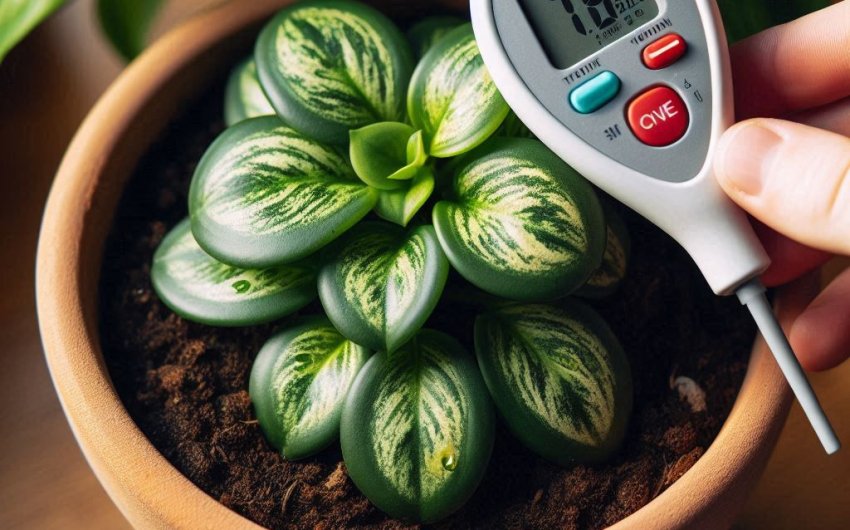
- Moisture Meter: A plant moisture meter can give you an accurate reading of soil moisture levels, taking out the guesswork.
- Lift the Pot: Get to know the weight of your potted plant when it's dry vs. freshly watered. A dry pot will feel significantly lighter.
- Observe the Plant: Some plants (like Peace Lilies) will visibly droop when they're thirsty. This is a good sign, but don't wait for extreme wilting.
5. Master "How" to Water (Technique Matters)
- Water Thoroughly: When it's time to water, water deeply until water flows freely out of the drainage holes. This ensures all the roots get moisture.
- Bottom Watering: For some plants, or if your soil has become very dry and hydrophobic (repels water), bottom watering can be effective. Place the potted plant in a tray or sink filled with a few inches of water and let it soak up moisture from the bottom for 30-60 minutes, or until the top of the soil feels damp. Then remove and let drain.
- Avoid Misting for Watering: Misting leaves does not hydrate the plant; it only briefly increases humidity. Rely on soil watering.
6. Adjust Watering Seasonally
- Summer/Growing Season: Plants typically need more water due to active growth, higher temperatures, and more light.
- Winter/Dormancy: Growth slows significantly, temperatures are cooler, and light is often lower. Plants need much less water. Reduce frequency of watering, not necessarily the amount given per watering.
7. Consider Plant Type and Size
- Water Needs Vary: Remember, different plants have different water needs. A thirsty fern will need more frequent watering than a drought-loving succulent.
- Smaller Pots Dry Faster: Plants in smaller pots or terra cotta pots will generally need water more often than those in large plastic or glazed ceramic pots.
- Light Affects Needs: Plants in brighter light will dry out faster and need more frequent watering than identical plants in lower light.
Troubleshooting Overwatering (A Rescue Mission!)
If you suspect your potted plant is suffering from overwatering or root rot, act quickly!
- Stop Watering Immediately: Do not give it another drop of water until the soil is bone dry.
- Improve Drainage: Empty any standing water from the saucer. If the pot doesn't have drainage holes, repot it immediately into one that does.
- Unpot and Inspect Roots: Carefully remove the plant from its pot. Gently brush off as much soggy, old soil as possible. Inspect the roots. Healthy roots are usually white or tan and firm. Rotting roots are brown, black, mushy, or smelly.
- Prune Affected Roots and Leaves: Using clean, sharp pruning shears, cut away all rotten, mushy, or black roots and any mushy or severely yellow/black leaves. Cut back to healthy, firm tissue. Sterilize your shears between cuts.
- Repot in Fresh, Dry, Well-Draining Mix: Repot the plant into a clean pot (or the same one after sterilizing it) with fresh, dry, well-draining potting mix appropriate for the plant.
- Delay Watering: Do NOT water immediately after repotting. Wait at least a few days (for tropicals) to a week or two (for succulents) to allow the plant to settle and any disturbed roots to heal before giving its first light watering.
- Optimize Environment: Place the rescued plant in a spot with good, indirect light and stable temperatures to minimize stress during recovery.
By understanding the causes and symptoms of overwatering, and by diligently applying these preventative and rescue strategies, you can successfully prevent overwatering in potted plants and help your green friends thrive for years to come! Happy watering (or not watering)!