
Choosing the Right Fertilizer for Your Plants
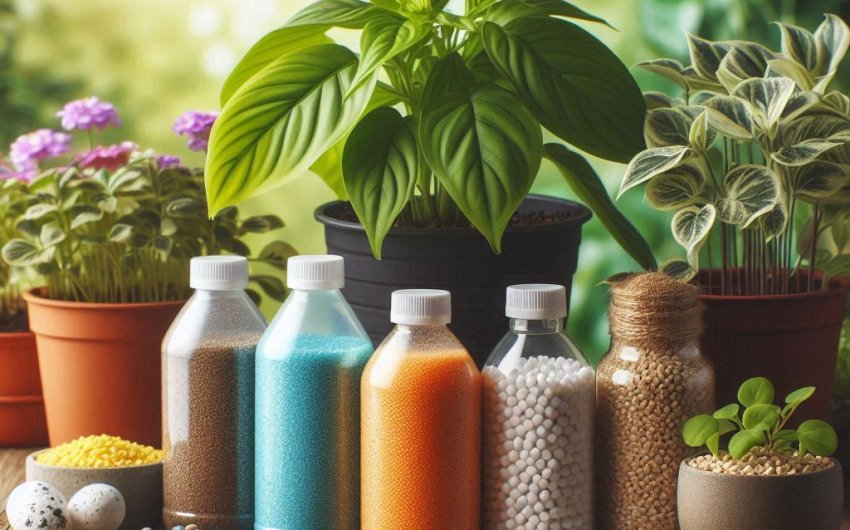
Just like we need a balanced diet to stay healthy, our plants need essential nutrients to thrive, grow strong, and produce abundant flowers or fruits. While good soil provides some of these nutrients, over time, or in specialized growing conditions (like pots), the soil's nutrient supply can become depleted. That's where fertilizer comes in! But walking down the garden aisle can be overwhelming, with countless bags and bottles all promising amazing results. How do you know which fertilizer is right for your plants?
This guide will demystify the world of fertilizers, helping you understand the basics of plant nutrition, decipher those confusing N-P-K numbers, and choose the perfect type of fertilizer for your specific plants and gardening goals. Get ready to feed your plants exactly what they need to flourish, leading to a greener, more vibrant, and more productive garden!
Understanding Plant Nutrition: The N-P-K Basics
Before choosing a fertilizer, it's essential to understand the "big three" nutrients plants need most, often represented by the numbers on a fertilizer label.
What is N-P-K?
N-P-K stands for the three primary macronutrients essential for plant growth, and the numbers represent the percentage by weight of each nutrient in the fertilizer:
- N = Nitrogen (N): The first number. Crucial for lush, green, leafy growth. Think of it as promoting strong stems and vibrant foliage.
- P = Phosphorus (P): The middle number (often expressed as P2O5). Essential for healthy root development, flowering, and fruiting. Think "P for power" or "P for blooms."
- K = Potassium (K): The third number (often expressed as K2O). Important for overall plant health, disease resistance, water regulation, and strong cell development. Think "K for vigor" or "K for health."
So, a fertilizer labeled "10-5-10" contains 10% nitrogen, 5% phosphorus, and 10% potassium.
Why Do Plants Need These Nutrients?
- Nitrogen (N): Fuels chlorophyll production (makes leaves green), promotes rapid vegetative growth.
- Phosphorus (P): Aids in energy transfer, cell division, root growth, flower bud formation, seed development, and fruit ripening.
- Potassium (K): Helps with water and nutrient movement in the plant, strengthens cell walls, improves disease resistance, and enhances overall plant vigor.
What About Micronutrients?
While N-P-K are the macronutrients needed in large quantities, plants also need smaller amounts of micronutrients like iron, magnesium, calcium, zinc, copper, and boron. Many balanced fertilizers include these, often listed as "trace elements" or "minor nutrients." Healthy soil, rich in organic matter, naturally provides many of these.
Key Considerations Before Choosing a Fertilizer
Don't just grab the first bag you see! A few factors should guide your choice.
1. What Kind of Plant Are You Fertilizing?
Different plants have different needs at different stages of their life.
- Leafy Greens/Lawn: High nitrogen is good for lush foliage.
- Flowering Plants/Fruiting Vegetables: Higher phosphorus and potassium promote blooms and fruit.
- Trees/Shrubs: Often prefer a balanced formula or one slightly higher in nitrogen for overall growth.
- Acid-Loving Plants (e.g., Azaleas, Blueberries, Hydrangeas): Need specific formulas that help maintain soil acidity. Look for acid-loving plant fertilizer.
2. What is Your Soil's Current Condition?
- Soil Test (Highly Recommended!): The best way to know what nutrients your soil already has (and lacks) is to get a soil test. Your local agricultural extension office can provide detailed reports, including pH and nutrient levels. This prevents over-fertilizing nutrients you already have. You can also use home soil test kits for a general idea.
- Organic Matter: If your soil is rich in organic matter (from compost, mulch), it naturally provides many nutrients, so you may need less supplemental fertilizer.
3. What is Your Gardening Goal?
- Overall Growth: A balanced N-P-K (e.g., 10-10-10, 5-5-5).
- More Flowers/Fruit: Higher phosphorus (e.g., a "bloom booster" like 10-30-10).
- Lush Foliage: Higher nitrogen (e.g., 20-5-5).
Types of Fertilizers: Organic vs. Synthetic, Liquid vs. Granular
Fertilizers come in various forms, each with pros and cons.
1. Organic Fertilizers
Derived from natural sources.
- Examples: Compost, composted manure, bone meal (high P), blood meal (high N), fish emulsion (balanced), alfalfa meal, worm castings.
- Pros:
- Improves Soil Health: Feeds soil microbes, builds organic matter, and improves soil structure. This is a huge long-term benefit.
- Slow-Release: Nutrients are released slowly as microbes break them down, reducing the risk of "fertilizer burn" and providing a steady supply.
- Gentle: Less likely to harm plants if over-applied.
- Eco-Friendly: Generally safer for the environment and pollinators.
- Cons:
- Nutrient ratios can be lower and less precise than synthetic.
- Can take longer to see results because of the slower release.
- Some can have a mild odor.
- Best for: Sustainable gardening, soil building, long-term plant health, vegetable gardens.
2. Synthetic Fertilizers (Chemical Fertilizers)
Manufactured with precise nutrient ratios.
- Examples: Scotts, Miracle-Gro, Espoma (many product lines vary).
- Pros:
- Precise Nutrient Ratios: You know exactly what you're applying.
- Fast-Acting: Nutrients are readily available to plants, often providing quick results.
- Concentrated: A little goes a long way.
- Cons:
- Doesn't Improve Soil Health: Only feeds the plant, not the soil microbes. Can harm beneficial soil organisms over time.
- Risk of "Fertilizer Burn": Easy to over-apply, leading to burned roots and foliage. Always dilute correctly!
- Runoff: Can contribute to environmental pollution if over-applied and washed into waterways.
- Best for: Quick nutrient boost, specific nutrient deficiencies (based on soil test), container plants where soil structure isn't the same concern as in-ground.
3. Liquid Fertilizers
Mixed with water and applied directly to the soil or foliage.
- Examples: Liquid fish emulsion, seaweed extract, synthetic liquid concentrates.
- Pros:
- Fast Absorption: Nutrients are immediately available to the plant.
- Easy to Apply: Simple to mix and use with a watering can.
- Good for Containers: Excellent for potted plants where nutrient leaching is common.
- Cons: Requires frequent application (nutrients wash out quickly). Can cause "fertilizer burn" if not diluted properly.
- Best for: Quick boosts, houseplants, containers, foliar feeding (applying to leaves).
4. Granular Fertilizers
Dry pellets or powders sprinkled on the soil surface.
- Examples: Slow-release granular fertilizers, all-purpose granular.
- Pros:
- Convenient: Easy to apply directly to beds.
- Slow-Release (Coated Granules): Some are coated to release nutrients over months, reducing frequency of application.
- Cons: Can be washed away by heavy rain if not incorporated into the soil. Risk of burning plants if piled too close to stems.
- Best for: Garden beds, lawns, larger areas, slow, steady feeding.
Choosing the Right Fertilizer: Specific Plant Needs
Let's look at common plant categories and their fertilizer preferences.
1. Vegetables (Annuals)
- Goal: Promote lush growth, abundant flowering, and fruit production.
- N-P-K: Generally balanced during early growth, then higher phosphorus and potassium during flowering/fruiting.
- Type:
- Organic: Compost and composted manure worked into the soil at planting, followed by liquid fish emulsion or compost tea every few weeks during the growing season.
- Synthetic: A balanced granular (e.g., 5-10-10) at planting, then a "bloom booster" (e.g., 10-30-10) during flowering/fruiting.
- Key Consideration: Heavy feeders (tomatoes, corn, squash) need more; light feeders (radishes, lettuce) need less.
2. Flowering Perennials and Shrubs
- Goal: Promote healthy foliage and abundant blooms year after year.
- N-P-K: Balanced or slightly higher phosphorus.
- Type:
- Organic: Top-dress with compost annually in spring. You can use a granular organic "flower food."
- Synthetic: A balanced granular (e.g., 5-10-5 or 10-10-10) applied in early spring.
- Key Consideration: Avoid high nitrogen, which encourages foliage at the expense of flowers.
3. Trees and Woody Shrubs
- Goal: Promote strong structural growth and overall health.
- N-P-K: Balanced or slightly higher nitrogen, especially for young trees.
- Type:
- Organic: Top-dress with compost around the dripline.
- Synthetic: Slow-release granular tree and shrub fertilizer applied in spring.
- Key Consideration: Established trees often need minimal fertilizer if the soil is healthy. Focus on soil health (mulching!).
4. Houseplants
- Goal: Maintain healthy growth in a confined soil environment.
- N-P-K: Generally balanced.
- Type: Liquid houseplant fertilizer is easiest to control.
- Key Consideration: Less is more! Most houseplants are light feeders. Fertilize only during the growing season (spring and summer) at half or quarter strength, typically every 2-4 weeks. Do not fertilize dormant or stressed plants.
5. Lawns
- Goal: Promote dense, green turf.
- N-P-K: High nitrogen is typical.
- Type: Granular, often specific lawn fertilizer blends.
- Key Consideration: Timing is crucial (spring, late summer/fall). Test your soil to avoid over-fertilizing phosphorus, which can cause environmental problems.
General Fertilizer Application Tips (Crucial for Success!)
No matter which fertilizer you choose, proper application is key to plant health and preventing problems.
1. Read the Label!
- Always follow the instructions on your fertilizer package regarding dilution rates, application amounts, and frequency. This is the most important tip!
2. Don't Fertilize Dormant or Stressed Plants
- Never fertilize plants that are dormant (in winter), newly transplanted (give them time to establish roots), or showing signs of stress (yellowing from overwatering, pests, disease). This can cause further harm.
3. Water Before and After
- Pre-Watering: Always water your plants thoroughly before applying fertilizer (especially synthetic granular or liquid). This prevents root burn.
- Post-Watering: Water again immediately after applying granular fertilizer to help it dissolve and wash into the soil.
4. Less is More
- It's always better to under-fertilize slightly than to over-fertilize. Too much fertilizer can burn roots, damage foliage, and harm the plant. You can always add more later if needed.
5. Consider the Time of Year
- Most plants are fertilized during their active growing season (typically spring and summer). Reduce or stop fertilizer application in fall and winter.
By understanding the basics of plant nutrition and thoughtfully choosing the right fertilizer for your plants, you'll be able to provide them with the optimal diet they need to flourish, leading to a vibrant, healthy, and abundant garden! Happy feeding!