
The Pros and Cons of Organic Gardening
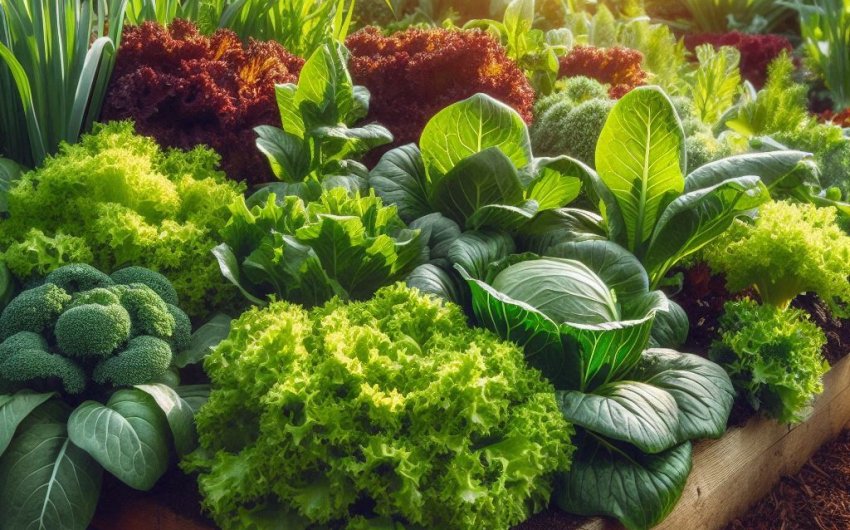
Organic gardening prioritizes nurturing a healthy ecosystem by avoiding synthetic pesticides, fertilizers, and genetically modified organisms, focusing instead on natural processes like composting, crop rotation, and beneficial insect promotion. This approach fosters long-term soil health, biodiversity, and yields produce free from synthetic chemical residues, yet it often demands more labor and patience.
What is Organic Gardening?
Organic gardening is a comprehensive approach to growing plants that emphasizes ecological balance, biodiversity, and soil health. It is a system of cultivation that sustains the health of soils, ecosystems, and people, relying on ecological processes, biodiversity, and cycles adapted to local conditions, rather than the use of inputs with adverse effects.
Core Principles of Organic Gardening:
- Soil Health First: The central tenet of organic gardening is that healthy soil leads to healthy plants. Gardeners focus on enriching the soil with organic matter, feeding the soil's microbial life, rather than simply feeding the plant directly.
- No Synthetic Chemicals: This is the most defining characteristic. Organic gardening strictly prohibits the use of:
- Synthetic Fertilizers: Instead, natural alternatives like compost, manure, bone meal, and cover crops are used.
- Synthetic Pesticides: Chemical insecticides, herbicides, and fungicides are avoided. Pest and disease management relies on cultural practices, biological controls, and natural remedies.
- Genetically Modified Organisms (GMOs): Organic standards prohibit the use of genetically engineered seeds or plants.
- Biodiversity and Ecosystem Balance: Organic gardeners strive to create a diverse ecosystem that supports a wide range of beneficial organisms, from soil microbes and earthworms to beneficial insects, pollinators, and birds. This natural balance helps keep pests and diseases in check.
- Integrated Pest Management (IPM): Instead of immediately reaching for pesticides, organic gardeners follow an IPM hierarchy:
- Prevention (healthy plants, resistant varieties)
- Monitoring and identification
- Physical/mechanical controls (hand-picking pests, row covers)
- Biological controls (beneficial insects)
- Organic-approved pesticides (as a last resort).
- Resource Cycling: Emphasis is placed on recycling organic waste through composting, reducing reliance on external inputs.
- Water Conservation: Sustainable watering practices are encouraged to conserve this vital resource.
- Long-Term Sustainability: The goal is to build a garden that is productive and healthy for many years, minimizing environmental impact.
How Does it Differ from Conventional Gardening?
The fundamental difference lies in the inputs allowed and the philosophy.
- Conventional Gardening: Often relies on synthetic, fast-acting fertilizers to directly feed the plant, and synthetic pesticides for quick pest and disease control. It can sometimes lead to soil degradation and reduced biodiversity over time.
- Organic Gardening: Focuses on feeding the soil with slow-release organic amendments, encouraging a healthy soil food web, and using natural methods for pest and disease control. It aims for a self-sustaining system.
Organic gardening is a commitment to working with nature, rather than trying to control it, fostering a vibrant and resilient garden ecosystem.
What Are the Pros of Organic Gardening?
Organic gardening offers a wide array of benefits that extend beyond just growing food. These advantages touch on environmental health, personal well-being, and the long-term sustainability of your garden.
1. Healthier Soil
- Improved Structure: Regular addition of organic matter (compost, aged manure, cover crops) improves soil structure, making it more friable for roots to grow and enhancing both drainage in heavy soils and water retention in sandy soils.
- Enhanced Fertility: Nutrients are released slowly and naturally as organic matter decomposes, providing a steady supply of food for plants. This avoids the boom-and-bust cycles associated with synthetic fertilizers.
- Thriving Soil Food Web: Organic practices foster a rich and diverse community of beneficial microorganisms (bacteria, fungi, protozoa), earthworms, and other soil organisms. This living soil ecosystem is crucial for nutrient cycling, disease suppression, and overall plant health.
2. Reduced Exposure to Harmful Chemicals
- Safer Produce: Fruits, vegetables, and herbs grown organically are free from synthetic pesticide and herbicide residues, reducing your family's dietary exposure to potentially harmful chemicals.
- Safer for Gardeners: Gardeners are not exposed to harsh chemicals during application, reducing risks of skin irritation, respiratory issues, or long-term health concerns.
- Safer for Pets and Children: Pets and children playing in an organic garden are not exposed to chemical residues on plants or in the soil.
3. Environmental Benefits
- Protects Water Quality: By avoiding synthetic fertilizers and pesticides, organic gardening prevents runoff of these chemicals into groundwater, rivers, and lakes, thus protecting aquatic ecosystems and drinking water sources.
- Supports Biodiversity: Organic gardens provide habitat and food for a wider range of beneficial insects (pollinators, predators), birds, and other wildlife, fostering a healthy ecosystem.
- Reduces Pollution: Less reliance on petroleum-based fertilizers and pesticides reduces energy consumption and chemical manufacturing pollution.
- Combats Climate Change: Healthy, organic soil, rich in organic matter, sequesters carbon from the atmosphere, helping to mitigate climate change.
4. Better-Tasting and More Nutritious Produce (Often)
- Enhanced Flavor: Many organic gardeners report that their homegrown organic produce has superior flavor. This is often attributed to healthier soil that promotes optimal plant development and nutrient uptake.
- Potential for Higher Nutrient Content: While scientific studies are ongoing and results can vary, some research suggests organically grown produce may have higher levels of certain vitamins, minerals, and beneficial antioxidants.
5. Long-Term Garden Sustainability
- Resilient Plants: Plants grown in healthy, biologically active soil tend to be more robust and resilient, better able to withstand stress from pests, diseases, and environmental fluctuations.
- Reduced Reliance on External Inputs: Over time, an organic garden becomes a more self-sustaining system, reducing your need to purchase fertilizers, pesticides, and other amendments.
- Educational Value: Organic gardening is a continuous learning process, deepening your understanding of natural cycles and ecosystems.
6. Personal Satisfaction
- There's immense satisfaction in growing your own food using methods that are good for you, your family, and the planet. It connects you more deeply with nature and the food you eat.
The advantages of organic gardening contribute to a healthier, more vibrant garden and a more sustainable lifestyle, offering long-term rewards that extend far beyond a single growing season.
What Are the Cons of Organic Gardening?
While the benefits of organic gardening are substantial, it's also important to acknowledge its challenges and potential drawbacks. Understanding these "cons" can help new organic gardeners set realistic expectations and prepare for the unique demands of this approach.
1. Requires More Labor and Time
- Weeding: Without synthetic herbicides, weeding becomes a more labor-intensive and frequent task. Organic weed control relies on manual pulling, mulching, and strategic cultivation.
- Pest and Disease Management: Instead of quick chemical fixes, organic pest and disease control often involves:
- More frequent monitoring: To catch issues early.
- Manual removal: Hand-picking pests.
- Homemade remedies: Mixing and applying sprays like insecticidal soap or neem oil repeatedly.
- Building a healthy ecosystem: Which takes time to establish.
- Composting: A core organic practice, composting requires effort to turn, manage, and distribute.
2. Can Be More Expensive Initially
- Organic Amendments: High-quality organic fertilizers, compost (if not homemade), and natural pest control products can sometimes be more expensive per unit than their synthetic counterparts.
- Certified Organic Seeds/Starts: If you are committed to certified organic gardening, organic seeds and plant starts can be pricier.
- Tools: Investing in tools for weeding, aerating, and composting might be an initial cost.
3. Slower Results and Learning Curve
- Patience Required: Organic gardening builds soil health gradually. You won't see the instant "green-up" that synthetic fertilizers often provide. It's a long-term investment.
- Knowledge Intensive: Requires a deeper understanding of soil science, plant biology, pest life cycles, and beneficial insects. There's a steeper learning curve than simply applying off-the-shelf conventional products.
- Less Predictable Outcomes: Weather, sudden pest outbreaks, or unforeseen environmental factors can have a larger impact without the immediate broad-spectrum solutions of synthetic chemicals.
4. Potential for Lower Yields (Initially or with Certain Crops)
- Transition Period: During the transition from conventional to organic, soil health may be depleted, leading to lower yields as the ecosystem rebuilds.
- Pest/Disease Damage: While organic methods aim for balance, severe pest or disease outbreaks can sometimes lead to greater crop loss compared to gardens where broad-spectrum synthetic pesticides are used.
- Crop-Specific Challenges: Some crops (e.g., highly susceptible varieties or those needing intensive nutrient management) can be more challenging to grow organically to commercial yields. For the home gardener, this usually means smaller harvests rather than complete failure.
5. Appearance May Be Less "Perfect"
- Cosmetic Imperfections: Organic produce might have minor cosmetic blemishes from insect activity or environmental factors, which are often perfectly safe to eat but might not meet the aesthetic standards of supermarket produce.
- Weeds: A certain level of weeds is often tolerated or managed rather than completely eliminated, which some gardeners might find less aesthetically pleasing.
6. Sourcing Challenges (for Specific Inputs)
- Finding specific organic amendments, disease-resistant heirloom seeds, or beneficial insects can sometimes be more challenging depending on your local availability compared to conventional products.
While these challenges are real, many organic gardeners find the rewards—healthier soil, safer food, and a more vibrant ecosystem—far outweigh the effort and learning required. It's often a journey of continuous improvement and adaptation.
How Do Organic Fertilizers Differ from Synthetic Fertilizers?
The fundamental difference between organic and synthetic fertilizers lies in their source, composition, and how they deliver nutrients to plants. This difference has profound implications for soil health, plant vigor, and environmental impact.
Organic Fertilizers
- Source: Derived from naturally occurring plant or animal matter.
- Examples: Compost, aged manure, bone meal, blood meal, fish emulsion, alfalfa meal, rock phosphate, greensand, worm castings, kelp meal.
- Composition:
- Complex Forms: Nutrients are in complex organic compounds.
- Low NPK Ratio: Typically have lower NPK (Nitrogen-Phosphorus-Potassium) numbers compared to synthetic fertilizers (e.g., 2-2-2 or 5-4-3).
- Micronutrients: Often contain a wide range of micronutrients and trace elements naturally present in the raw materials.
- Living Organisms: Contain or encourage beneficial microorganisms.
- How They Work:
- Feed the Soil: Organic fertilizers do not directly feed the plant. Instead, they feed the soil's microbial life (bacteria, fungi, earthworms). These microbes break down the complex organic compounds into simpler, plant-available forms.
- Slow-Release: Nutrients are released slowly and steadily over time as decomposition occurs. This mimics natural processes and reduces the risk of nutrient leaching or burning plants.
- Improve Soil Structure: The organic matter they provide directly improves soil structure, enhancing drainage, aeration, and water retention.
- Benefits:
- Builds long-term soil fertility and health.
- Reduces nutrient runoff and water pollution.
- Supports a thriving soil food web.
- Won't burn plants (when applied correctly).
- Sustainable and renewable.
- Drawbacks: Slower acting, may have odors, sometimes bulkier to transport/apply, initial investment in soil building.
Synthetic Fertilizers
- Source: Manufactured through industrial chemical processes, often derived from fossil fuels or mined minerals.
- Examples: Urea, ammonium nitrate, superphosphate, potassium chloride.
- Composition:
- Simple Forms: Nutrients are in simple, highly soluble mineral salt forms.
- High NPK Ratio: Often have high NPK numbers (e.g., 20-20-20, 10-5-5), indicating concentrated nutrient content.
- Limited Micronutrients: Usually contain only the primary NPK nutrients, with limited or no micronutrients unless specifically added.
- No Organic Matter: Do not contribute to soil organic matter.
- How They Work:
- Feed the Plant Directly: Nutrients are immediately available to the plant's roots in soluble forms.
- Fast-Acting: Provide a rapid burst of nutrients, leading to quick green-up and growth.
- Bypass Soil Microbes: Do not require microbial activity for nutrient conversion. Can sometimes harm beneficial microbes.
- Benefits:
- Fast results.
- Precise nutrient control (can target specific deficiencies).
- Easy to apply, often less bulky.
- Cheaper per unit of nutrient.
- Drawbacks:
- Can "burn" plants if over-applied.
- Do not build soil health; can degrade soil structure over time.
- Prone to leaching, leading to water pollution (eutrophication).
- Can reduce beneficial soil microbial life.
- Non-renewable resources.
In organic gardening, the philosophy is to "feed the soil, not the plant." This distinction in fertilizer choice embodies that principle, aiming for a healthy, self-sustaining soil ecosystem that naturally nourishes plants.
How Do Organic Pest and Disease Controls Work?
Organic pest and disease controls operate fundamentally differently from synthetic chemicals. Instead of broad-spectrum killing, they typically focus on prevention, disruption of life cycles, or targeting specific pests, while minimizing harm to the environment and beneficial organisms.
Core Principles of Organic Pest and Disease Control:
Prevention (Cultural Controls): The first and most important line of defense.
- Healthy Plants: Well-nourished plants in healthy soil are naturally more resistant.
- Resistant Varieties: Choosing plant varieties bred for resistance to common pests and diseases.
- Crop Rotation: Breaking pest and disease cycles in the soil.
- Good Air Circulation: Proper plant spacing and pruning reduces humidity, deterring fungal diseases like powdery mildew.
- Sanitation: Removing diseased plant debris or fallen fruit to eliminate pest and disease breeding grounds.
- Clean Tools: Sterilizing tools to prevent disease spread.
- Weed Control: Removing weeds that can harbor pests or diseases.
Physical/Mechanical Controls: Directly removing or excluding pests.
- Hand-Picking: Manually removing larger pests (e.g., slugs, tomato hornworms).
- Row Covers: Physical barriers made of lightweight fabric that exclude flying insects (e.g., cabbage moths, squash vine borers). Garden Fabric Row Covers are effective.
- Traps: Sticky traps (for whiteflies, fungus gnats), pheromone traps (for monitoring moths), or beer traps (for slugs).
- Water Sprays: A strong jet of water to dislodge soft-bodied pests like aphids or spider mites.
- Barriers: Copper tape for slugs, physical fences for larger animals.
Biological Controls: Using living organisms to control pests.
- Beneficial Insects (Predators/Parasitoids): Encouraging or introducing insects that prey on or parasitize pests (e.g., ladybugs eating aphids, lacewings, parasitic wasps). Planting diverse flowers attracts these beneficials.
- Beneficial Microbes: Applying microorganisms that suppress plant pathogens (e.g., Bacillus subtilis for fungal diseases, mycorrhizal fungi for general plant health).
- Nematodes: Specific microscopic worms that attack soil-dwelling pest larvae (e.g., grub control). Beneficial Nematodes.
Organic-Approved Pesticides (as a Last Resort): These are natural substances used when other methods fail.
- Insecticidal Soaps: Disrupt the outer layer of soft-bodied insects (aphids, mealybugs, spider mites). Work on contact. Safer Brand Insect Killing Soap.
- Neem Oil: Derived from the neem tree. Acts as an antifeedant, repellent, and insect growth regulator. Also has some fungicidal properties (e.g., for powdery mildew). Garden Safe Neem Oil Extract.
- Bacillus thuringiensis (Bt): A specific bacterium that targets caterpillars (Btk strain) or mosquito larvae (Bti strain) when ingested. Harmless to other insects, pets, and humans. Bonide Bt Thuricide Concentrate.
- Horticultural Oils: Smother soft-bodied pests and eggs. Can also smother fungal spores.
- Diatomaceous Earth: A finely ground fossilized diatom powder that dehydrates insects by cutting their exoskeletons. (Use food-grade).
- Sulfur/Copper-based Fungicides: Natural minerals used to control various fungal diseases. Often used for fruit trees or roses.
- Homemade Remedies: Garlic sprays (repellent), hot pepper sprays (repellent/irritant), pure soap sprays (similar to insecticidal soap).
Key Differences from Synthetic: Organic pesticides typically have:
- Lower Toxicity: Generally less harmful to non-target organisms.
- Shorter Residual Effect: Break down more quickly in the environment.
- More Specific Action: Often target particular pest types, rather than broad-spectrum killing.
Organic pest and disease control is about fostering a balanced, resilient ecosystem where nature itself helps manage the garden's health, relying on interventions only when necessary and with the least possible harm.
Is Organic Gardening Right for Me? (Decision Factors)
Deciding whether organic gardening is the right path for you involves weighing its pros and cons against your personal gardening goals, available time, resources, and commitment level. It's a journey, not a destination, and can be adapted to various scales.
Consider Your Gardening Goals:
- Priority on Healthy, Chemical-Free Food: If minimizing chemical exposure in your produce is your top priority, organic gardening is an excellent fit.
- Environmental Stewardship: If you're passionate about supporting biodiversity, protecting water quality, and building healthy ecosystems, organic practices align perfectly.
- Learning and Engagement: If you enjoy understanding natural processes and observing the intricate web of life in your garden, the knowledge-intensive nature of organic gardening will appeal to you.
- Aesthetic Perfection: If your primary goal is a perfectly manicured, blemish-free garden that mirrors conventional magazine images, organic gardening might challenge your expectations, as some minor insect damage or weeds are part of the natural balance.
Assess Your Resources:
- Time Commitment: Are you willing to spend more time on manual tasks like weeding, scouting for pests, and preparing organic amendments (e.g., turning a compost pile)?
- Budget: Are you prepared for potentially higher upfront costs for organic inputs (seeds, soil amendments, natural pest controls) compared to cheaper synthetic options, understanding that these can pay off in long-term soil health?
- Space: Do you have space for a compost pile or other organic practices that might require dedicated areas?
- Local Resources: Do you have access to local sources for organic materials (compost, manure) or expertise (local organic gardening groups, extension services)?
Evaluate Your Current Gardening Experience:
- Beginner: While starting organically is great, understand that there's a learning curve. Don't get discouraged by initial challenges. Start small and focus on building soil health first.
- Experienced Conventional Gardener: Transitioning from conventional can take time. Your soil may need rehabilitation, and you'll need to learn new strategies for pest and disease management.
- Patience Level: Organic gardening is about working with nature's pace. Results may be slower, and occasional setbacks (a pest outbreak, a fungal issue) are part of the process. Can you embrace these learning opportunities?
Lifestyle and Personal Values:
- Connection to Nature: Do you enjoy spending time outdoors, observing insects, and connecting with the natural world?
- Sustainability: Do you value sustainable practices and want your garden to reflect those values?
- Hands-On Approach: Do you prefer a hands-on approach to problem-solving rather than quick-fix solutions?
Making the Decision:
- Start Small: You don't have to convert your entire garden overnight. Start with one bed, or even a few containers, using organic methods.
- Integrate Gradually: If a full organic conversion feels overwhelming, start by integrating specific organic practices:
- Use compost exclusively.
- Switch to organic fertilizers.
- Try manual pest control before reaching for sprays.
- Plant pollinator-friendly flowers.
- Learn Continuously: Organic gardening is an ongoing learning process. Read books, join local garden clubs, and seek advice from experienced organic gardeners.
Ultimately, organic gardening is a personal choice. It's a commitment to a way of growing that supports the health of the earth and its inhabitants. If its principles resonate with your values and you're prepared for the effort and learning involved, it can be an incredibly rewarding and sustainable journey.