
How to Start Organic Gardening Without Using Chemicals?
Are you dreaming of a vibrant garden filled with healthy, delicious produce, knowing it's grown without any harsh chemicals? Organic gardening is all about working with nature, not against it. It means creating a thriving ecosystem in your backyard that supports plants, beneficial insects, and healthy soil, without relying on synthetic pesticides, herbicides, or fertilizers. It might sound a bit overwhelming at first, but starting an organic garden is simpler than you think. This guide will walk you through the essential steps, showing you how to grow beautiful and bountiful harvests the natural way, right from the very beginning.
What Exactly is Organic Gardening?
At its core, organic gardening is a method of growing plants that protects and enhances the natural environment. Instead of artificial inputs, it focuses on building a healthy foundation in the soil and encouraging natural processes to do the work.
Key Principles of Organic Gardening:
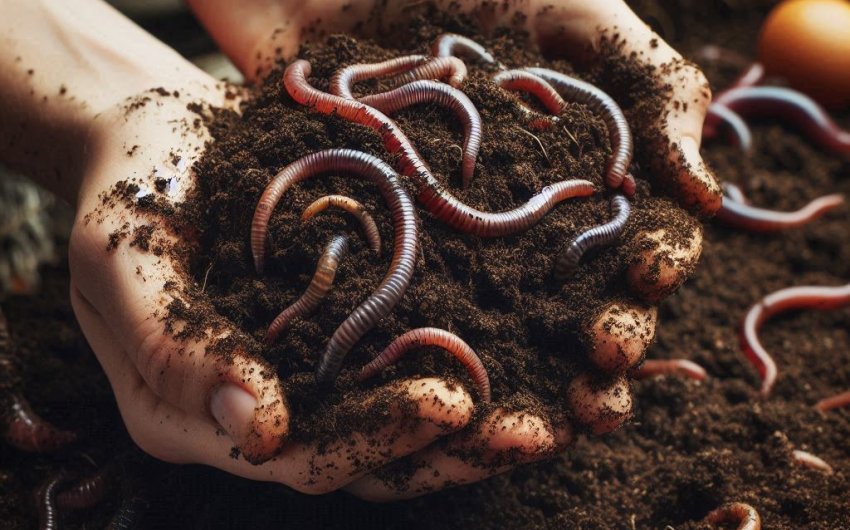
- Feed the Soil, Not Just the Plant: Organic gardeners focus on enriching the soil with organic matter (like compost) to create a living ecosystem for microbes and earthworms. This healthy soil then naturally provides nutrients to plants.
- Avoid Synthetic Chemicals: No man-made chemical fertilizers, pesticides, or herbicides are used. This prevents harm to beneficial insects, wildlife, water sources, and your health.
- Work with Nature: This includes practices like companion planting (growing plants together that help each other), crop rotation (changing where you plant things each year), and attracting beneficial insects.
- Sustainability: It’s about creating a garden that thrives year after year, using fewer resources and leaving a positive impact on the environment.
Step 1: Choosing the Right Spot for Your Organic Garden
Before you dig, decide where your garden will be. This initial choice can make or break your success.
Sun is Your Friend!
Most vegetables and fruits need plenty of sunshine. Aim for a spot that gets at least 6-8 hours of direct sunlight per day. Think about how the sun moves across your yard throughout the day. South-facing spots are often ideal in the Northern Hemisphere.
Water Access
You'll need to water your plants, especially when they're getting started or during dry spells. Choose a spot that's easily accessible to a water source, like a garden hose or a rain barrel. Consider setting up a drip irrigation system for efficient watering, which can save a lot of time and water in an organic garden. A simple drip irrigation starter kit can make watering a breeze.
Air Flow
Good air circulation helps prevent fungal diseases. Avoid very enclosed, stagnant areas if possible.
Step 2: Prepare Your Soil – The Heart of Organic Gardening
This is arguably the most important step in organic gardening. In fact, many organic gardeners say they "grow soil, not plants."
Test Your Soil (Optional but Recommended)
A soil test tells you what you're working with. It will tell you your soil's pH (how acidic or alkaline it is) and what nutrients it might be lacking. This helps you know what organic amendments to add. You can get a simple home soil test kit or send a sample to your local extension office.
Remove Weeds (Naturally!)
Before you plant, clear the area of weeds. Avoid chemical weed killers!
- Hand Pulling: For small areas, simply pull weeds by hand. This works best when the soil is damp.
- Sheet Mulching (Lasagna Gardening): This is a fantastic no-dig organic method for preparing a new bed. Lay down a layer of cardboard (remove tape/labels), then alternate layers of "browns" (shredded leaves, straw) and "greens" (grass clippings, kitchen scraps), finishing with a thick layer of compost. The layers smother weeds, decompose, and create rich soil.
- Solarization: In sunny, hot climates, covering an area with clear plastic sheeting for 4-8 weeks in summer can "cook" and kill weeds and seeds.
Add Organic Matter (Lots of It!)
This is the secret sauce for any organic garden. Organic matter feeds the soil microbes, improves soil structure, helps with drainage, and holds water and nutrients.
- Compost: Your best friend! Mix in a generous amount (2-4 inches deep) of finished organic compost into the top 6-12 inches of your garden bed. Compost is teeming with beneficial life. You can buy quality organic compost or even start your own compost pile with a compost bin.
- Aged Manure: Well-rotted manure (never fresh!) adds a fantastic boost of nutrients and organic matter.
- Worm Castings: Super-rich and gentle, worm castings are excellent for soil health. Consider mixing in some organic worm castings.
Adjust pH (If Needed)
Based on your soil test, you might need to adjust your pH.
- To Raise pH (make more alkaline): Add garden lime (dolomitic or calcitic). Use dolomitic lime for magnesium deficiency.
- To Lower pH (make more acidic): Add elemental sulfur or peat moss.
Always follow package directions for application rates, as pH adjustments are slow and take time.
Step 3: Choosing Your Organic Plants and Seeds
Your journey to a chemical-free garden continues with your plant choices.
Start with Easy-to-Grow Plants
Don't overwhelm yourself. Begin with vegetables known for being relatively easy and productive:
- Leafy Greens: Lettuce, spinach, kale, Swiss chard.
- Root Vegetables: Radishes, carrots, bush beans.
- Summer Favorites: Zucchini, bush beans, cherry tomatoes (start with varieties known for disease resistance).
Go Organic from the Start
- Organic Seeds: Look for seeds specifically labeled organic seeds. These are grown without synthetic pesticides or fertilizers.
- Organic Seedlings/Starts: If buying young plants, ensure they are certified organic seedlings. Ask your local nursery if they grow organically or where they source their plants.
Step 4: Planting Your Organic Garden
With your soil ready and plants chosen, it's time to get them in the ground!
Proper Spacing
Give your plants enough room to grow. This improves air circulation (reducing disease) and competition for nutrients. Read seed packets or plant tags for recommended spacing.
Plant at the Right Time
Know your planting zones and the best time to plant for your area. Warm-season crops (like tomatoes, peppers) go in after the last frost, while cool-season crops (like lettuce, peas) prefer cooler spring or fall weather.
Step 5: Watering Your Organic Garden
Efficient watering is key to healthy plants and conserving resources.
Water Deeply and Less Often
Encourage deep root growth by watering thoroughly until the water penetrates 6-12 inches into the soil. This makes plants more resilient to dry spells.
- Drip Irrigation/Soaker Hoses: These are ideal for organic gardens as they deliver water directly to the roots, reduce evaporation, and keep leaves dry (preventing fungal diseases).
- Check Soil Moisture: Don't just water on a schedule. Stick your finger into the soil. If it feels dry a few inches down, it’s time to water.
Early Morning Watering
Water in the early morning so leaves have time to dry before nightfall, further preventing fungal issues.
Step 6: Organic Pest and Disease Management
This is where many new organic gardeners worry, but nature has many solutions! The goal is prevention, not eradication.
Build Healthy Soil
Healthy, vigorous plants grown in rich organic soil are naturally more resistant to pests and diseases. This is your first line of defense.
Encourage Biodiversity and Beneficial Insects
- Companion Planting: Plant certain flowers and herbs near your vegetables to deter pests or attract insects that eat pests. For example:
- Marigolds: Can repel nematodes and other soil pests. Plant French marigold seeds around tomatoes.
- Basil: Deters tomato hornworms.
- Dill/Cilantro: Attract beneficial insects like ladybugs and lacewings that feed on aphids. A good beneficial insect seed mix can do wonders.
- Provide Water Sources: A shallow bird bath or a dish with pebbles can attract beneficial insects and birds.
- Avoid Pesticides: Even organic pesticides should be a last resort. They can sometimes harm beneficial insects too.
Physical Barriers and Hand-Picking
- Row Covers: For young plants or to protect crops from flying insects (like cabbage moths). A lightweight garden row cover can be very effective.
- Hand-Picking: For larger pests like tomato hornworms or Colorado potato beetles, simply pick them off and drop them in a bucket of soapy water. Do this regularly.
- Squish Them: For aphids, gently squishing them between your fingers can work for small infestations. A strong spray of water can also knock them off.
Organic Sprays (Last Resort)
If pest problems get out of hand, consider organic sprays:
- Insecticidal Soap: Good for soft-bodied pests like aphids, whiteflies, and spider mites. A ready-to-use organic insecticidal soap is convenient.
- Neem Oil: A natural botanical insecticide/fungicide that can deter many pests and some diseases. Look for organic neem oil.
Always follow directions carefully, and spray in the evening to protect pollinators.
Crop Rotation
Don't plant the same crop in the same spot year after year. This helps break pest and disease cycles that can build up in the soil. Rotate your plant families (e.g., tomatoes, then beans, then leafy greens).
Step 7: Organic Weed Control
Weeds compete with your plants for water, nutrients, and sunlight. Managing them organically is crucial.
Mulching
This is your most powerful organic weed control tool! A thick layer of organic mulch prevents weed seeds from sprouting by blocking sunlight.
- Types: Use straw (weed-free!), shredded leaves, or wood chips. Spread 2-4 inches thick around your plants. Keep it a few inches away from plant stems to prevent rot. You can find garden straw mulch easily.
- Benefits: Besides weed suppression, mulch also conserves soil moisture and slowly breaks down, adding organic matter to the soil.
Hand Weeding
For any weeds that pop through your mulch, pull them by hand. It's easiest when they are small and the soil is damp. Don't let weeds go to seed, or you'll have many more next year!
Hoeing
For larger areas, a sharp garden hoe can quickly slice off young weeds just below the soil surface.
Step 8: Feeding Your Organic Garden (Naturally!)
As your plants grow, they'll need nutrients. Avoid synthetic fertilizers!
Compost (Again!)
Top-dress your plants with more compost during the growing season. It's a gentle, all-around feed.
Organic Fertilizers
For specific nutrient boosts, choose natural options:
- Blood Meal: For a nitrogen boost (good for leafy greens). Use sparingly!
- Bone Meal: For phosphorus (good for roots and flowering).
- Fish Emulsion: A liquid organic fertilizer for quick nutrient uptake. It smells, but it works! A popular organic fish emulsion is readily available.
- Kelp Meal/Liquid Seaweed: Provides trace minerals and growth hormones.
- Worm Castings: Can be sprinkled around plants.
Always follow package directions for application rates, as organic fertilizers still need to be used wisely.
Starting an organic garden without chemicals is a journey of learning and discovery. It's about connecting with nature, understanding your soil, and observing your plants. It's incredibly rewarding to harvest food that's truly clean and healthy, knowing you've contributed positively to your local environment. Embrace the process, learn from your experiences, and enjoy the delicious fruits (and vegetables!) of your labor. Happy organic gardening!