
How to Grow Organic Blueberries in Acidic Soil?
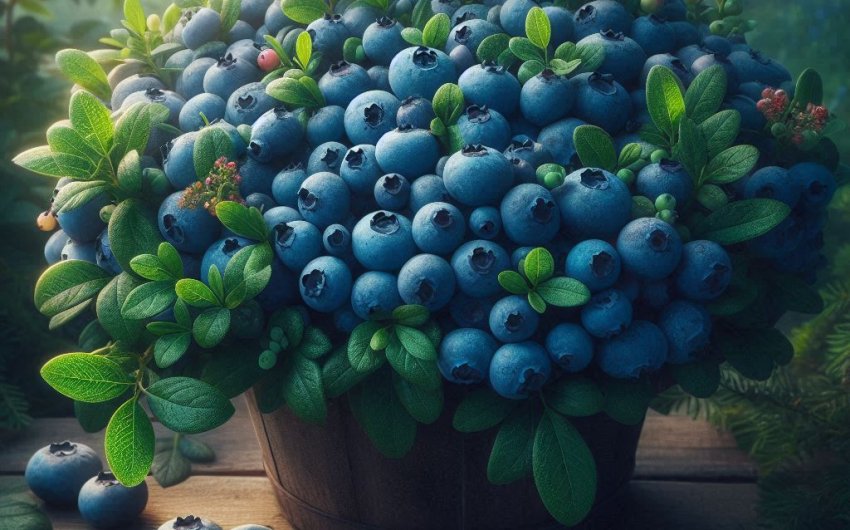
There's nothing quite like popping a handful of fresh, sweet-tart blueberries into your mouth, especially when you know they came straight from your own garden and were grown organically. But if you’ve ever tried to grow them, you know blueberries are a bit particular about their home. Their main demand? Acidic soil. Most garden plants like soil that's a little bit sour or neutral, but blueberries are true acid-lovers. If your soil isn't acidic enough, your blueberry bushes will struggle, look sickly, and won't give you much fruit. This guide will walk you through everything you need to know about how to successfully grow organic blueberries in acidic soil, ensuring you get a bountiful harvest year after year.
Why Are Blueberries So Picky About Soil pH?
It all comes down to how blueberries eat! Blueberries are what we call "acid-loving plants." This means they need soil that is quite acidic, with a pH range of 4.5 to 5.5 (ideally 4.5-5.0).
Why so specific? Because in highly acidic soil, certain nutrients that blueberries need, like iron, are readily available. In soil that's too alkaline (pH above 5.5), these crucial nutrients get "locked up" and become unavailable to the plant, even if they are present in the soil. This leads to nutrient deficiencies, yellowing leaves (called chlorosis), stunted growth, and very poor fruit production. So, getting the soil pH right is the most critical step for success in growing organic blueberries.
Step 1: Test Your Soil – Know Your pH!
Before you buy a single blueberry bush, you must know your current soil pH. Guessing is a recipe for disappointment.
How to Test Your Soil pH:
- Home Soil Test Kit: For a quick and easy estimate, a home soil test kit works well. Follow the directions carefully. A reliable soil test kit will give you results in minutes.
- Professional Soil Test: For the most accurate results, send a soil sample to your local agricultural extension office or a university lab. They provide detailed reports on pH and nutrient levels, often with recommendations for amendments. This is highly recommended for blueberry growers.
Understanding Your Results:
- If pH is already 4.5-5.5: Great! You have a head start. You'll just need to maintain this pH.
- If pH is above 5.5: Don't despair! You'll need to amend your soil to lower the pH. This is common and manageable.
- If pH is below 4.5: This is rare, but if your soil is extremely acidic, you might need to slightly raise the pH (though less common for blueberries).
Step 2: Preparing the Soil for Organic Blueberries
Whether your soil is too alkaline or just borderline, you'll almost certainly need to improve it significantly for organic blueberry cultivation. Blueberries are shallow-rooted and need a soil that is both acidic and rich in organic matter, well-drained, and consistently moist.
In-Ground Planting: Creating an Acidic Bed
If your native soil isn't too far off (e.g., pH 6.0-6.5), you can amend it directly. If your soil is heavy clay or very alkaline (pH 7.0+), creating a raised bed or mound is often a better option.
To Lower Soil pH Naturally:
- Elemental Sulfur: This is the most common and effective way to lower soil pH. Soil microbes convert sulfur into sulfuric acid, which acidifies the soil.
- Application: Apply elemental sulfur to the soil several months before planting (ideally in fall for spring planting), as it works slowly. Mix it thoroughly into the top 6-12 inches of soil. The amount needed depends on your current pH and soil type. Always follow package directions for elemental sulfur.
- Re-test: Re-test your soil pH after a few months to see if more is needed.
- Sphagnum Peat Moss: This is naturally acidic (pH 3.5-4.5) and excellent for improving soil structure and water retention.
- Application: Mix a generous amount (at least 30-50% by volume) of sphagnum peat moss into your planting hole or raised bed mix. A large bale of sphagnum peat moss is essential for blueberry planting.
- Composted Pine Needles/Pine Bark Fines: These break down slowly, releasing acidity. They also improve drainage and add organic matter.
- Application: Incorporate into the soil mix or use as a top mulch. Look for pine bark fines at garden supply centers.
Creating a Raised Bed or Mound:
For very alkaline or heavy clay soils, building a raised bed (at least 12-18 inches deep) or a large mound is ideal. Fill it with a custom blend:
- 50% high-quality sphagnum peat moss
- 30% composted pine bark or pine fines
- 20% well-rotted organic compost
- Add elemental sulfur as needed based on your initial soil test.
A sturdy raised garden bed kit can simplify this process.
Container Planting: The Easiest Way to Control pH
If your native soil is impossible to amend, or if you only have a patio or balcony, growing organic blueberries in containers is a fantastic option. This gives you complete control over the potting mix.
Container Soil Mix:
- 50% sphagnum peat moss
- 30% composted pine bark or pine fines
- 20% organic potting mix or good quality compost
Container Size:
Blueberries are shallow-rooted but spread out. Start with a pot at least 18-24 inches in diameter and 18 inches deep. As the bush grows, you might need to transplant it to a larger container. Look for large plant grow bags for excellent drainage and air circulation.
Step 3: Choosing Organic Blueberry Varieties
There are different types of blueberries, each suited to different climates and needs.
Types of Blueberries:
- Highbush Blueberries: Most common, widely adapted, produce large fruit. Needs chilling hours (a certain number of hours below 45°F/7°C). Popular varieties include 'Bluecrop', 'Duke', 'Chandler'.
- Lowbush Blueberries: Wild blueberries, very cold hardy, low-growing.
- Half-High Blueberries: A cross between highbush and lowbush, good for colder climates.
- Rabbiteye Blueberries: Tolerant of heat and some drought, good for warmer southern climates. Many varieties need cross-pollination from another rabbiteye variety for good fruit set.
Important Considerations:
- Chilling Hours: Research the specific chilling hour requirement for varieties in your climate. Planting varieties with too low or too high a chilling requirement for your area will result in poor fruiting.
- Pollination: While many highbush varieties are self-pollinating, planting at least two different varieties (even of the same type) will almost always result in larger yields and bigger fruit.
- Buy Organic: Purchase organic blueberry bushes from reputable nurseries. This ensures they haven't been treated with synthetic chemicals and are a healthy start to your organic garden.
Step 4: Planting Your Organic Blueberry Bush
Once your soil is ready and you have your bushes, planting is straightforward.
When to Plant:
Early spring is generally the best time to plant blueberries, as it allows their roots to establish before summer heat. Fall planting can also work in milder climates.
Planting Steps:
- Dig the Hole: Dig a hole twice as wide as the root ball and just as deep. If planting in a raised bed or container, ensure your prepared soil mix is in place.
- Loosen Roots: Gently loosen any circling roots at the bottom of the root ball.
- Place Bush: Place the blueberry bush in the hole so that the top of the root ball is at or slightly above the surrounding soil level. Blueberries don't like to be planted too deep.
- Backfill: Fill the hole with your prepared acidic soil mix, gently tamping down to remove large air pockets.
- Water In: Water thoroughly after planting to settle the soil around the roots.
- Mulch: Apply a 2-4 inch layer of acidic organic mulch around the base of the plant. This is crucial for blueberries! Good choices include pine needles, pine bark fines, or wood chips (especially from conifer trees). Keep mulch a few inches away from the main stem. This mulch helps retain moisture, suppress weeds, moderate soil temperature, and slowly adds acidity as it breaks down.
Step 5: Ongoing Care for Organic Blueberries
Consistent care is vital for healthy, productive organic blueberry bushes.
Watering: Critical for Blueberries
Blueberries have shallow roots and need consistent moisture. They are not drought tolerant.
- Consistent Moisture: Water deeply and regularly, especially during dry spells and when fruit is developing. The soil should be moist but never soggy.
- Check Soil: Stick your finger into the soil. If it feels dry 2-3 inches down, it's time to water.
- Drip Irrigation: A drip irrigation system or soaker hoses are ideal for blueberries, delivering water slowly and directly to the root zone while keeping foliage dry. A drip irrigation system kit can make watering effortless.
Fertilizing Organic Blueberries: Less is More
Blueberries are sensitive to over-fertilization, especially with nitrogen. Use organic fertilizers that are slow-release and specific for acid-loving plants.
- Year 1: No fertilizer is needed the first year if you prepared your soil well.
- Established Plants (Year 2+):
- Acid-Forming Fertilizers: Use a fertilizer specifically formulated for acid-loving plants, like an organic blueberry fertilizer that often contains blood meal, cottonseed meal, or feather meal for nitrogen, and often elemental sulfur to maintain acidity. A quality organic blueberry fertilizer is a great choice.
- Cottonseed Meal: A good source of slow-release nitrogen (around 6-2-1) and also acidic.
- Sulfate of Potash: For a potassium boost if needed, without adding other elements.
- Kelp Meal: Provides micronutrients and growth stimulants.
- Application: Apply sparingly in early spring (when new growth begins) and again about 4-6 weeks later. Do not fertilize after mid-summer, as it can encourage new growth that won't harden off before winter.
- Compost: A light top dressing of compost (especially composted pine bark or conifer compost) in spring is always beneficial.
Maintaining Soil pH: The Ongoing Battle
Your initial pH adjustment isn't a one-time thing. Over time, soil pH tends to drift back towards its natural state.
- Annual pH Check: It's a good idea to check your soil pH annually or every other year to monitor levels.
- Elemental Sulfur: If your pH starts to creep up, you might need to apply a small amount of elemental sulfur again.
- Acidic Mulch: Continue to replenish your pine needle or pine bark mulch.
Pruning Organic Blueberries
Pruning is essential for good fruit production and bush health.
- When: Prune in late winter or early spring while the plants are dormant.
- Young Plants: For the first 2-3 years, remove any blossoms to encourage the plant to put energy into root and bush development, not fruit. Remove weak, spindly, or crossing branches.
- Mature Plants: Focus on removing old, unproductive canes (stems) at the base to encourage new growth. Remove dead, diseased, or damaged wood. Thin out weak, twiggy growth to improve air circulation and sunlight penetration.
Organic Pest and Disease Management
A healthy, well-sited blueberry bush grown organically is often resistant to many problems.
- Birds: Birds love blueberries! Netting is usually the most effective organic pest control method. Drape berry netting over your bushes once the fruit begins to color.
- Insects: Most insect issues are minor. Focus on promoting beneficial insects through diverse plantings. Hand-picking any larger pests.
- Fungal Diseases: Ensure good air circulation through pruning. Avoid overhead watering. Remove any diseased branches or leaves promptly.
Harvesting Your Organic Blueberries
The moment you've been waiting for!
When to Harvest:
Blueberries ripen over several weeks. Don't rush it! The berries should be fully blue, and they will usually come off easily with a gentle roll between your fingers. If you have to tug, they're not ready yet. Berries picked too early will be tart and won't sweeten after picking.
How to Harvest:
Harvest often, every few days, as berries ripen. Gently cup the cluster of berries in your hand and roll your thumb over them. The ripe ones will fall off.
Growing organic blueberries in acidic soil takes a bit more upfront effort in soil preparation, but the reward of those sweet, homegrown berries is truly worth it. By focusing on creating and maintaining the right soil conditions, choosing appropriate varieties, and providing consistent organic care, you’ll be enjoying buckets of delicious, chemical-free blueberries for years to come. Happy harvesting!